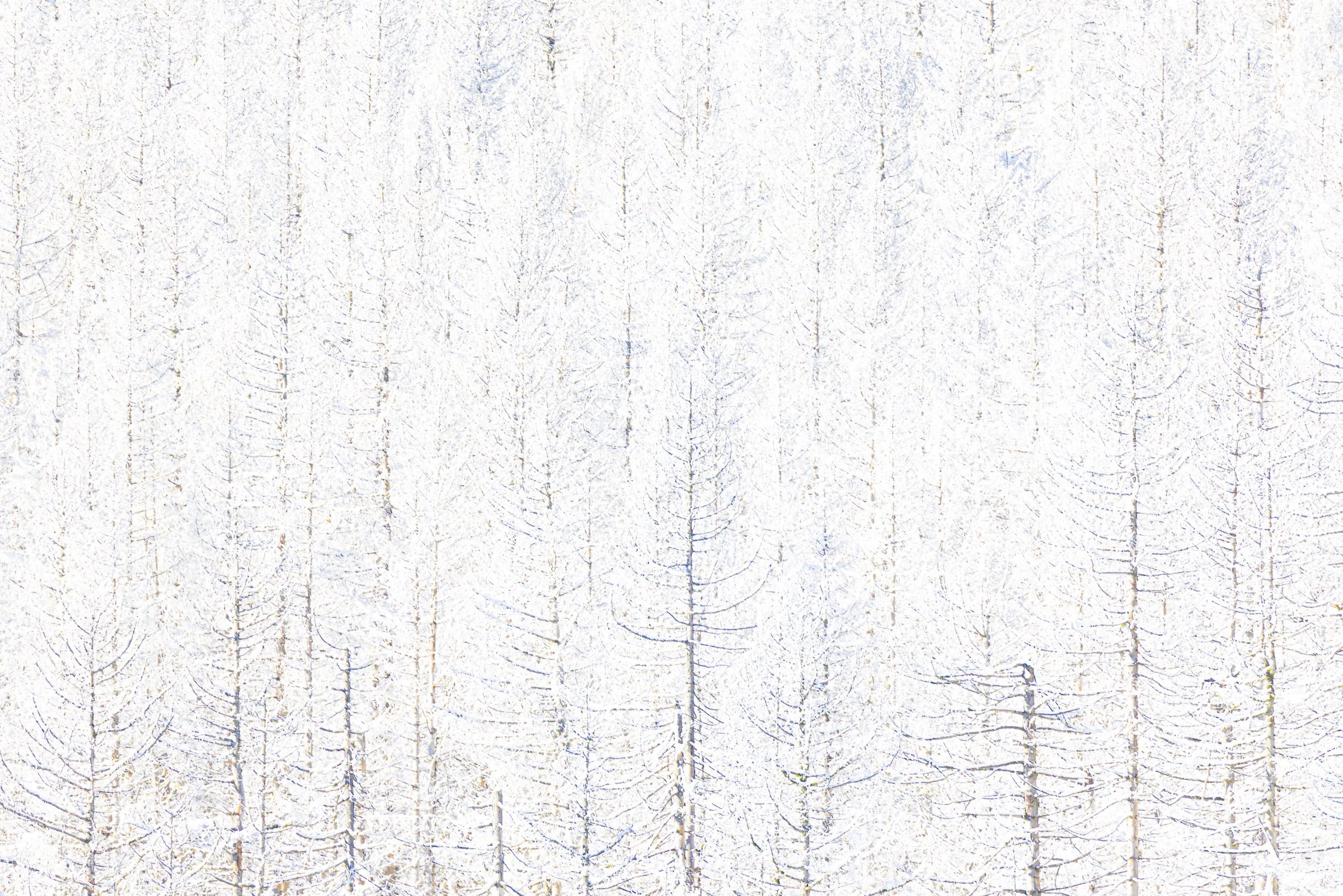
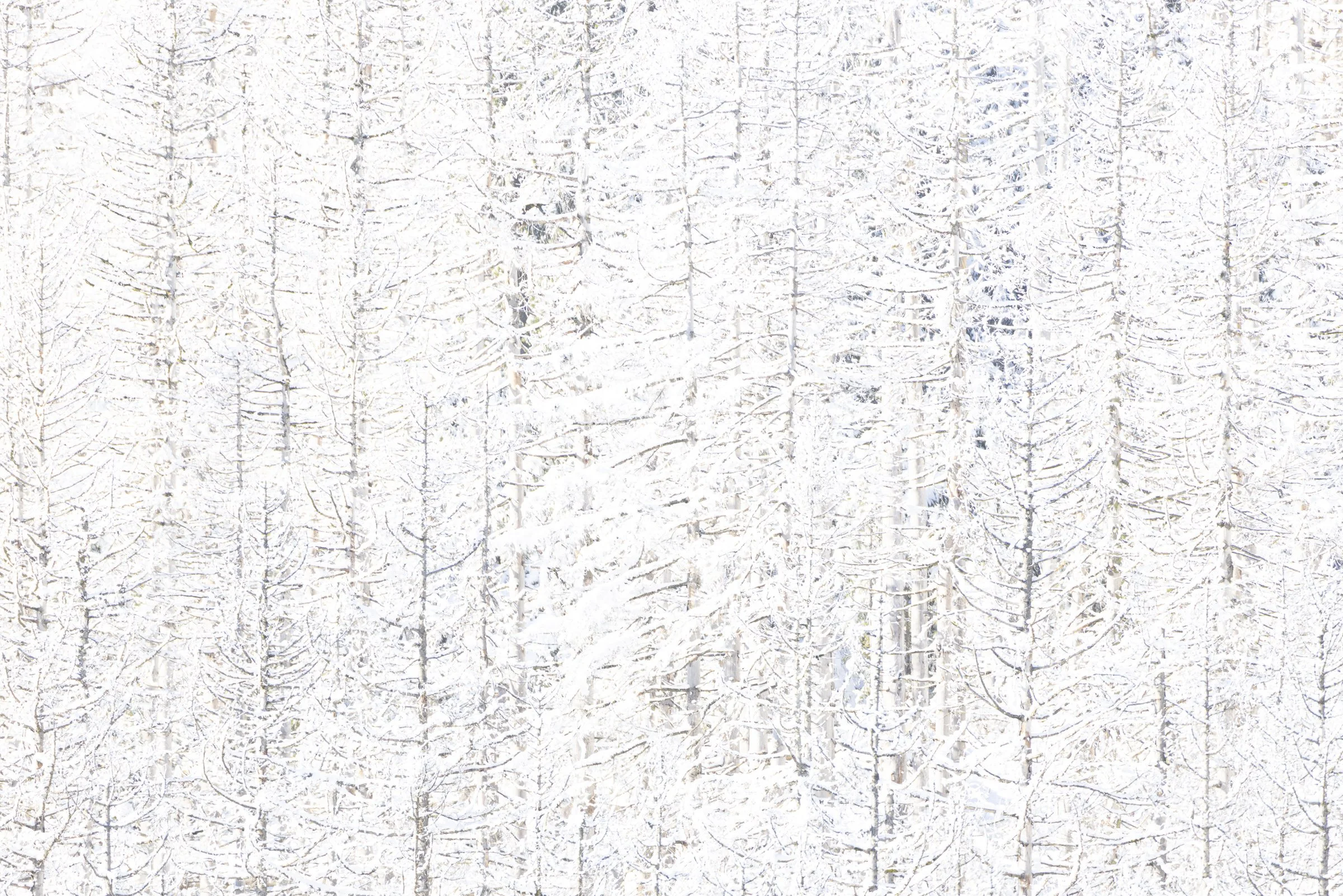
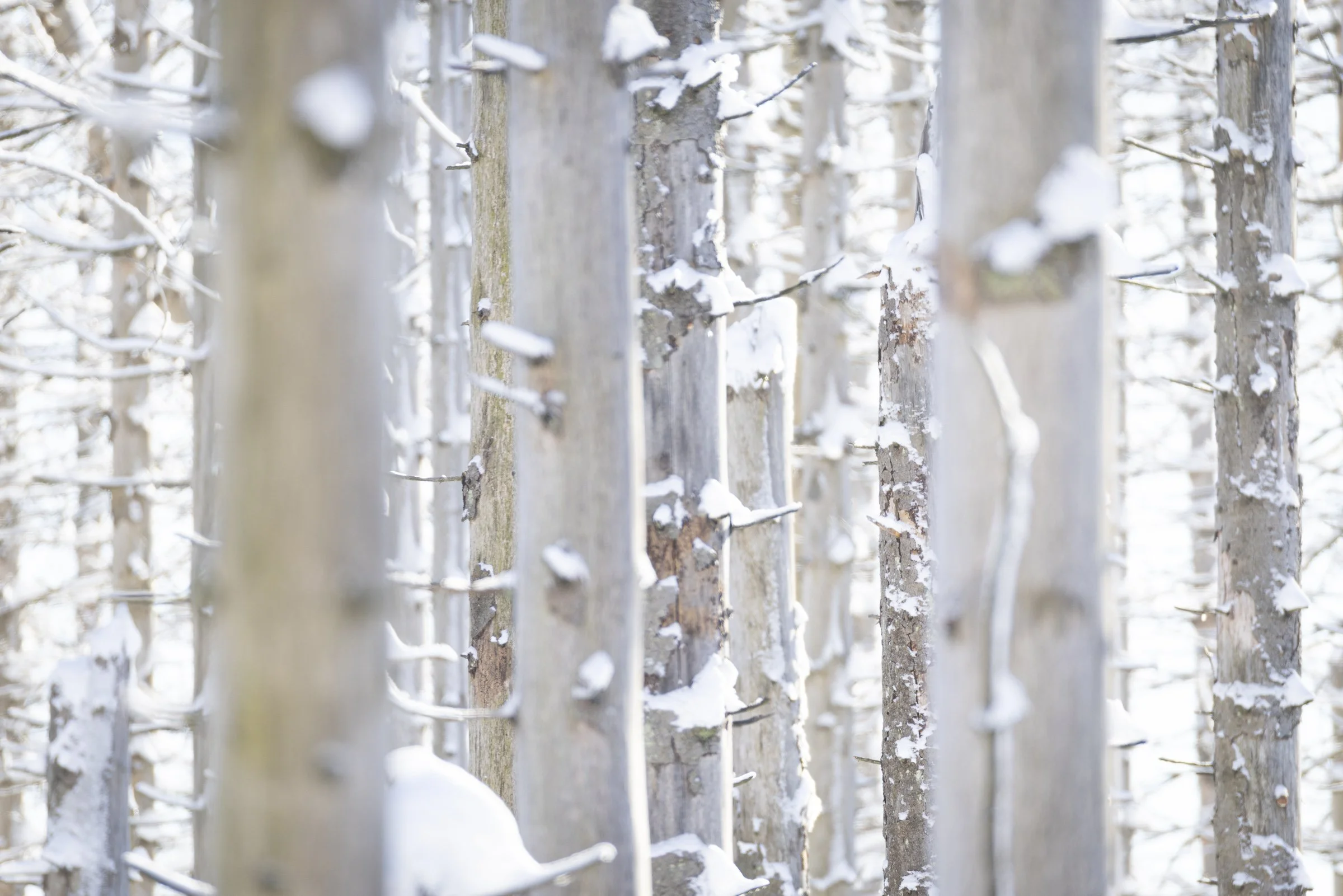
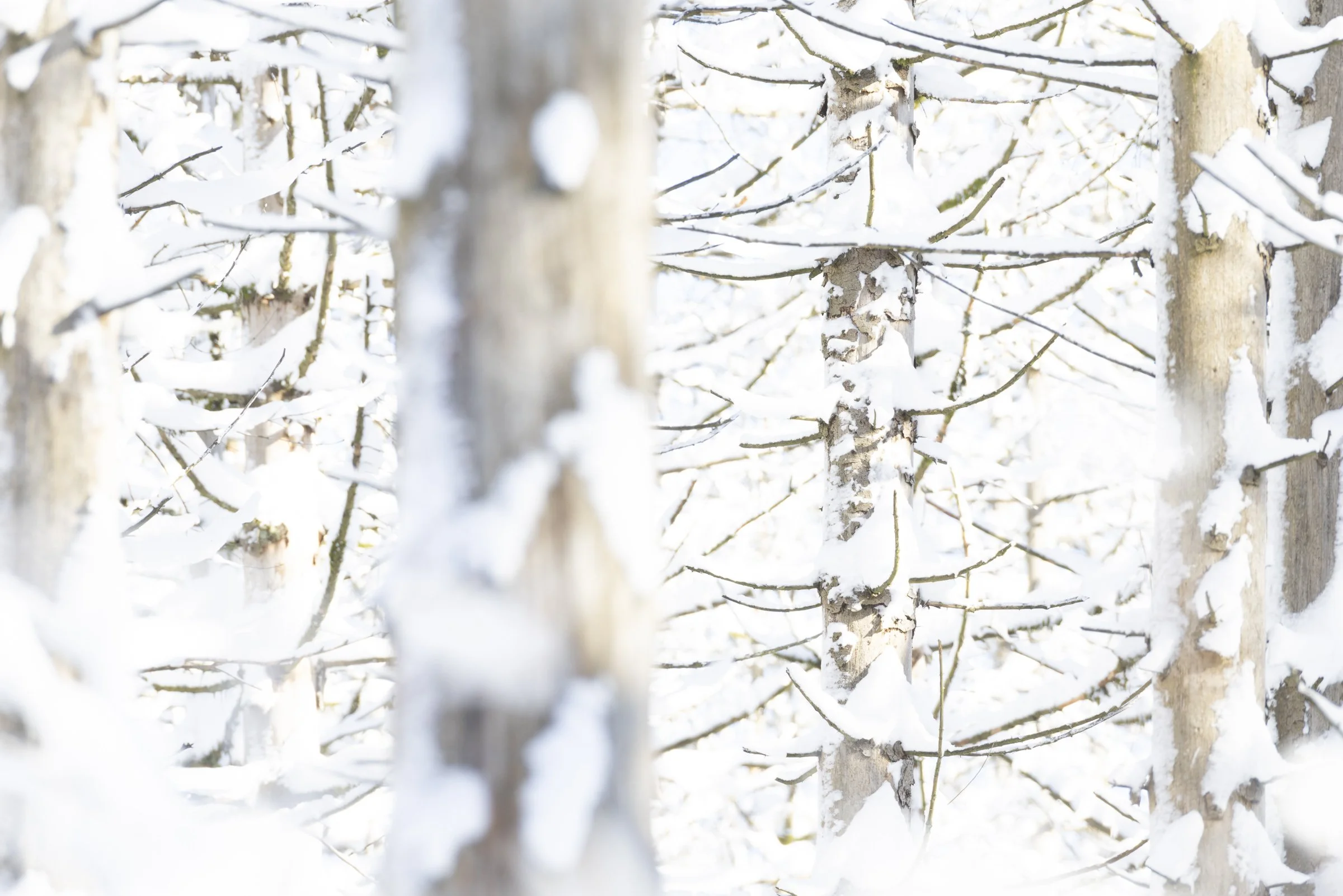
Early winter at the Harz-mountains
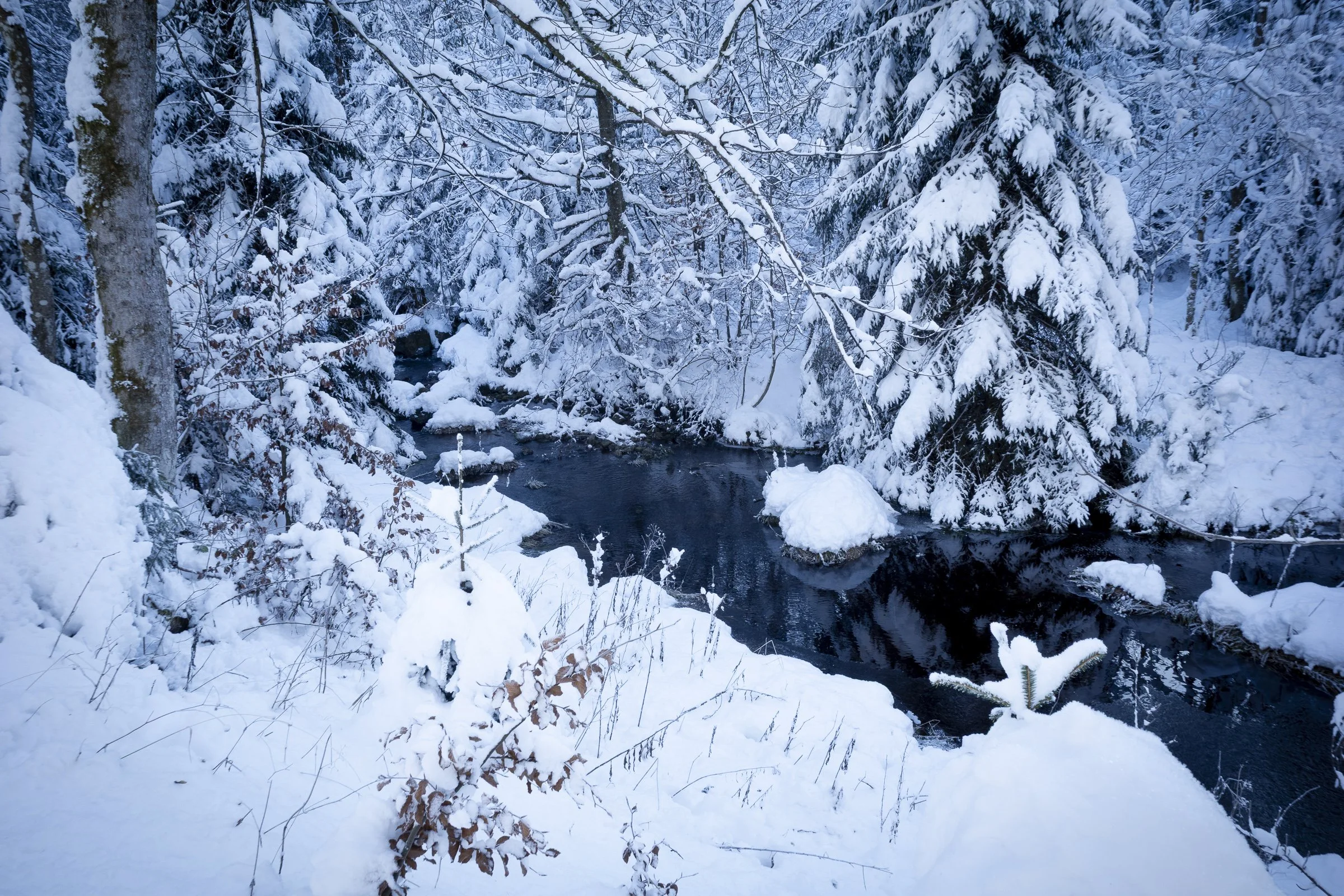
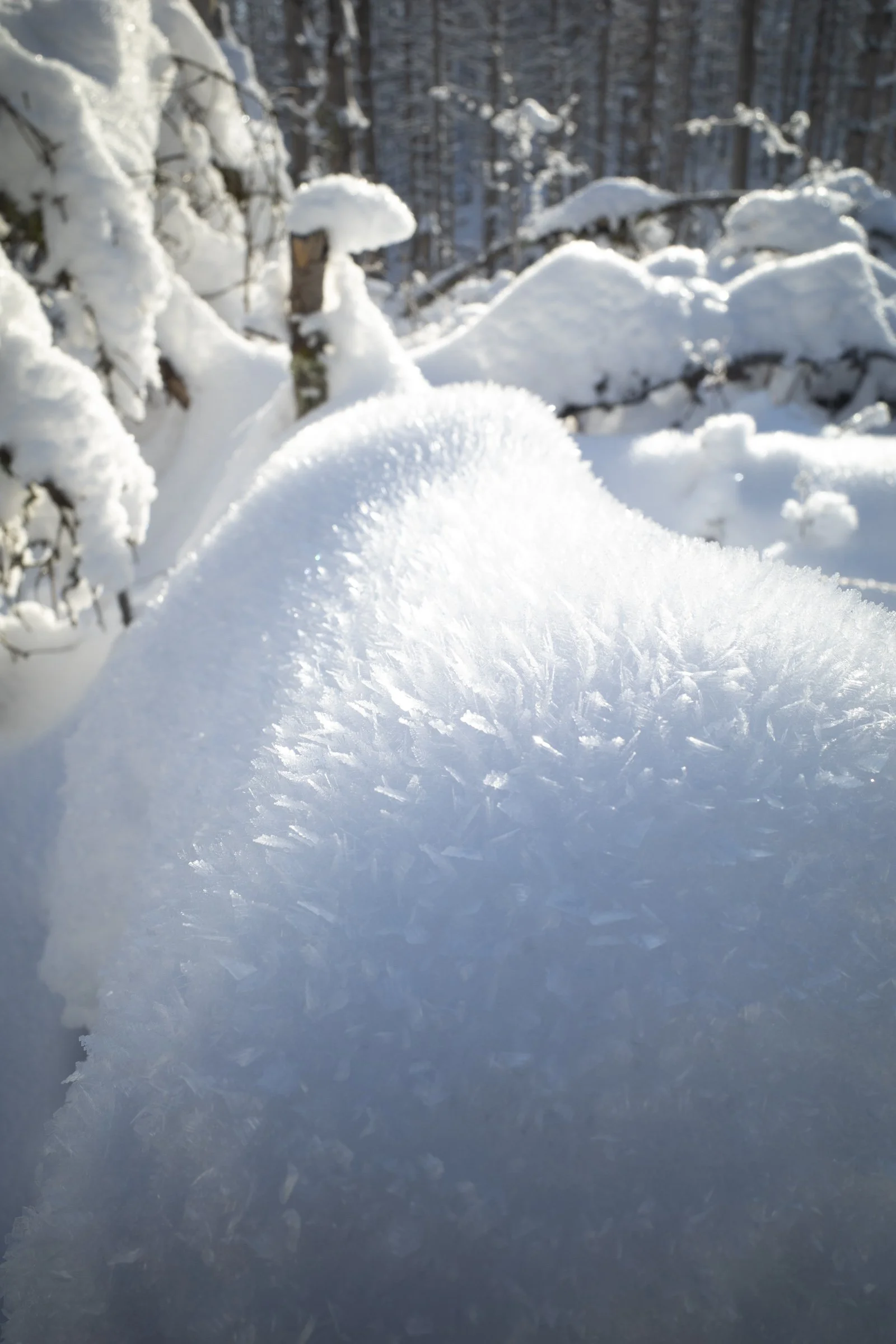
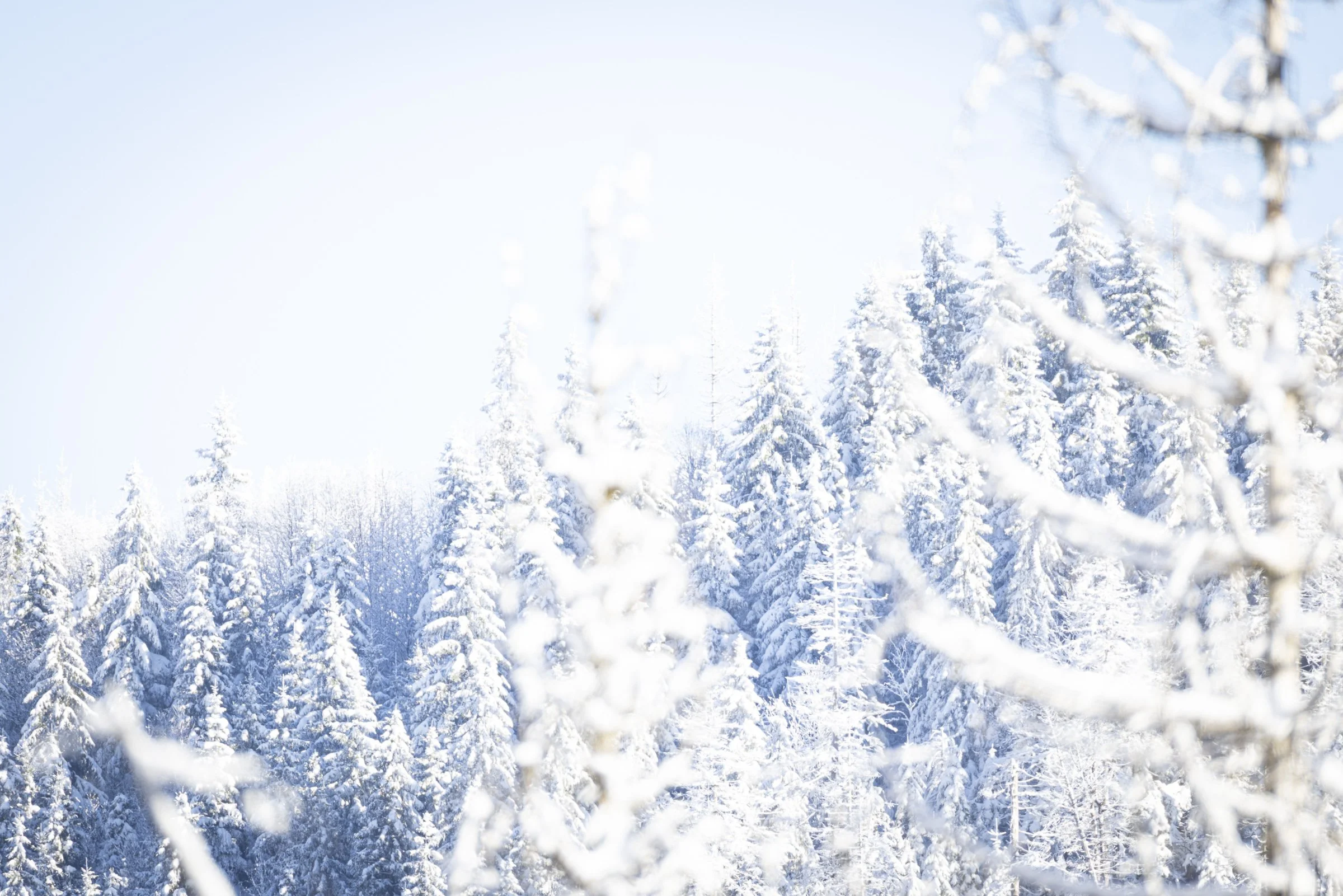
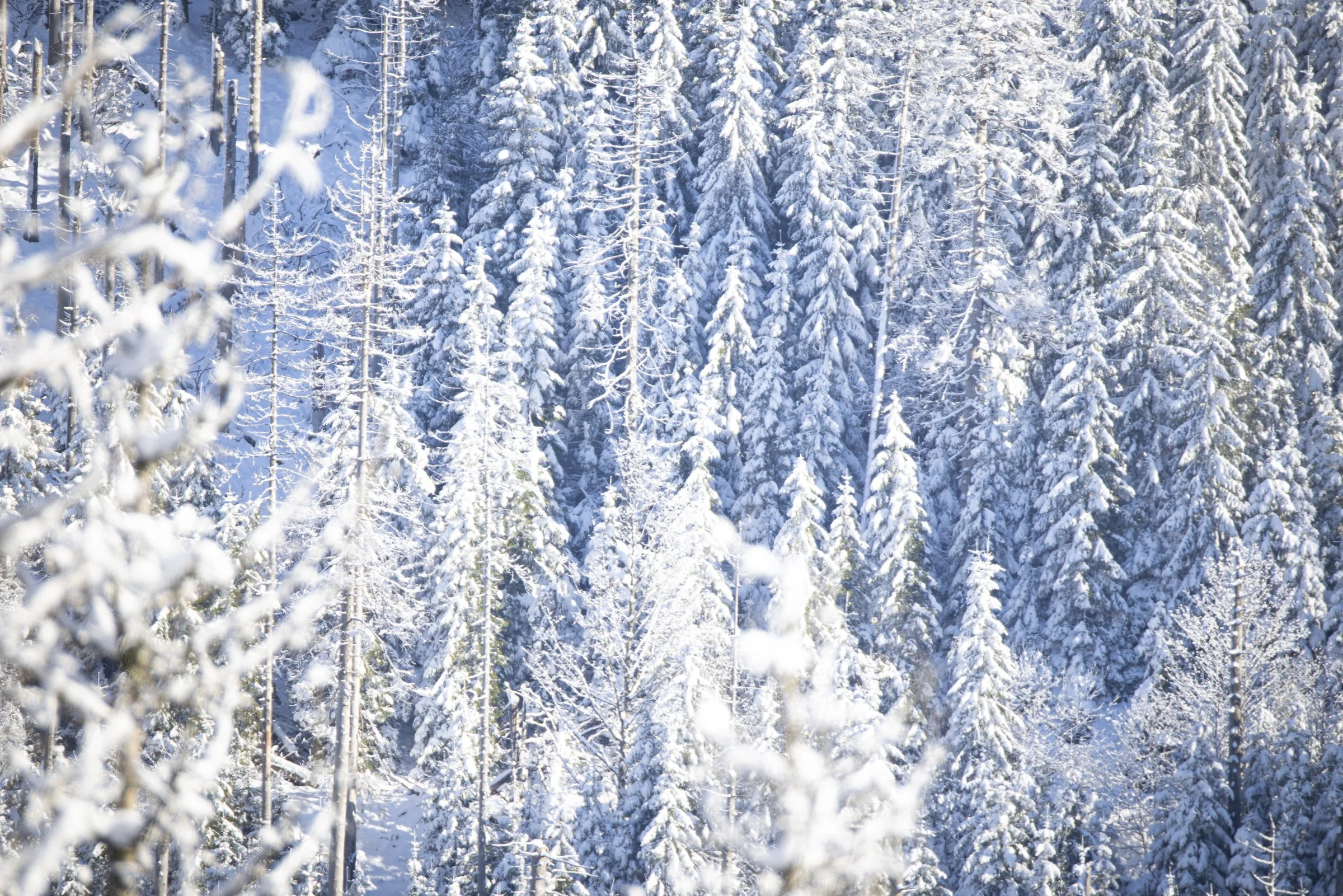
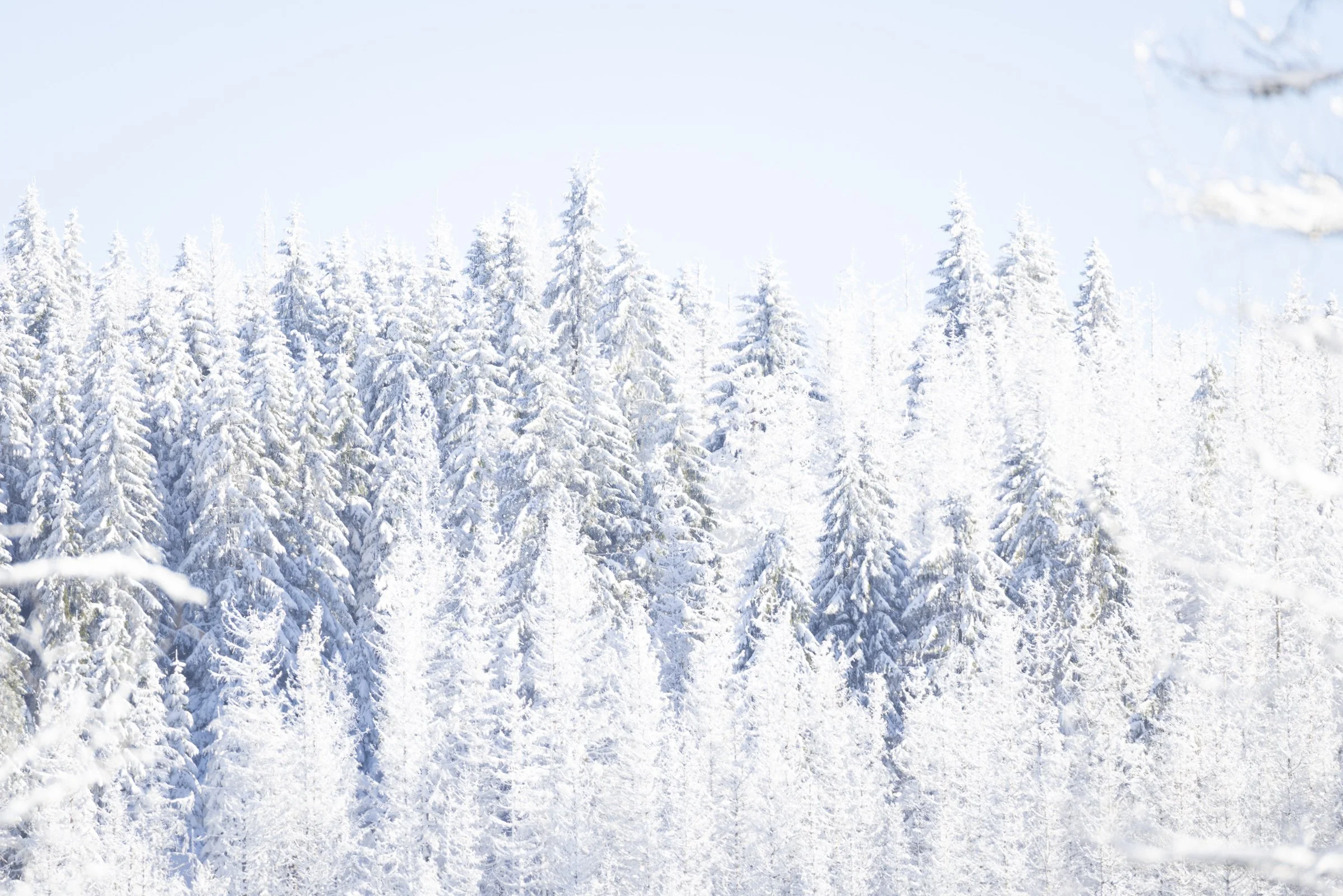
My local mountain range, the Harz mountains, are the highest mountains in Northern Germany although they reach 1,000 meters or more at very few places. Even with climate change, snow is a regular here. But the winter 25/26 was special. Not only did it bring massive amounts of snow in January 2026 with snow heights reaching 80 cm at 700 meters above sea-level and over a meter above 1,000 meters, it did bring a lot of snow really early.
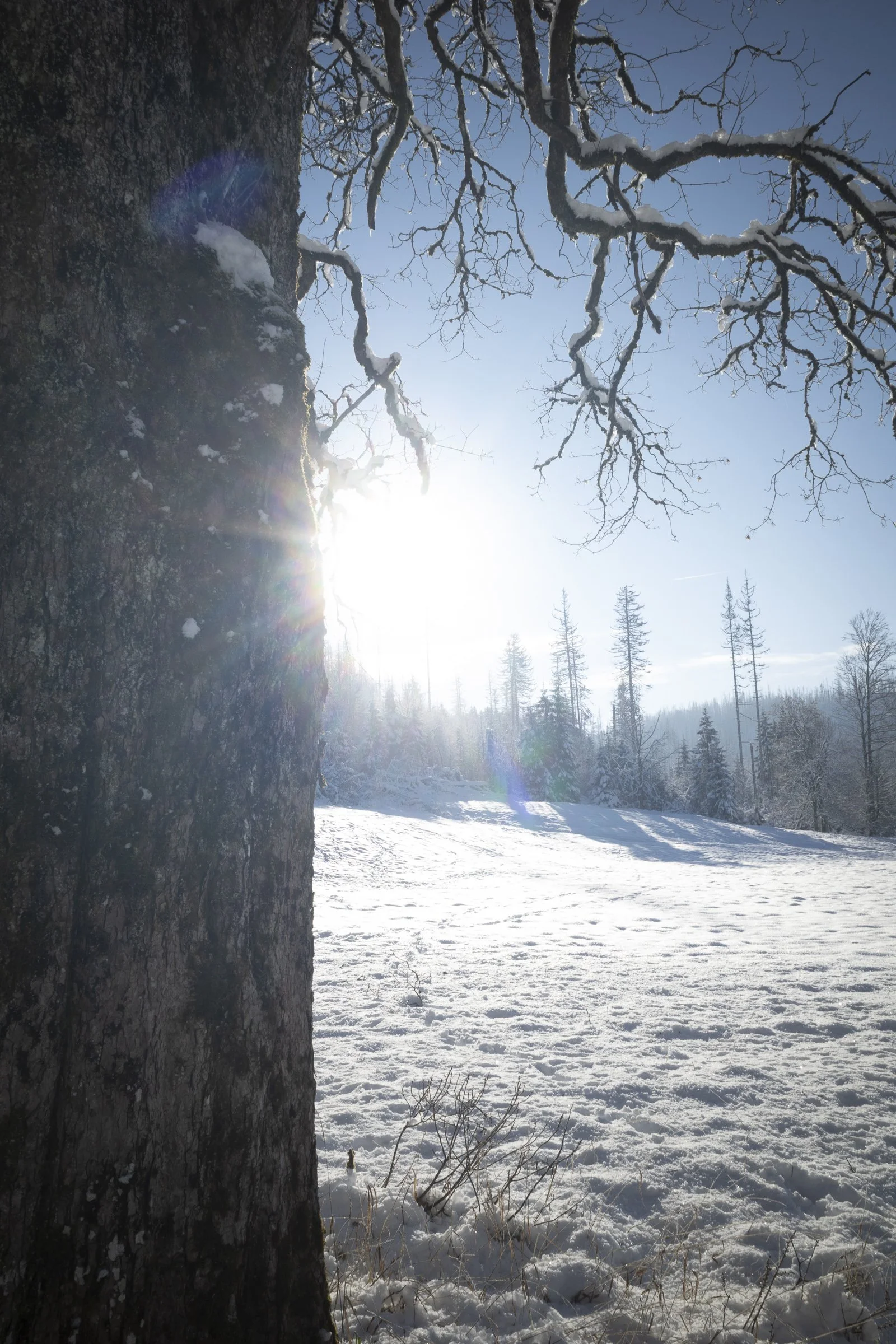
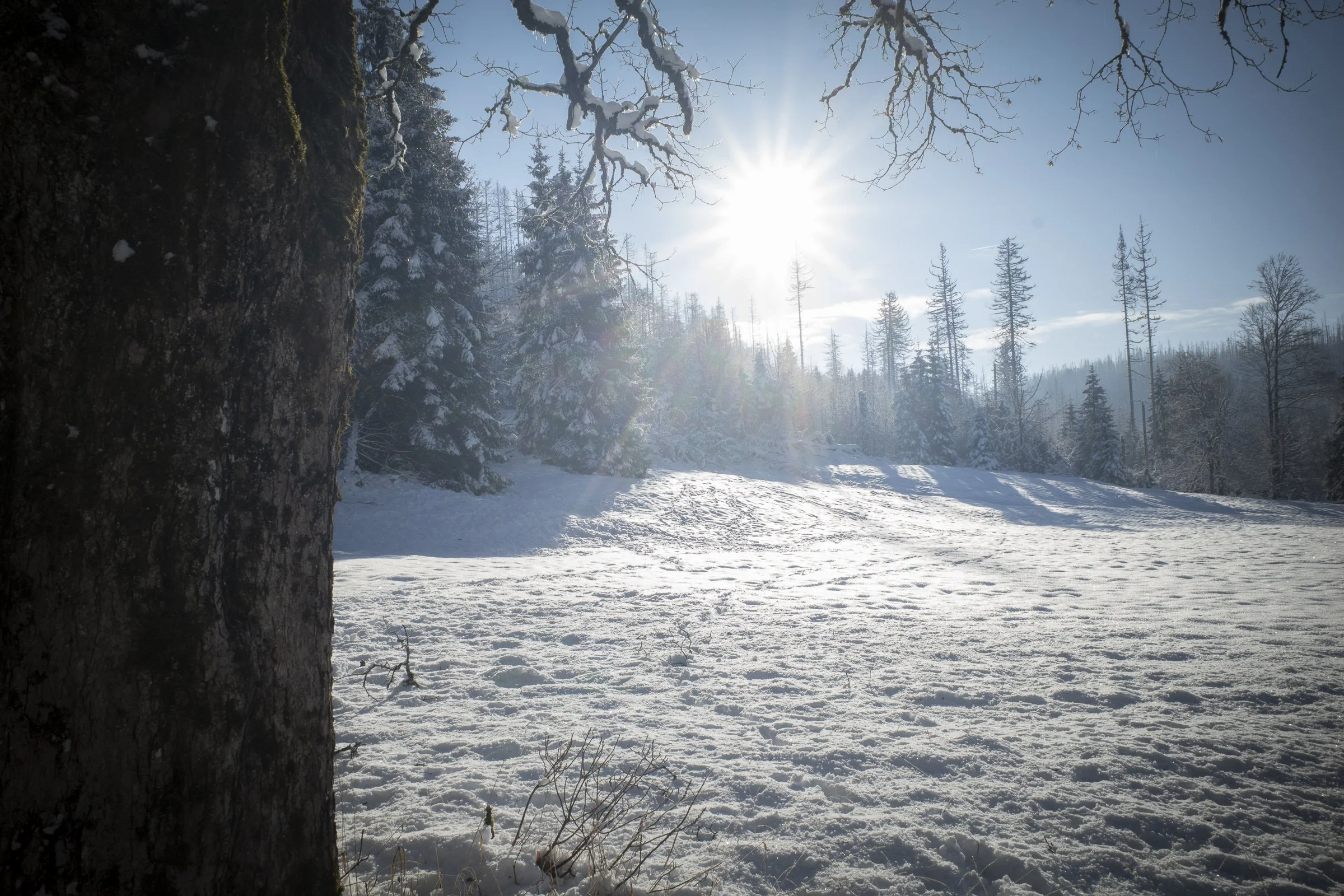
So today, exactly one year ago, we had over 30 cm of snow down to really low heights and I enjoyed a lovely hike through the snow. The snow makes for a beautiful background for all the dead spruce in the Harz mountains. The region lost about 90 % of its spruce tree biomass to the Bark beetle. What seems desolate and dead was actually a blessing in disguise. For centuries the spruce has been forested here and farmed on an industrial scale for mining and building. Now the spruce is dead, biodiversity is massively on the up due to light once again hitting the ground and ecological succession restoring plant and animal communities to its natural self rather than the man-made wastelands that industrial forestry had left us with. A dissertation of the nearby University of Goettingen together with the National park Harz recently revealed an astonishing rise in biodiversity. You can read more about how a woodland restores itself to a natural state at National Park Harz (German only).