winter

Early winter in my local Harz-mountains /  by Arne Bischoff

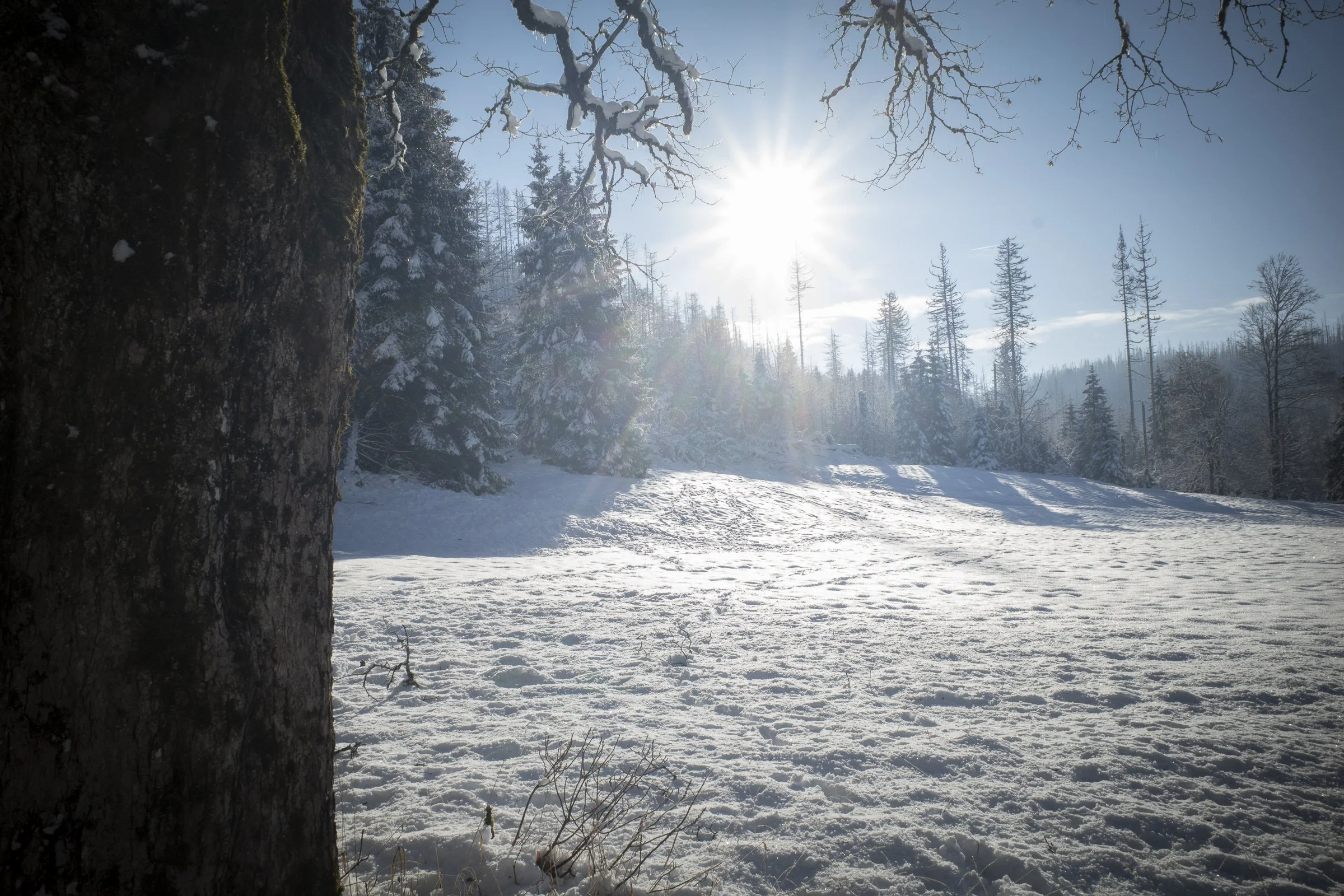
Early winter at the Harz-mountains

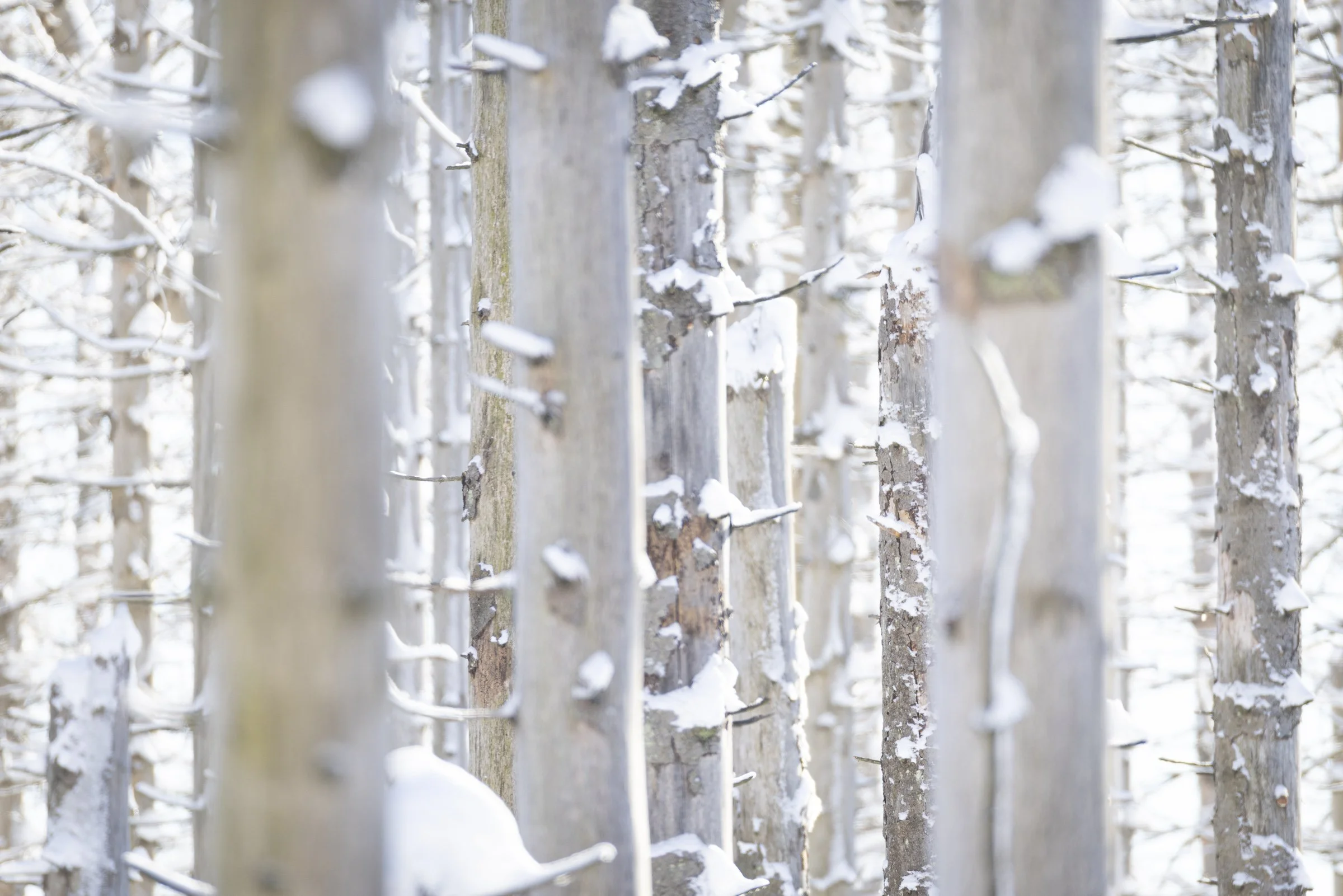
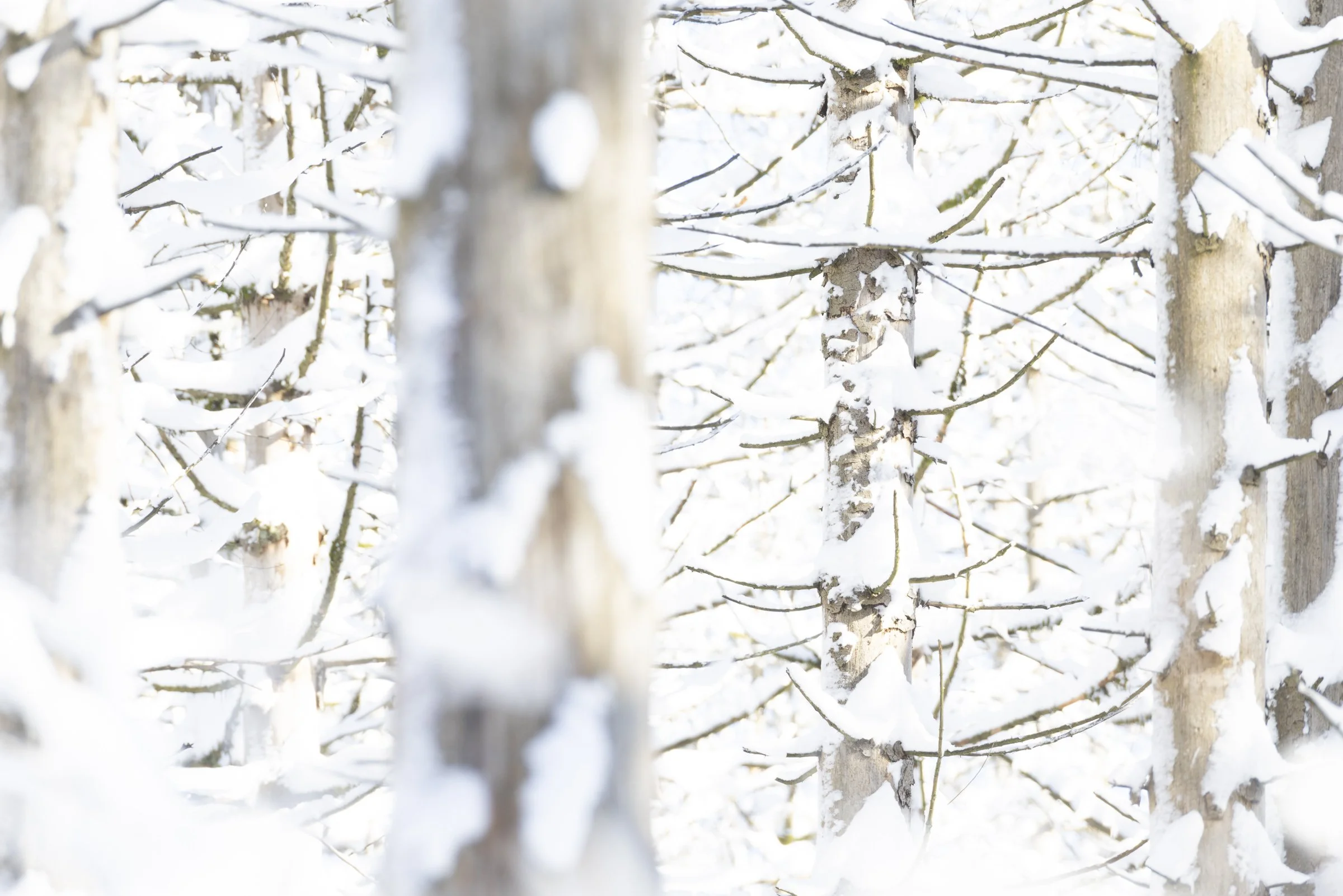
Two live spruce trees amidst a sea of dead.

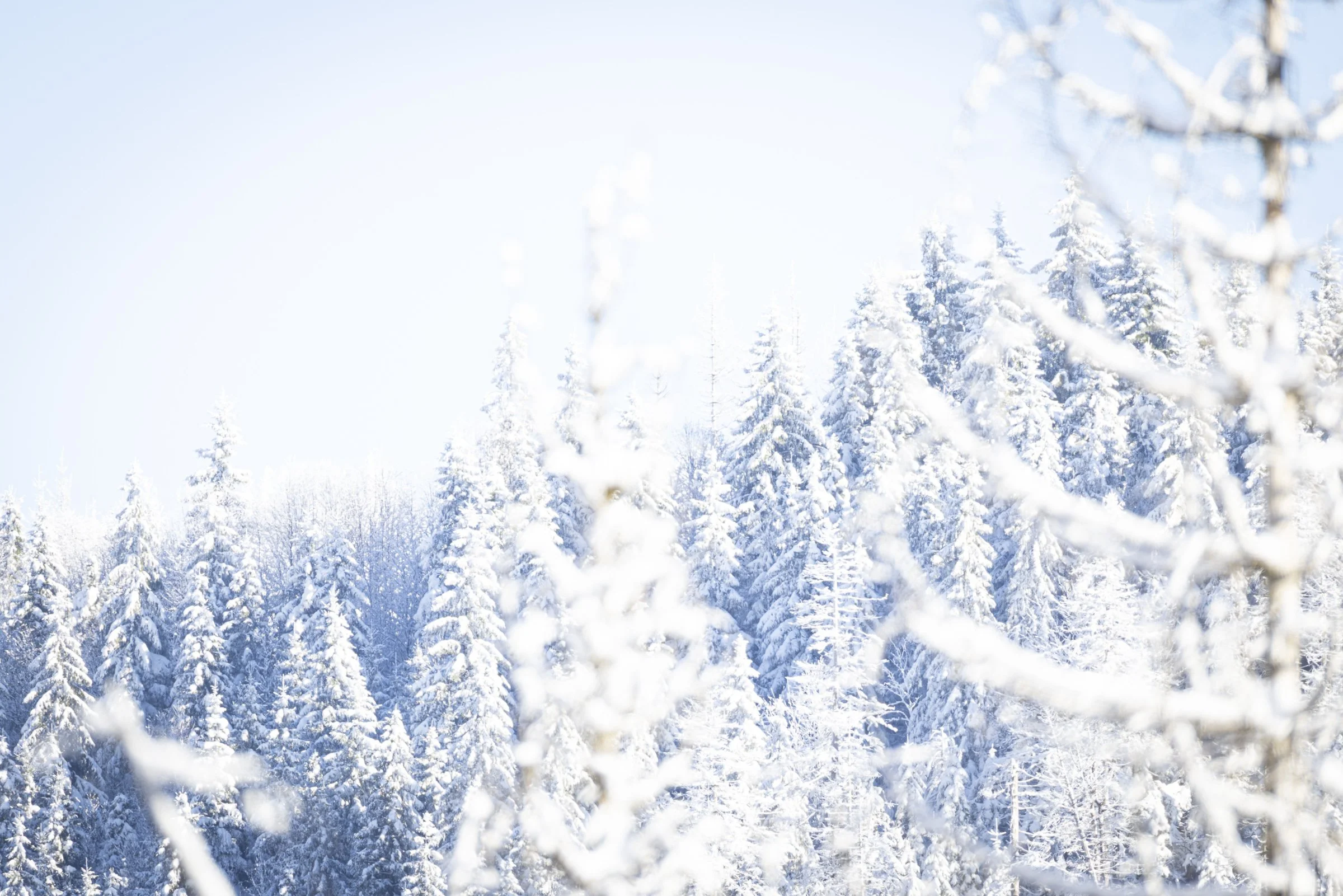
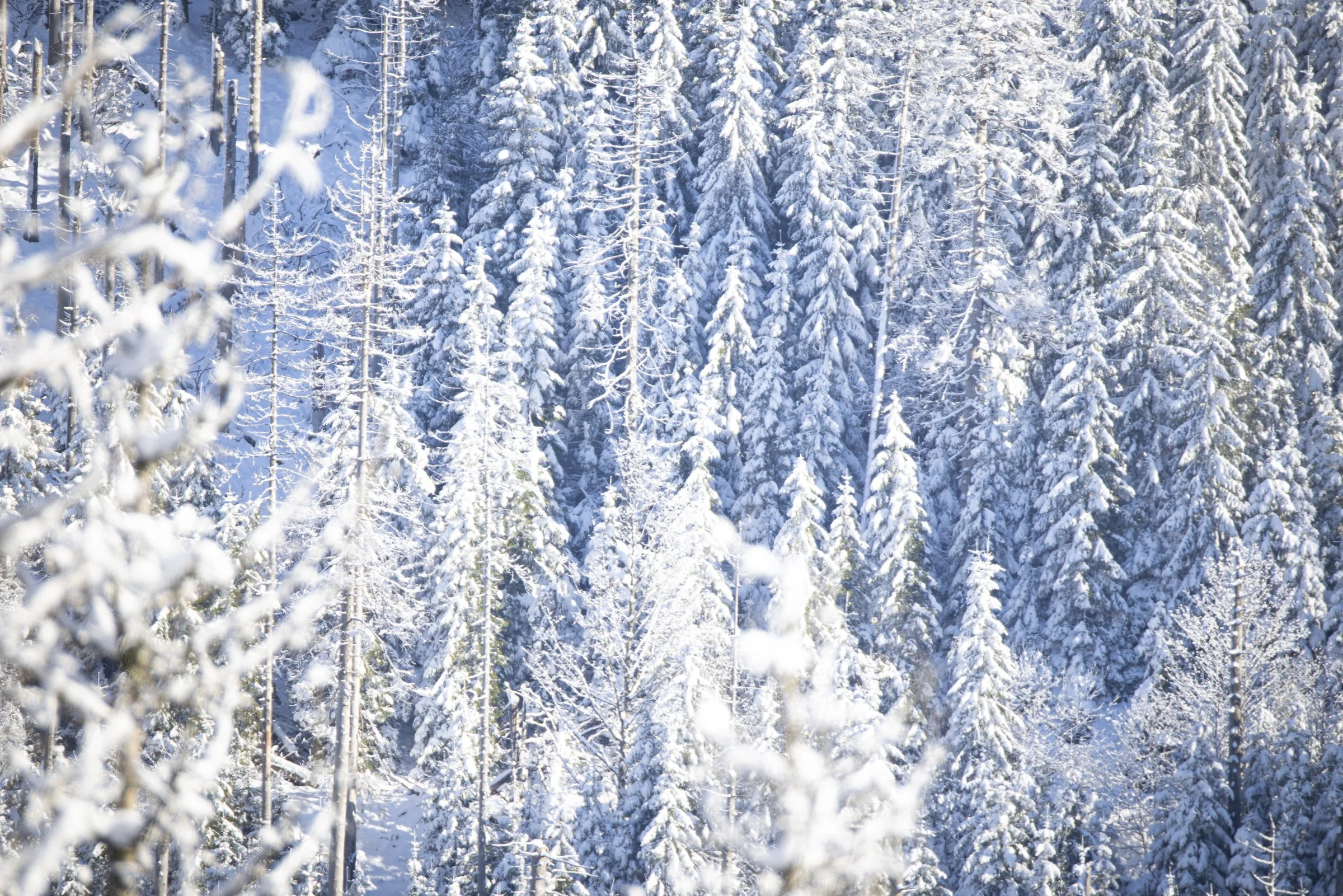
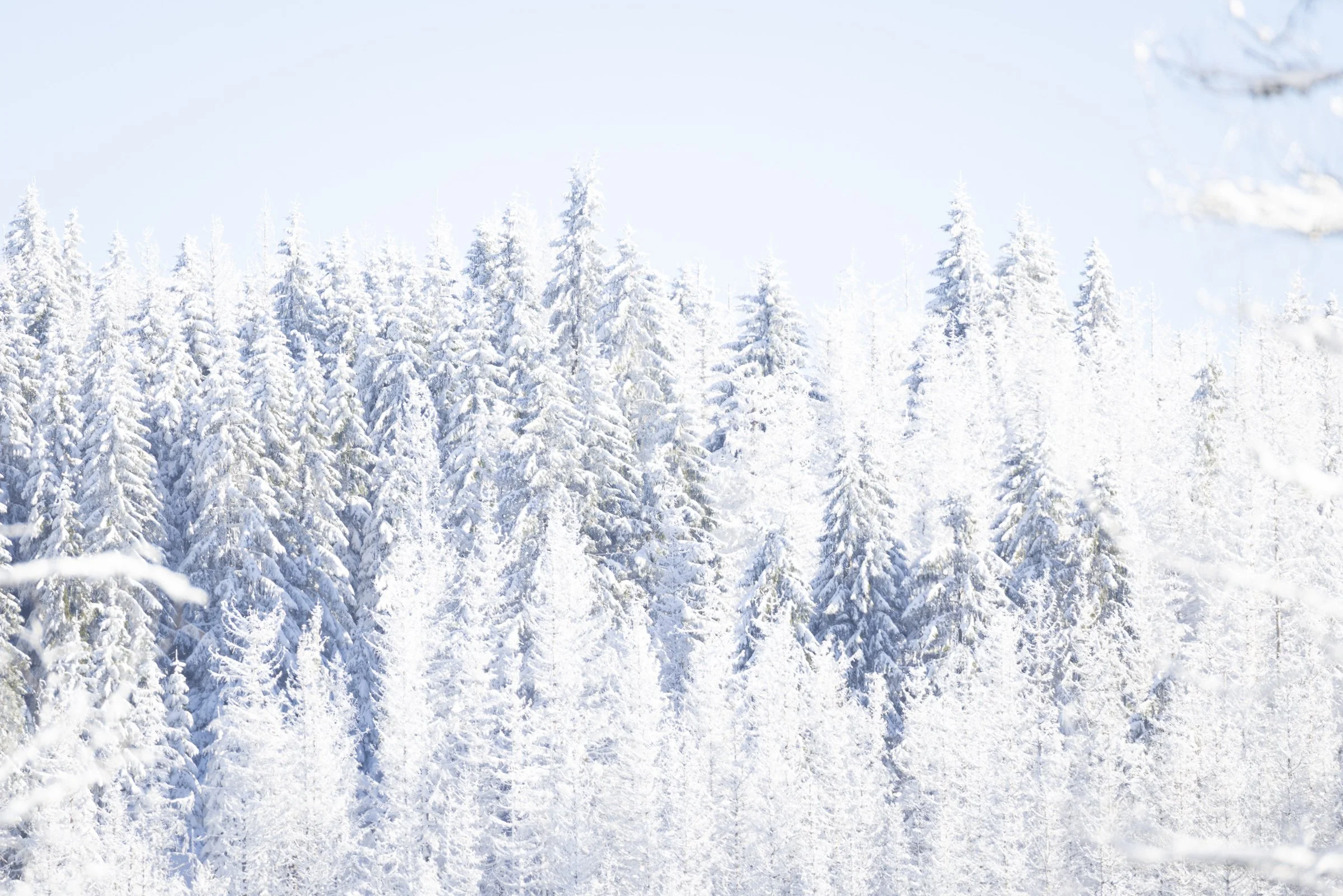
My local mountain range, the Harz mountains, are the highest mountains in Northern Germany although they reach 1,000 meters or more at very few places. Even with climate change, snow is a regular here. But the winter 25/26 was special. Not only did it bring massive amounts of snow in January 2026 with snow heights reaching 80 cm at 700 meters above sea-level and over a meter above 1,000 meters, it did bring a lot of snow really early.

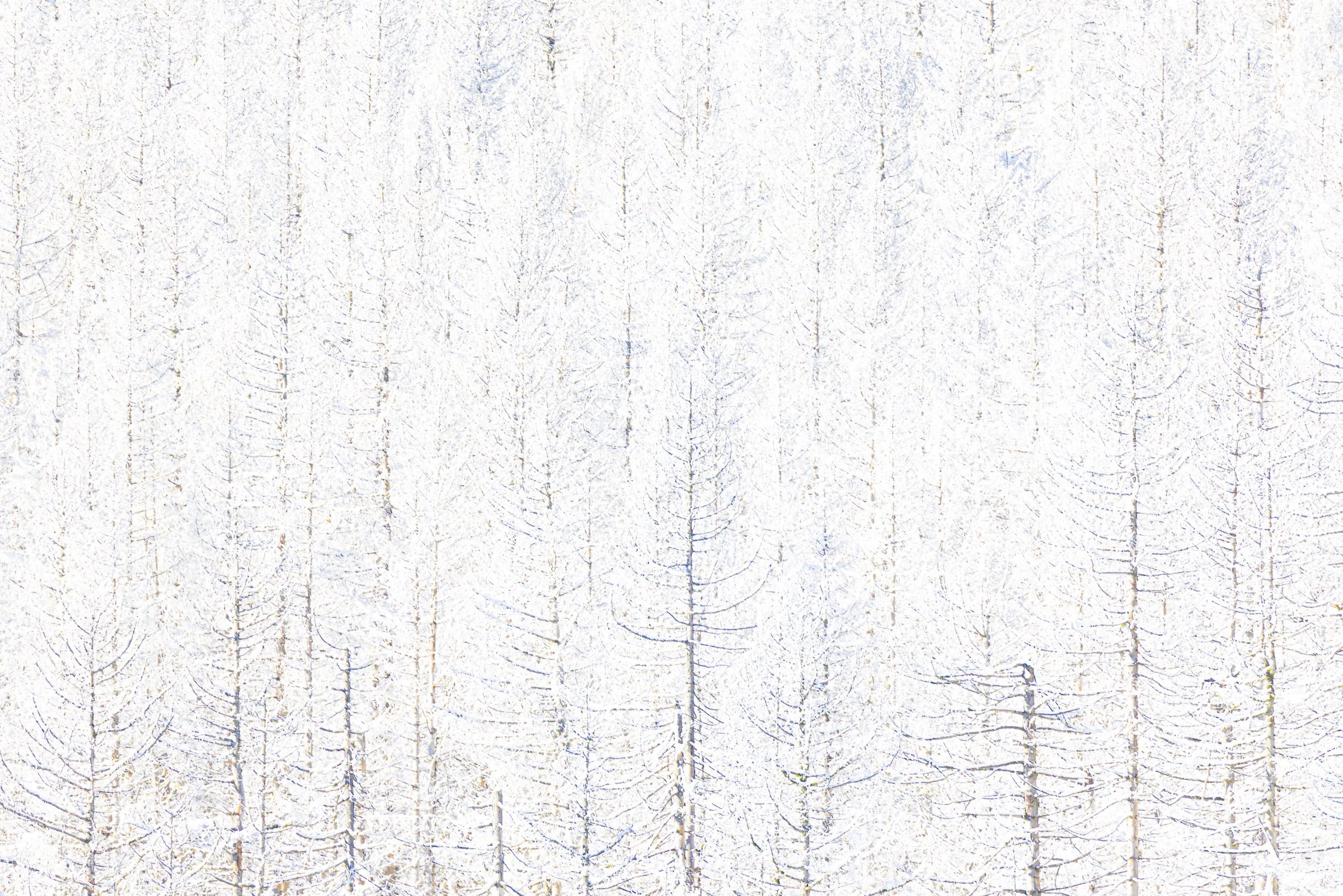
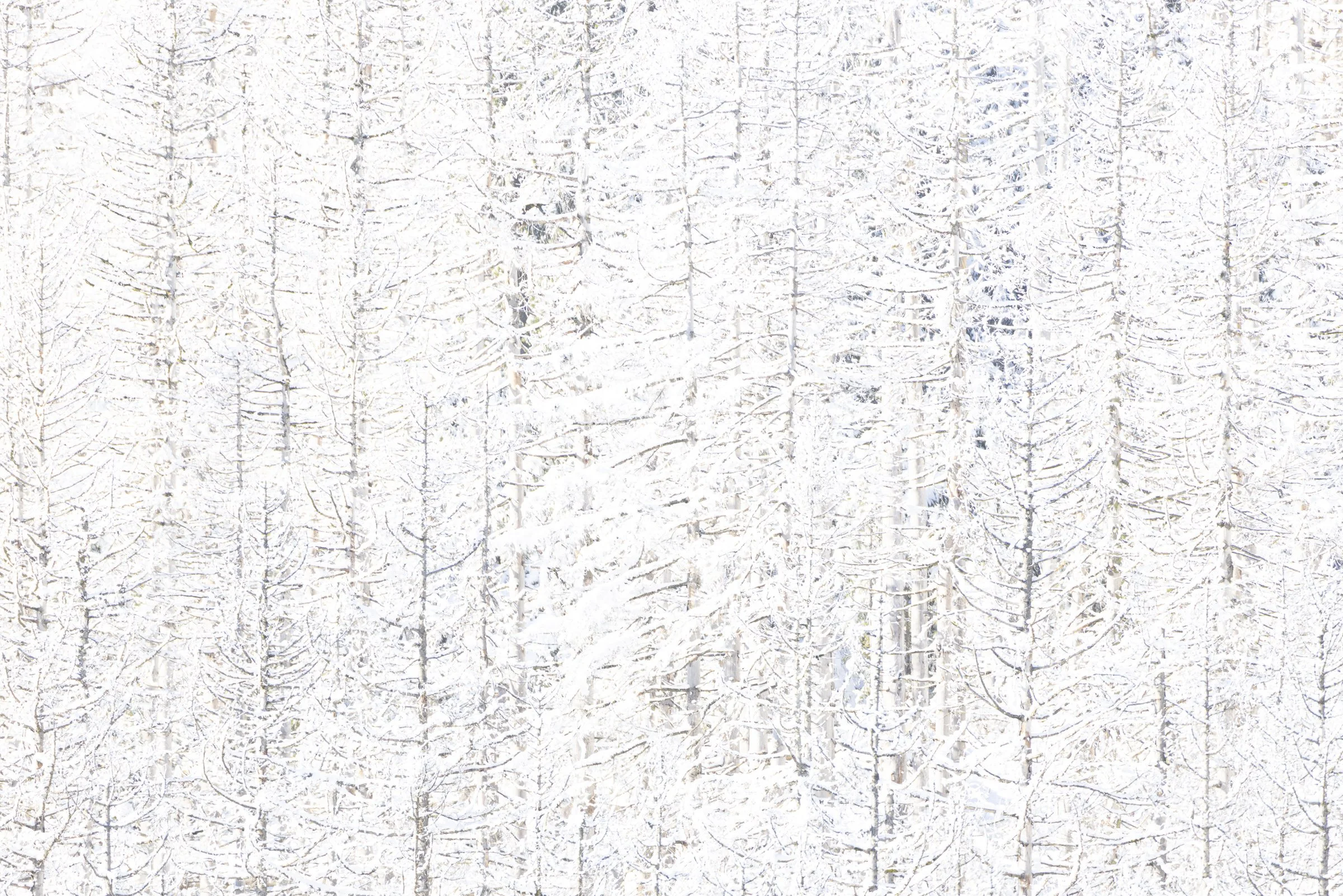
So today, exactly one year ago, we had over 30 cm of snow down to really low heights and I enjoyed a lovely hike through the snow. The snow makes for a beautiful background for all the dead spruce in the Harz mountains. The region lost about 90 % of its spruce tree biomass to the Bark beetle. What seems desolate and dead was actually a blessing in disguise. For centuries the spruce has been forested here and farmed on an industrial scale for mining and building. Now the spruce is dead, biodiversity is massively on the up due to light once again hitting the ground and ecological succession restoring plant and animal communities to its natural self rather than the man-made wastelands that industrial forestry had left us with. A dissertation of the nearby University of Goettingen together with the National park Harz recently revealed an astonishing rise in biodiversity. You can read more about how a woodland restores itself to a natural state at National Park Harz (German only).
Hair ice /  by Arne Bischoff

What is Hair ice?

So lofty!

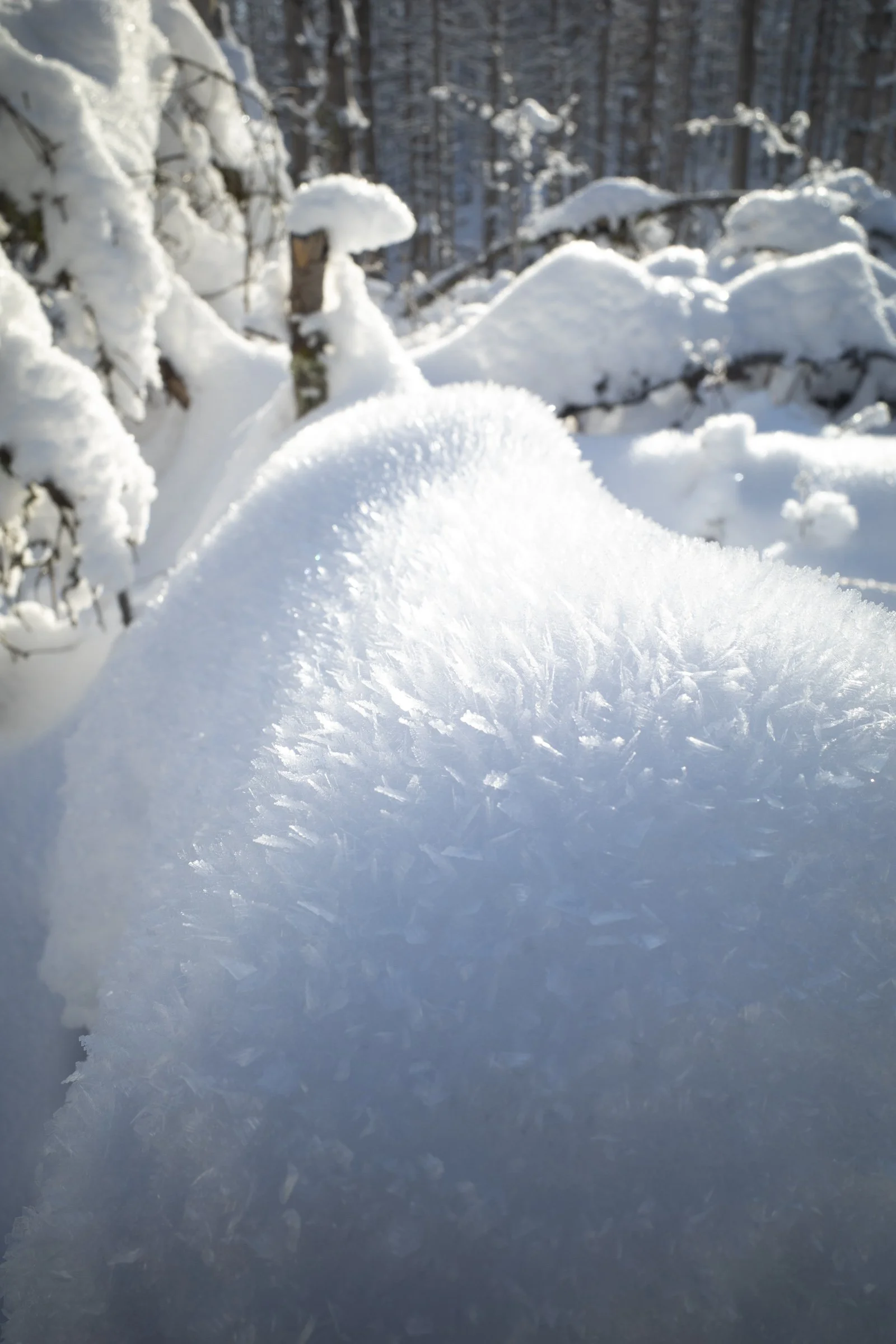
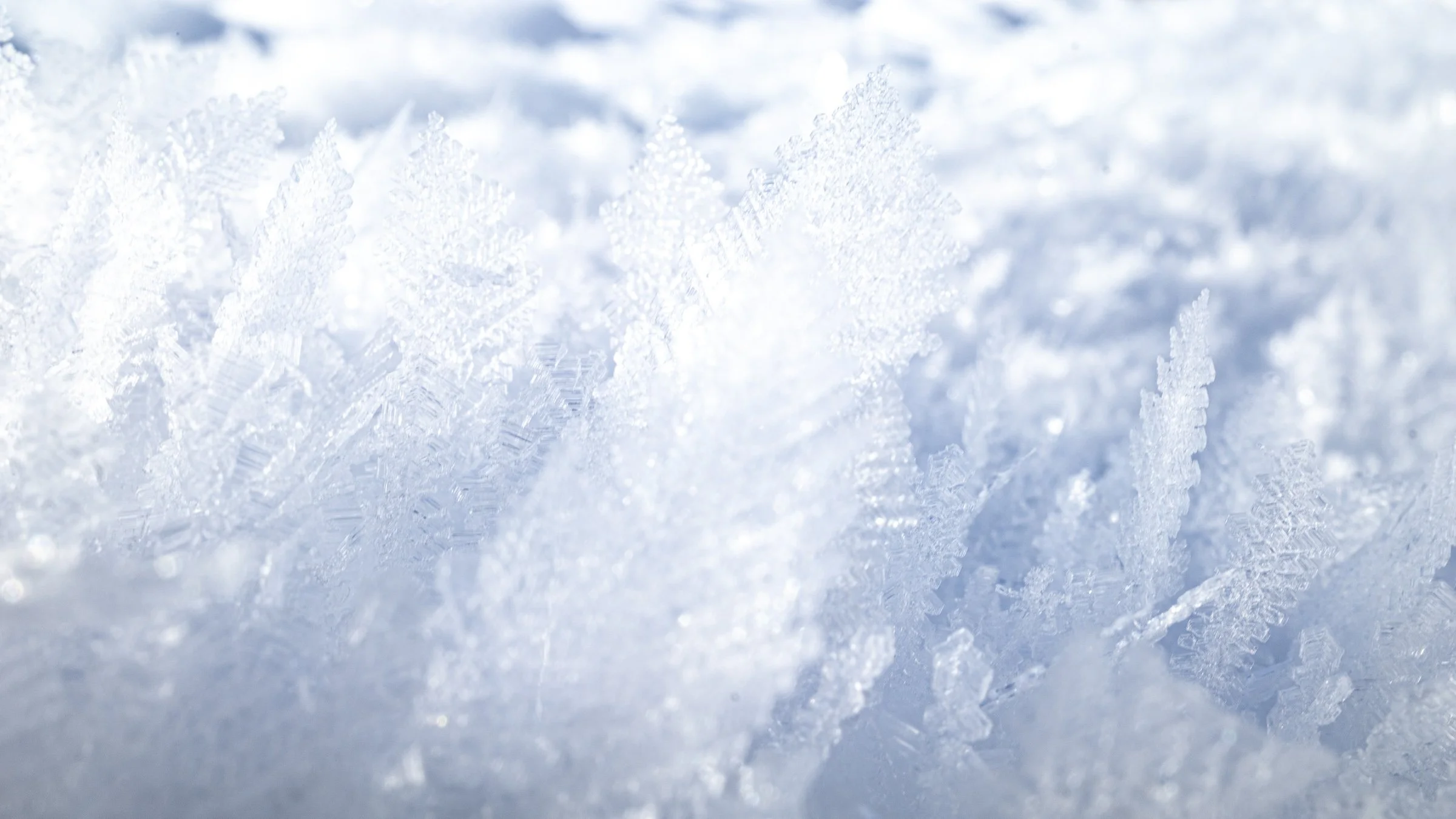
Hair ice (also known as ice wool or frost beard) is a quite rare natural phenomenon. It forms from moisture inside dead or rotten wood and not from general humidity. The ice has the form of incredibly fine, silky white hair. It is only around 0,02 mm thick, about a quarter of the thickness of a human hair. And it is so delicate that once you touch it or even breath on it, it collapses. That said, Hair ice is incredibly soft and feels surprisingly warm to the touch.

I personally find it incredibly beautiful.

Hair ice only forms under very specific circumstances. There needs to be the slightest of frost with tempeatures just below 0° C in humid conditions. It must not be too cold, or the whole wood freezes over. It must not be windy, or it breaks down. Hair ice only forms in parts of the Northern hemisphere and only in deciduous forest. It does not form on bark, only on bare wood.

Thankyou, fungi!

As soon as 1918, German meteorologist Alfred Wegner assumed a fungus as catalyst for the formation of Hair ice. About 100 years later, in 2015, the fungus Exidiopsis effusa finally has been identified as key to the formation of Hair ice.

Humans have not yet find a way to reproduce it.

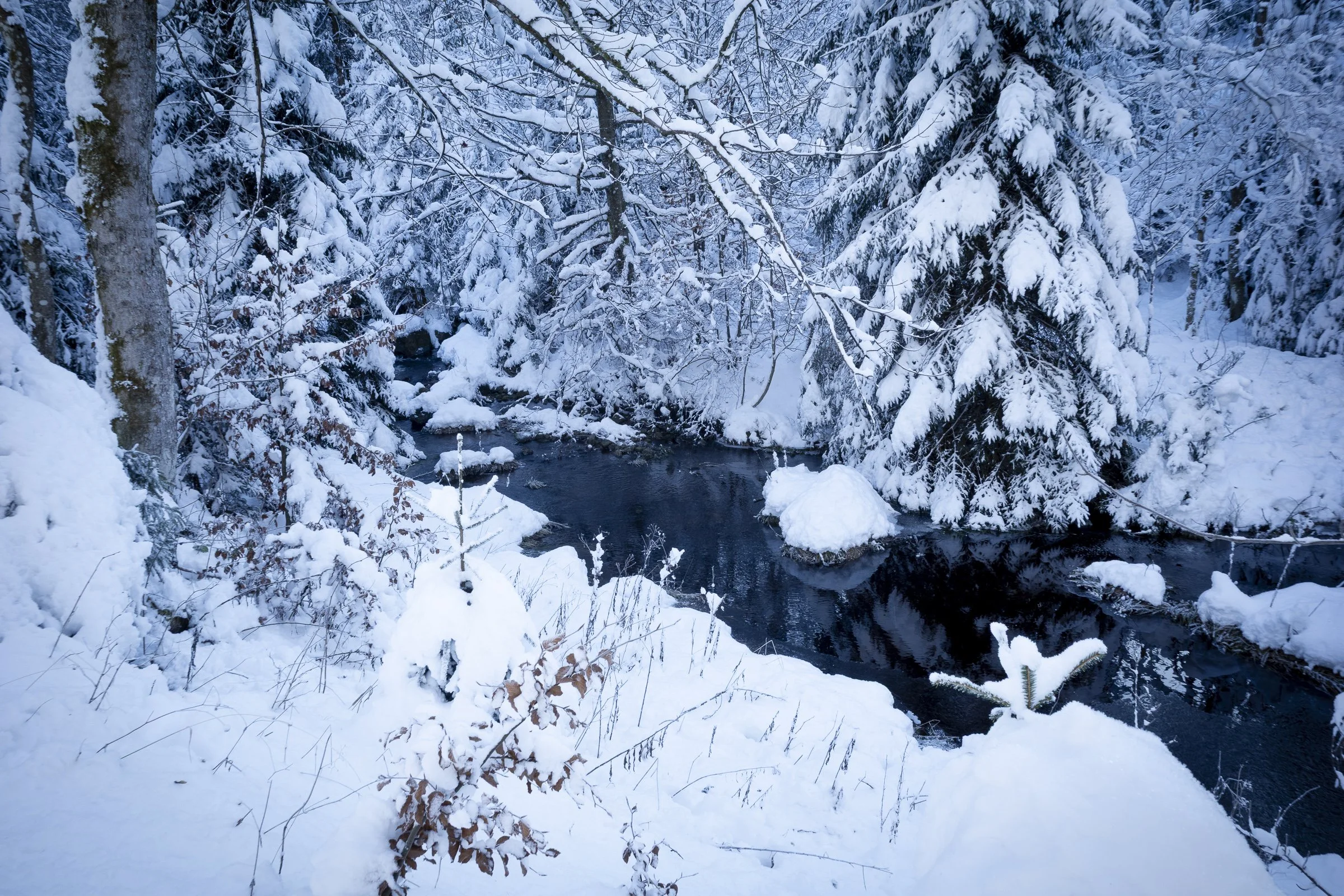
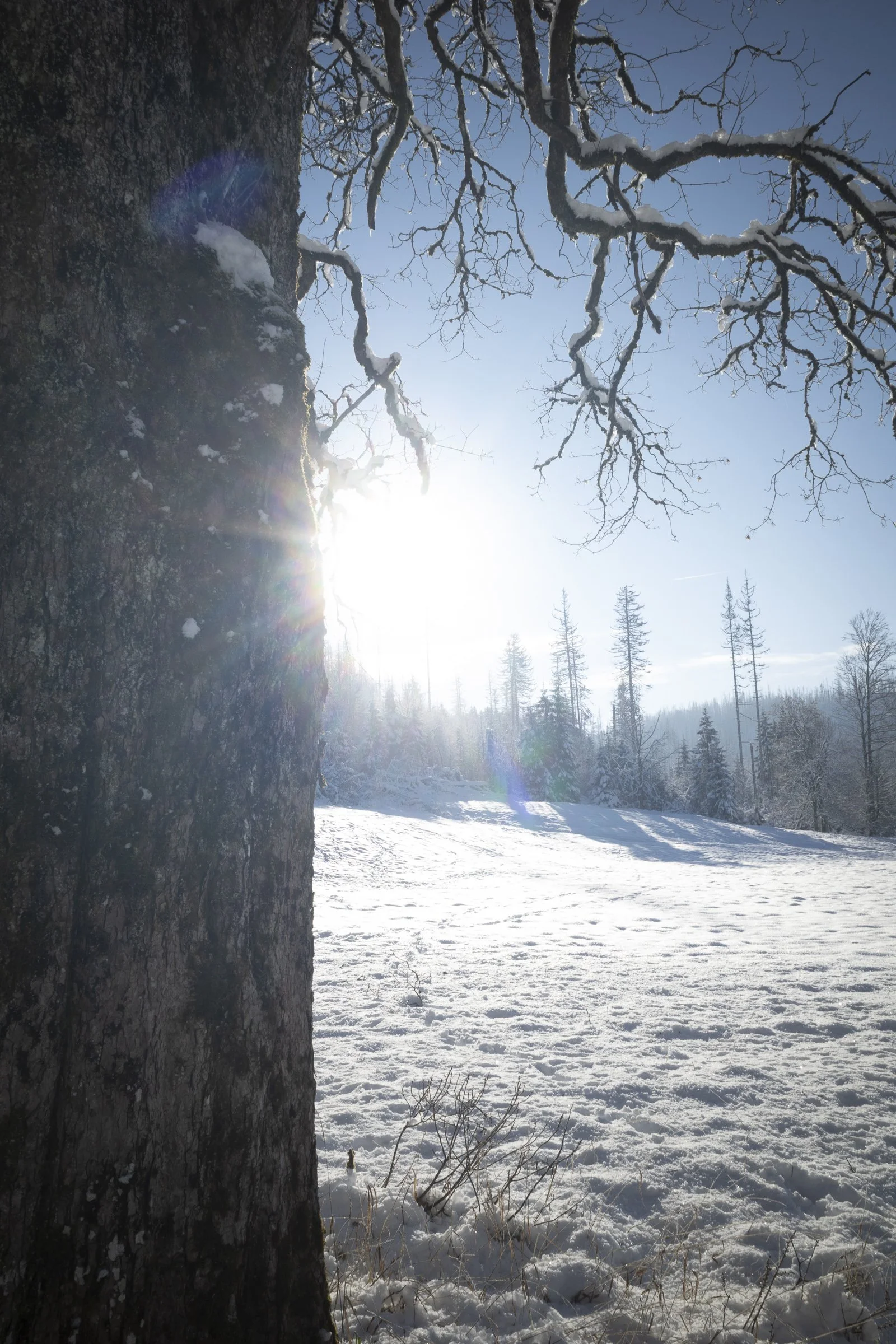
Home of the Hair ice. A beech forest in the Harz mountains.

Hair ice forms on dead or rotten wood and is incredibly delicate.