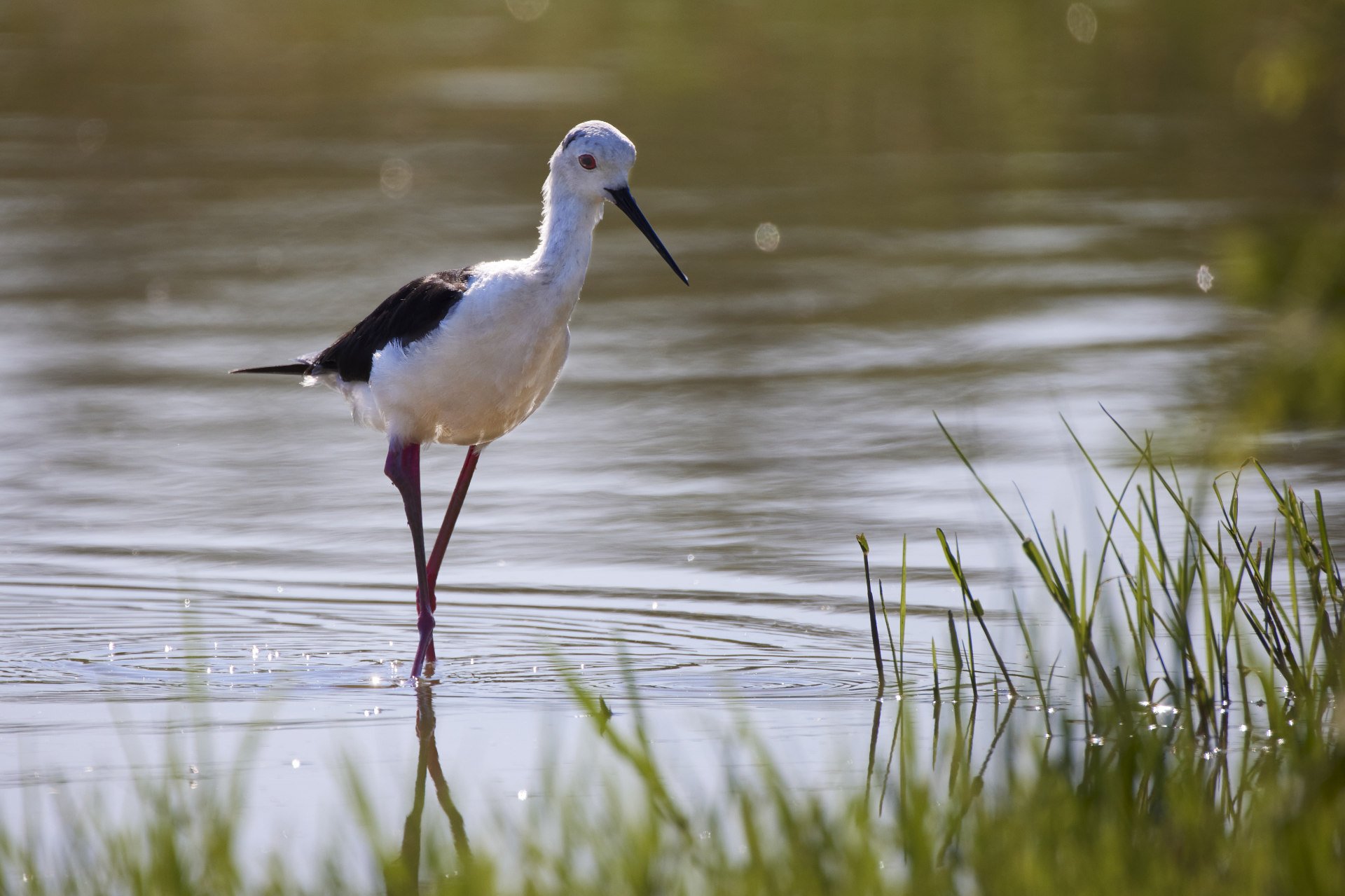
editorial

Nordkalottleden nord. Fall tour from Abisko to Kautokeino /  by Arne Bischoff

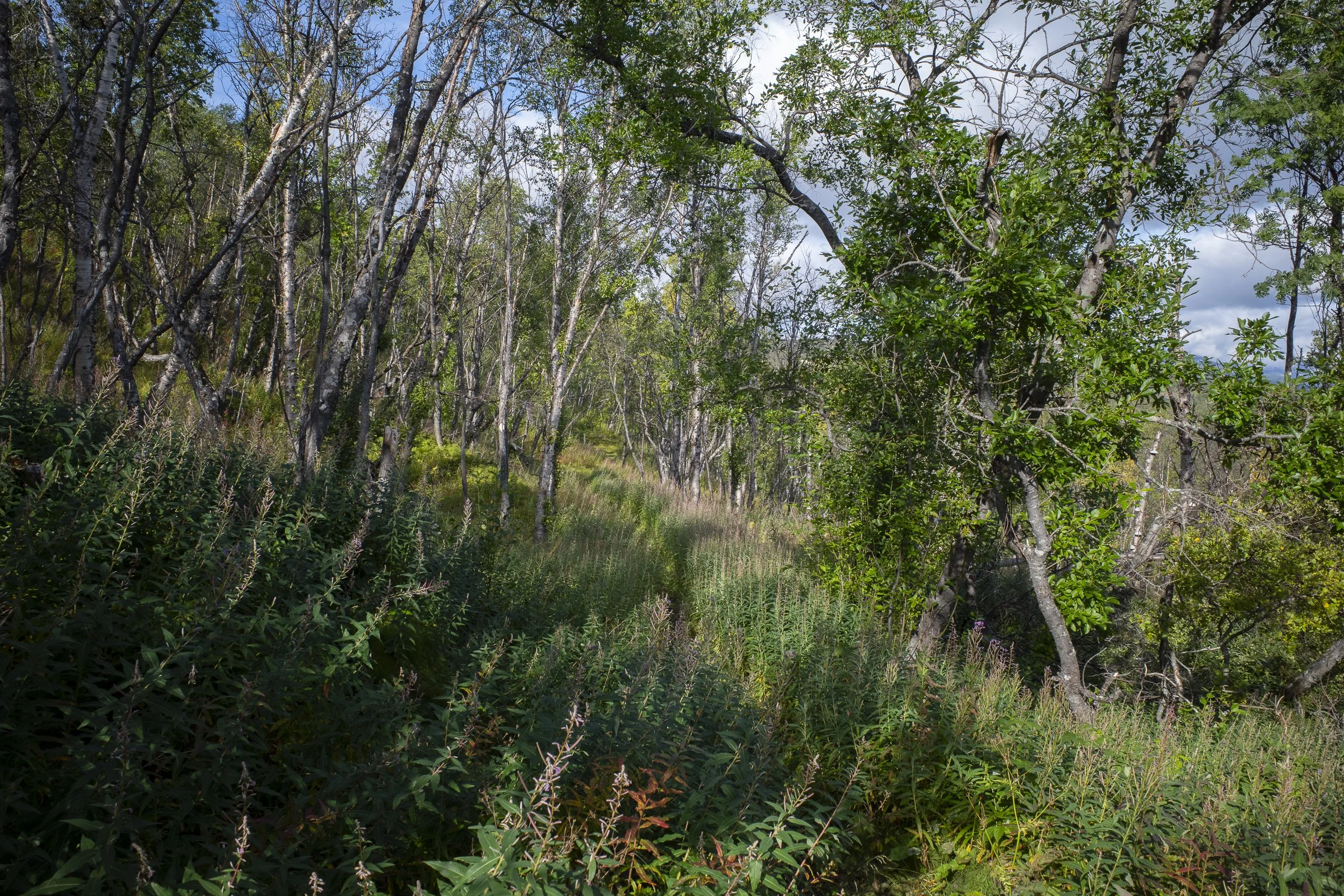
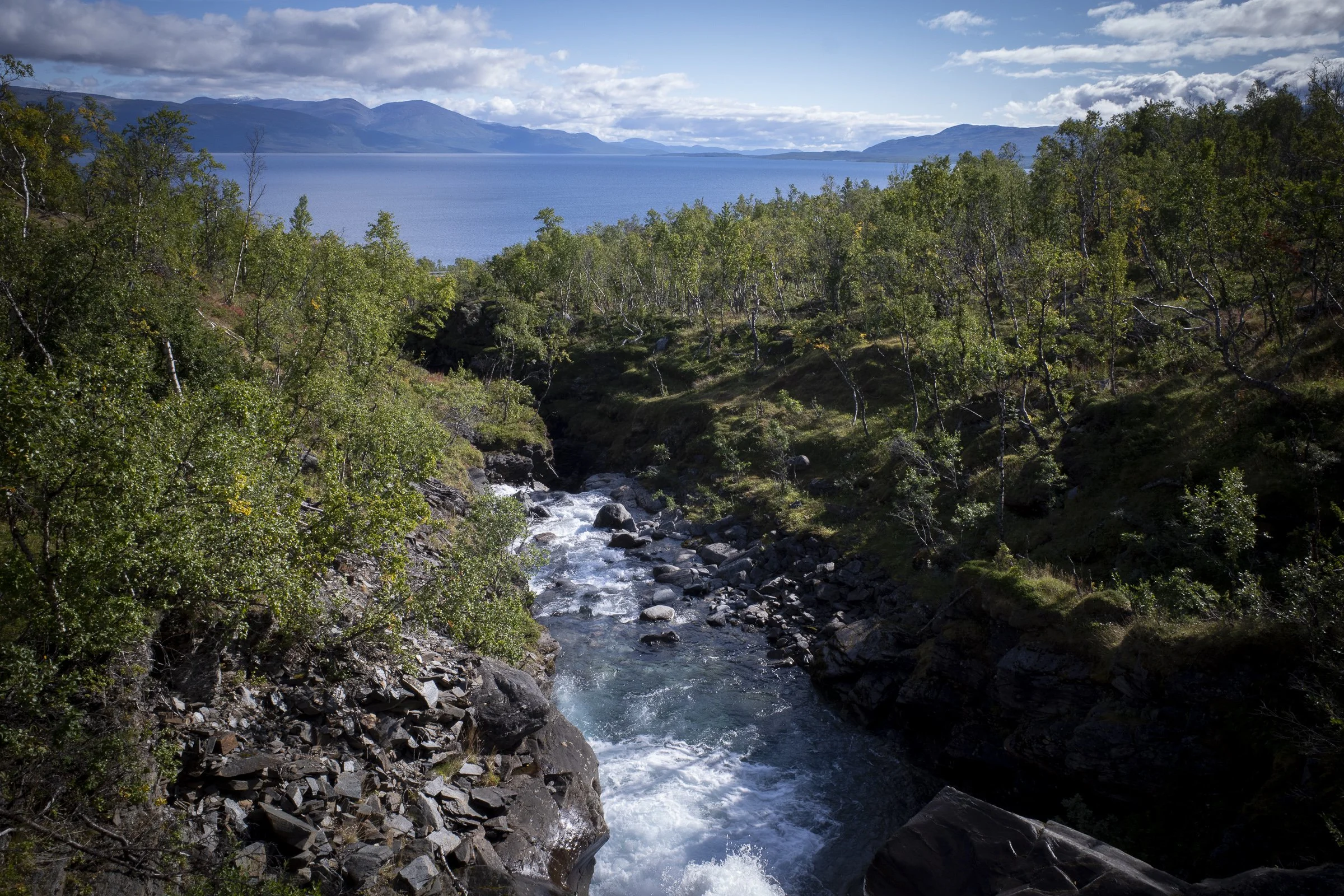
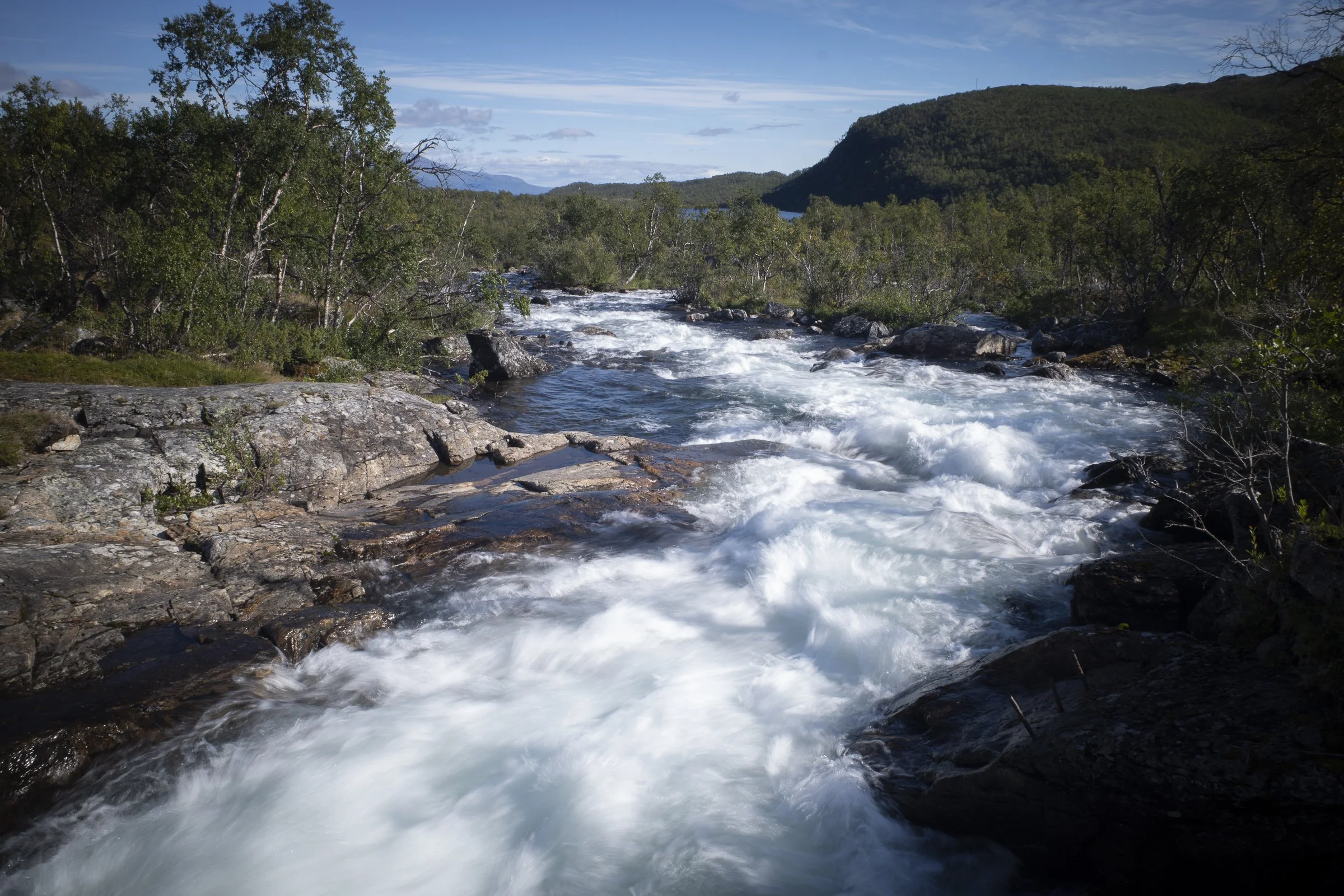
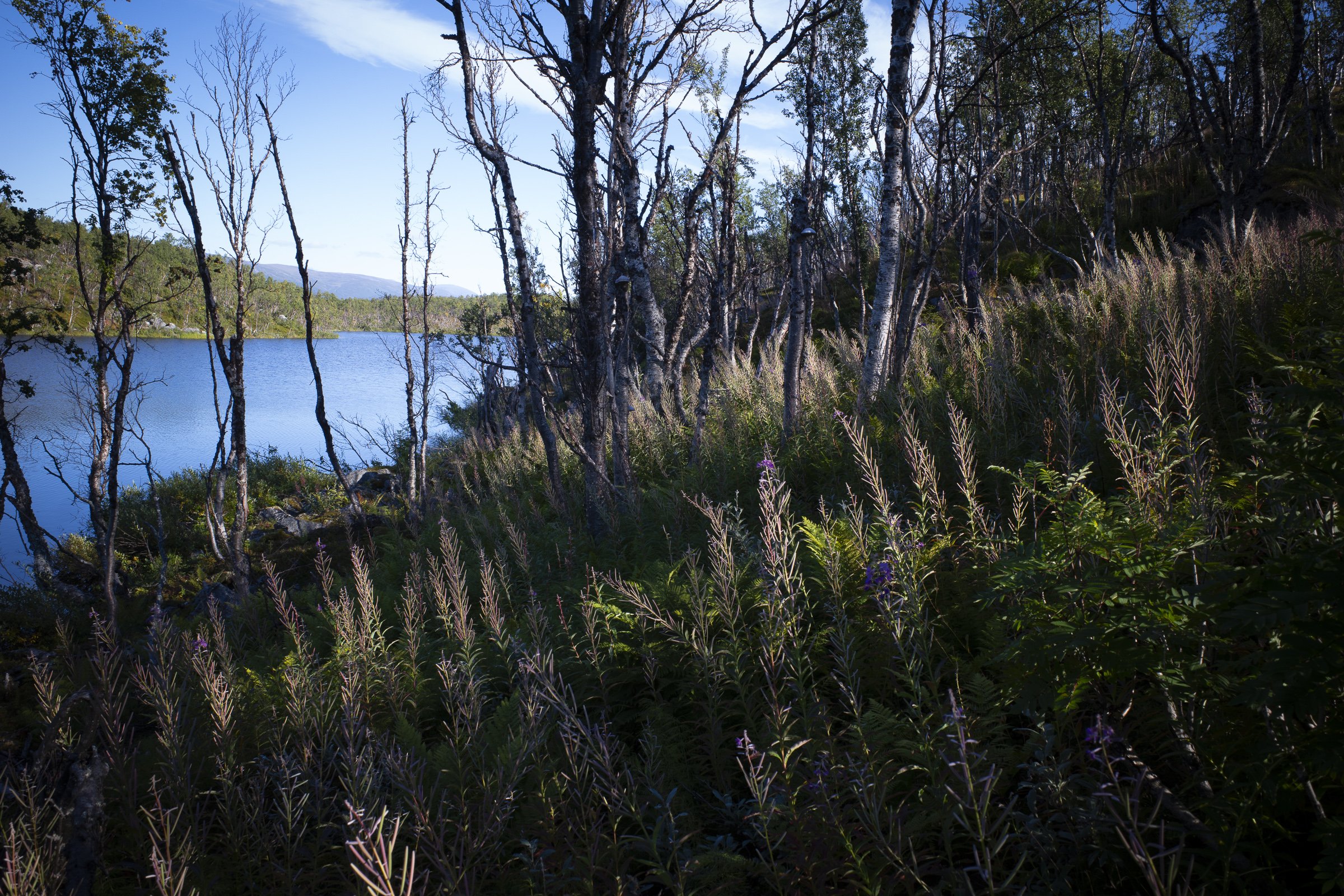
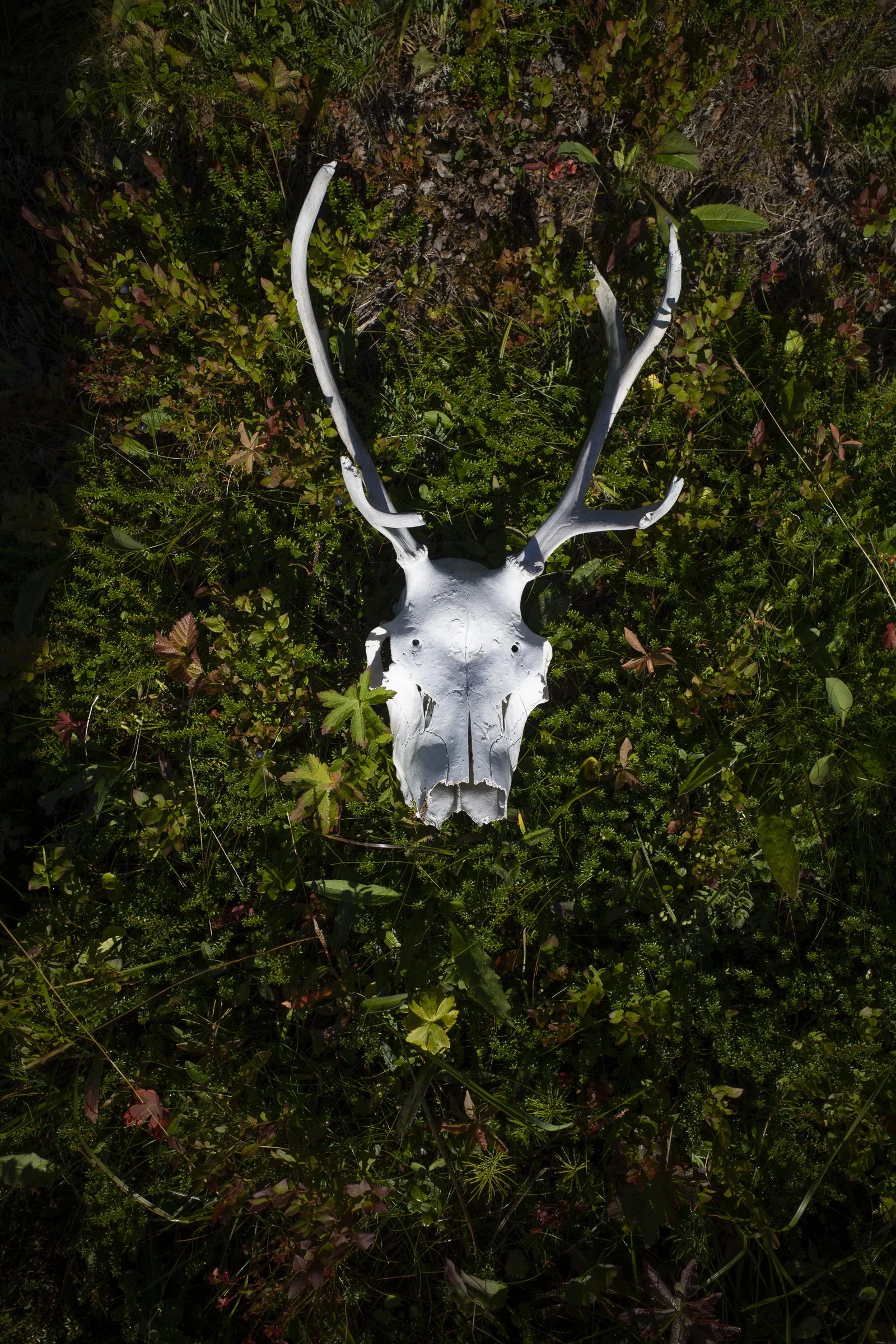
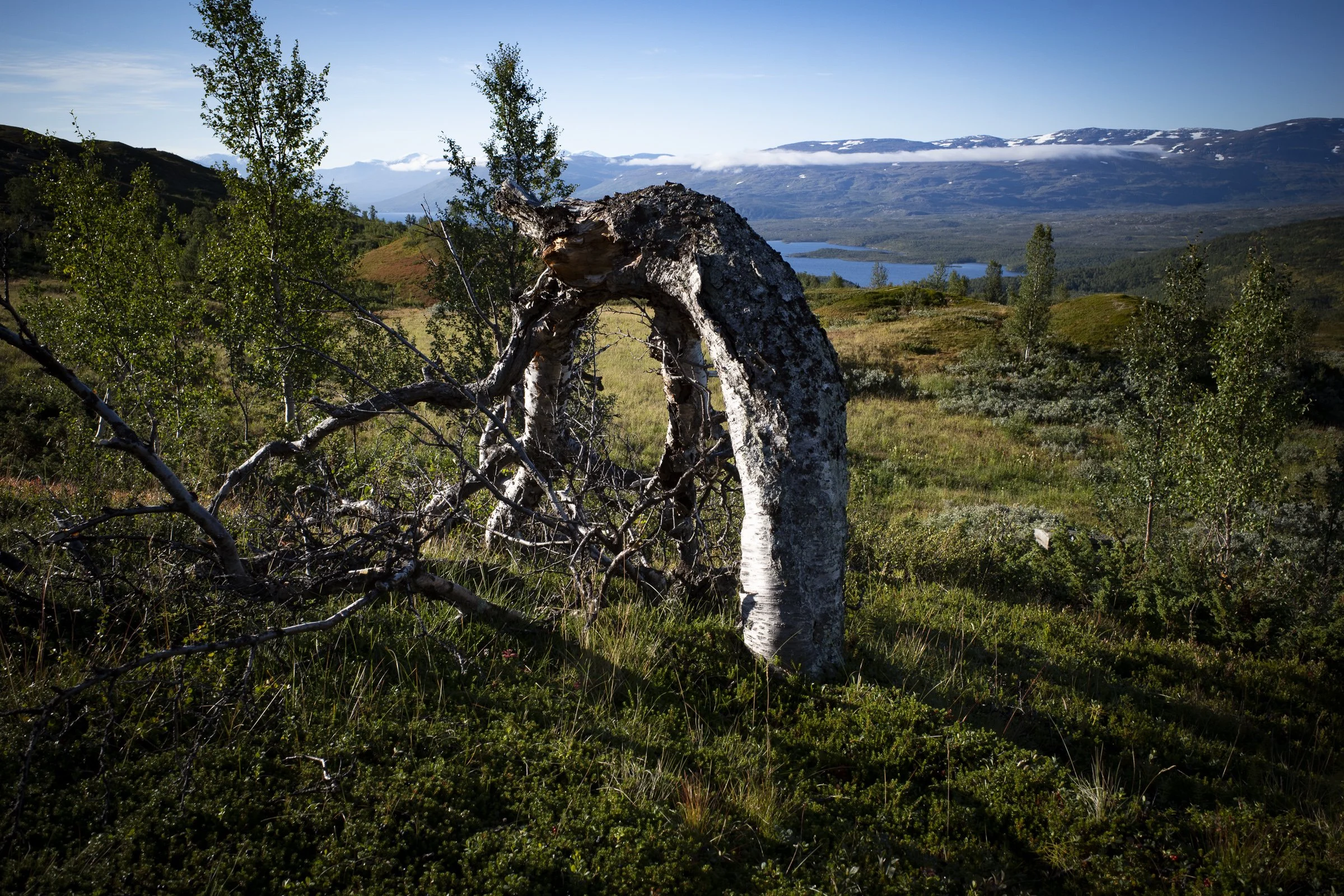
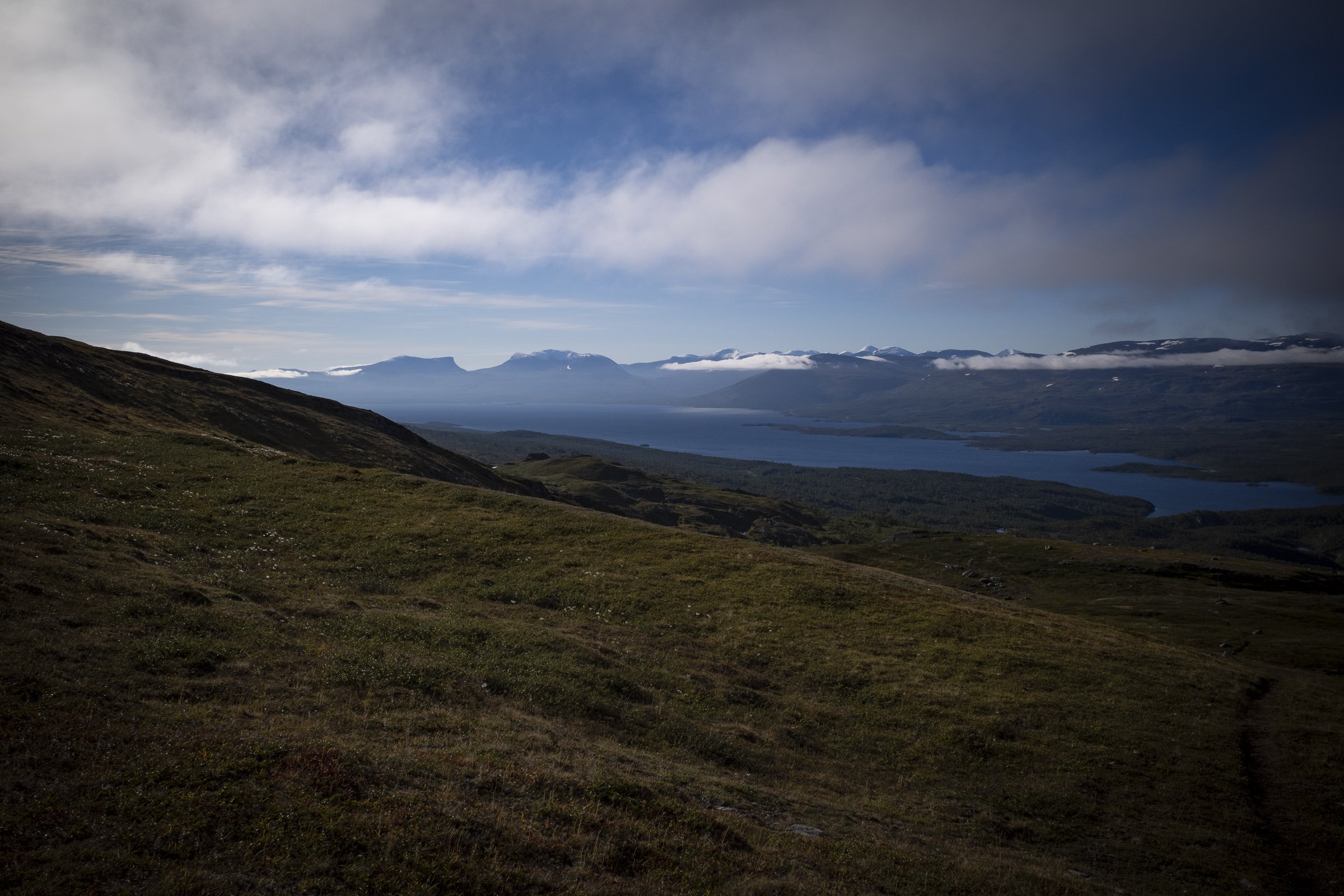
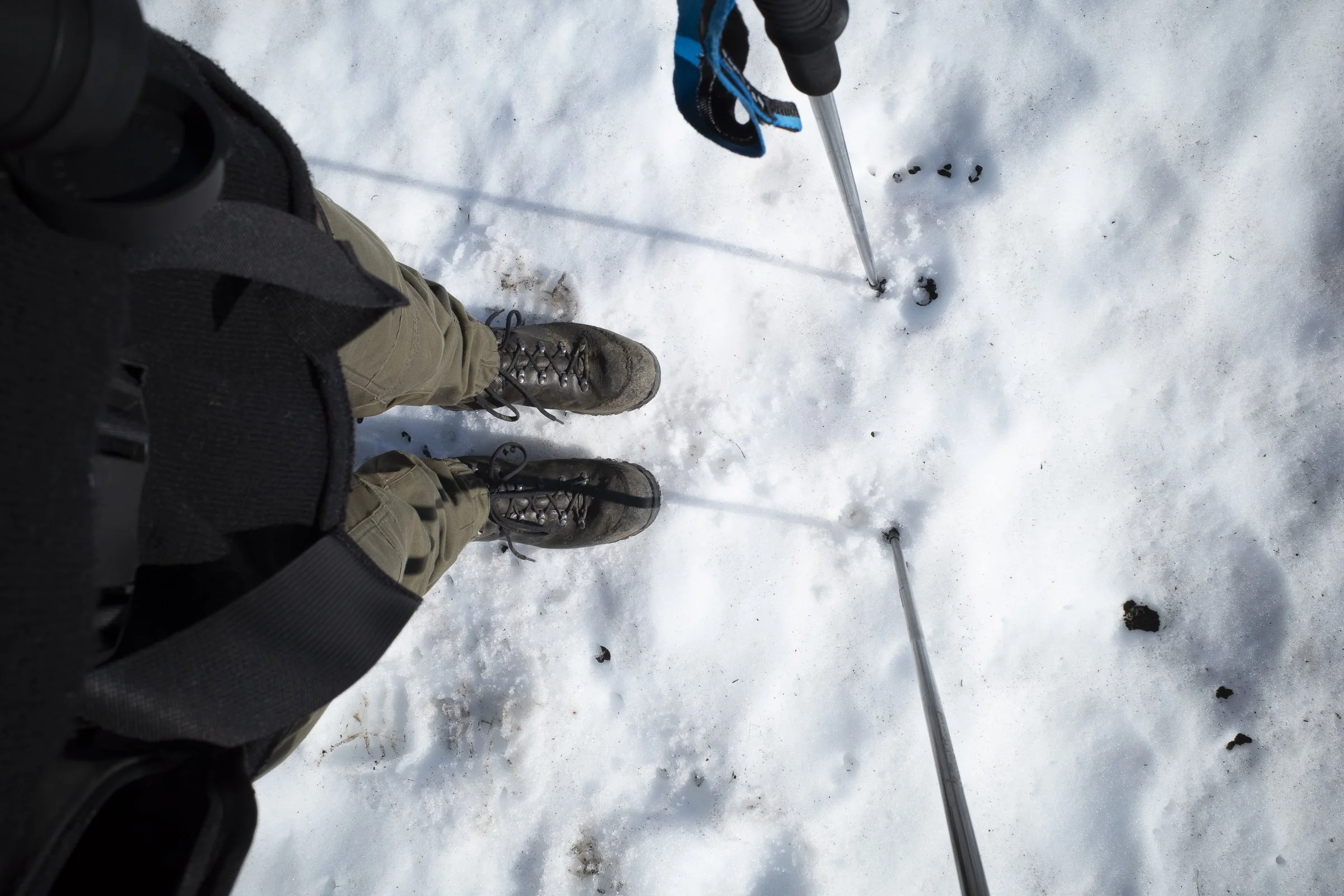
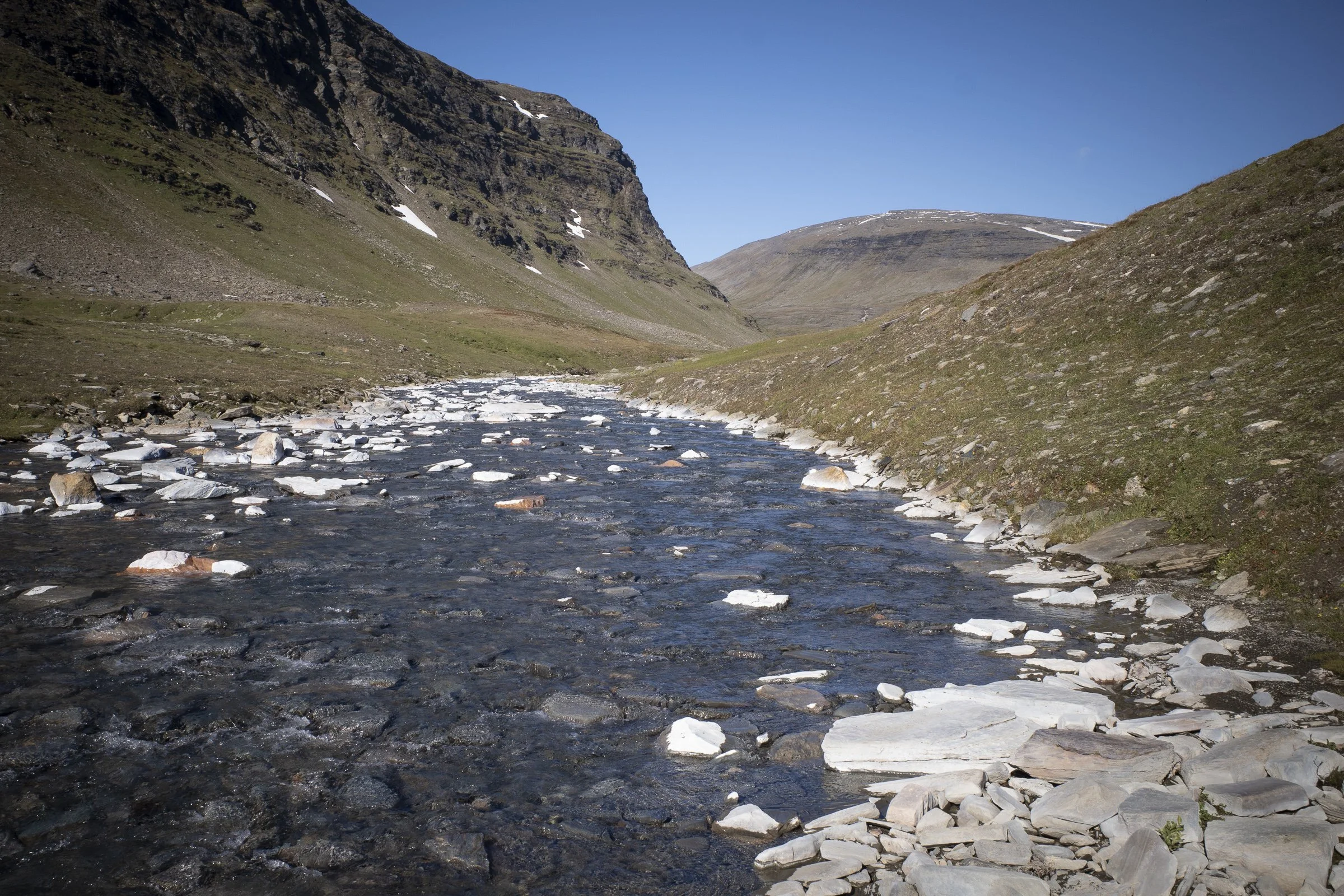
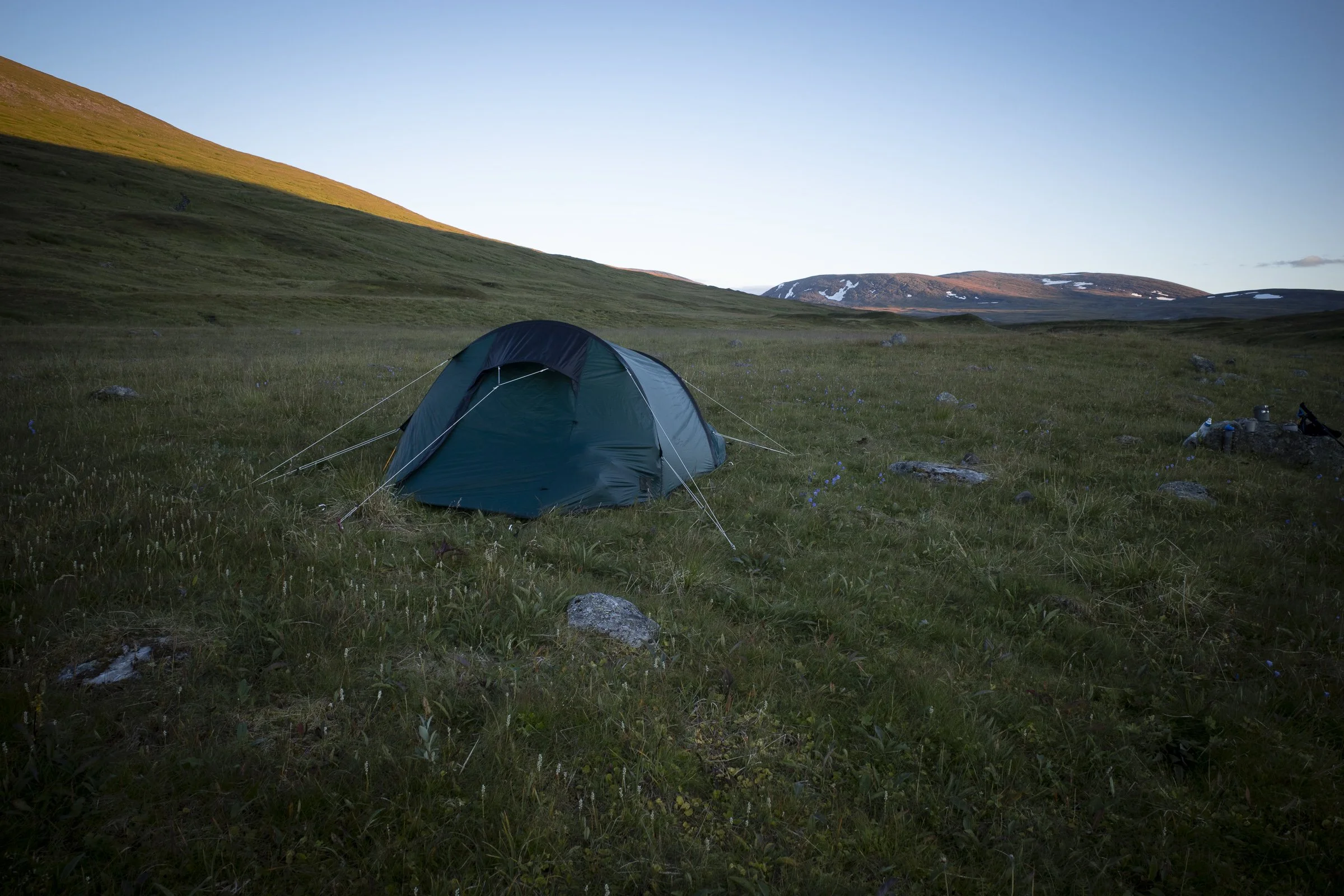
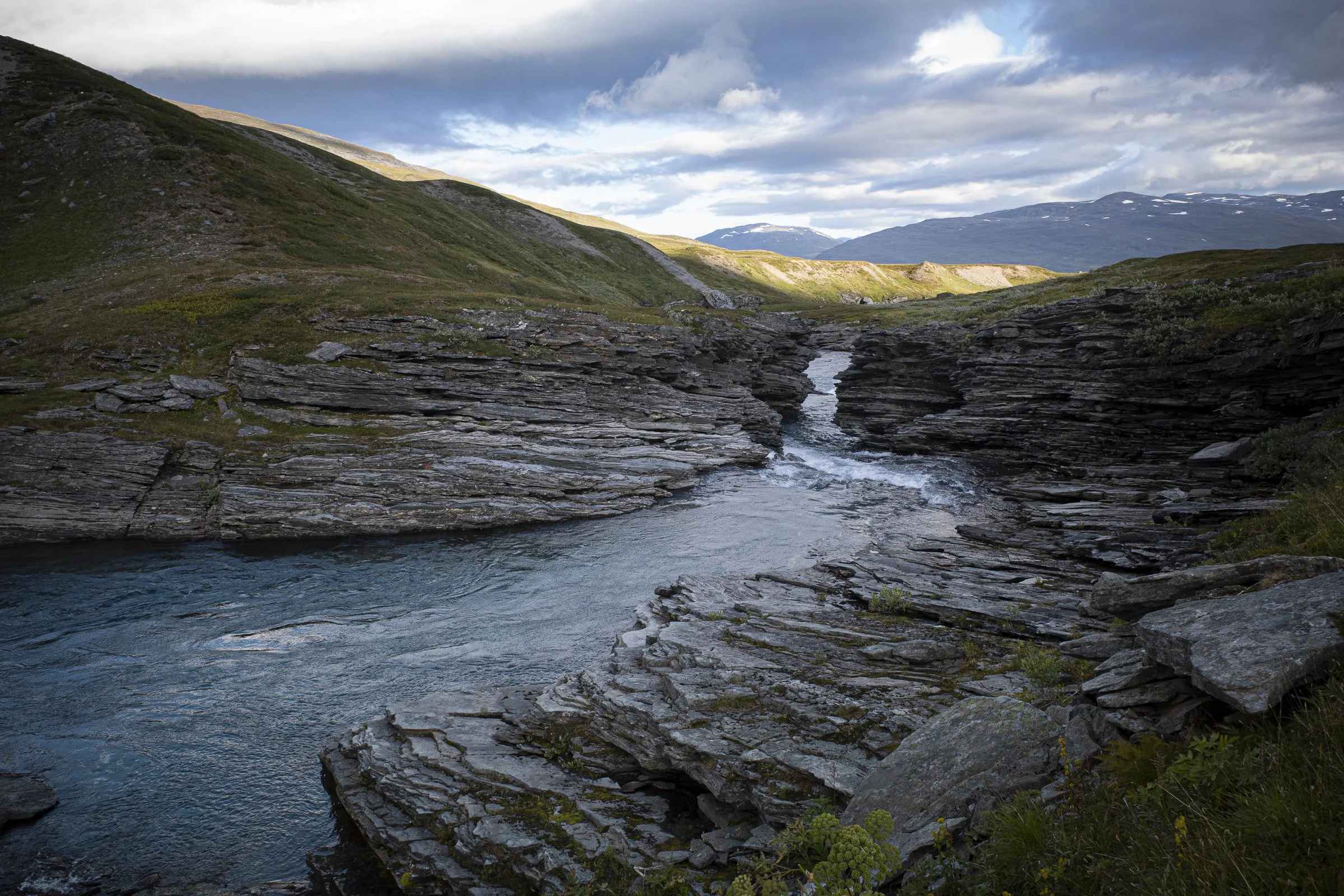
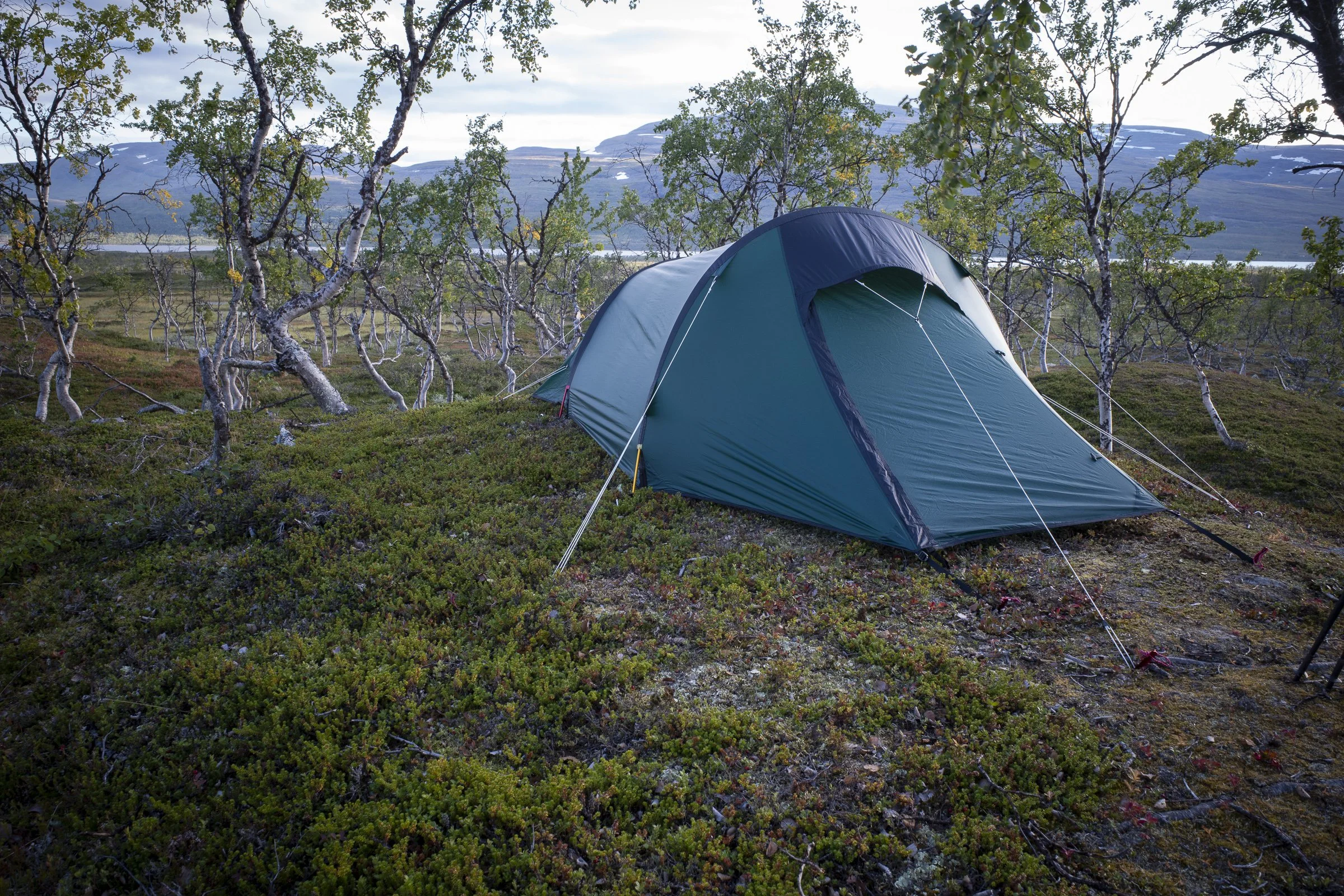
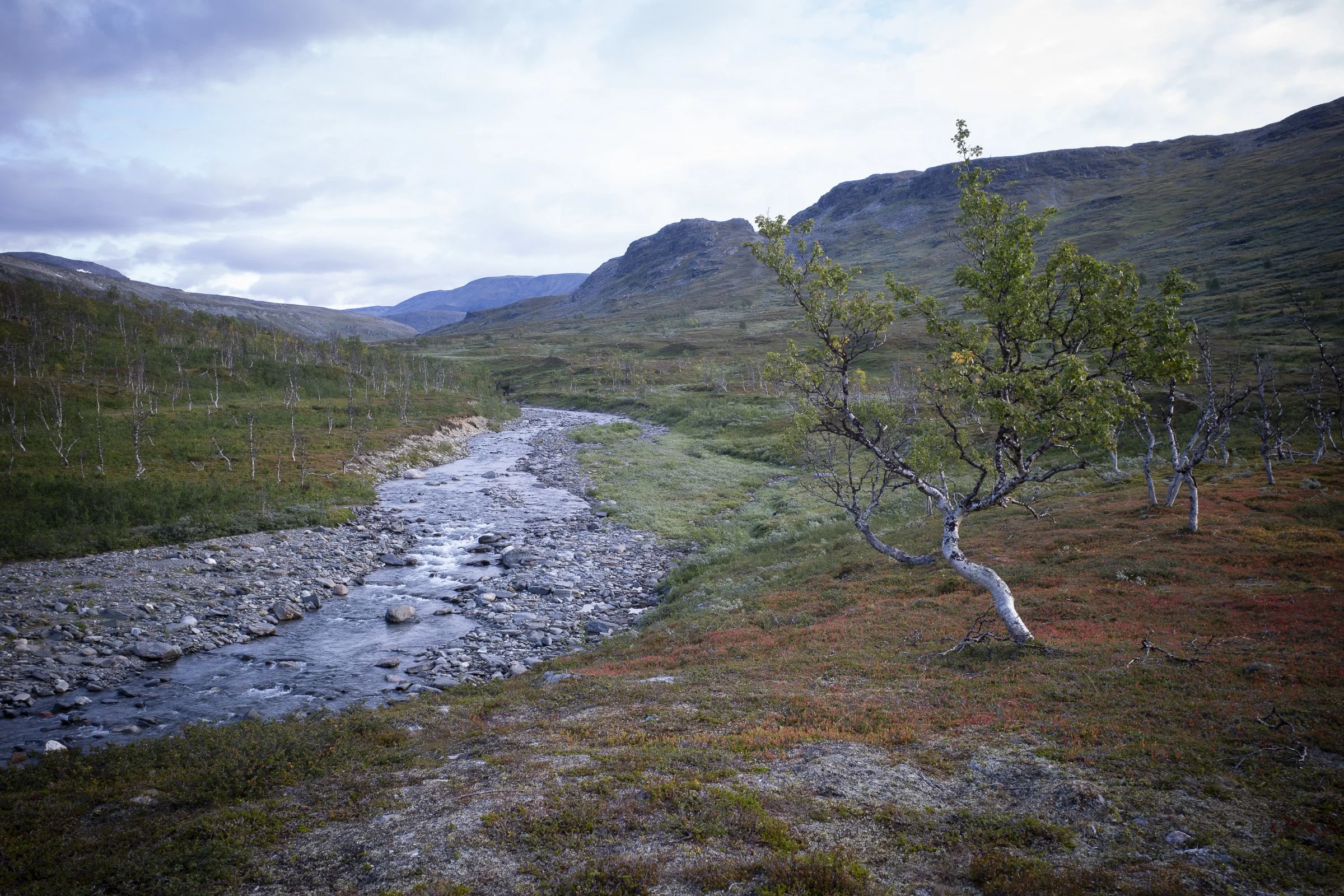
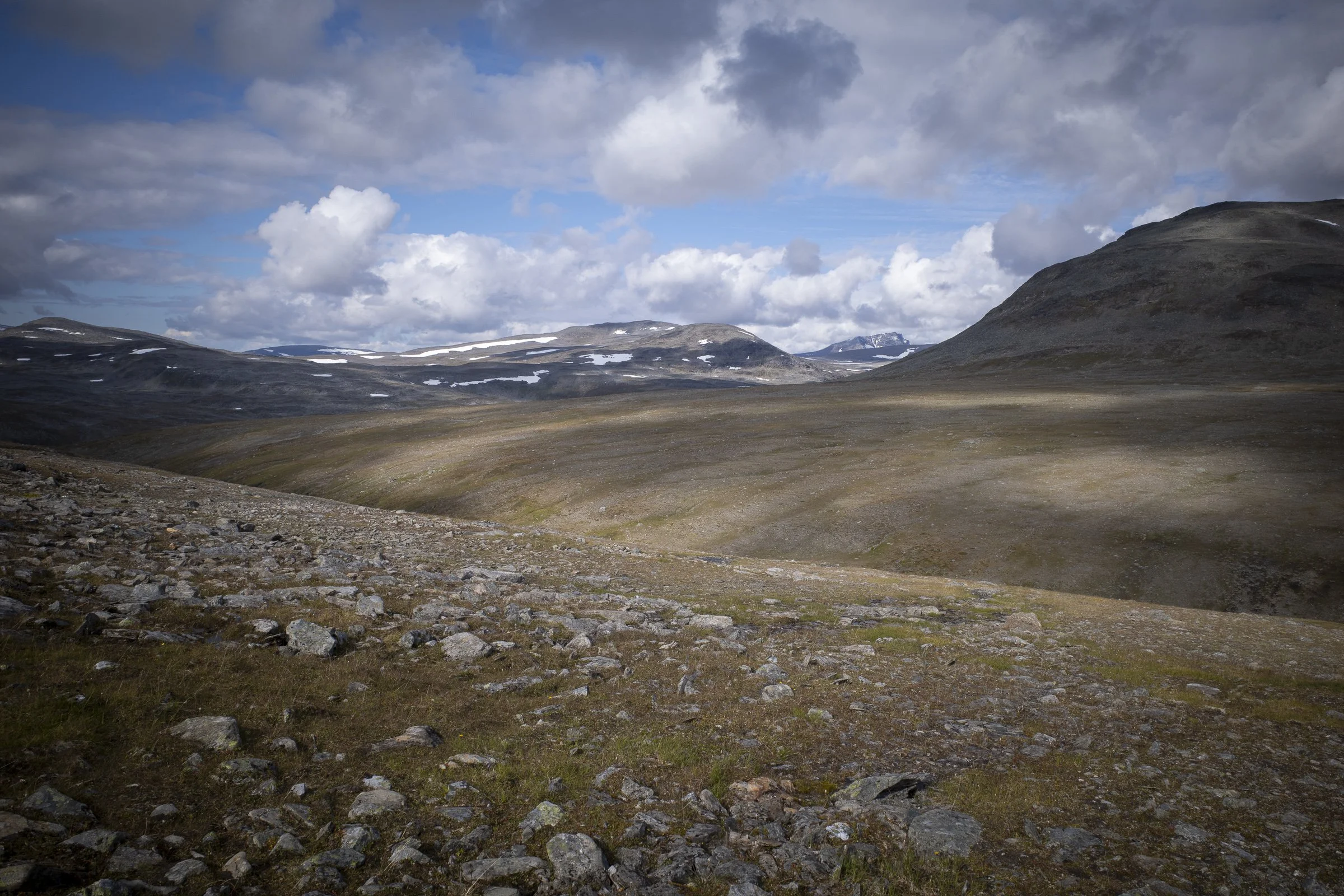
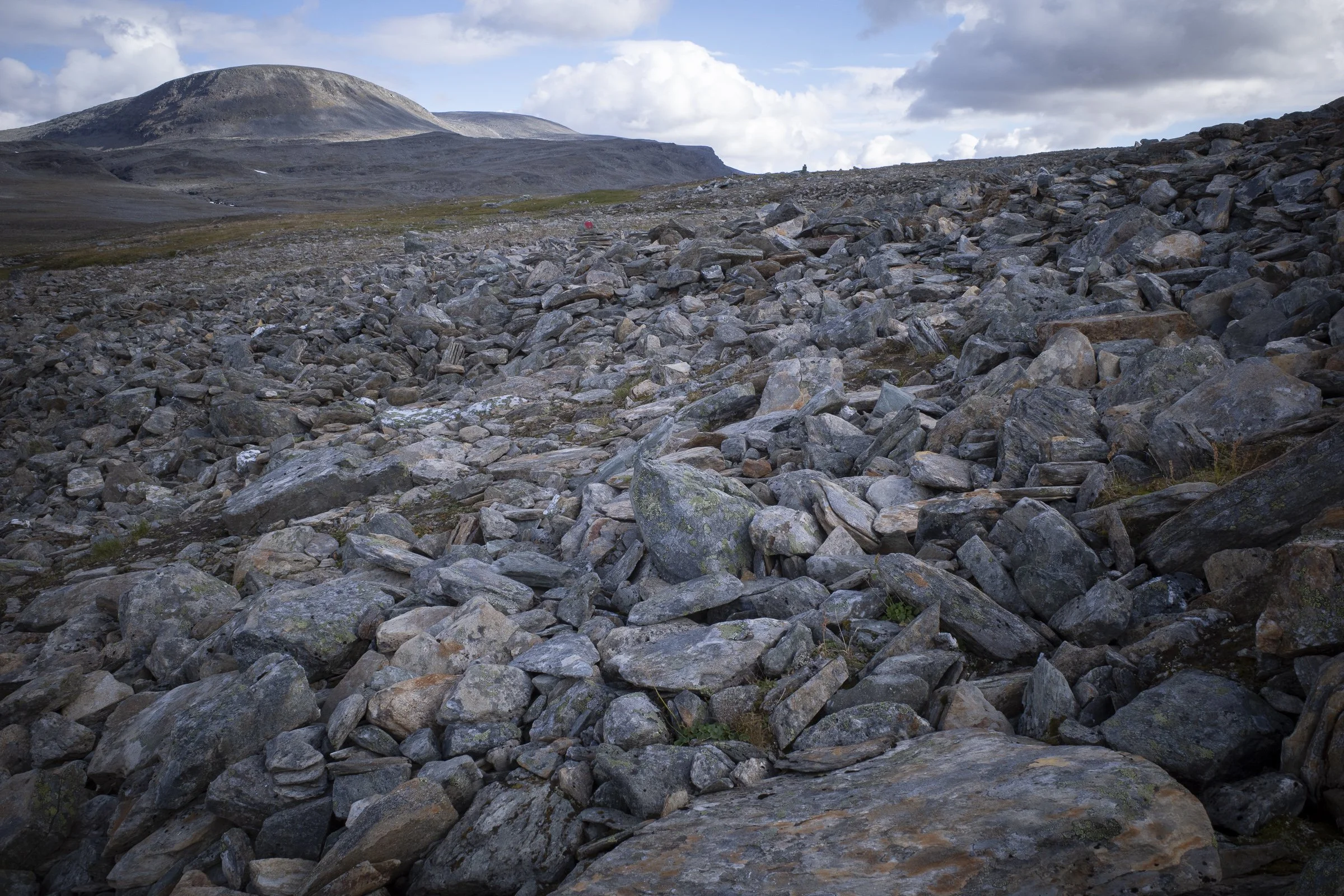
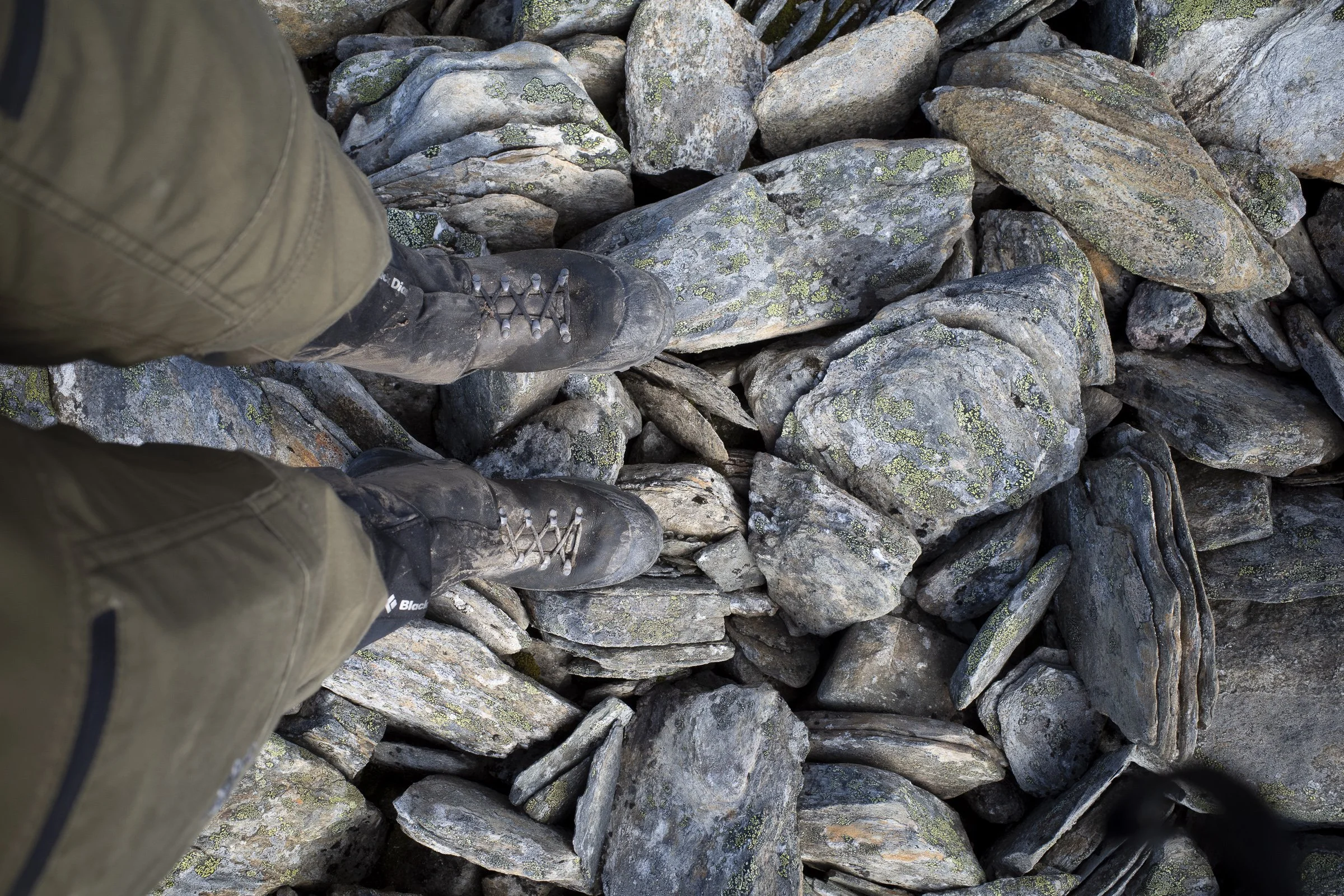
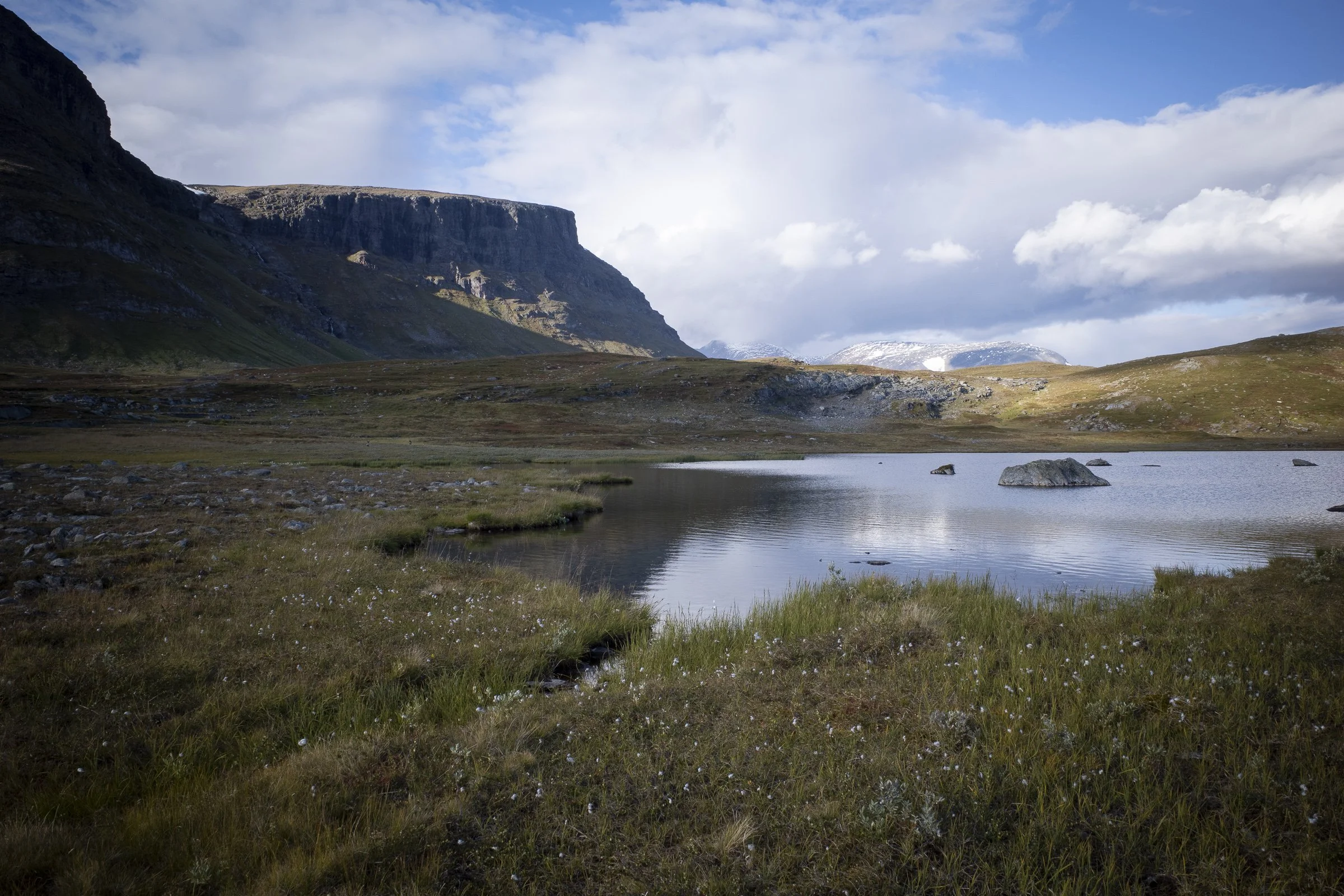
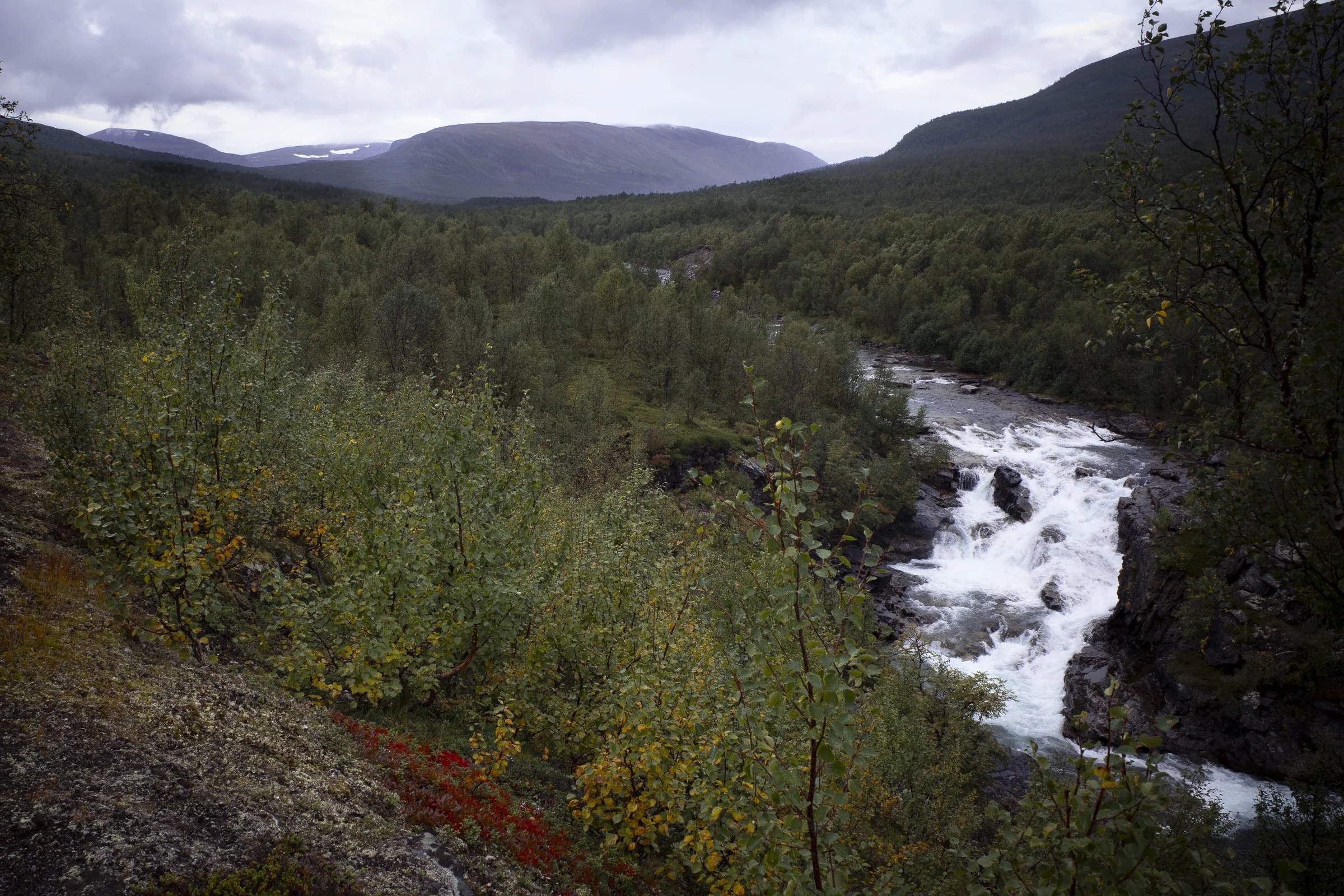
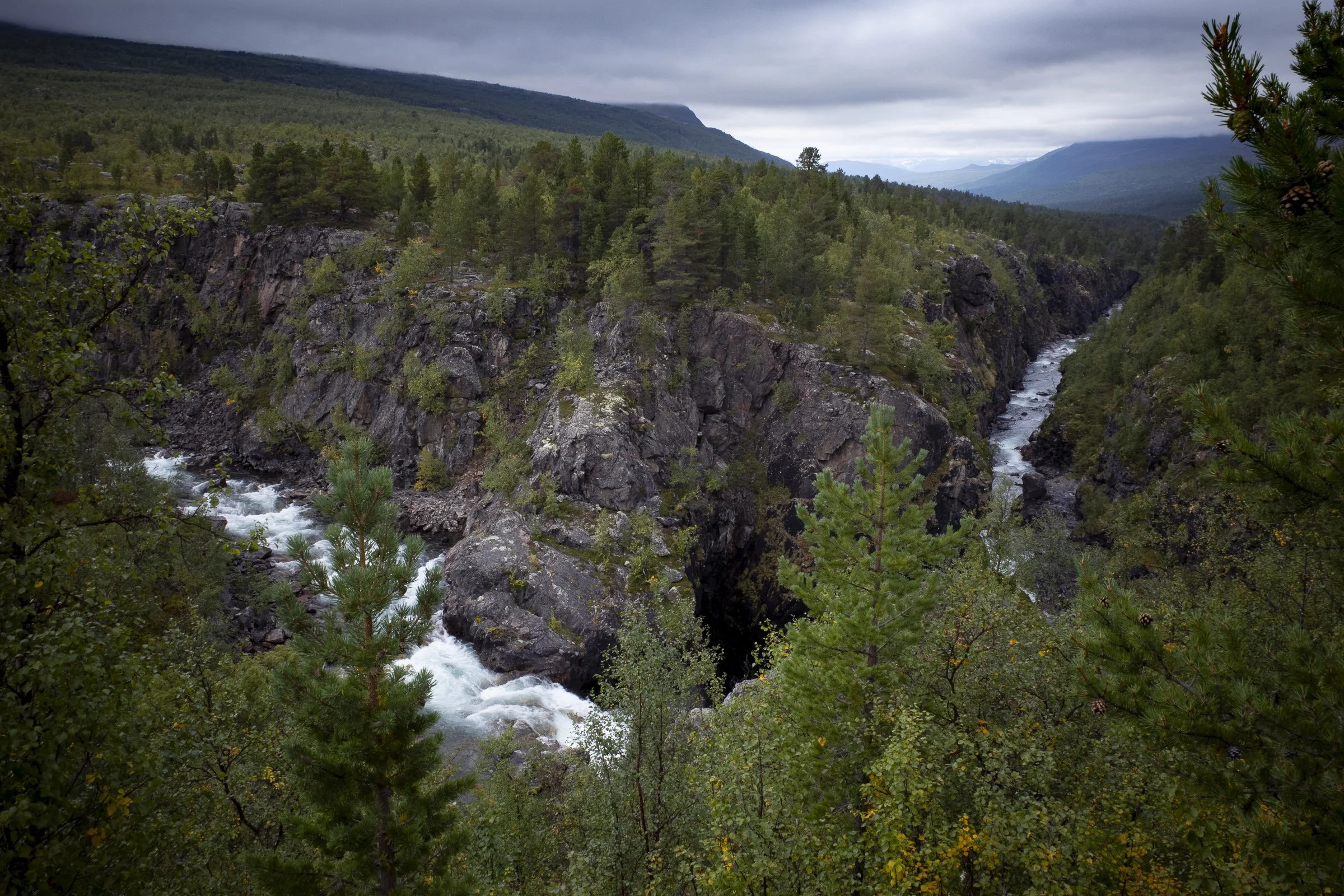
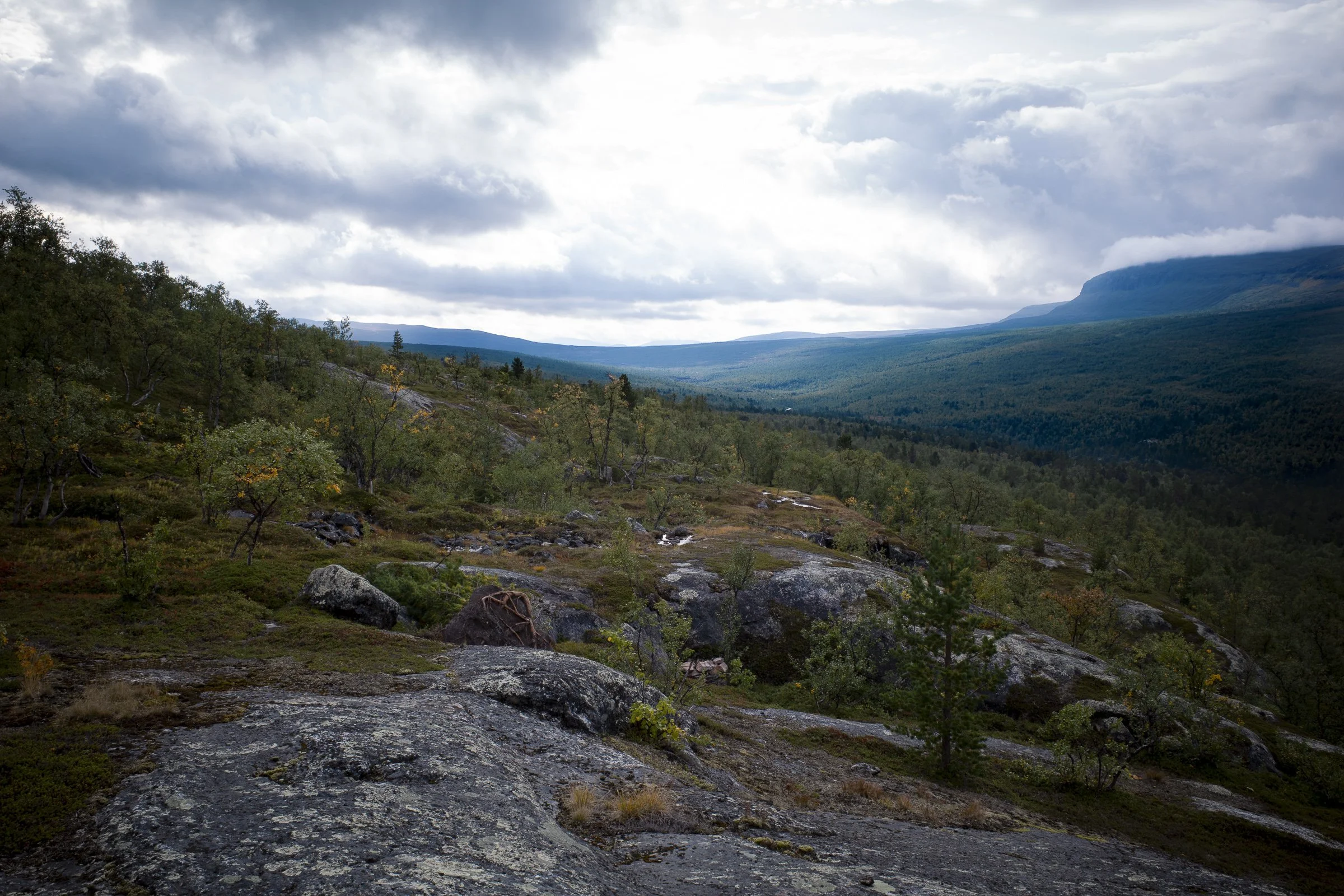
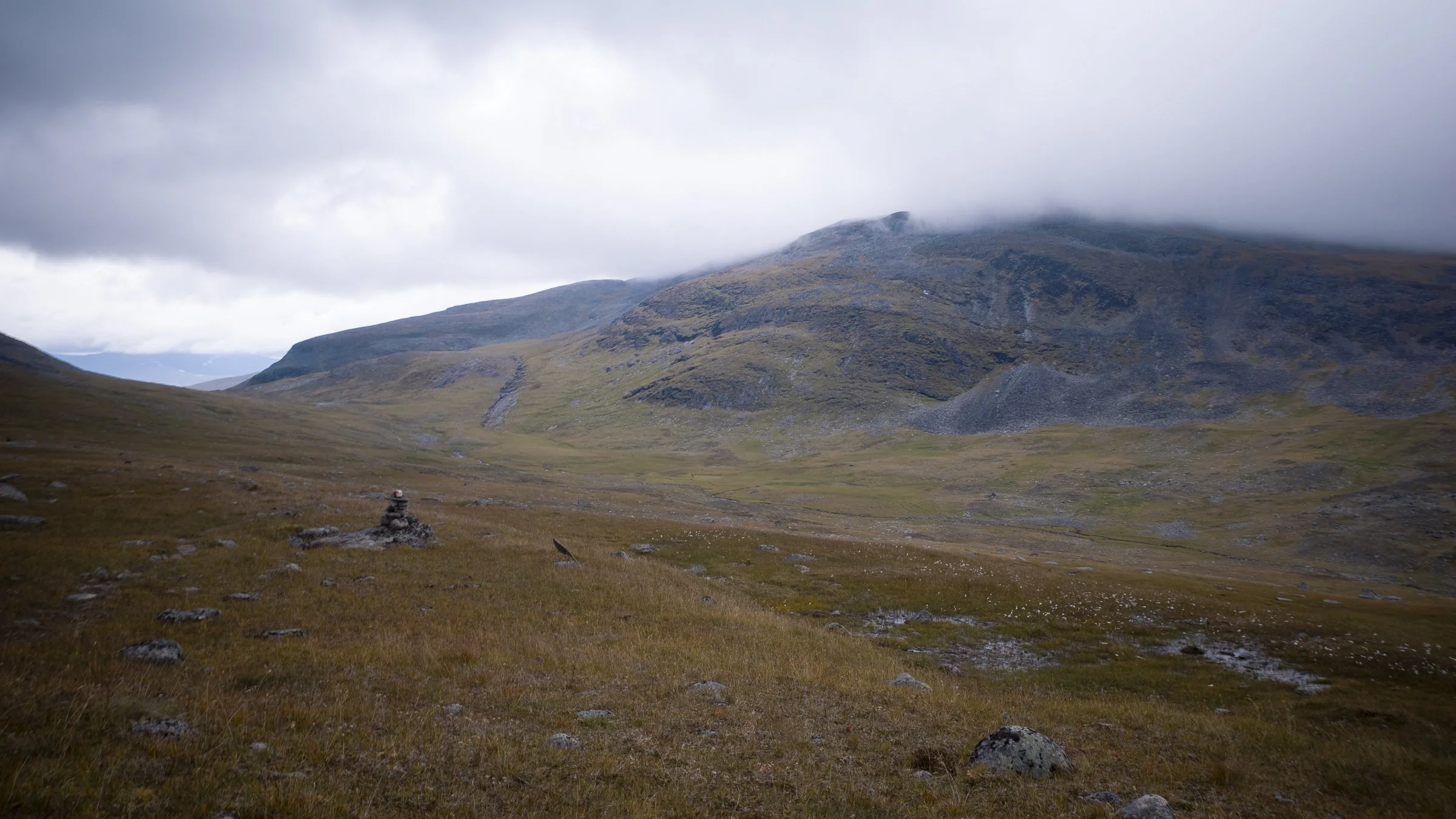
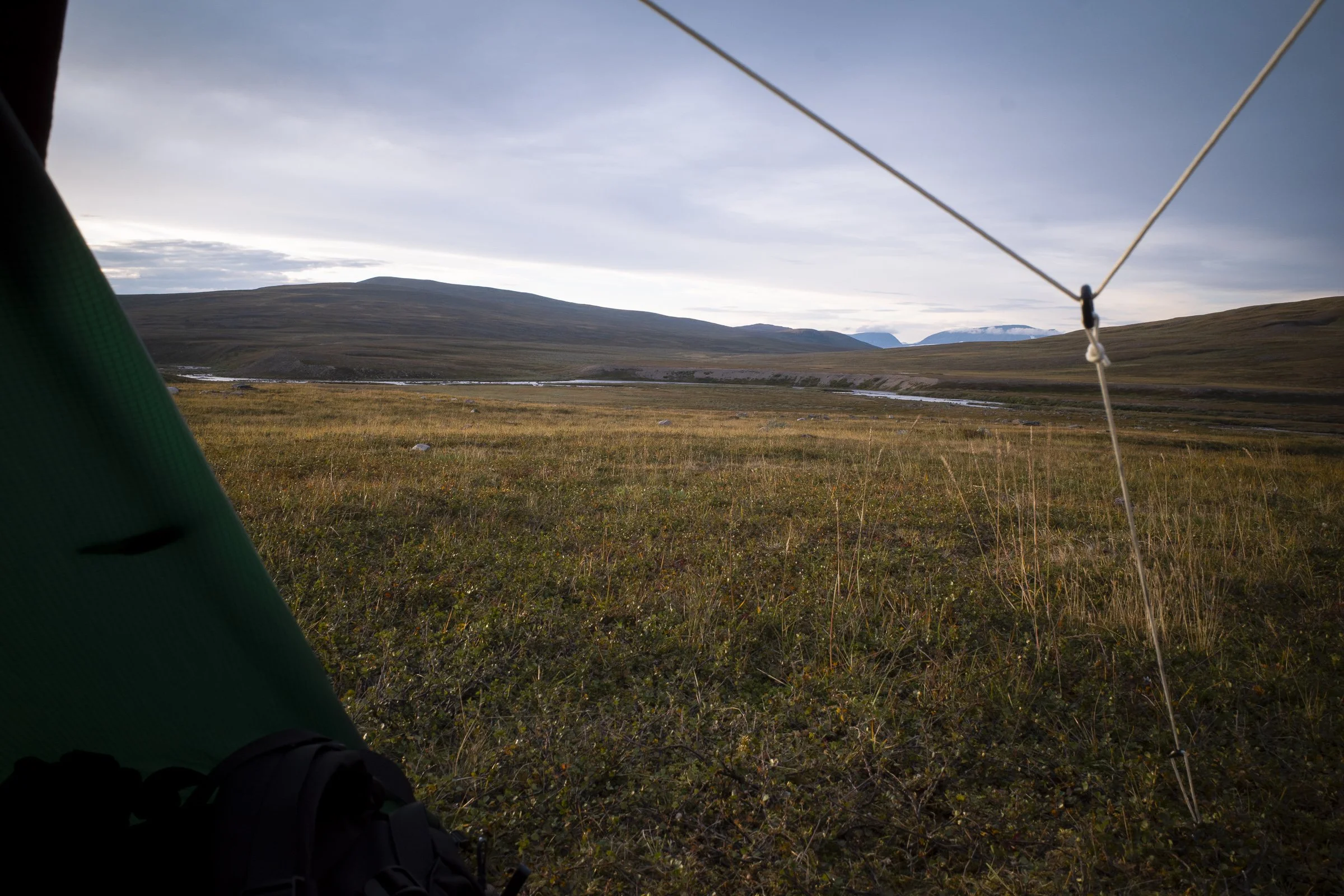
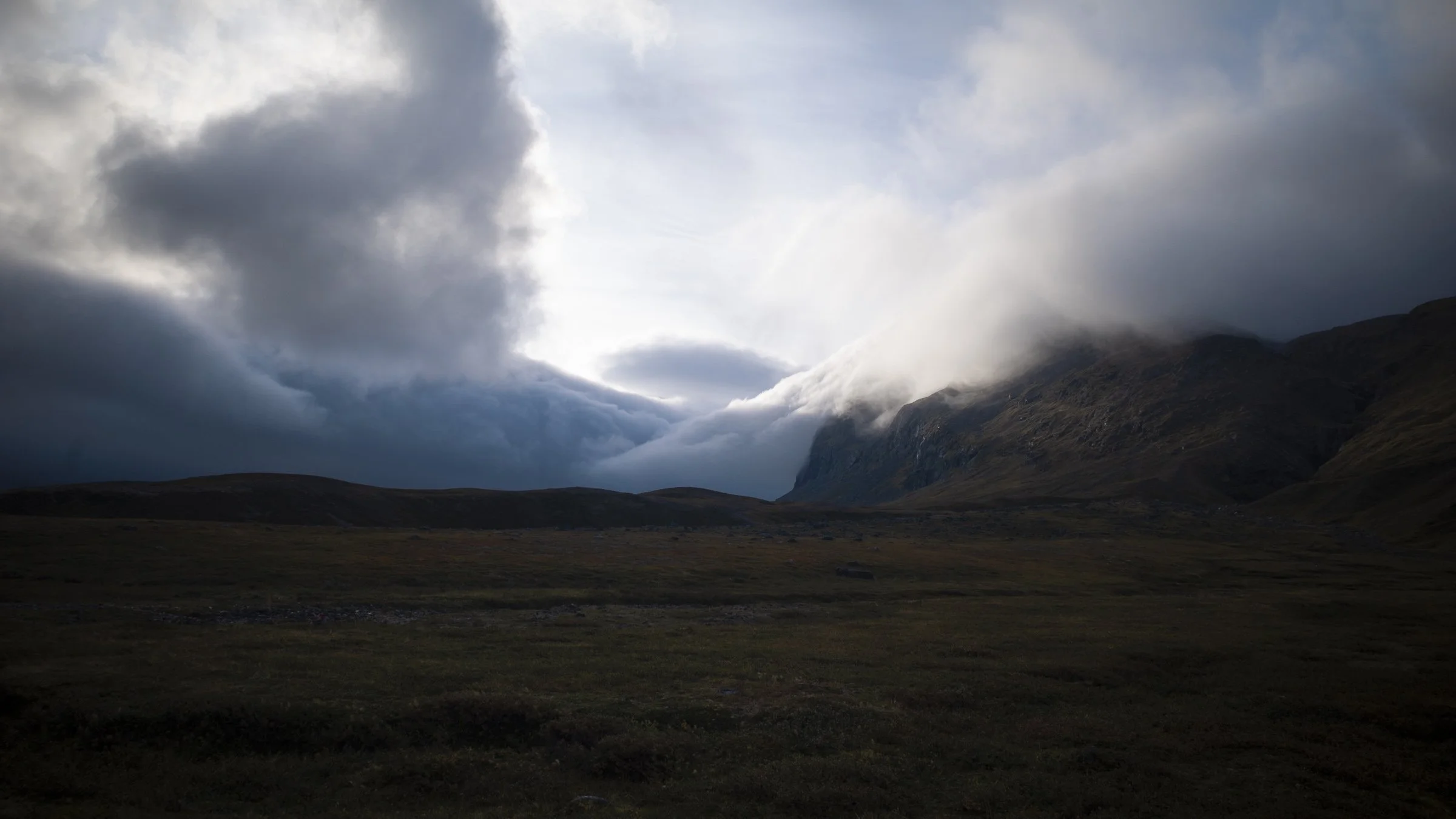
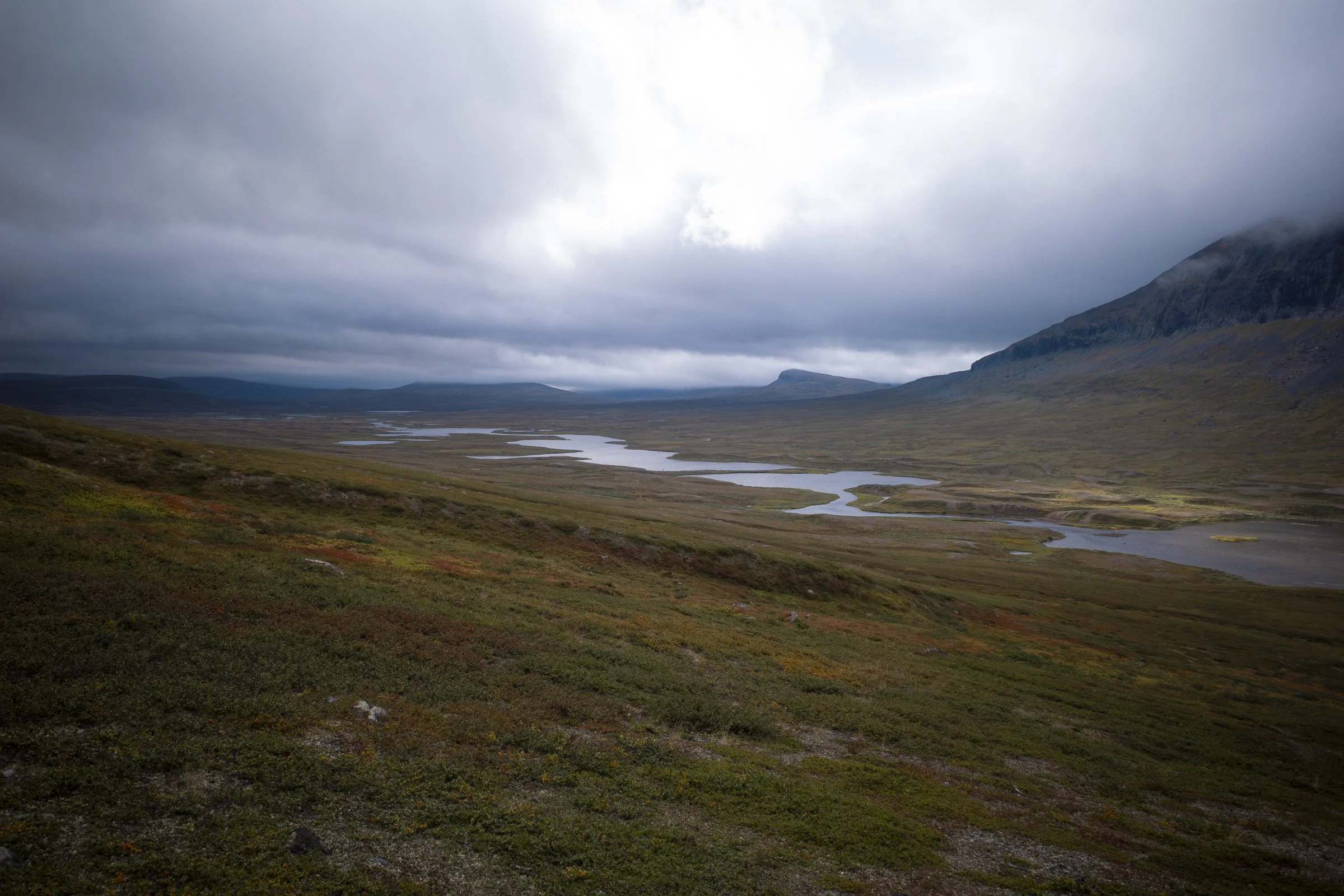
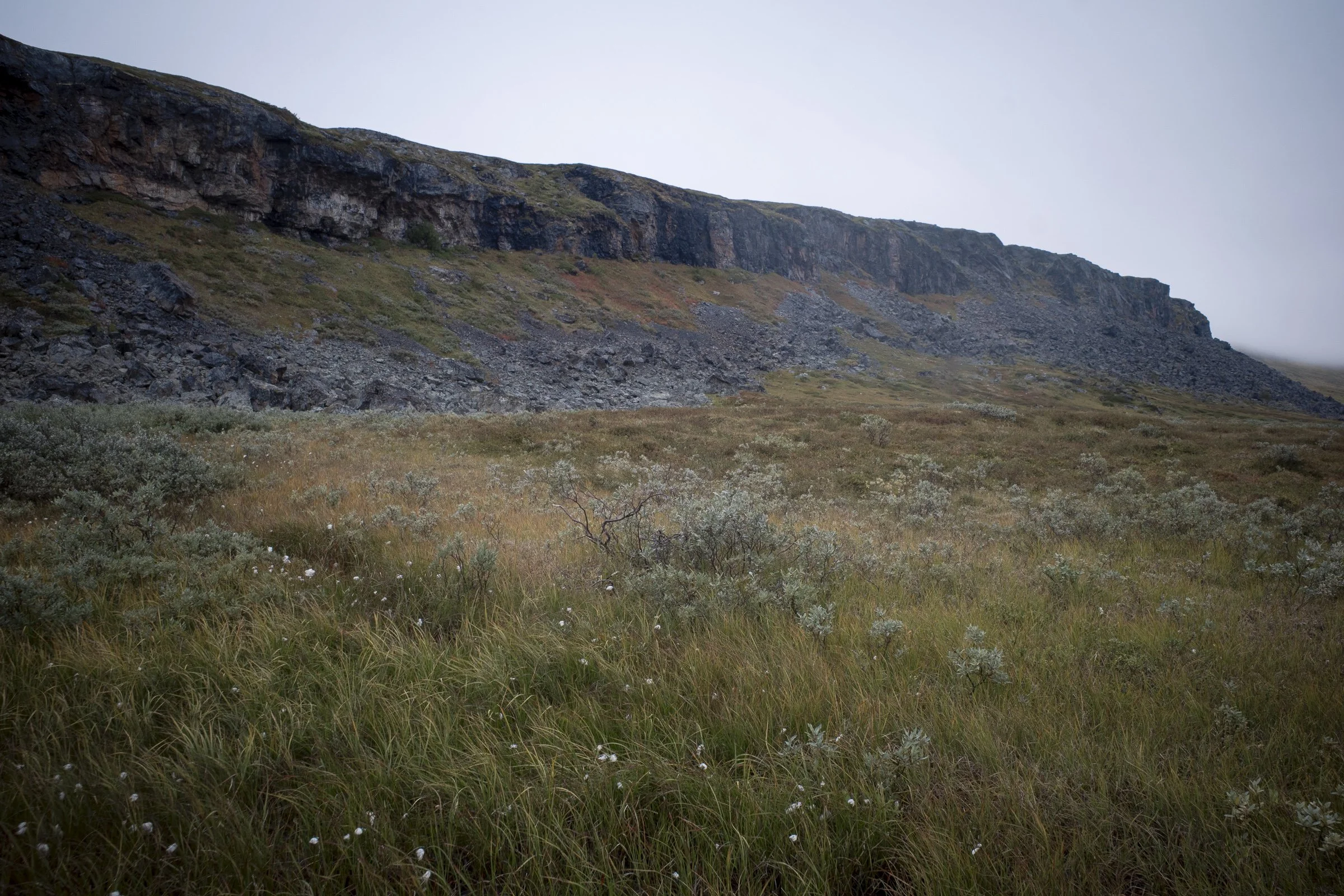
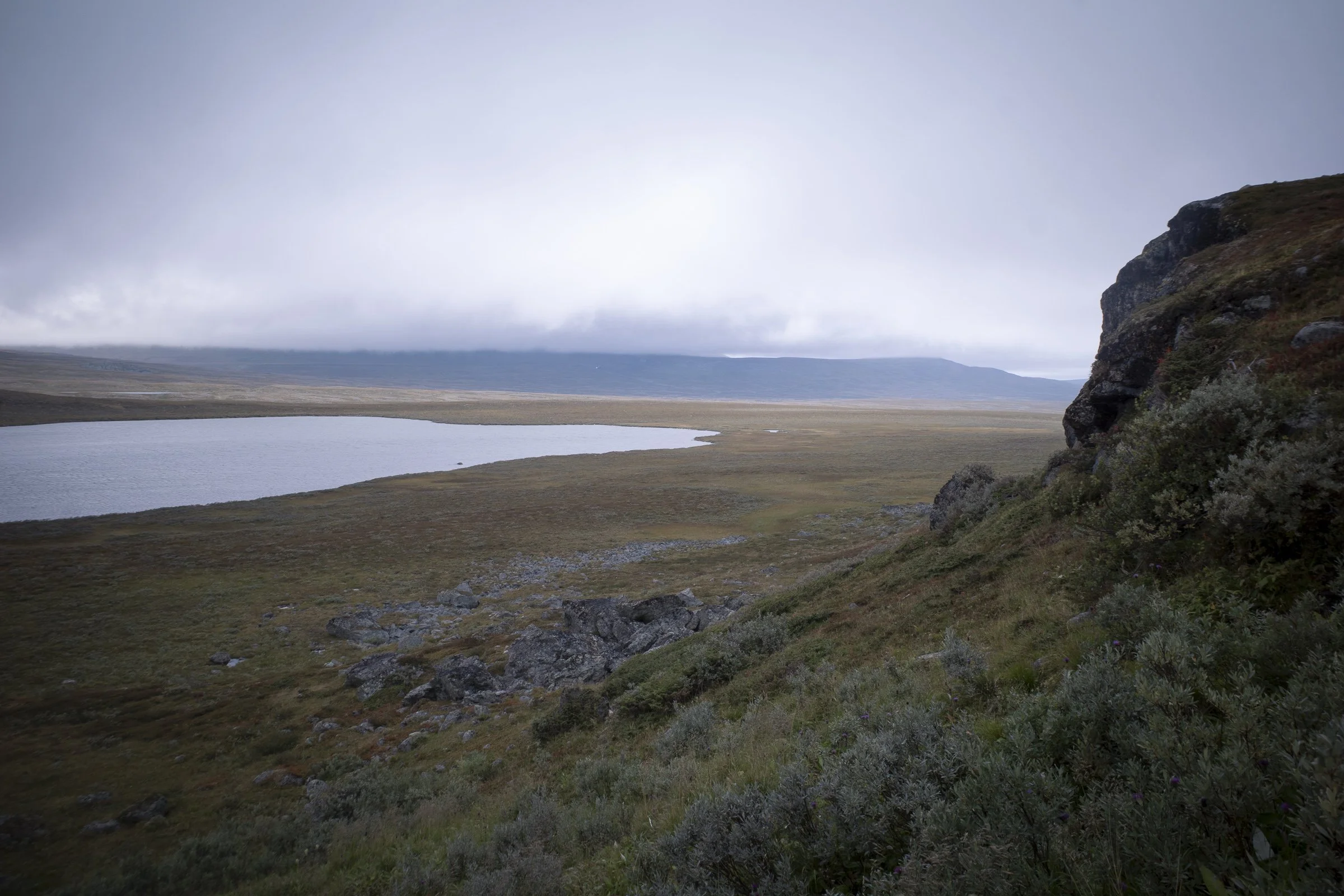
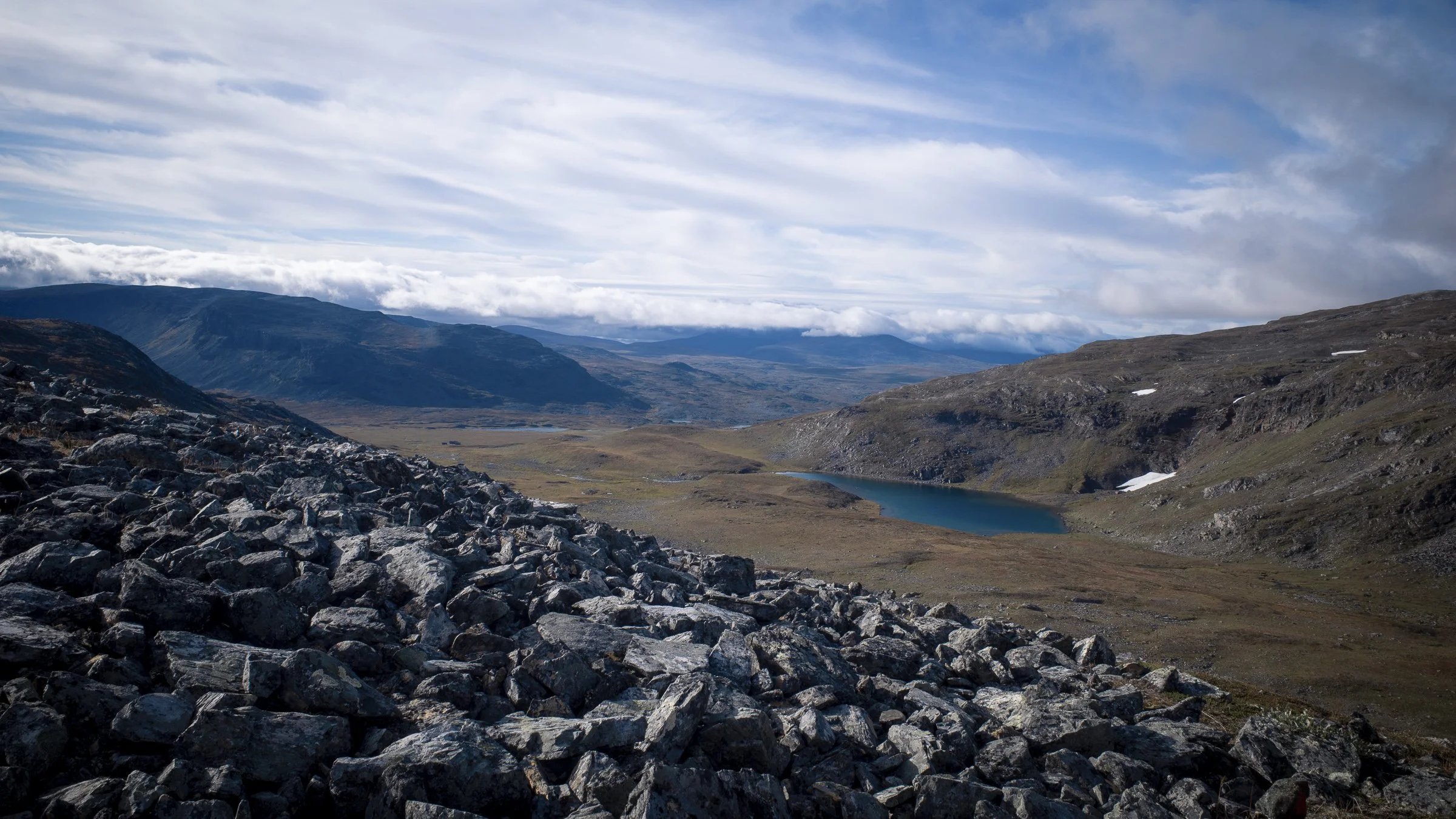
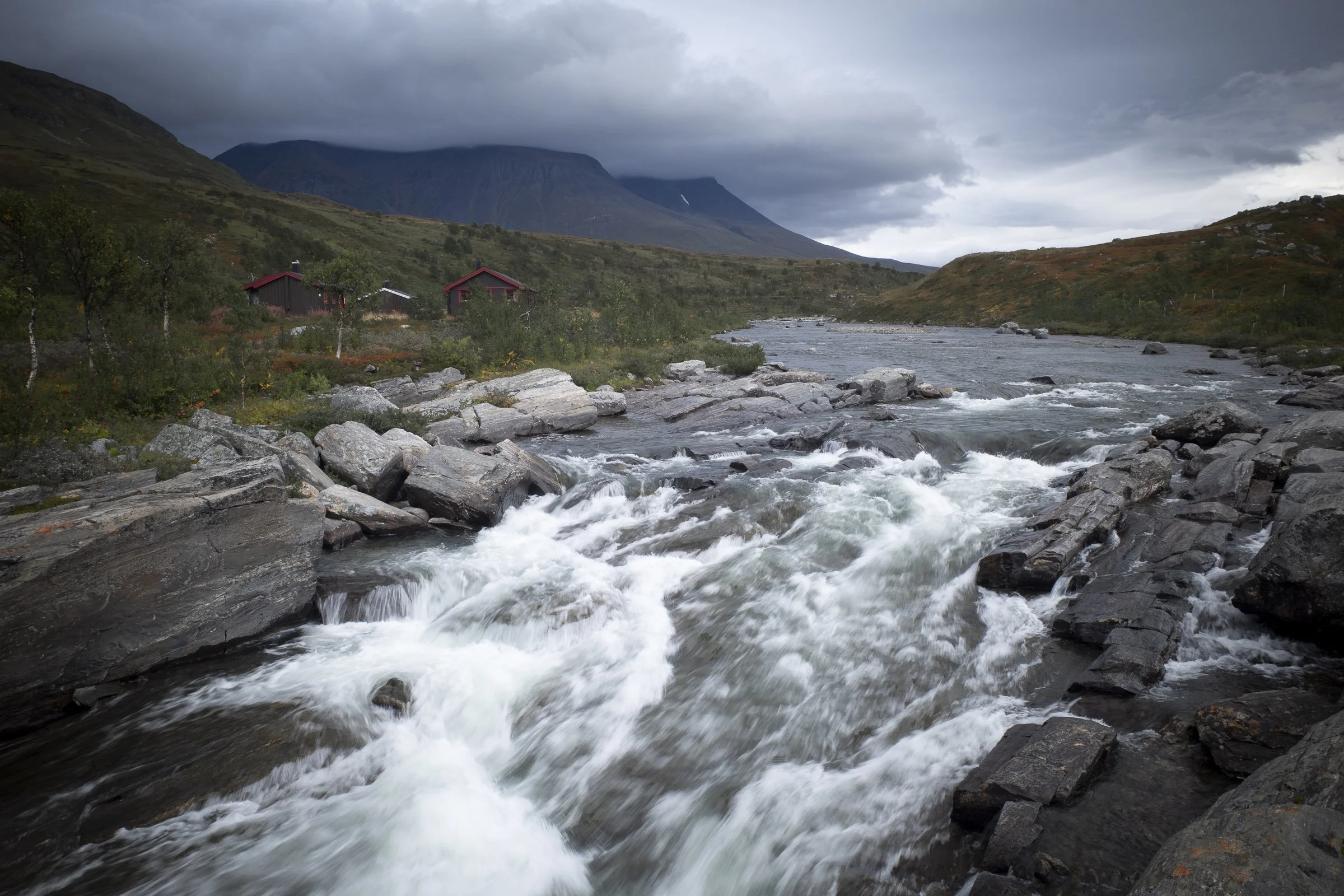
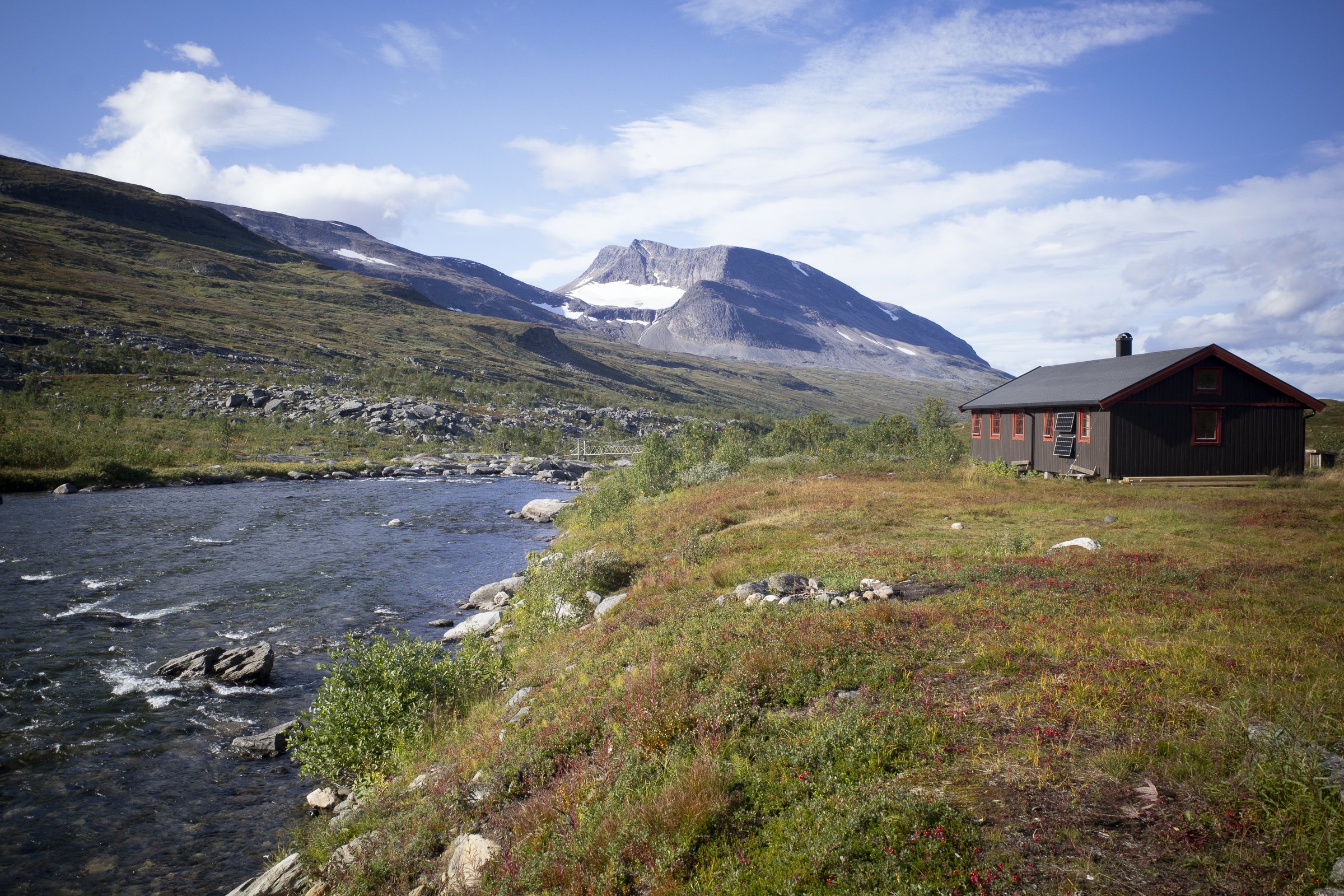
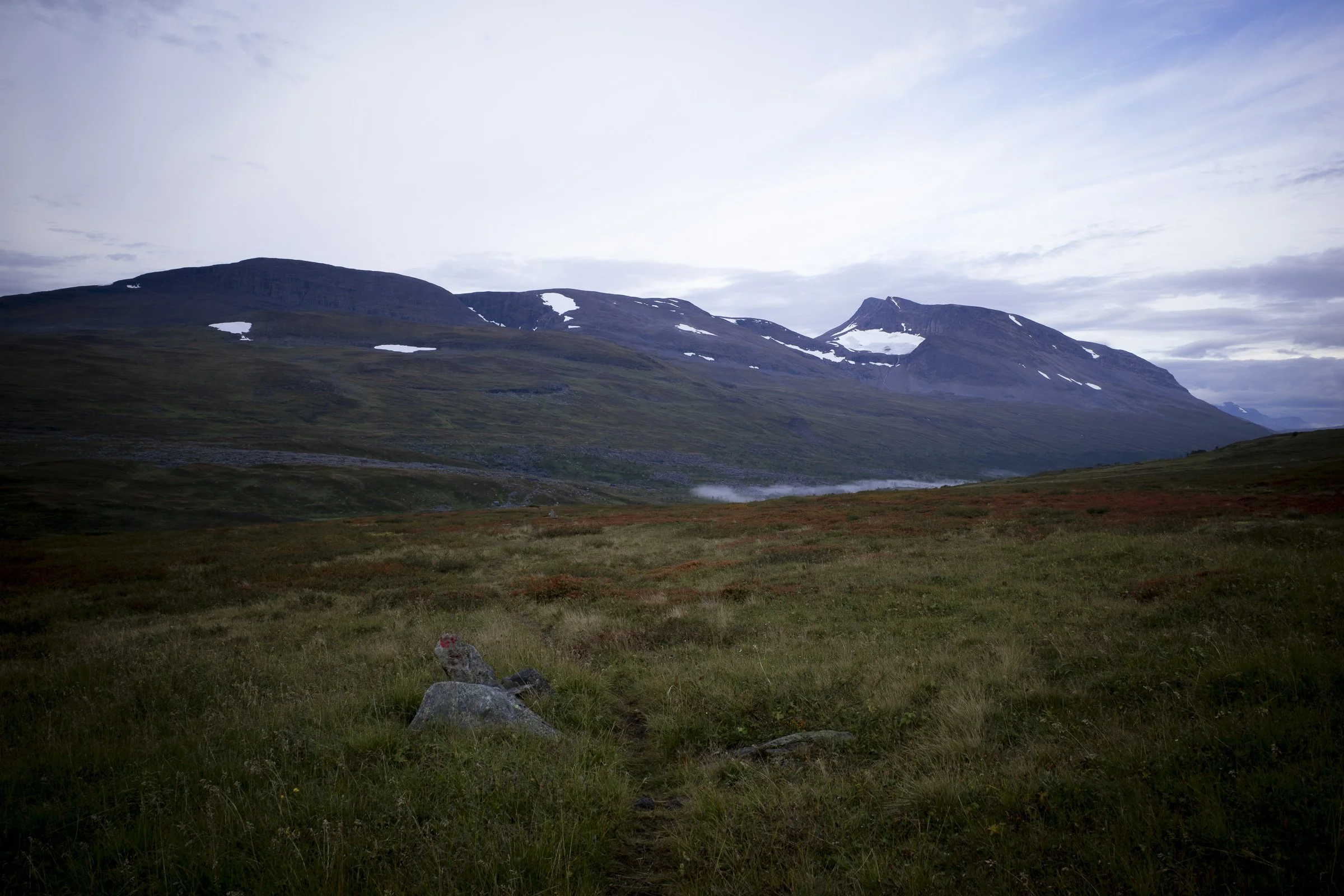
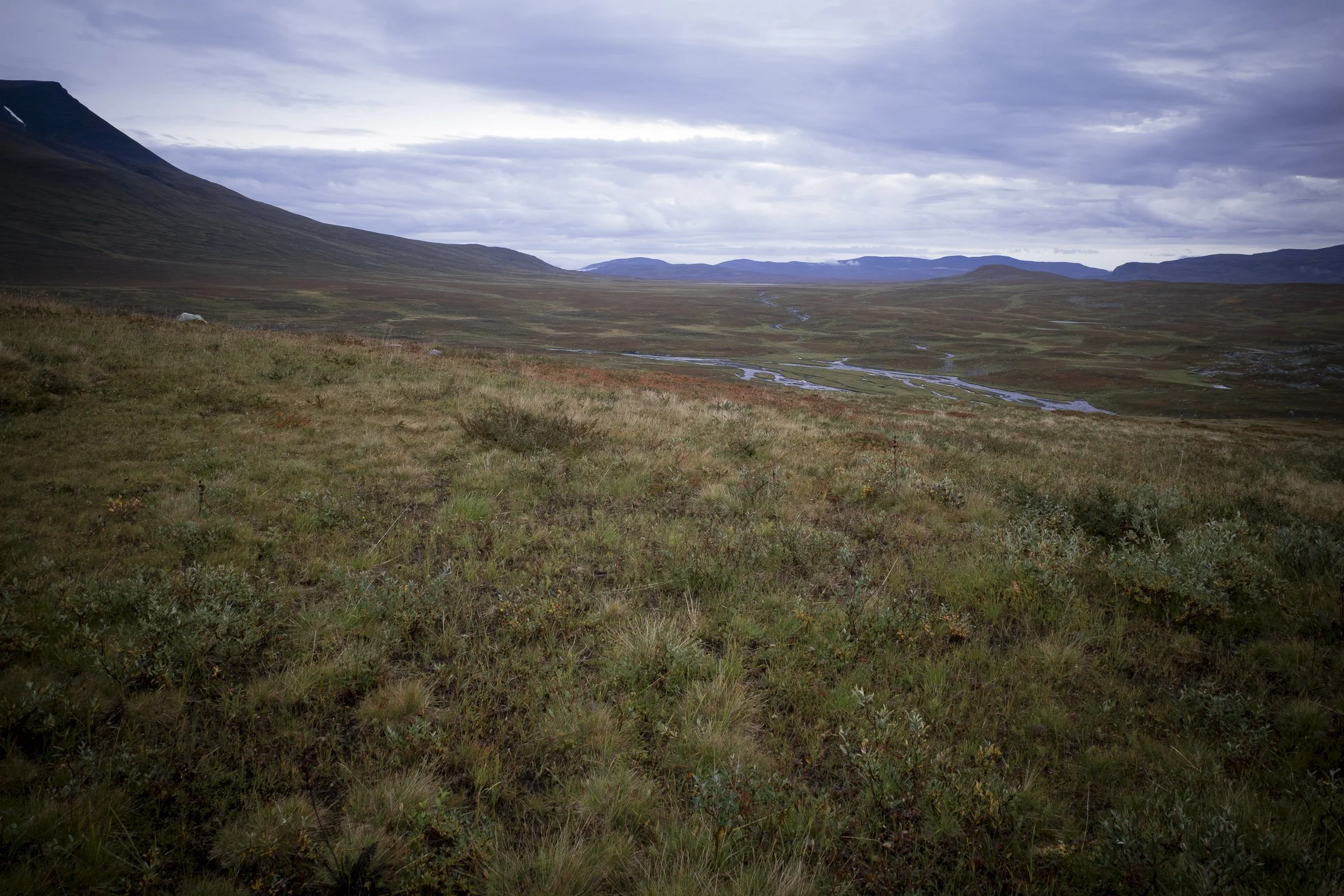
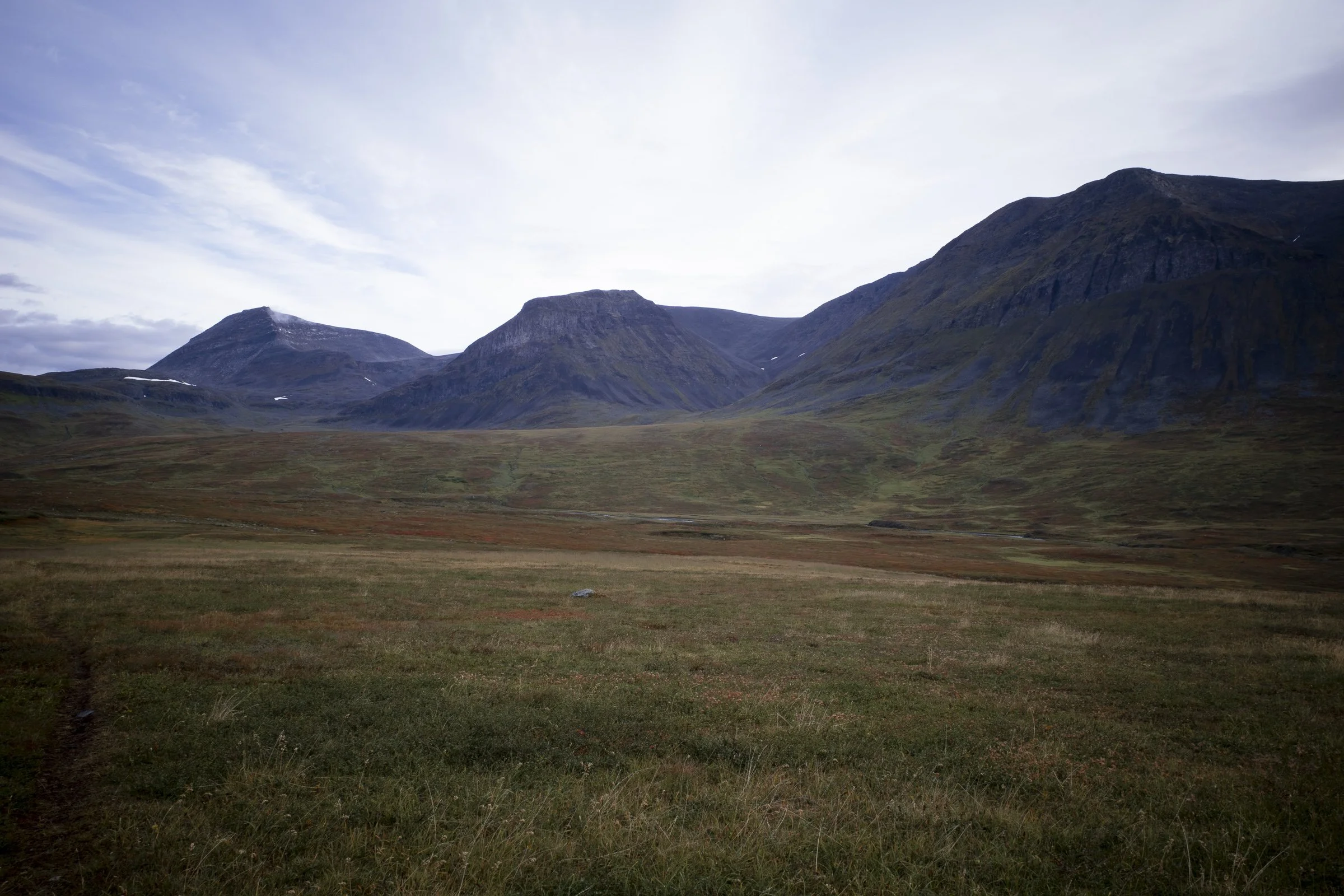
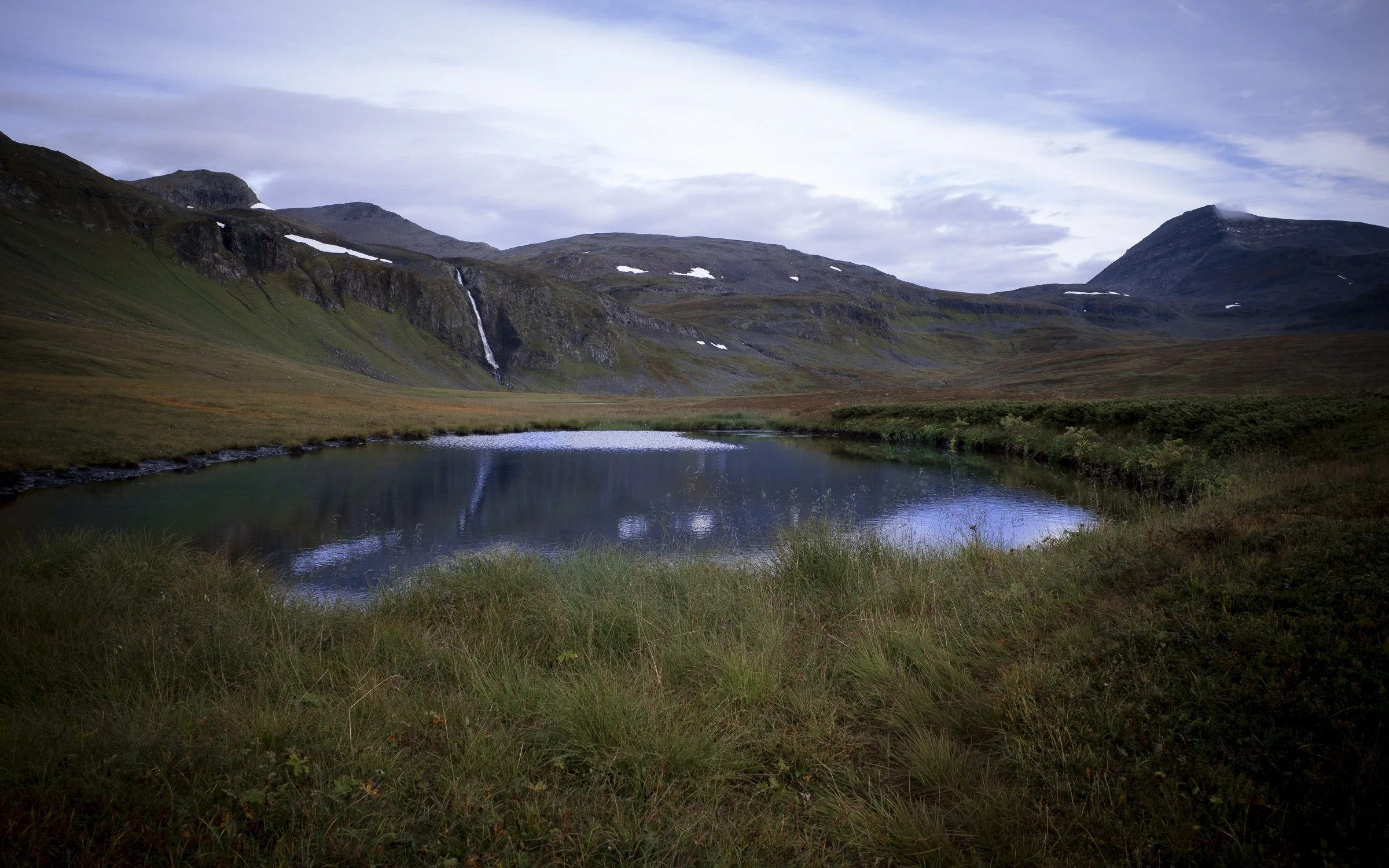
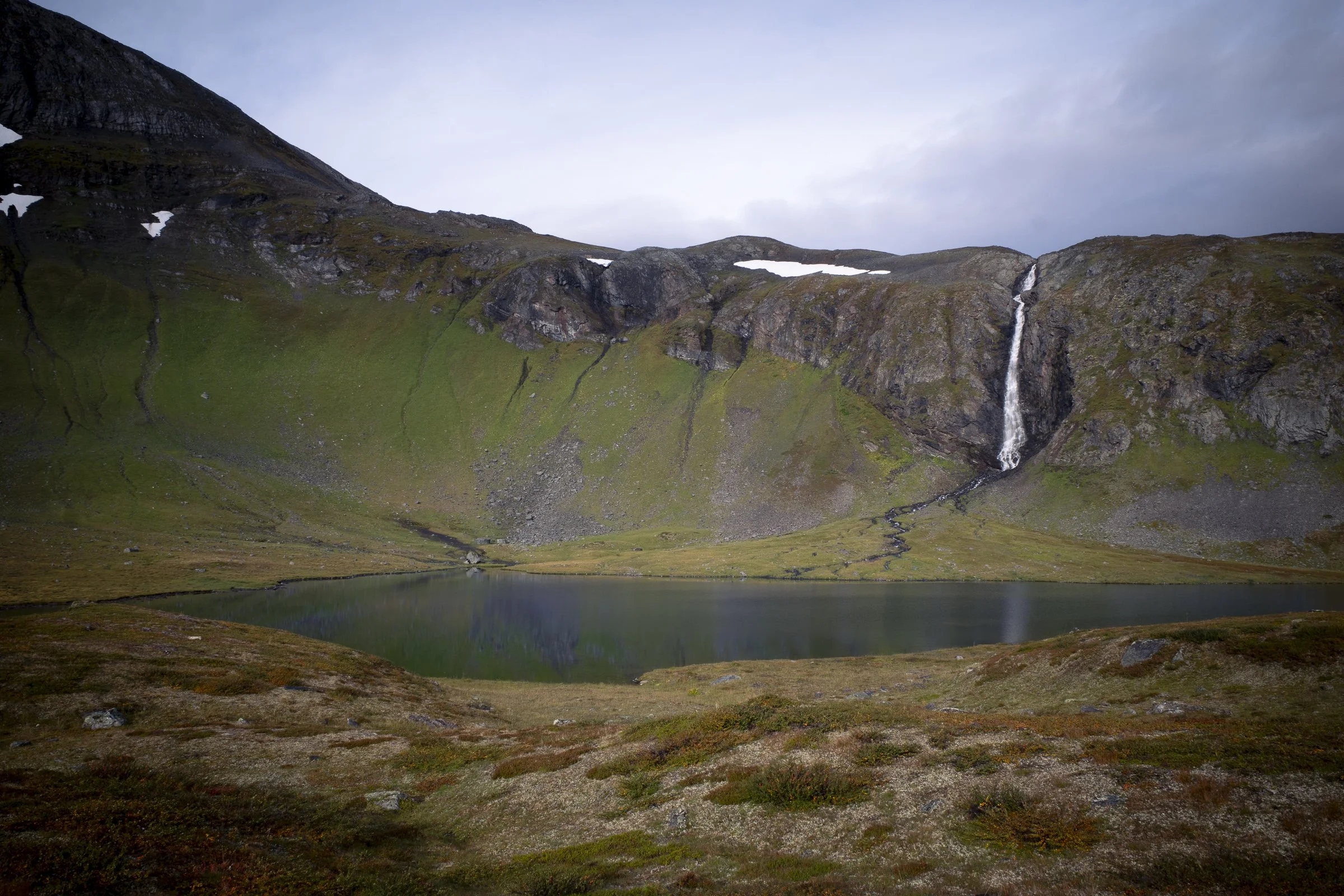
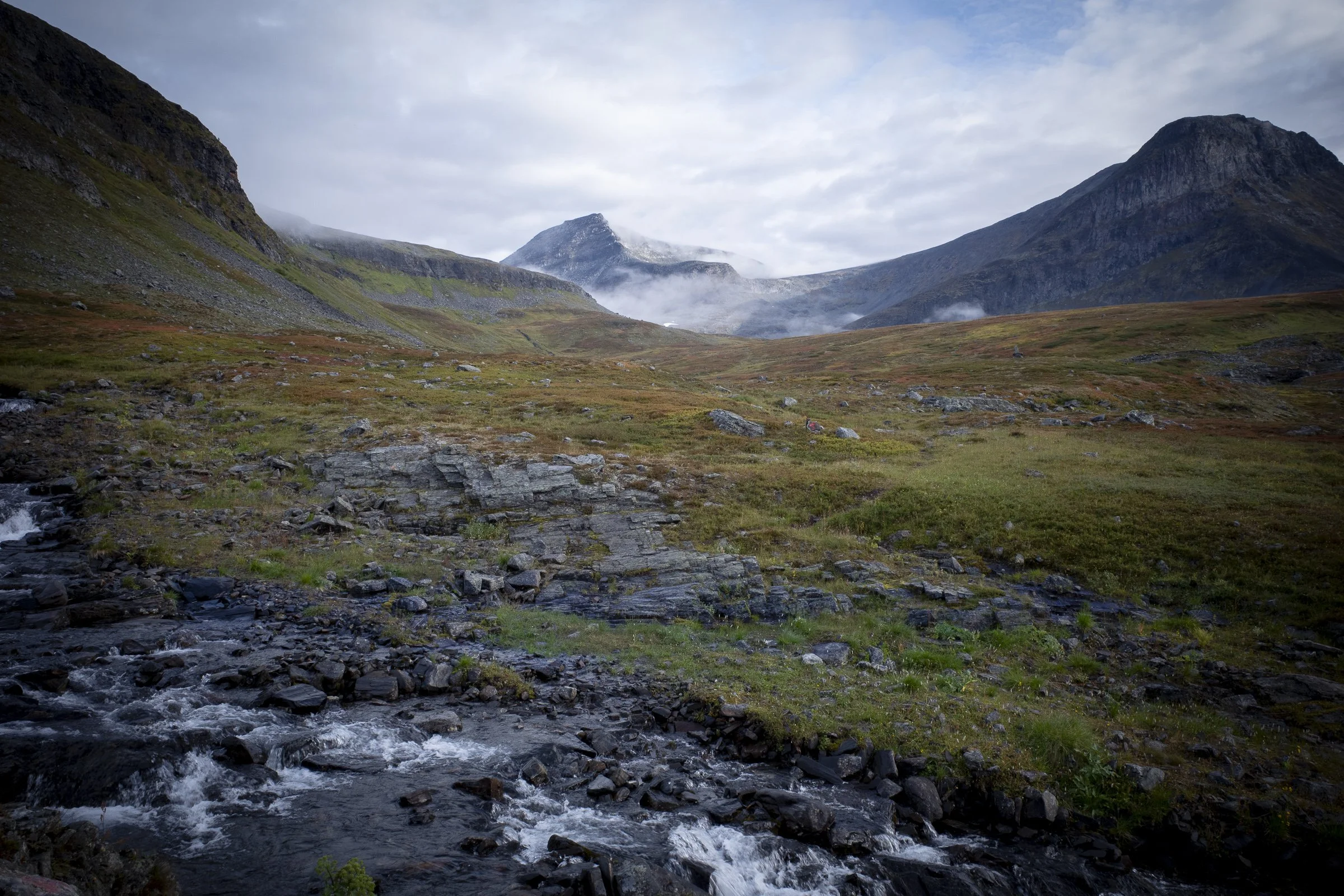
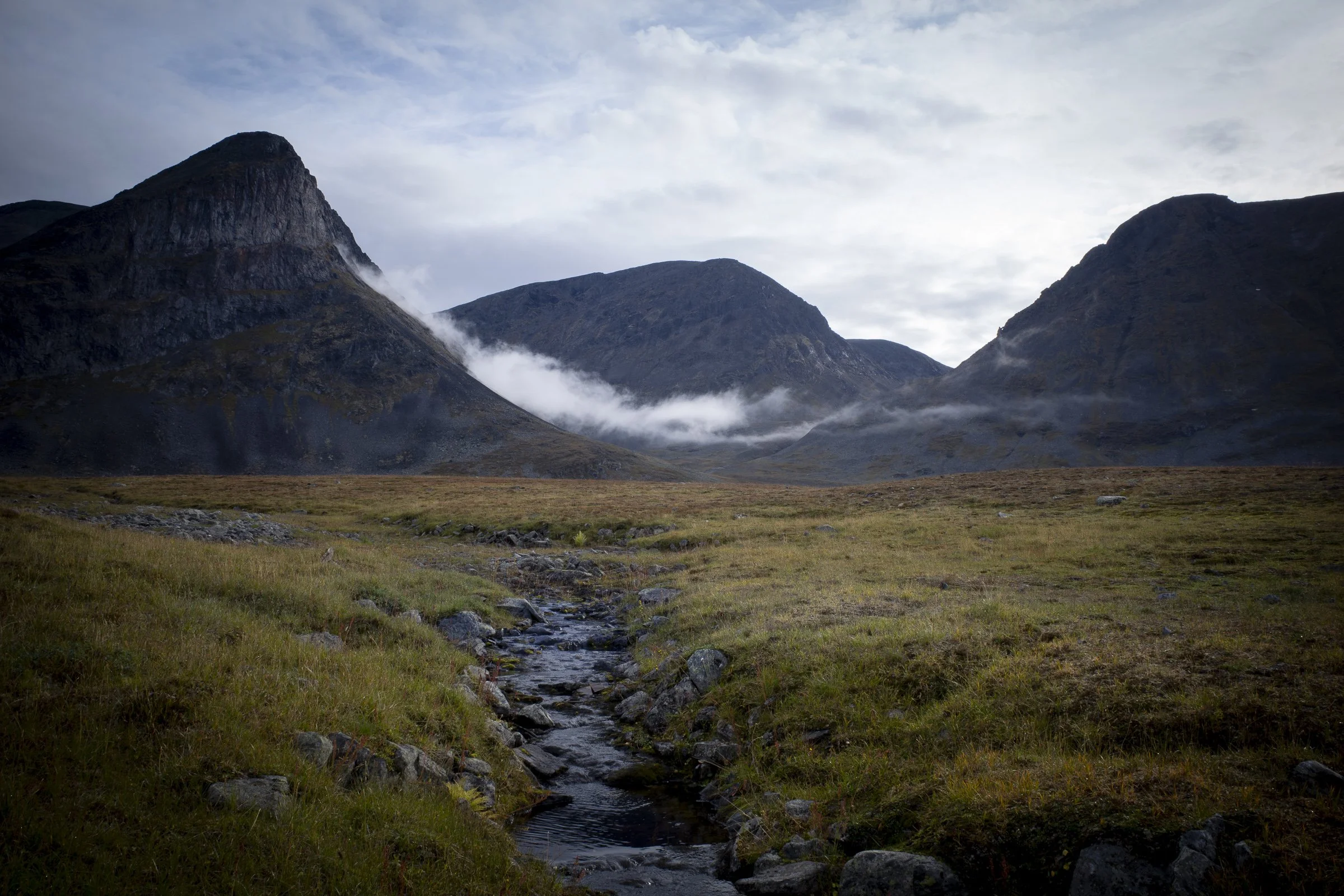
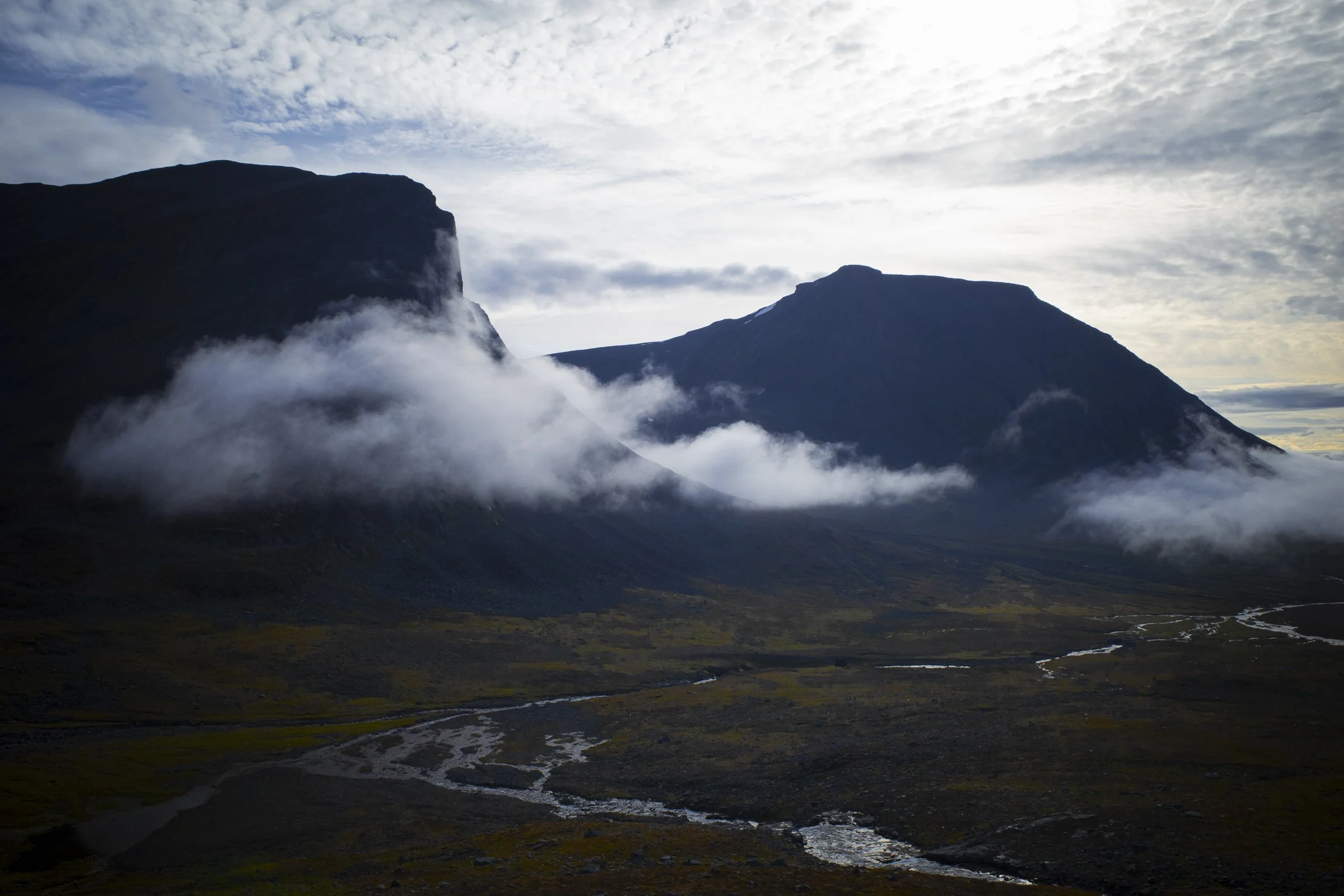
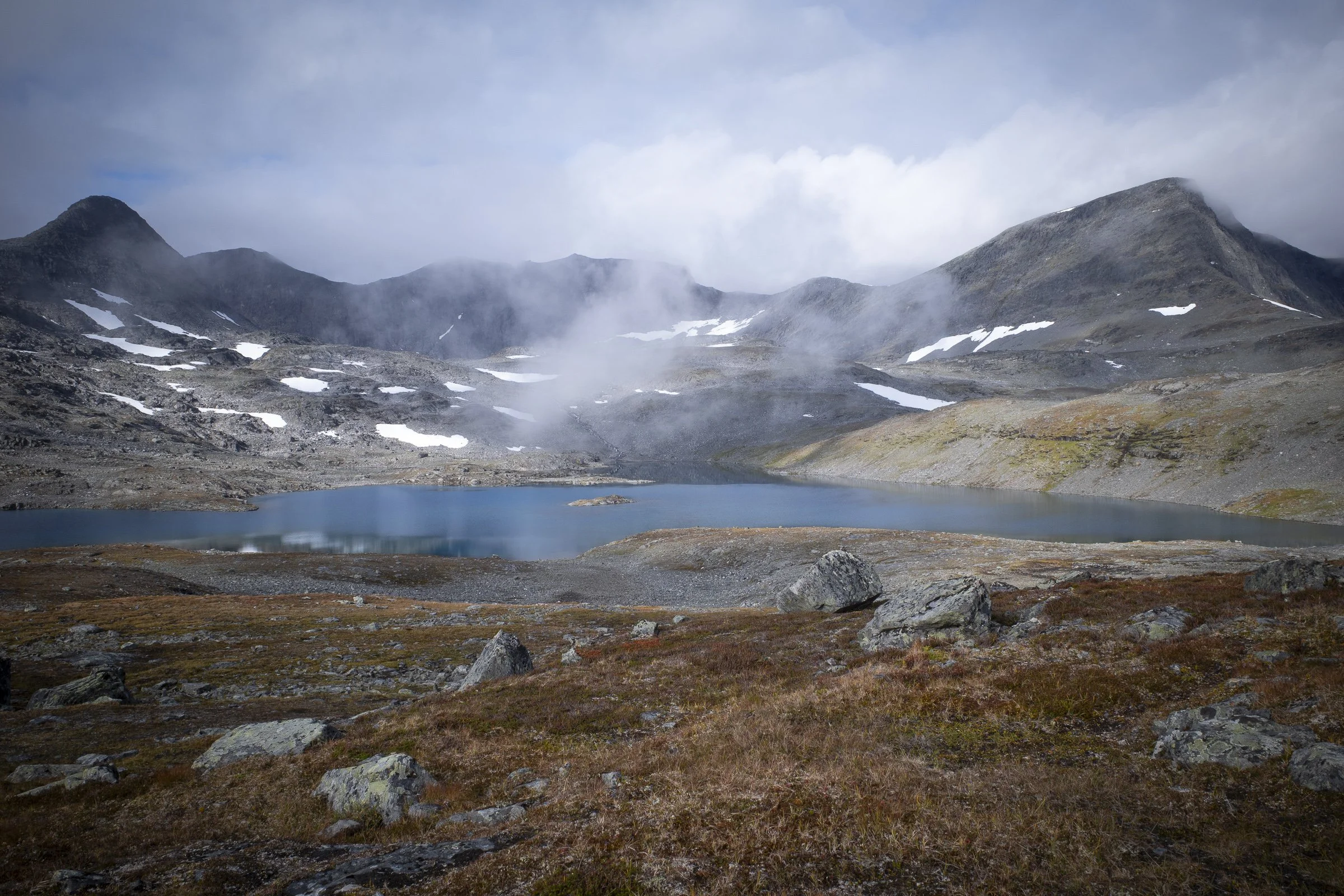
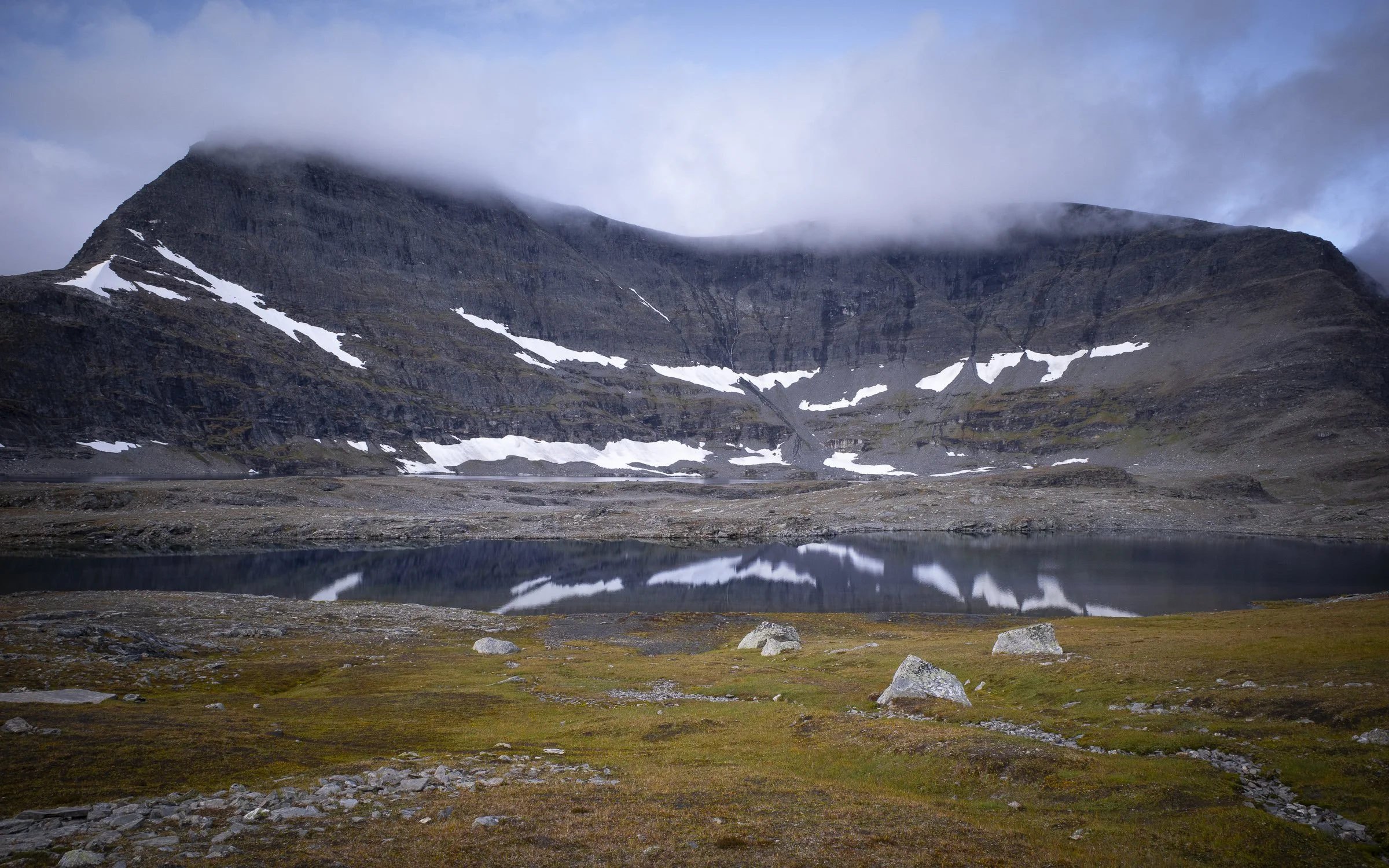
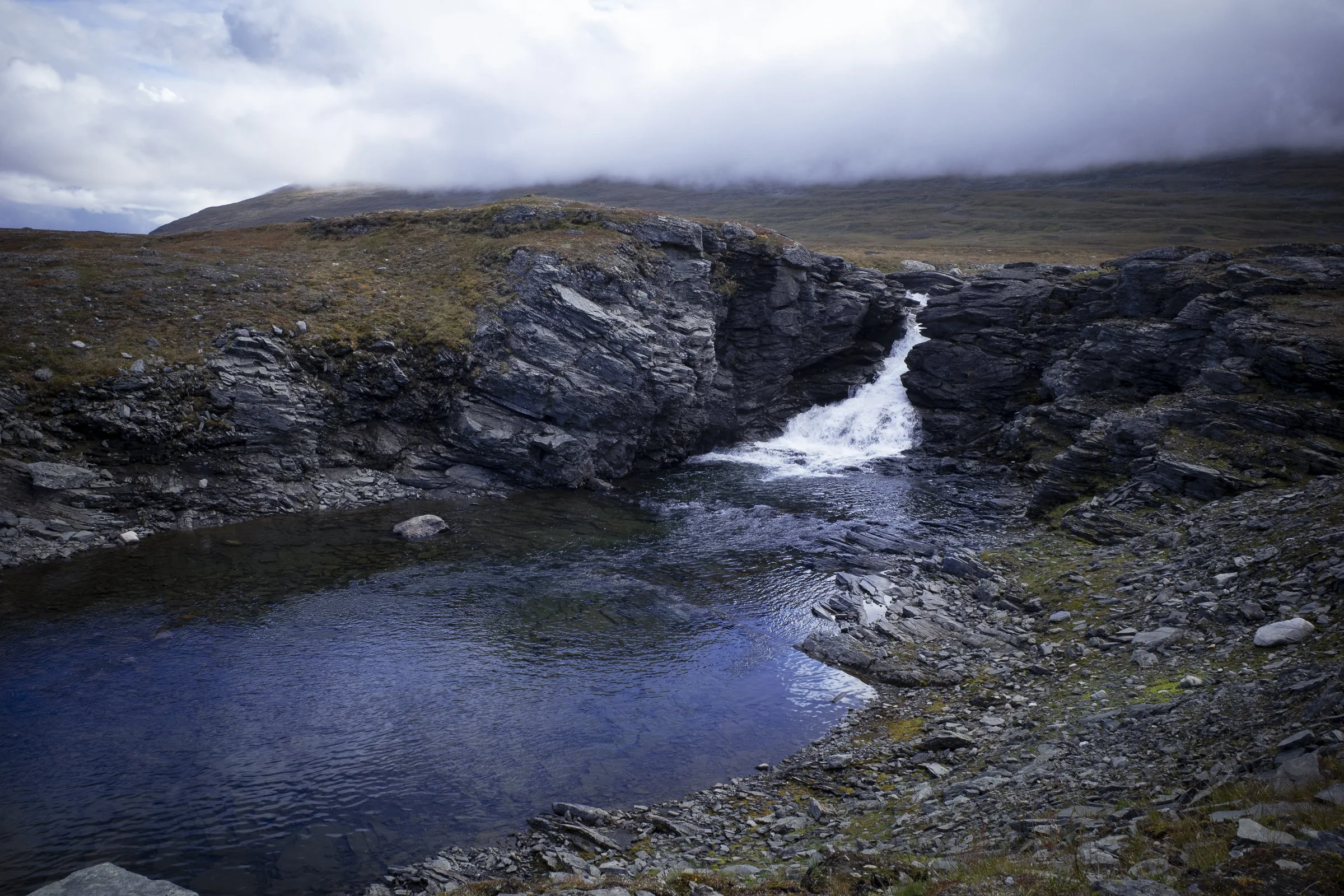
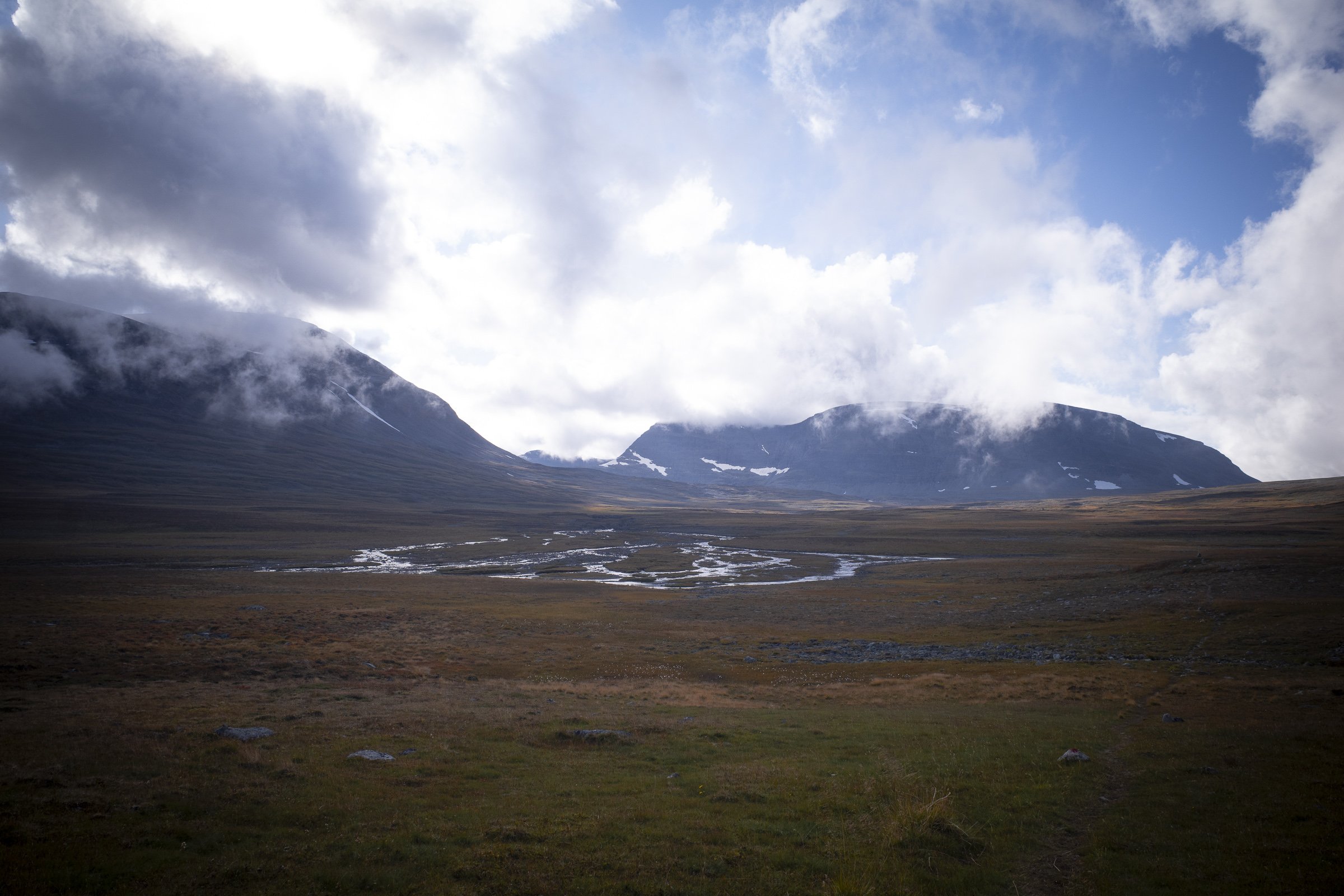
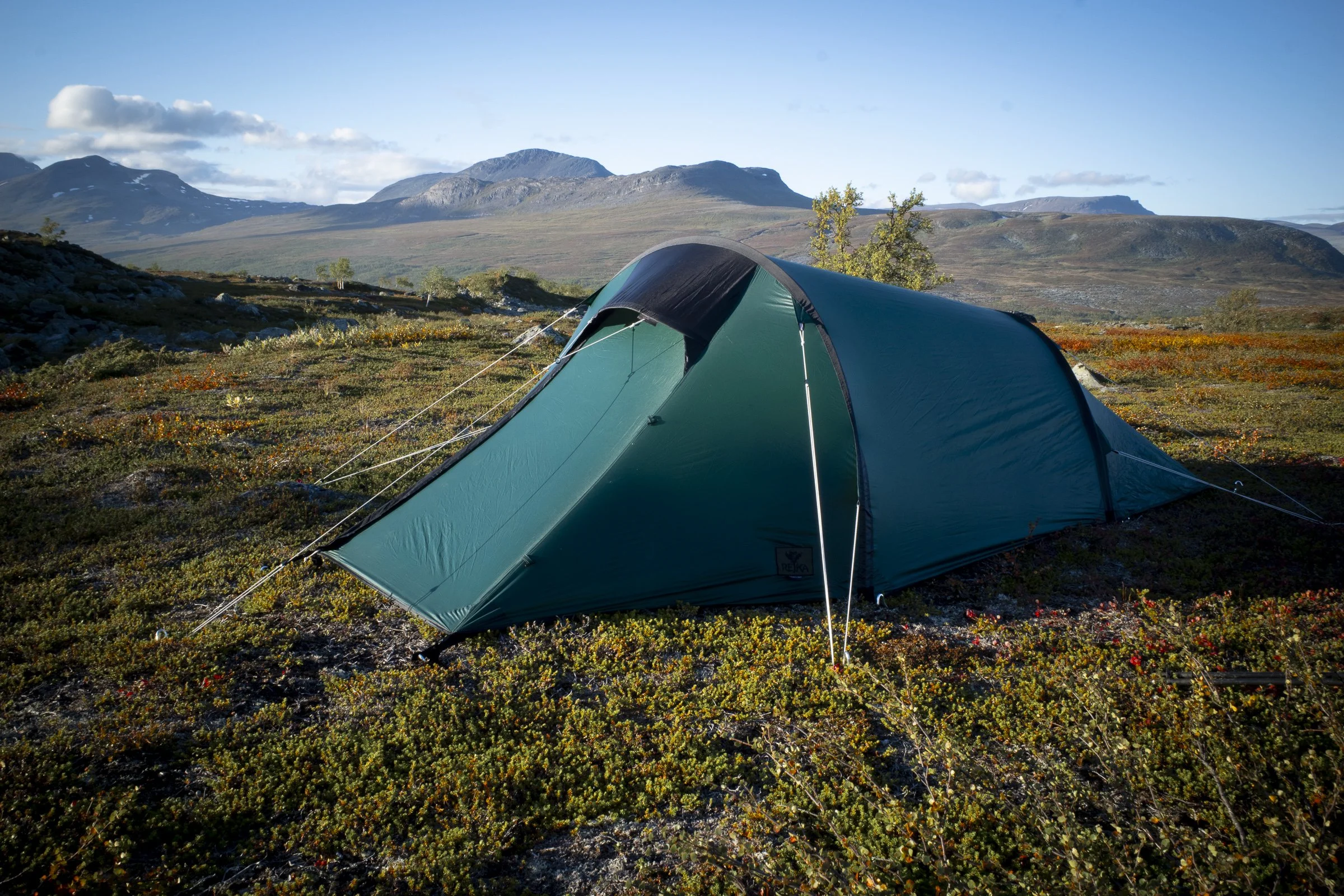
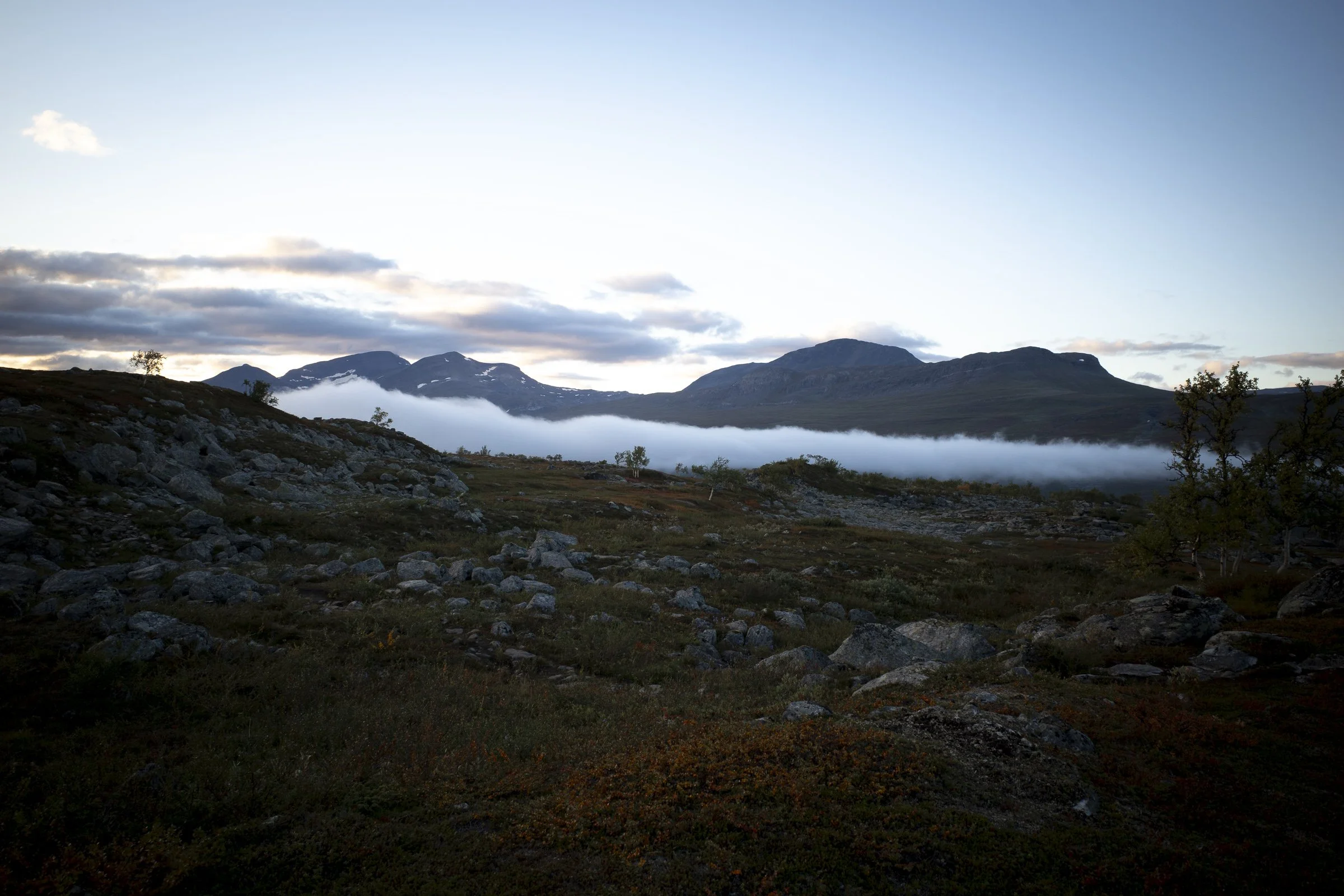
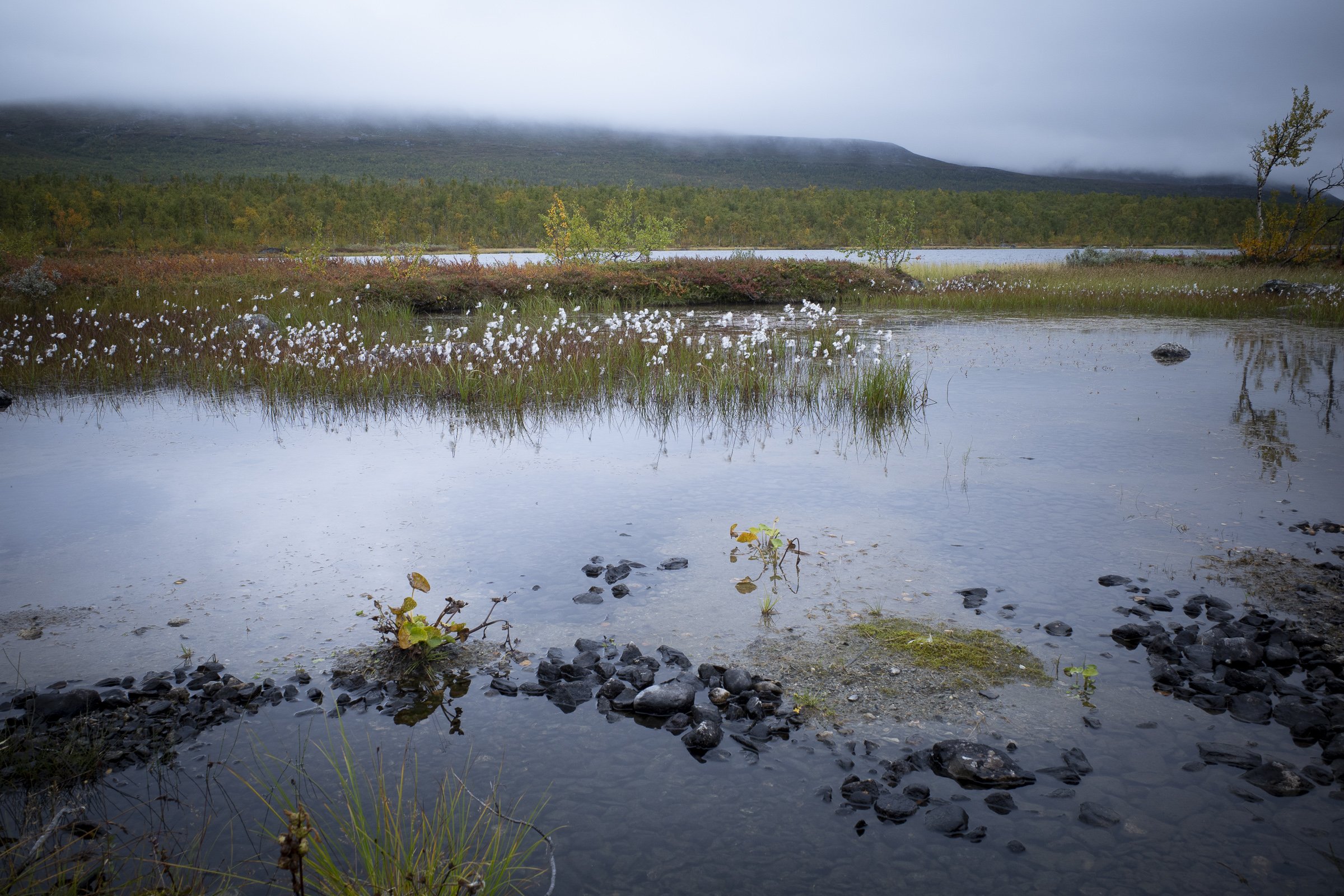
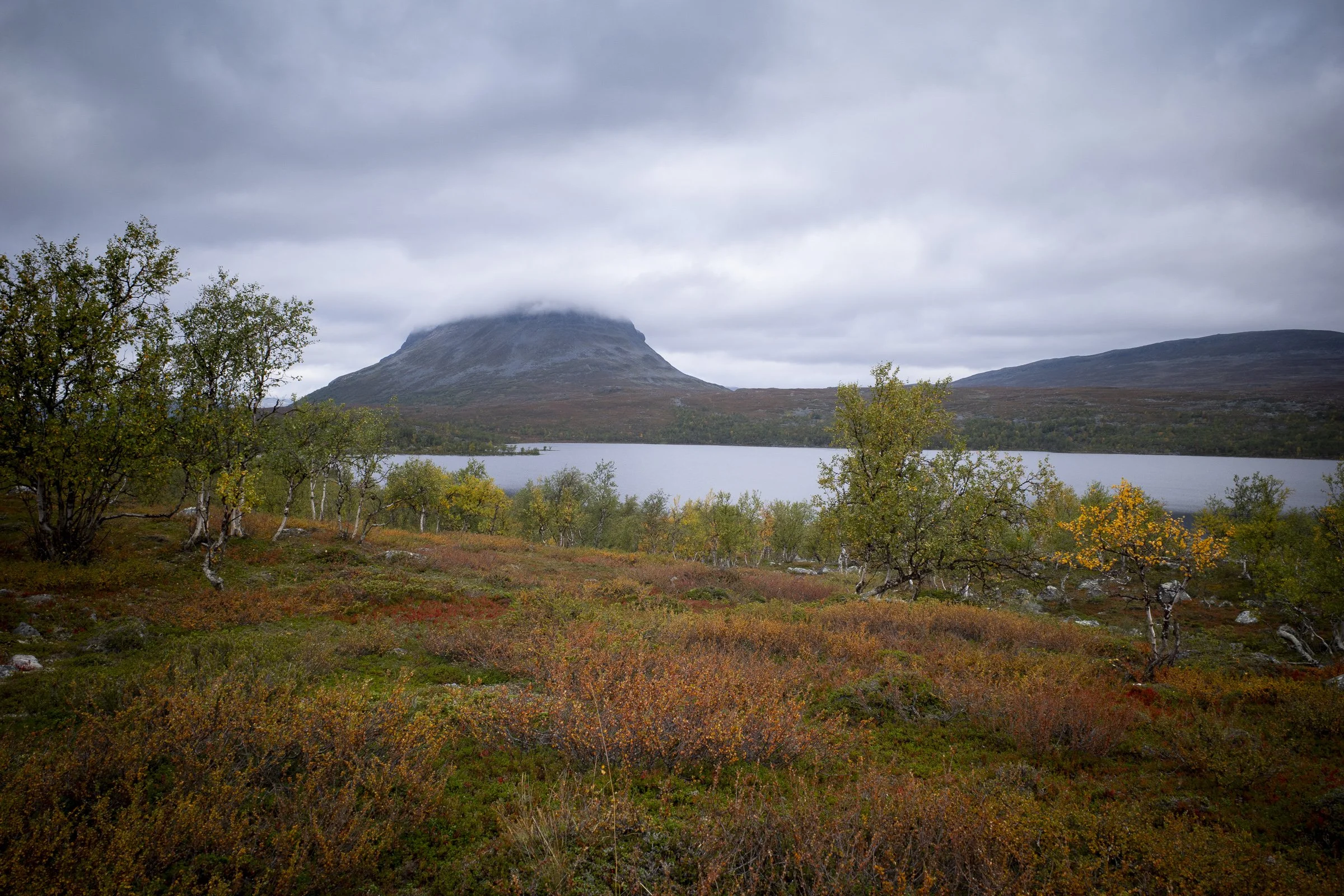
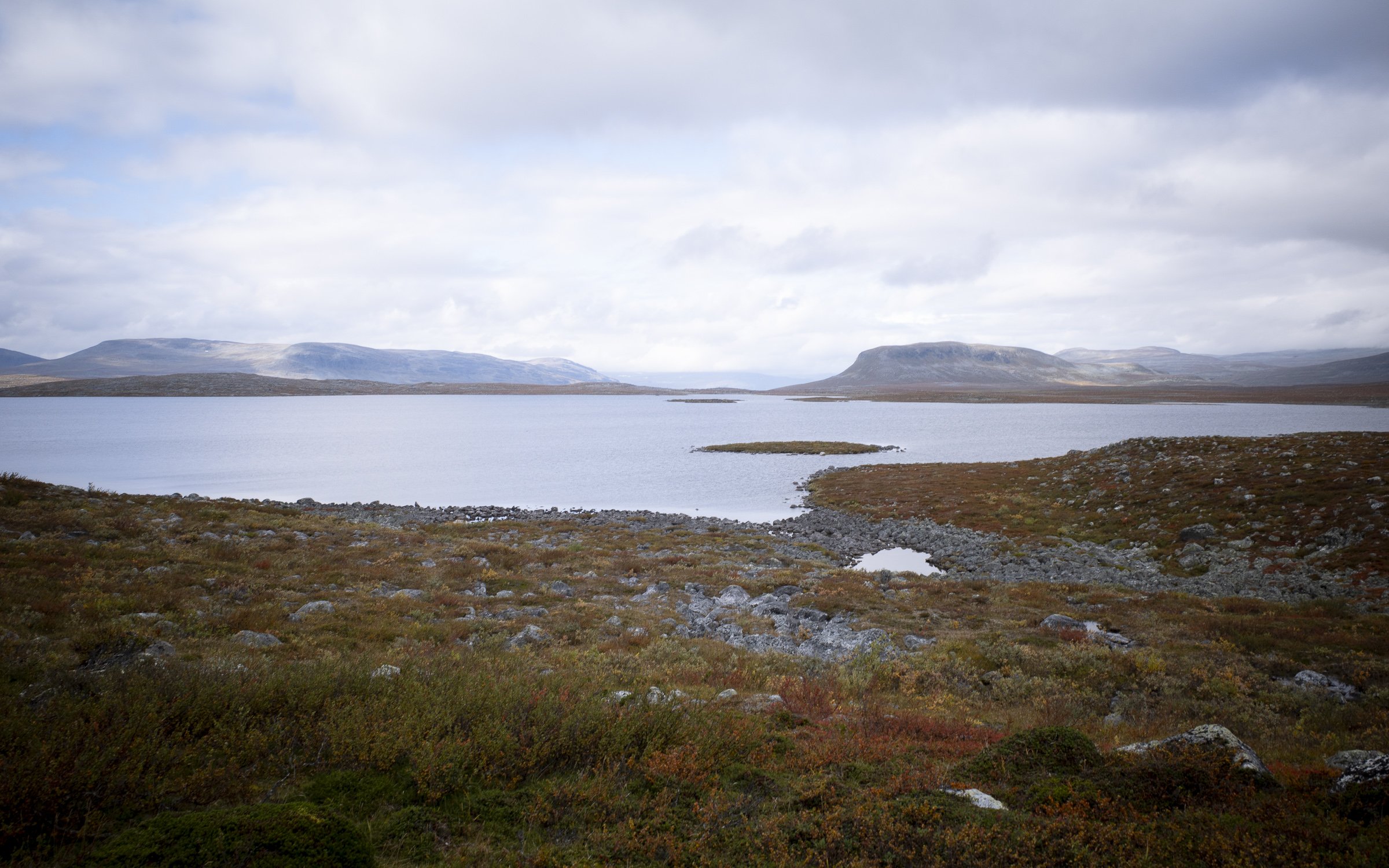
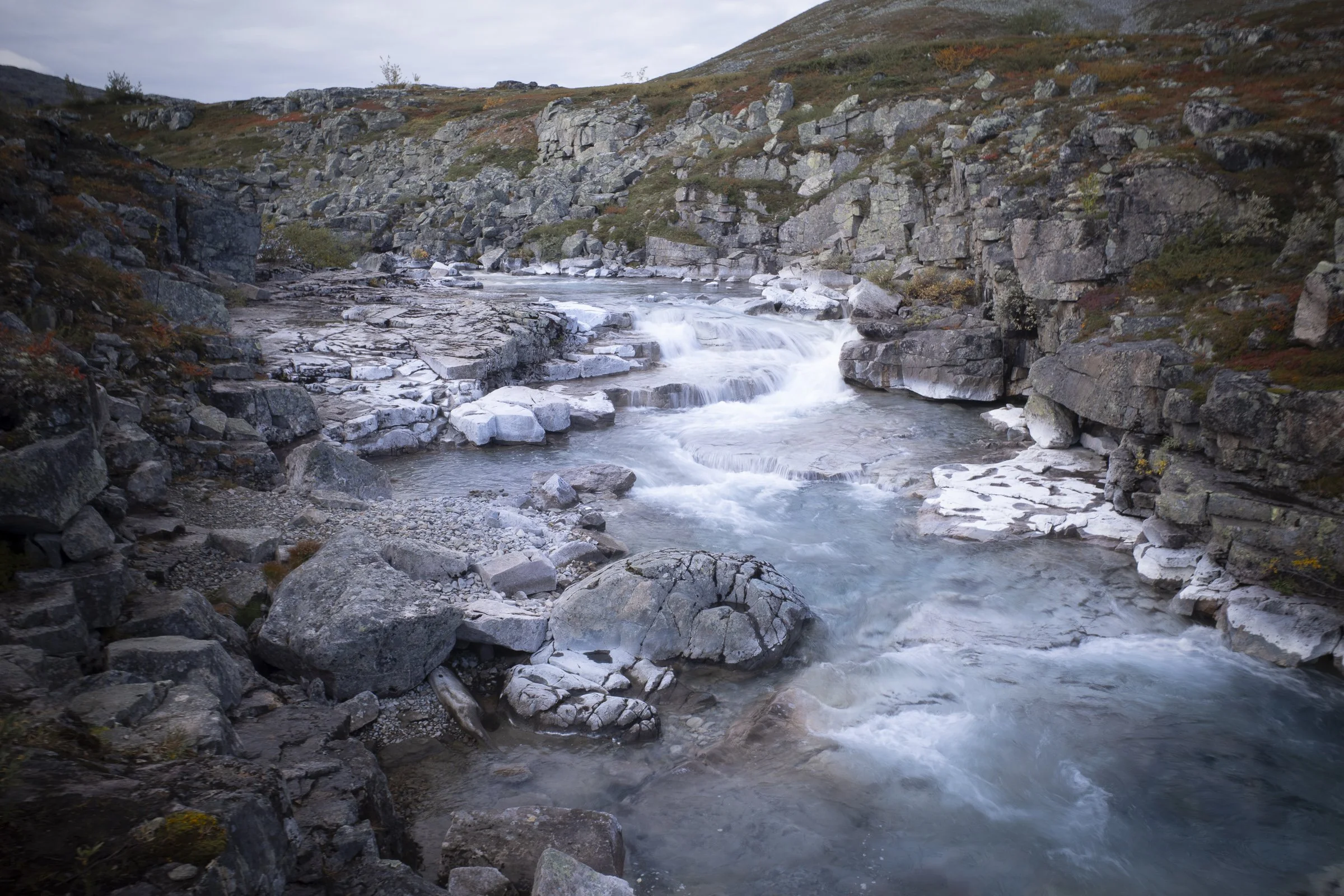
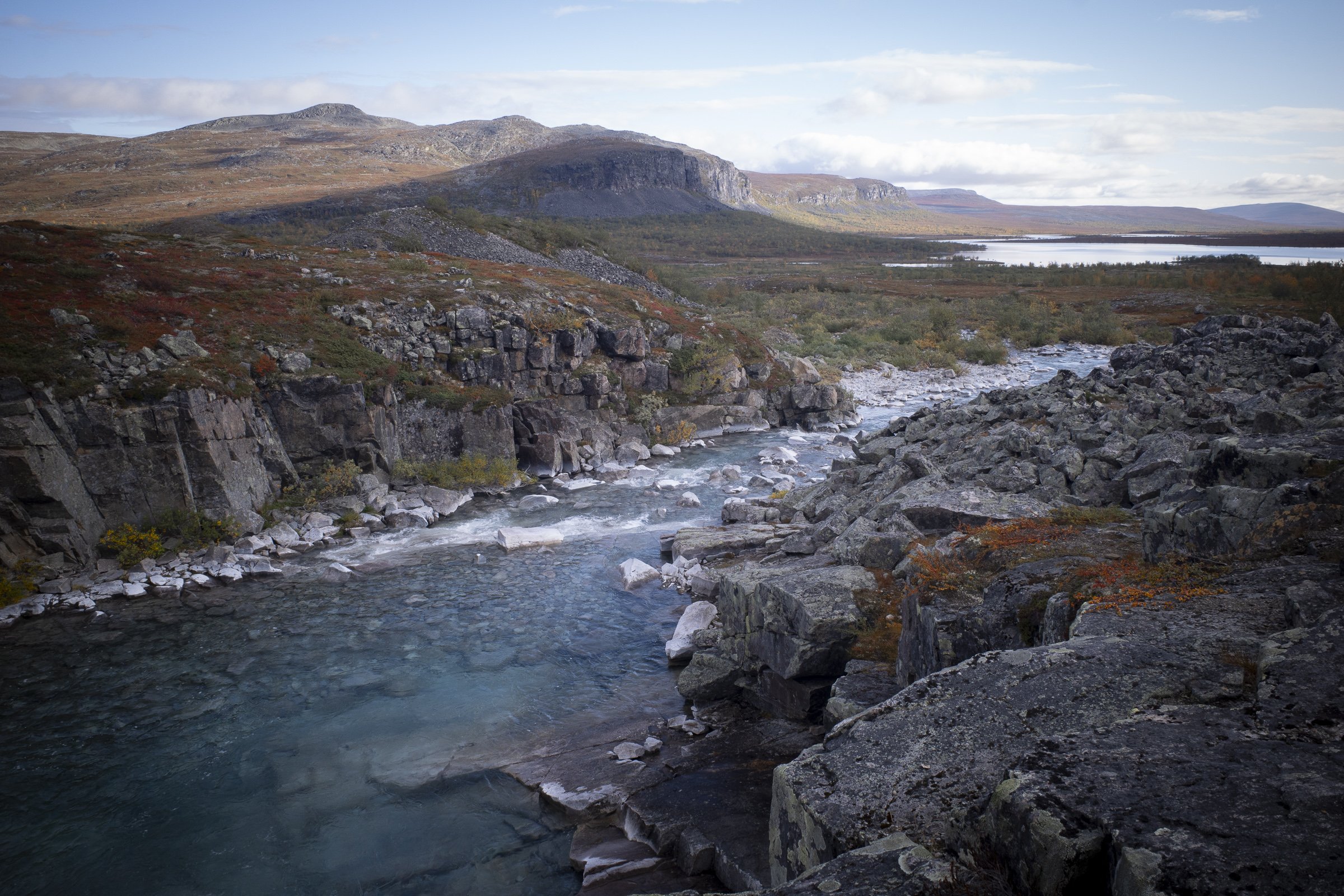
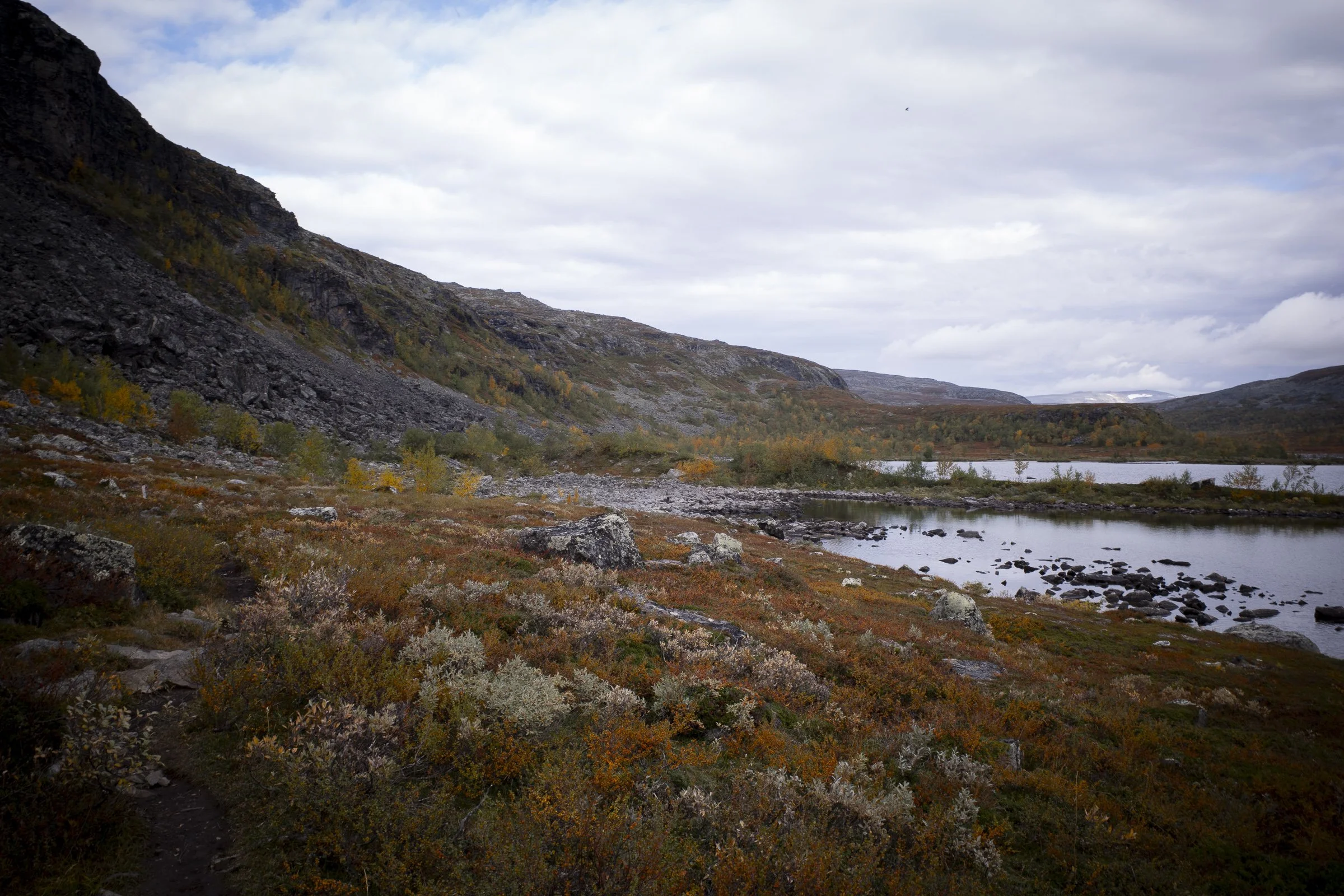
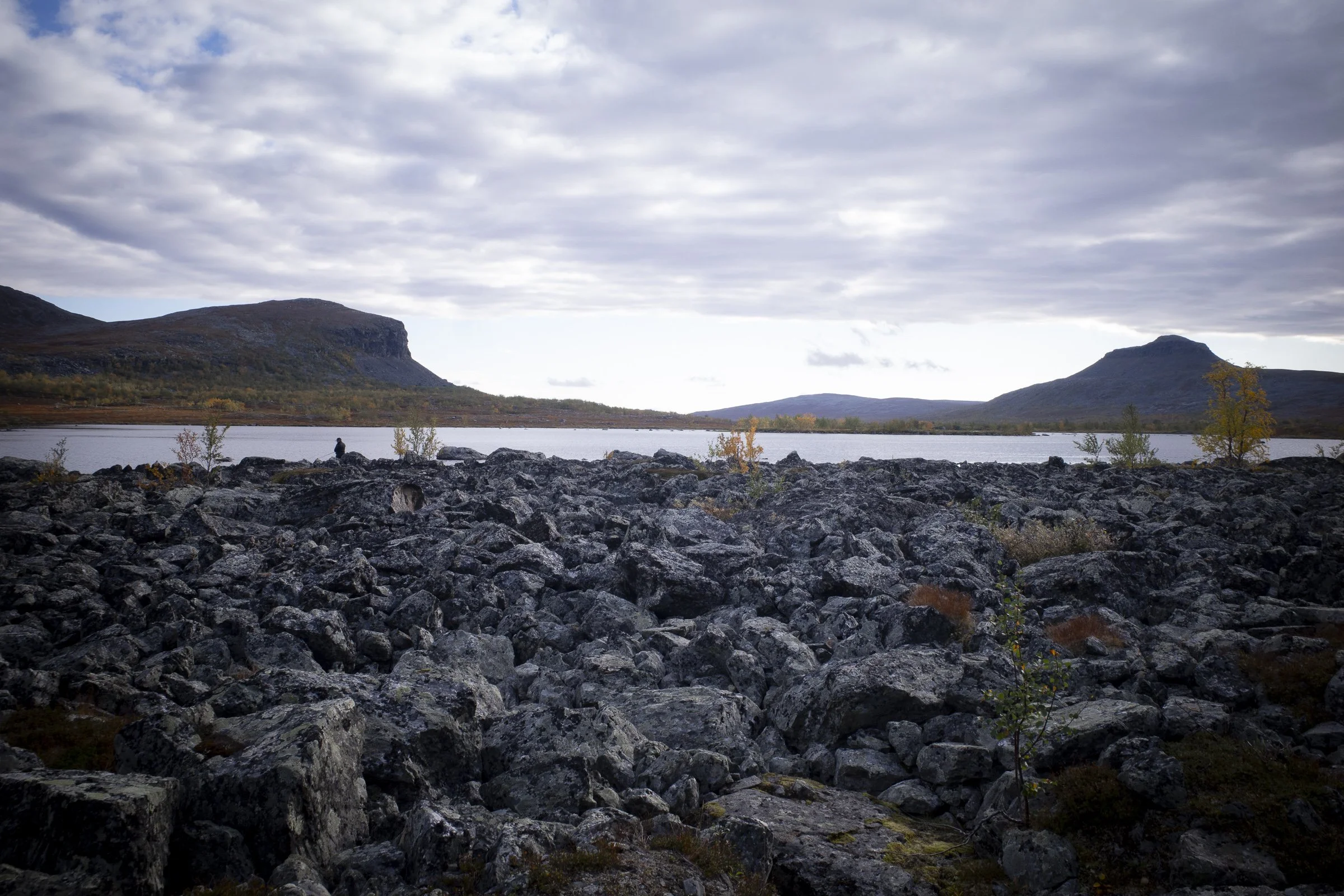
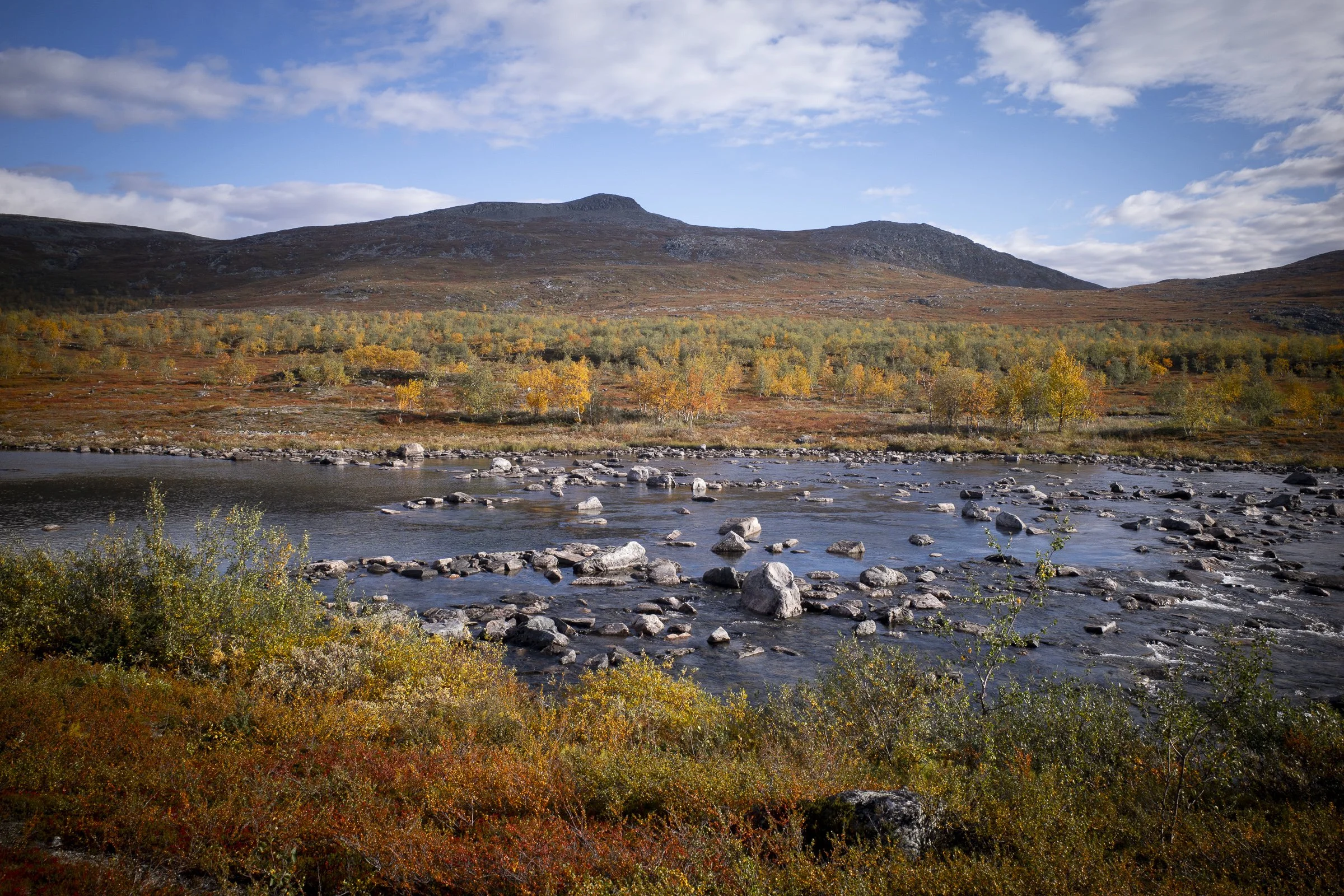
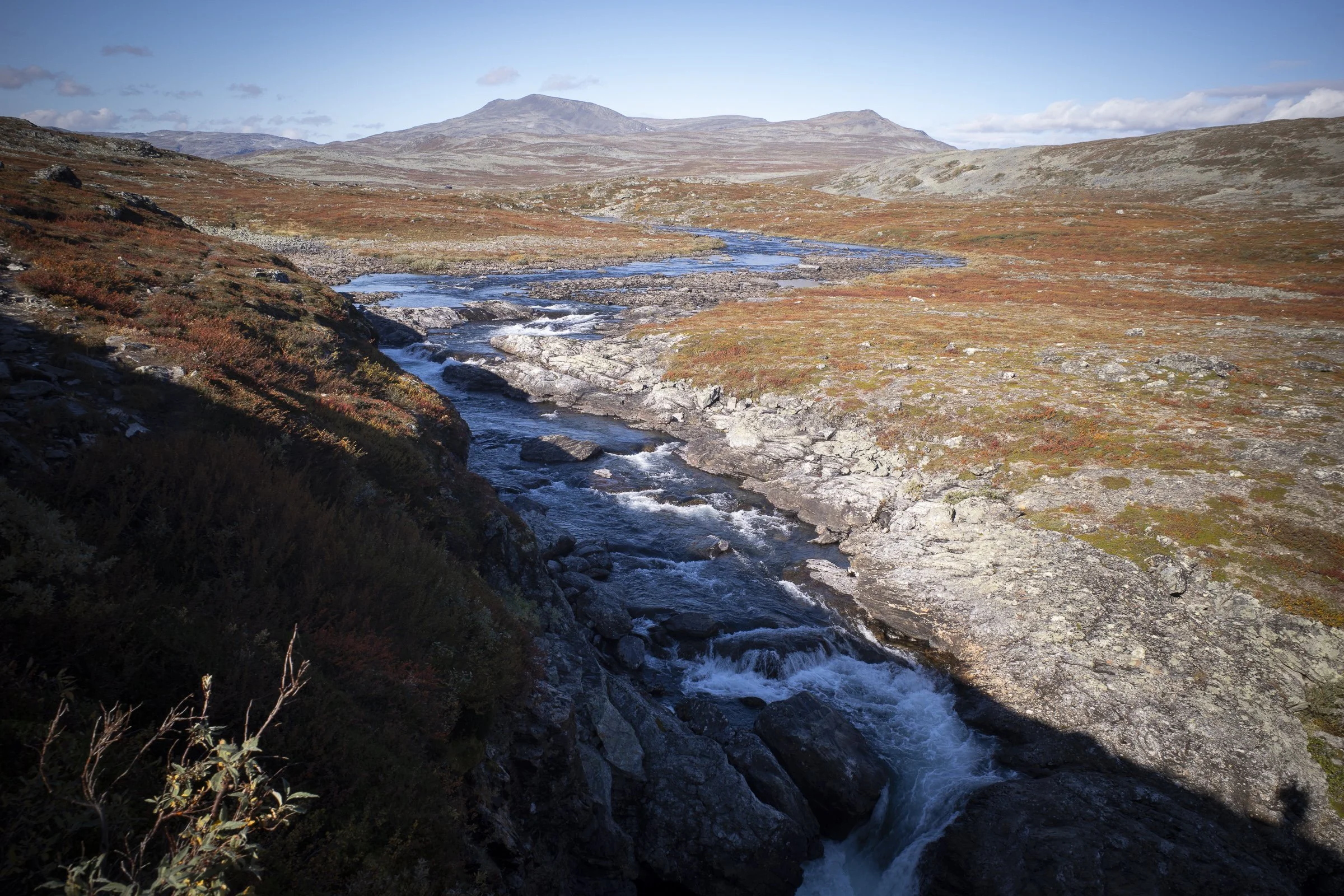
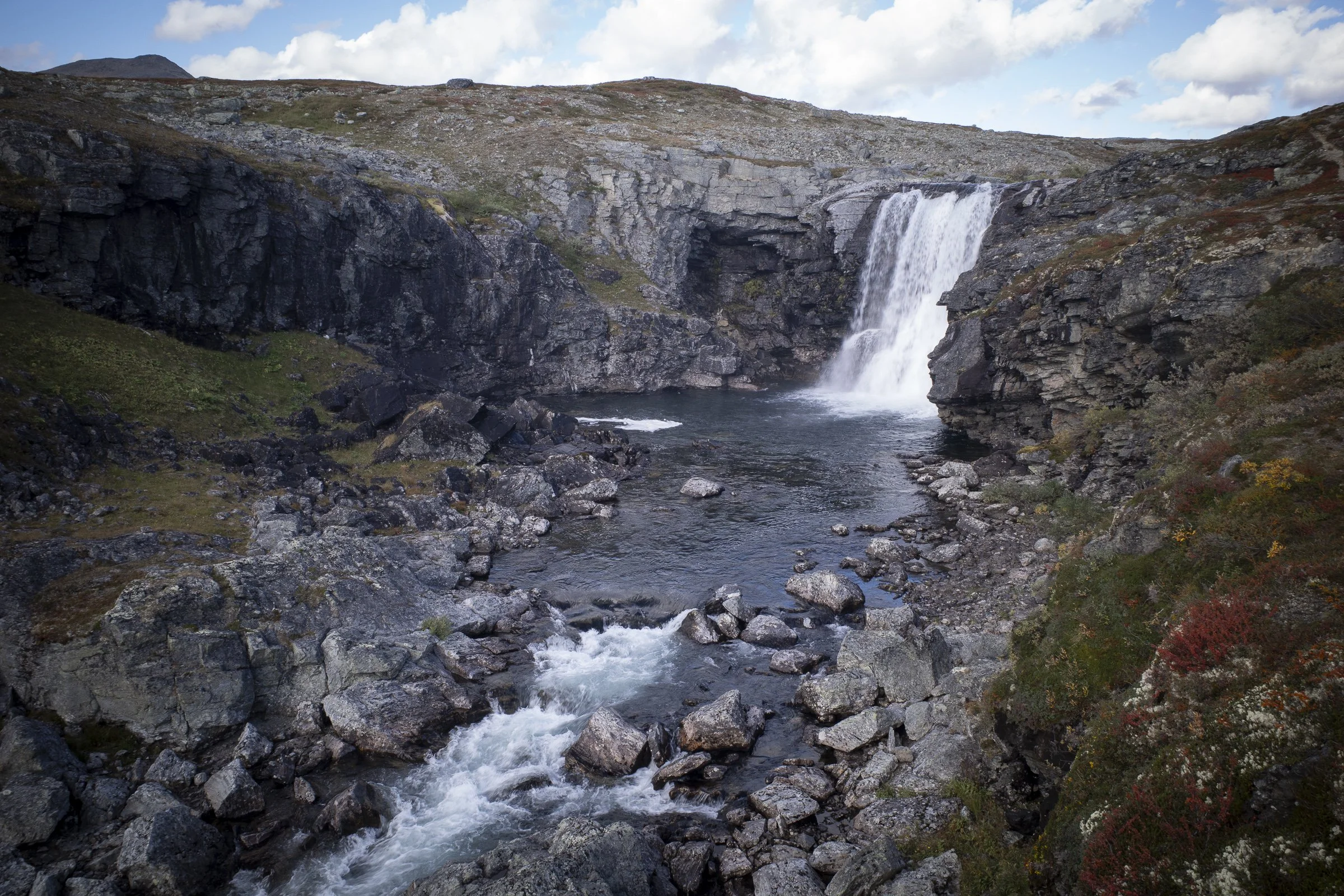
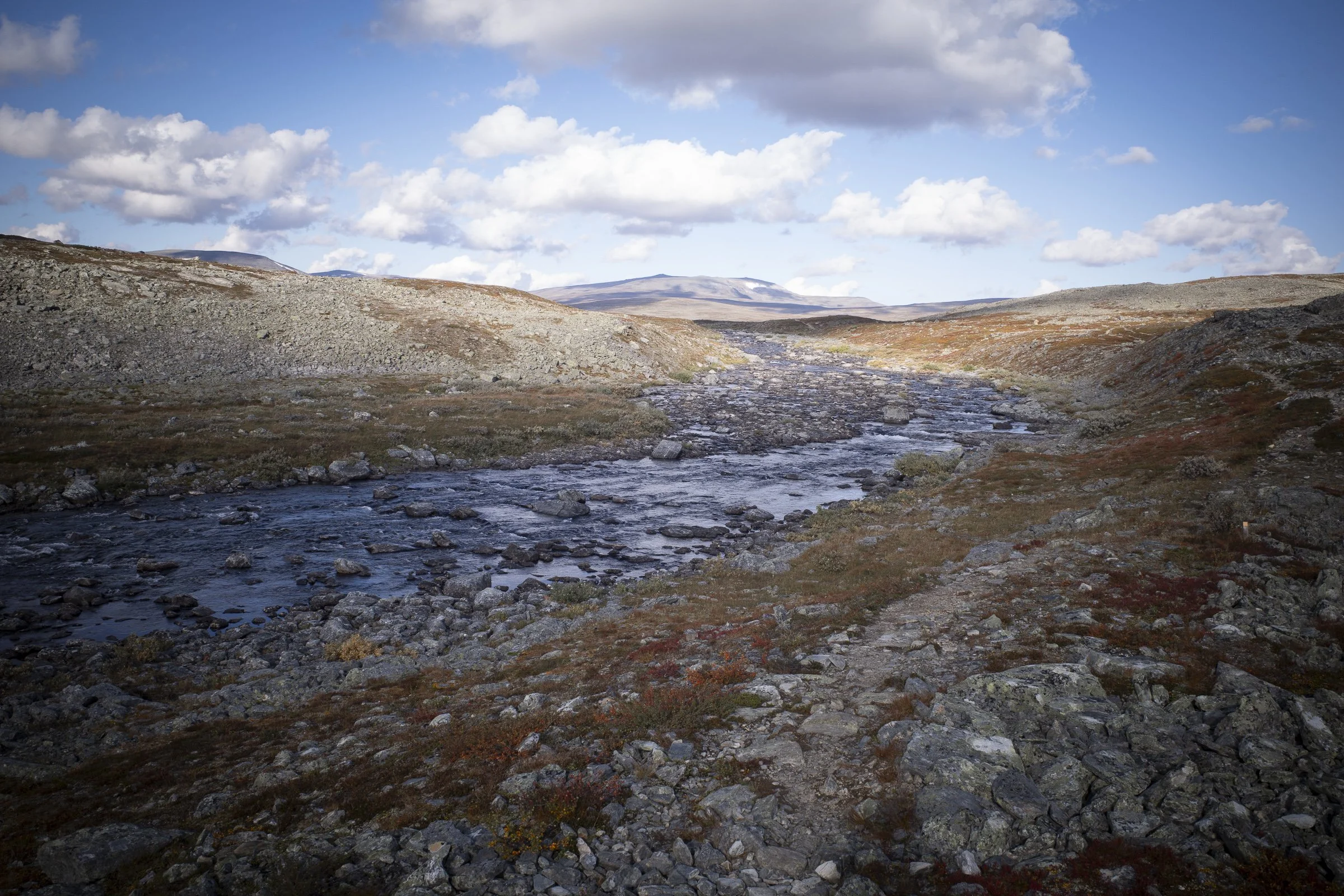
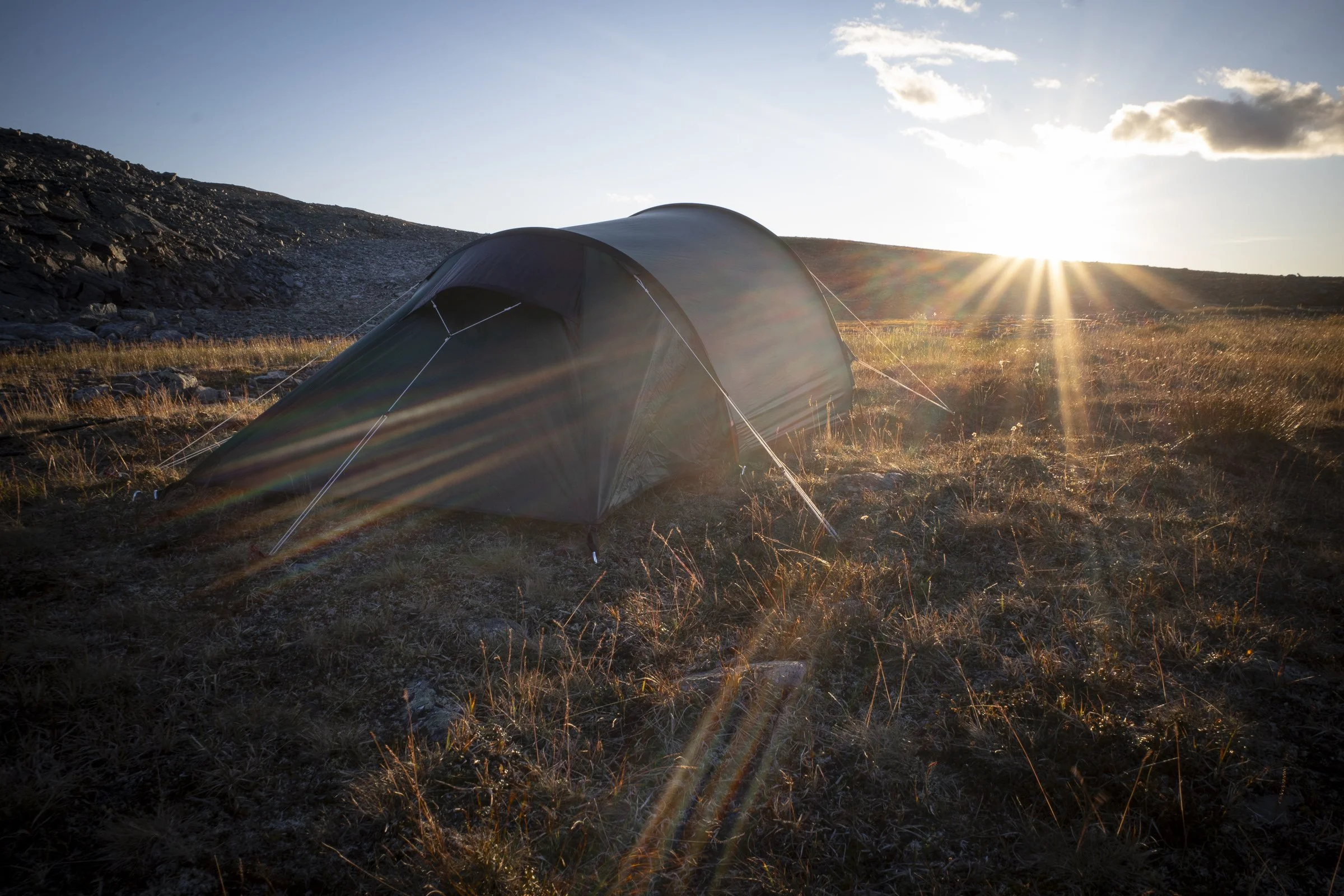
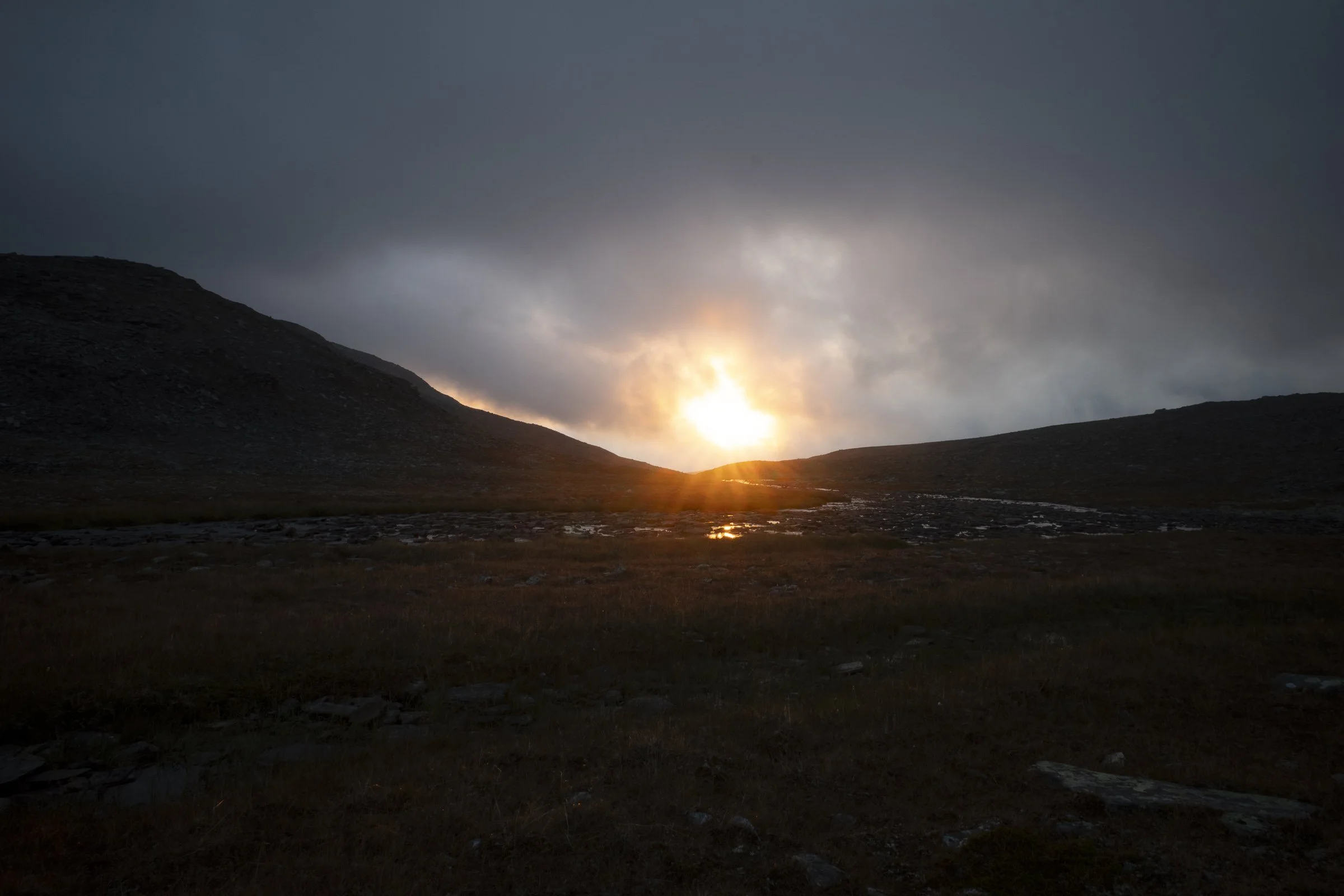
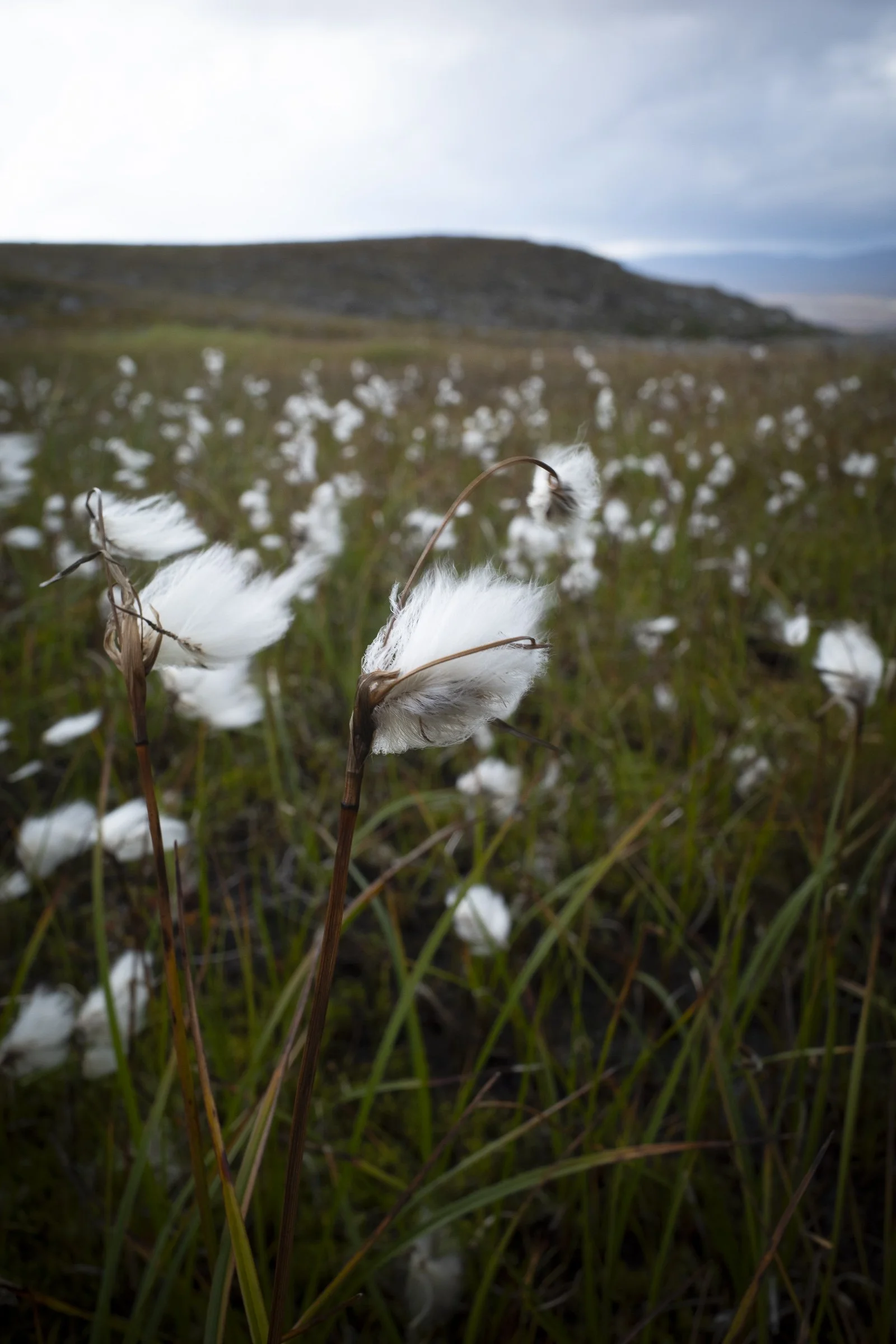
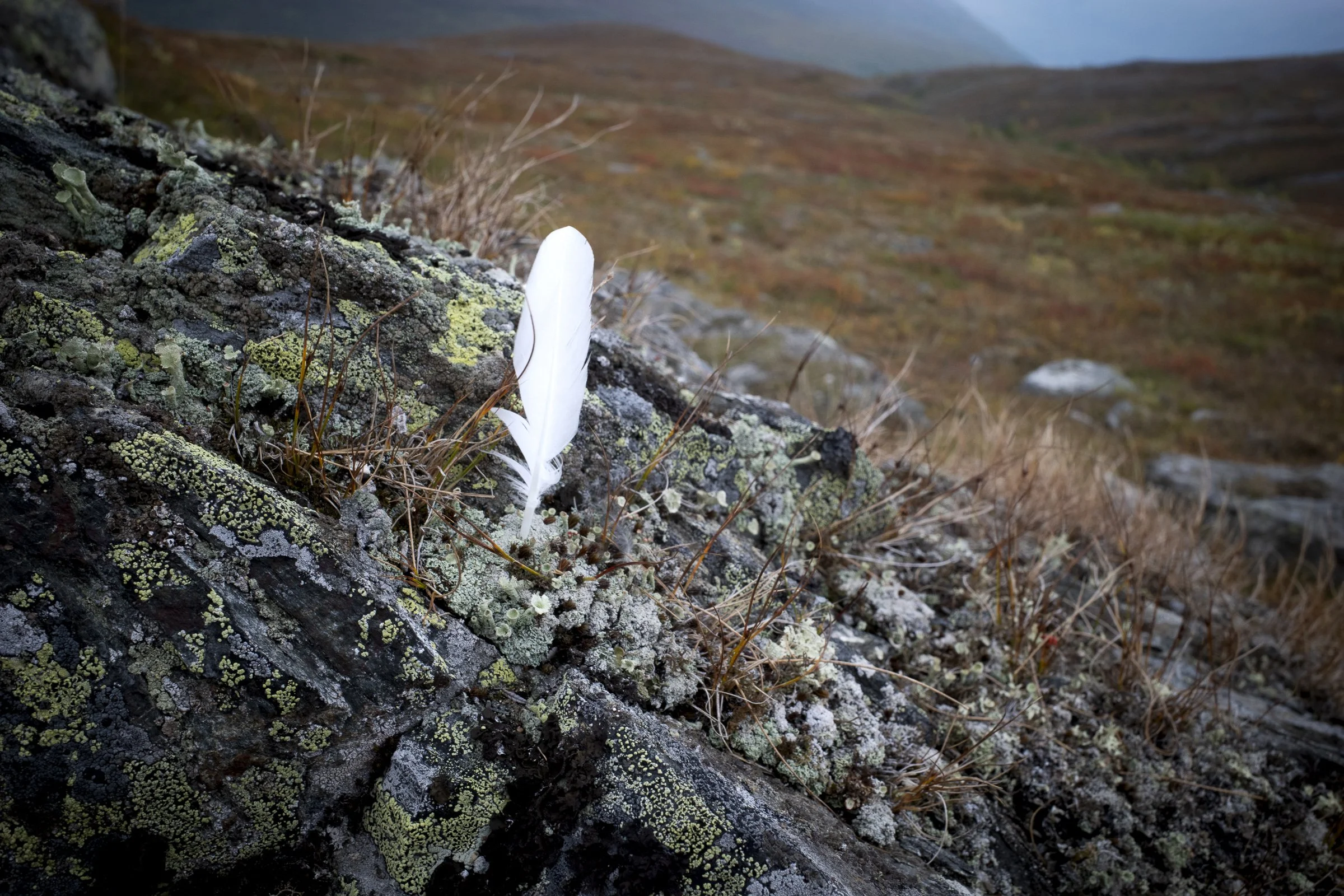
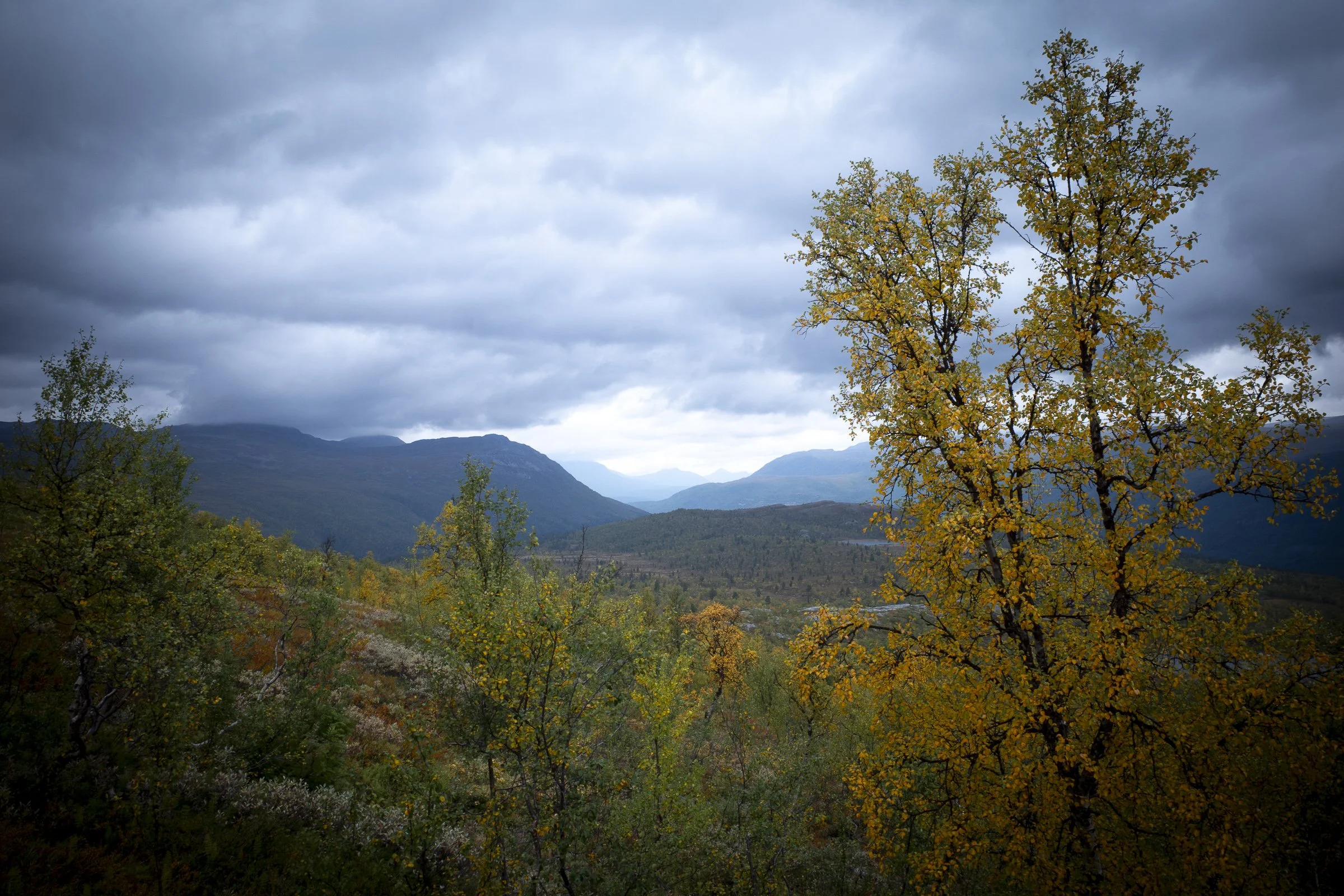
For me, fall is the best time to visit the Scandinavian wilderness that I so love. It is often sunny, dry, with gorgeous autumnal colors but no mosquitos. So that’s when I usually come. Fall 2025 saw me do a self-supported solo hike through the northern part of famous Nordkalottleden – or Nordkalottrutta in Norwegian. The whole trek is several hundred kilometers north of the Arctic Circle and wild, rugged and for long stretches really alone. Nearly 400 km over 20 days across Norway, Sweden and Finland. Fjell, moor, countless rivers to cross. And for the second part of the trip: wind, wind, wind.

Countless border crossings

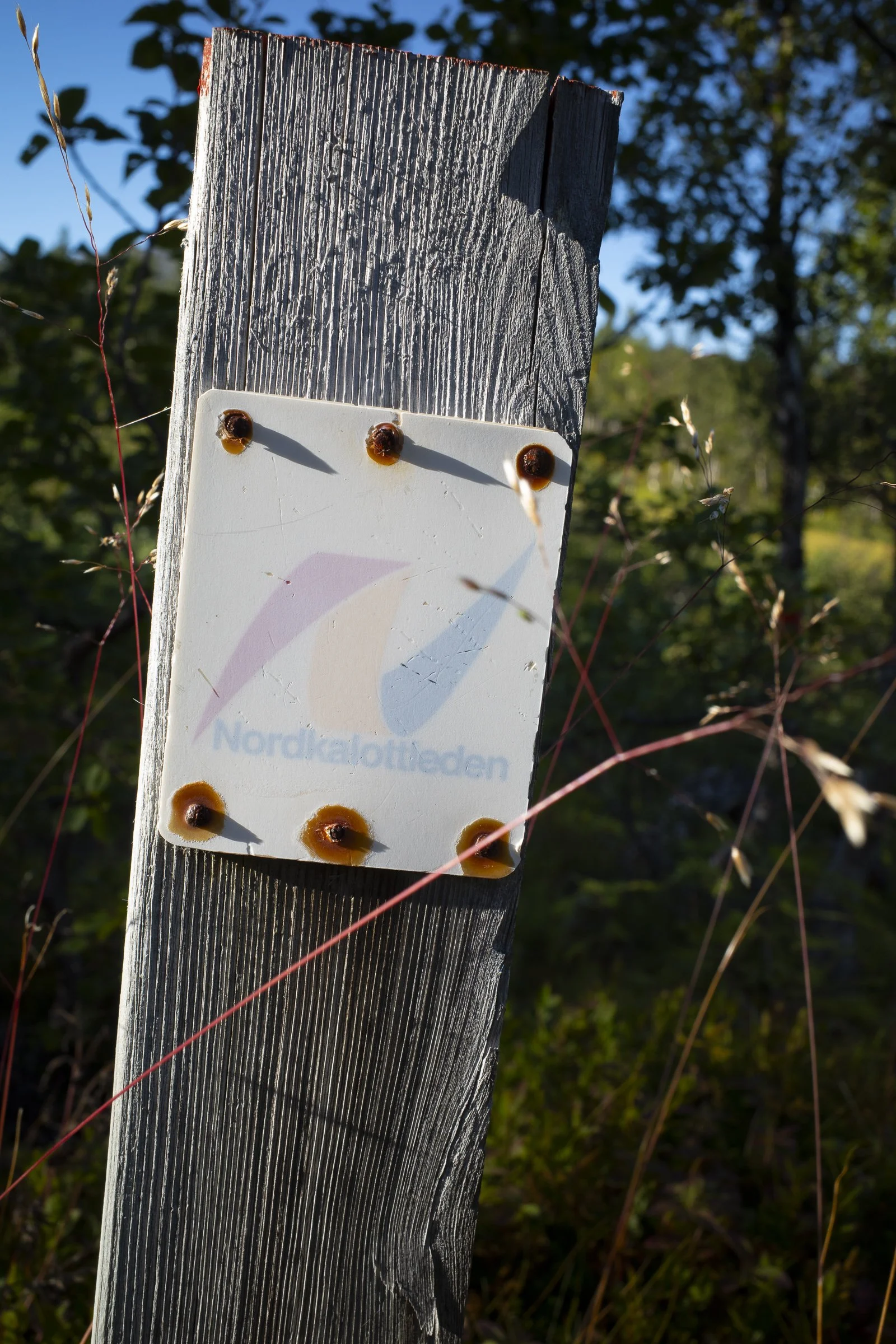
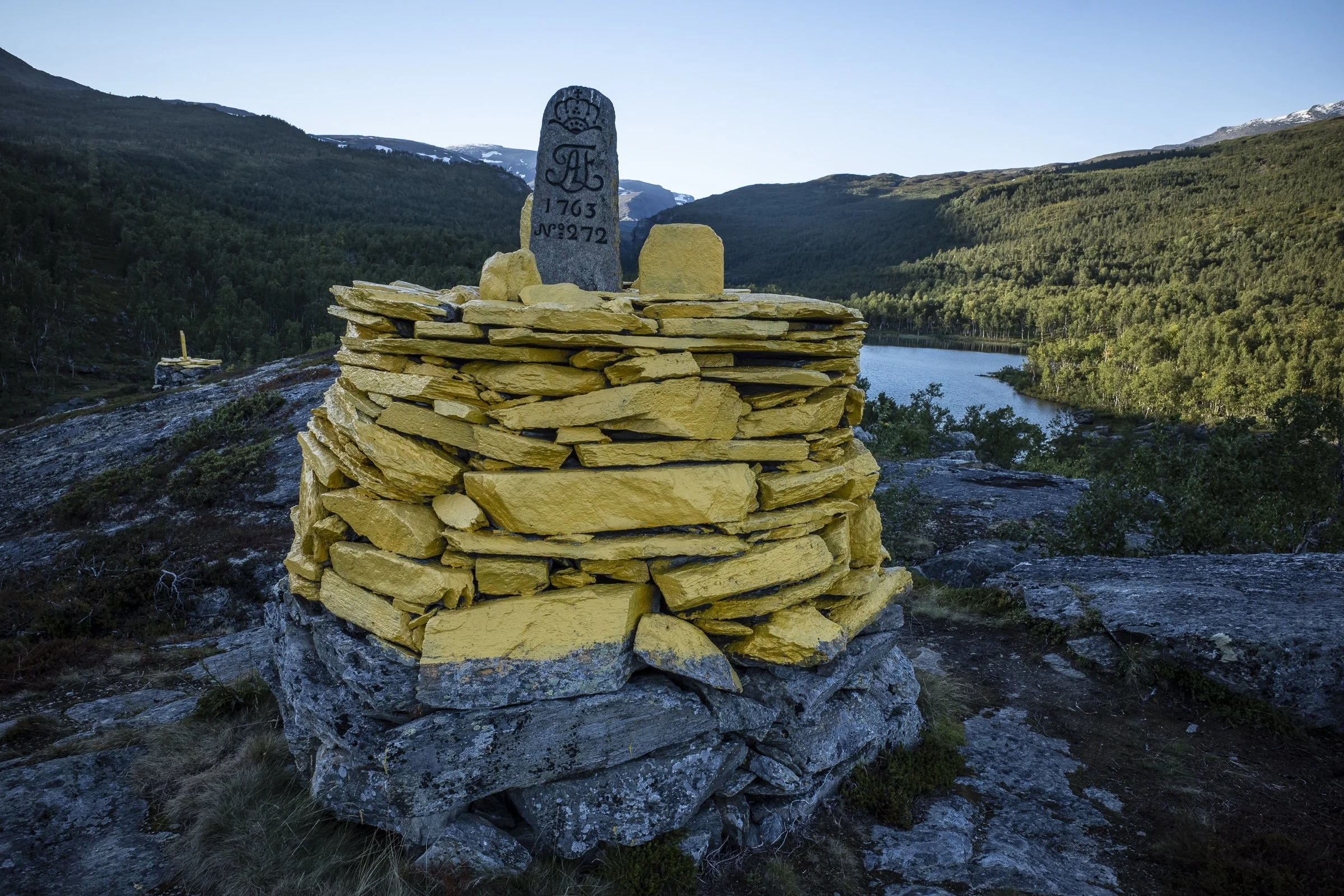
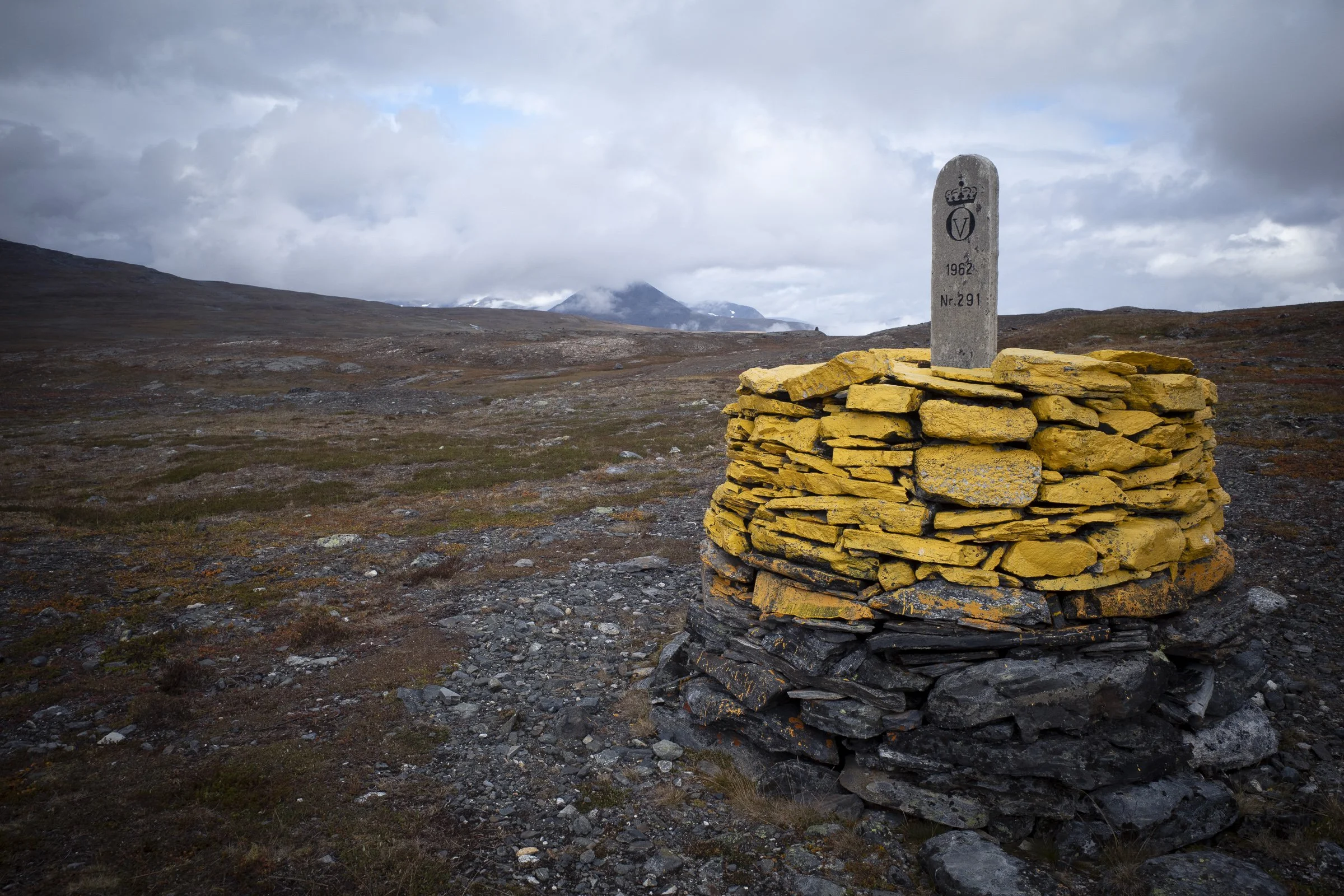
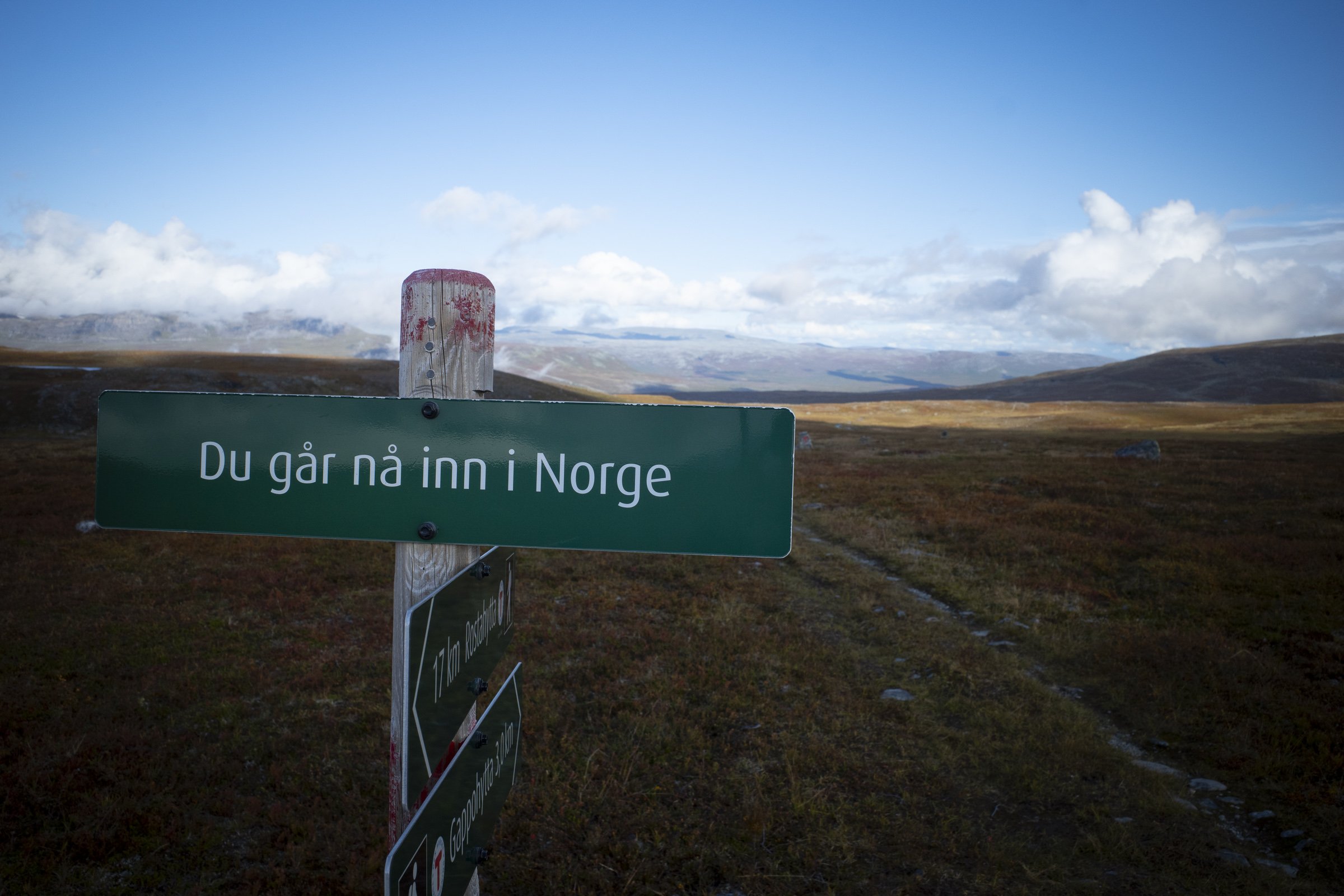
Crossing borders in the Nordics is easy as pie. I cannot remember how often I switched between the three countries. Some painted heaps of stone or a signpost marks the switch. No more. At famous Treriksröset near Kilpisjärvi all three countries meet.

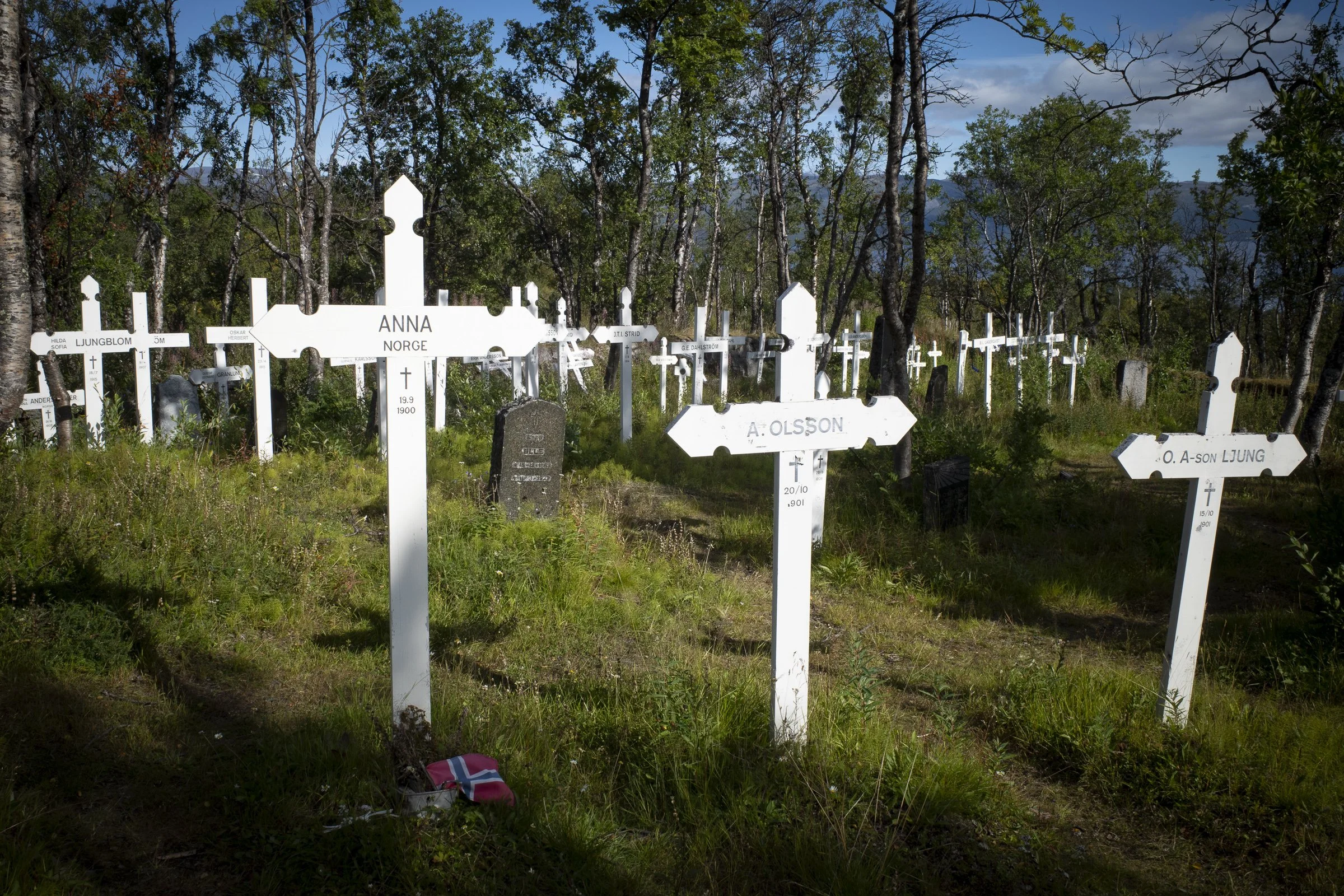
The grave of Anna – the black she-bear – at Rallarvägen.

Svarta Bjørn

The first few kilometers after Abisko lead over the famous and quite well trodden Rallarvägen (Norwegian: Rallarvegen) that remembers the hardships of building the railway tracks of the Malmbanan (Norwegian: Ofotbanen) up here in the subarctic wild. Kari Bremnes dedicated her wonderful record “Svarta Bjørn” (The black she-bear) to the memory of Anna, the cook of a brigade of workers and one of the female pioneers of the industrialization of the Scandinavian north. I took the opportunity to visit Anna’s grave.

Birds in their habitat

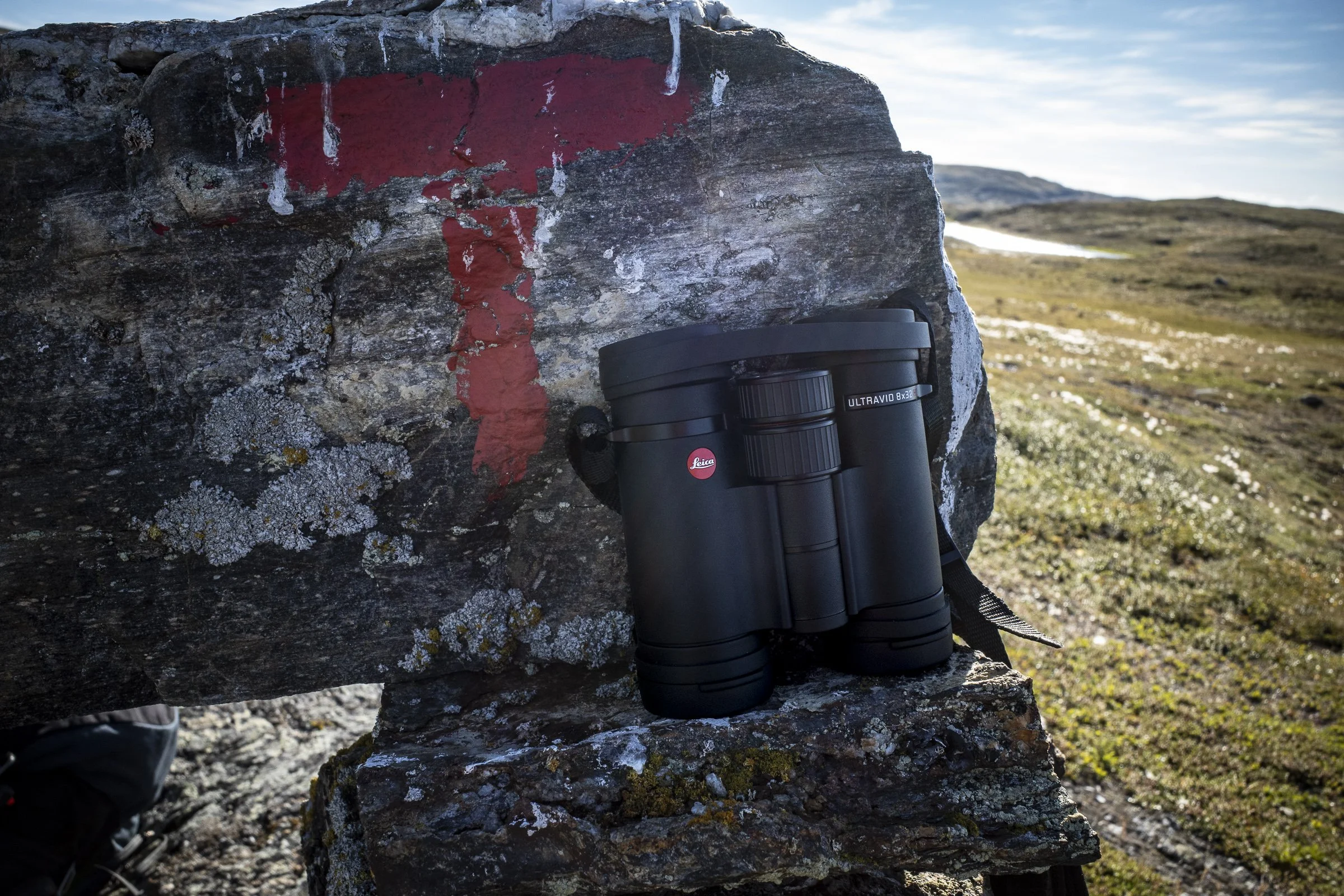
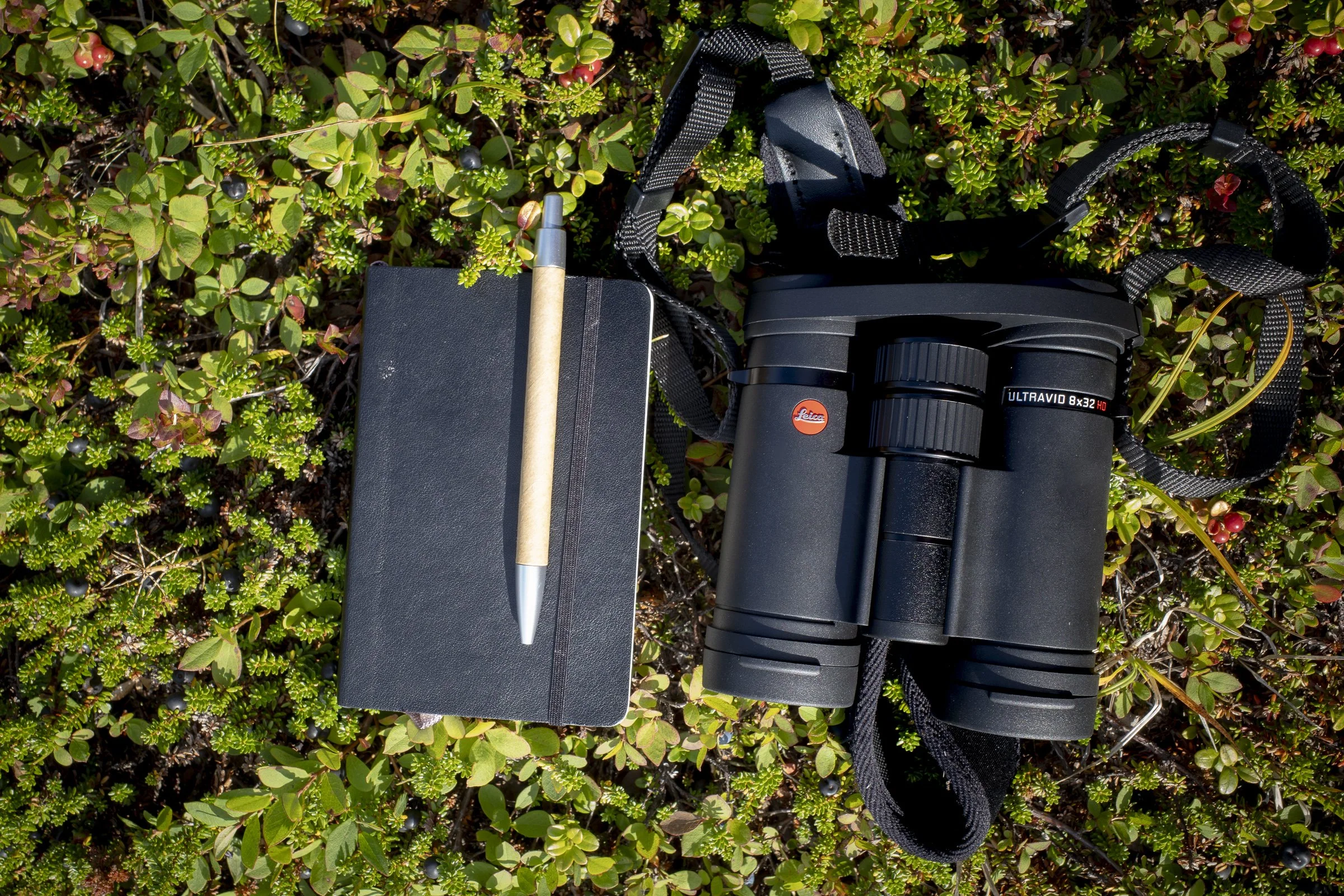
My Leica binos – courtesy of Orniwelt – next to the famous Norwegian trail marking “T”.

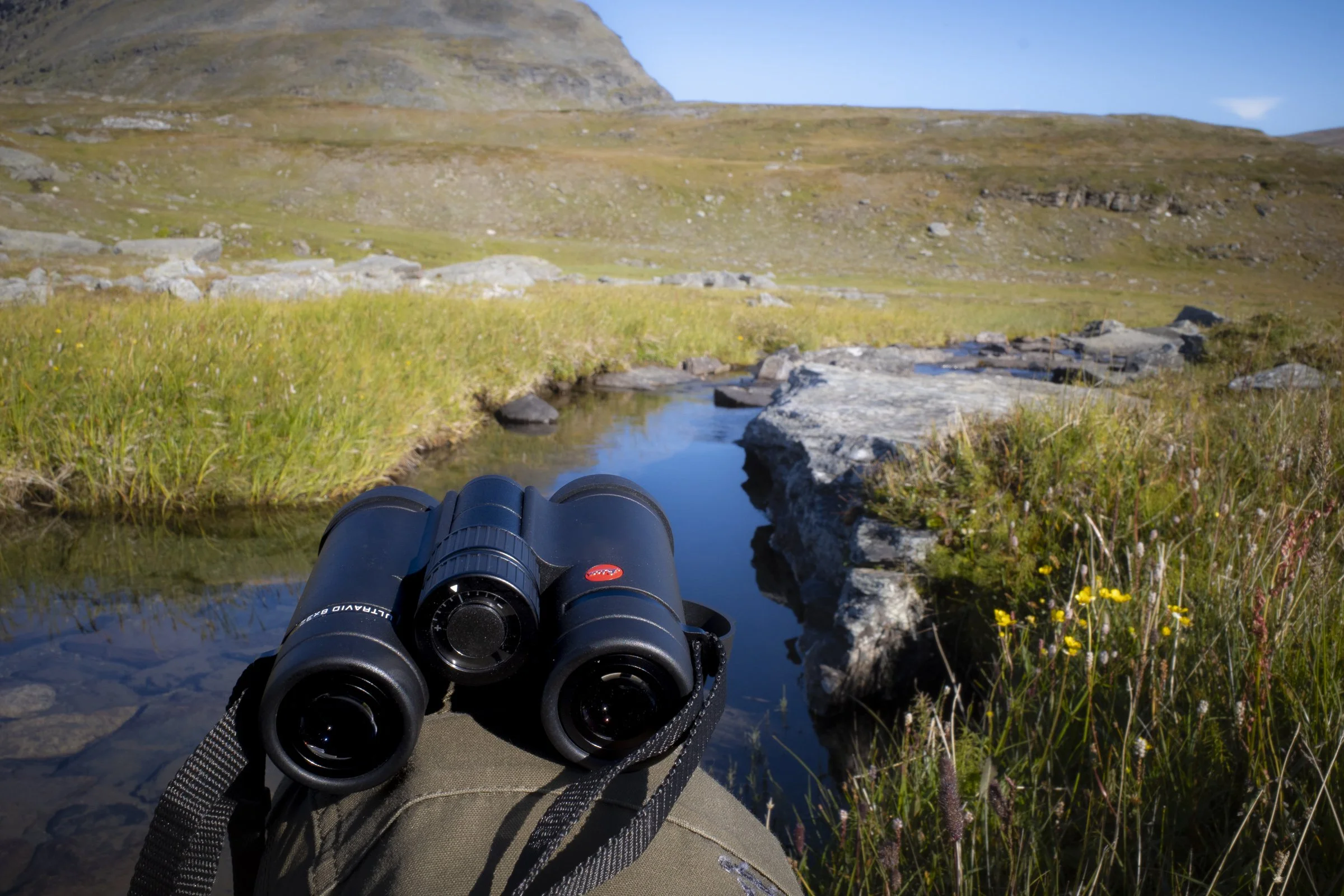
My friends at Orniwelt – in my books the best store for sport optics in Germany – hooked me up with a compact and lightweight, but optically excellent binocular as a loaner. A Leica Ultravid HD Plus in 8x32. Saving weight was crucial on that trip, where I had to carry food for two weeks before I could resupply, as well as all the other gear I need to survive alone outdoors. The binoculars proved to be an excellent travelling companion. Lightweight, but sturdy with superb optical and build quality alike. It allowed me to marvel at a European golden plover (Pluvialis apricaria) in full breeding plumage that still was incredibly well camouflaged up in the Fjell. I saw my first Long-tailed jaeger (Stercorarius longicaudus) – a real flagship species up north. Ptarmigan – both rock (Lagopus muta) and willow (Lagopus lagopus) – were a far more common sight. And of course, the humble lemming (Lemmus lemmus) – pillar of the ecosystem.

Endless, awe-inspiring landscapes

Me. Happy!

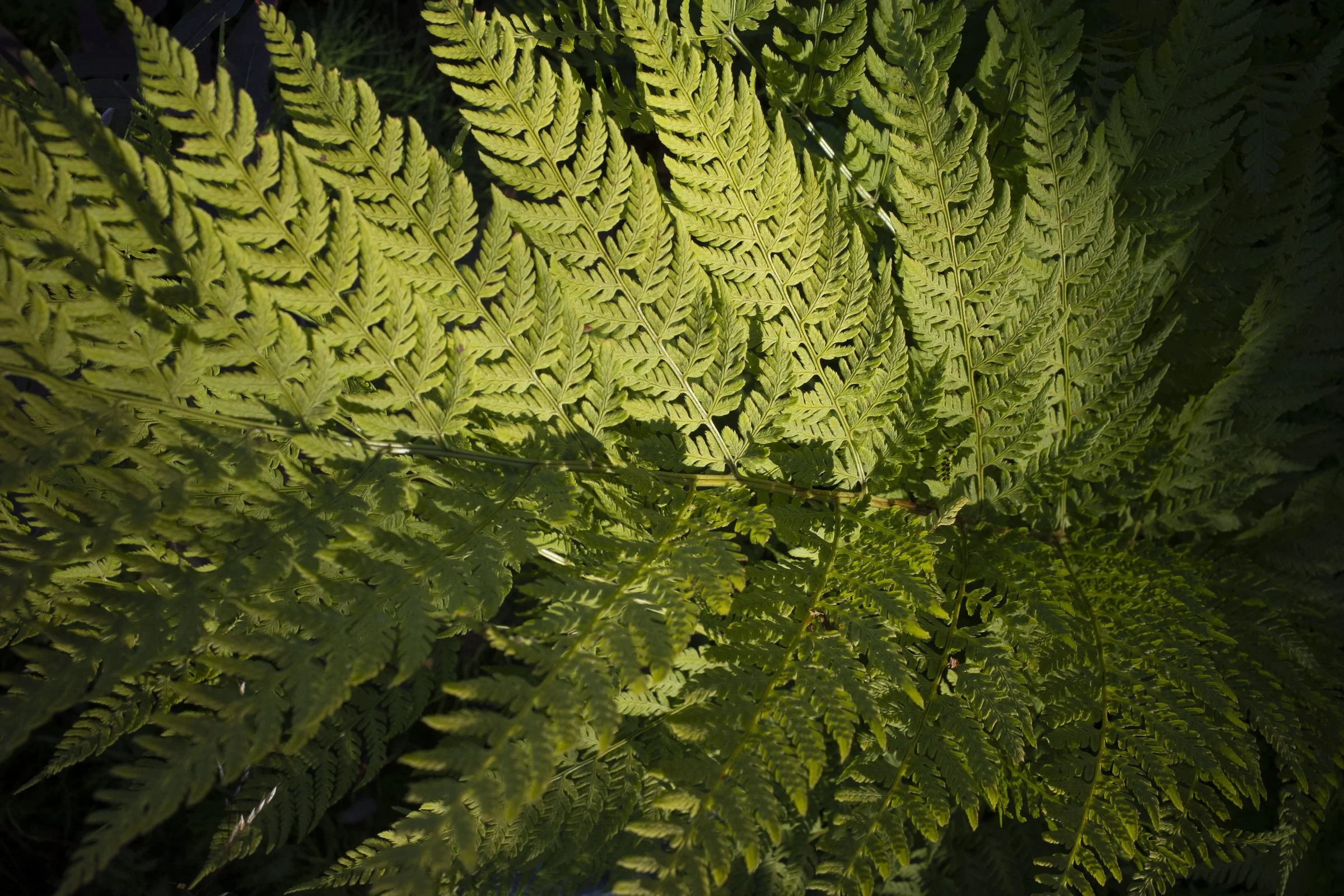
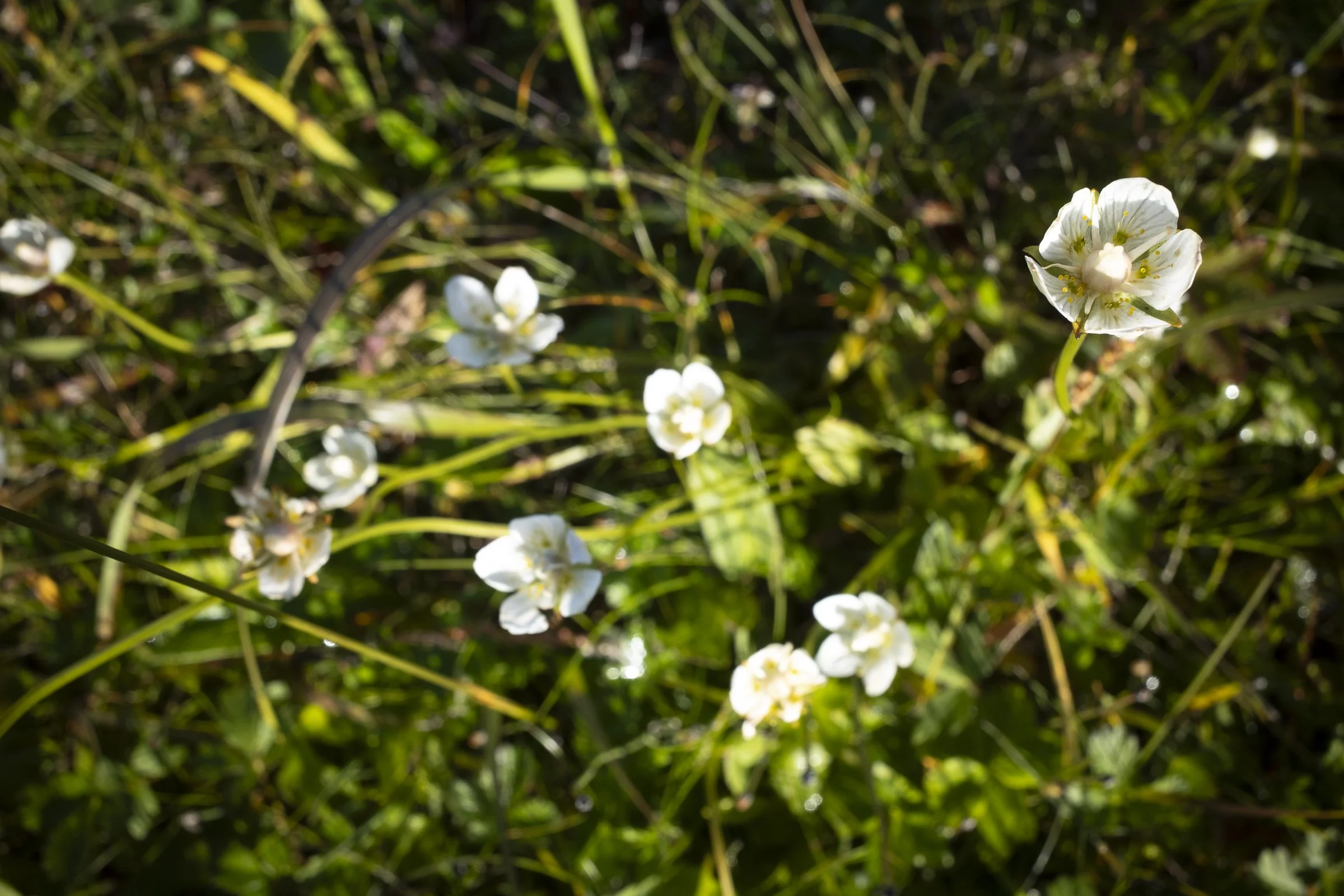
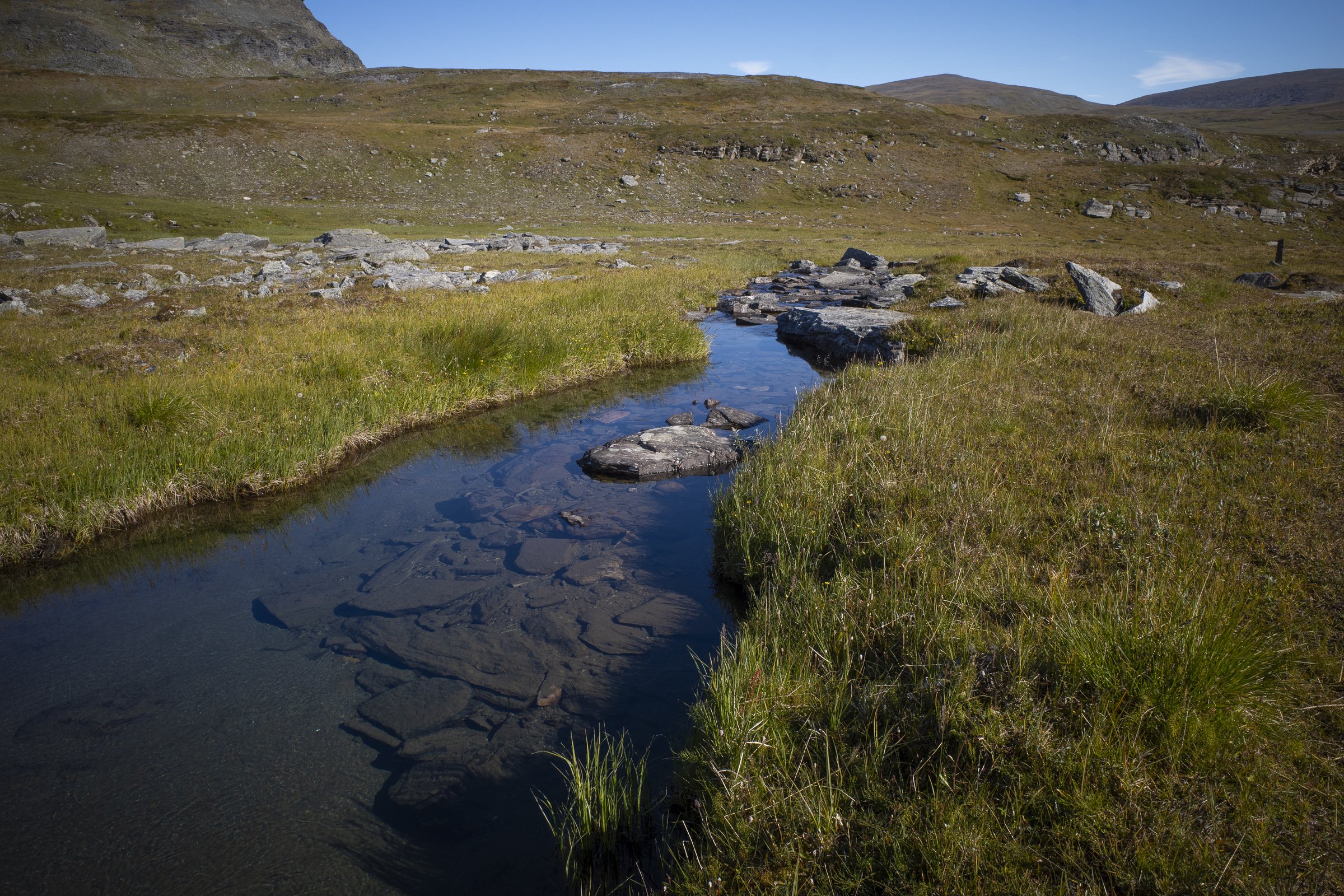
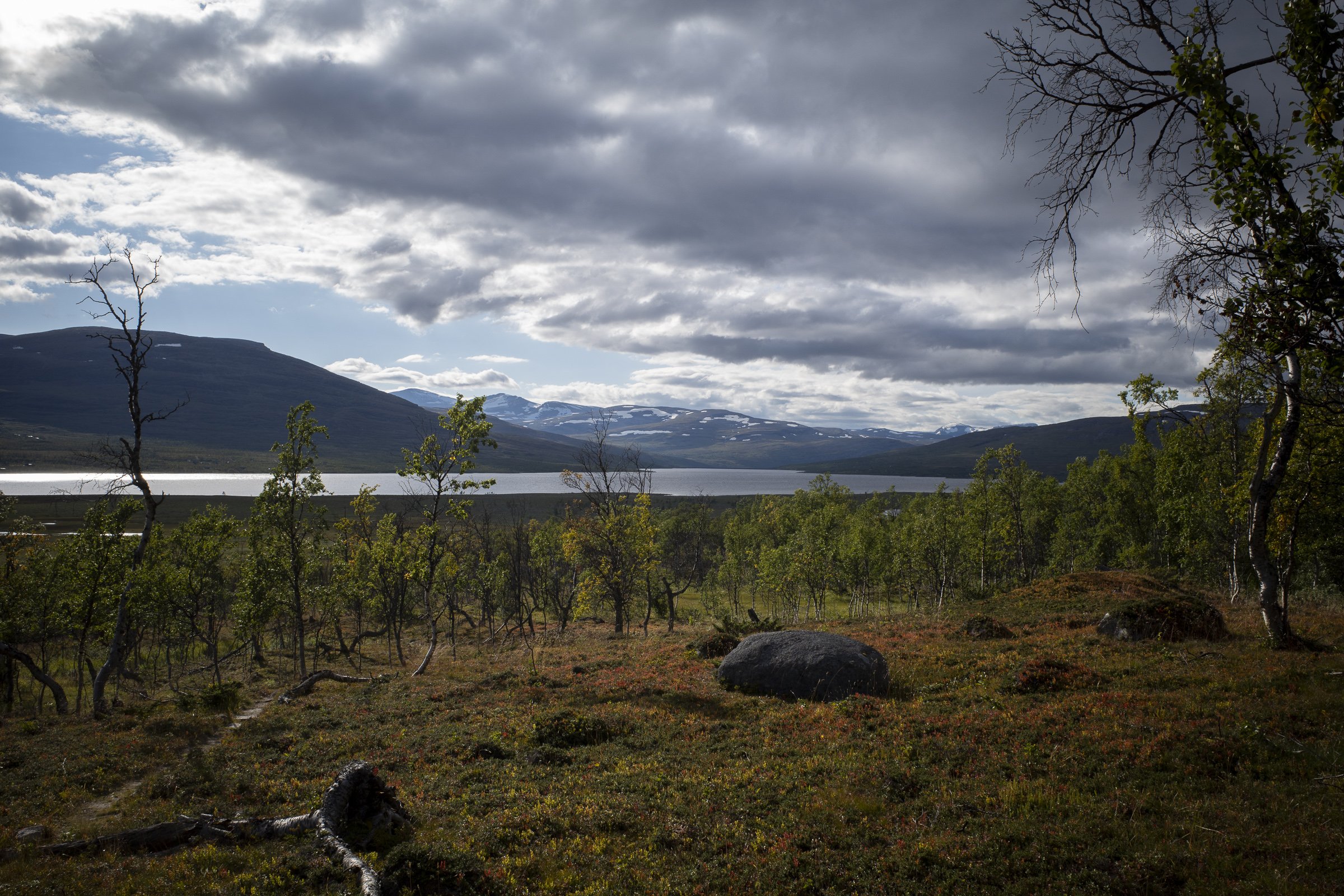
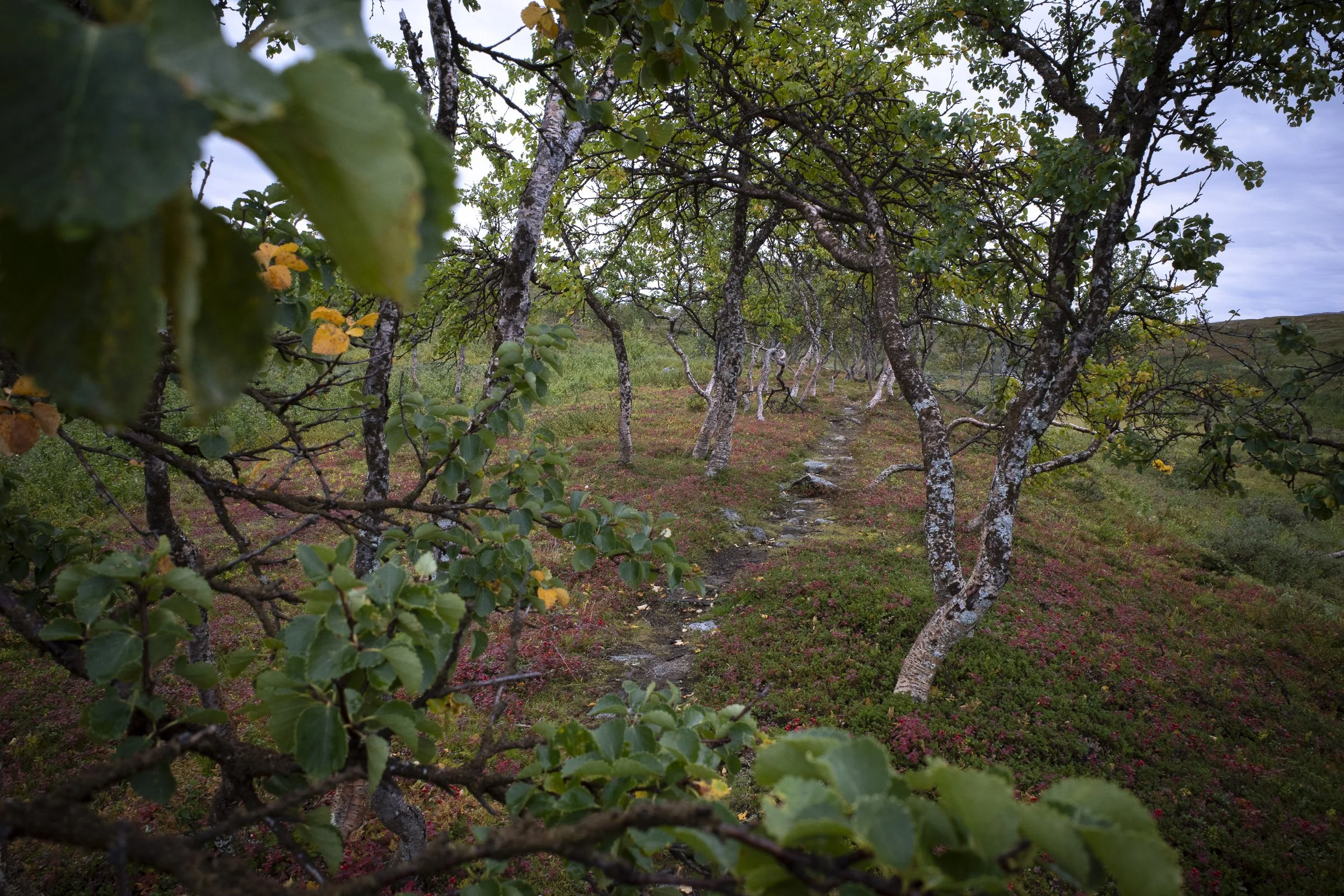
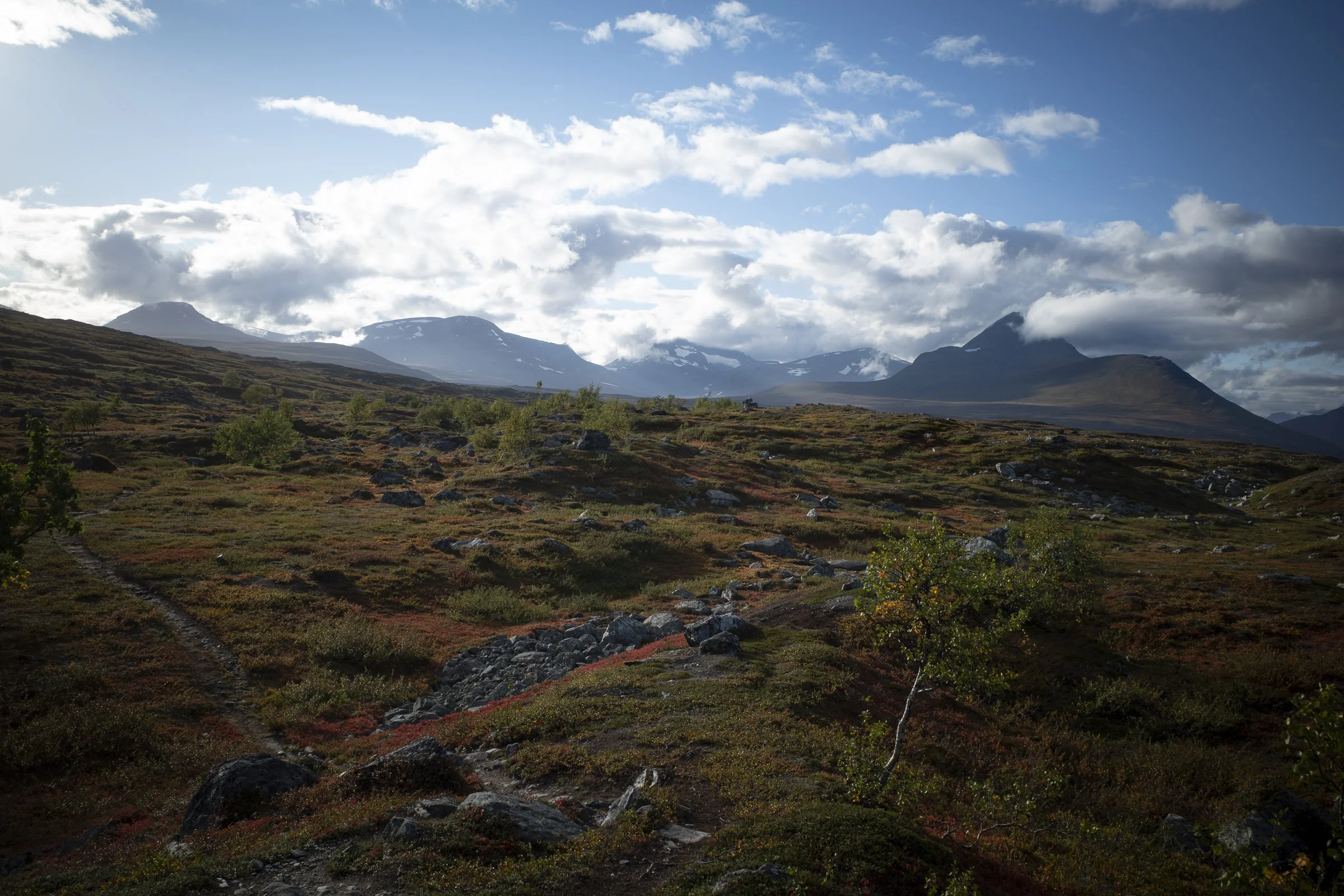
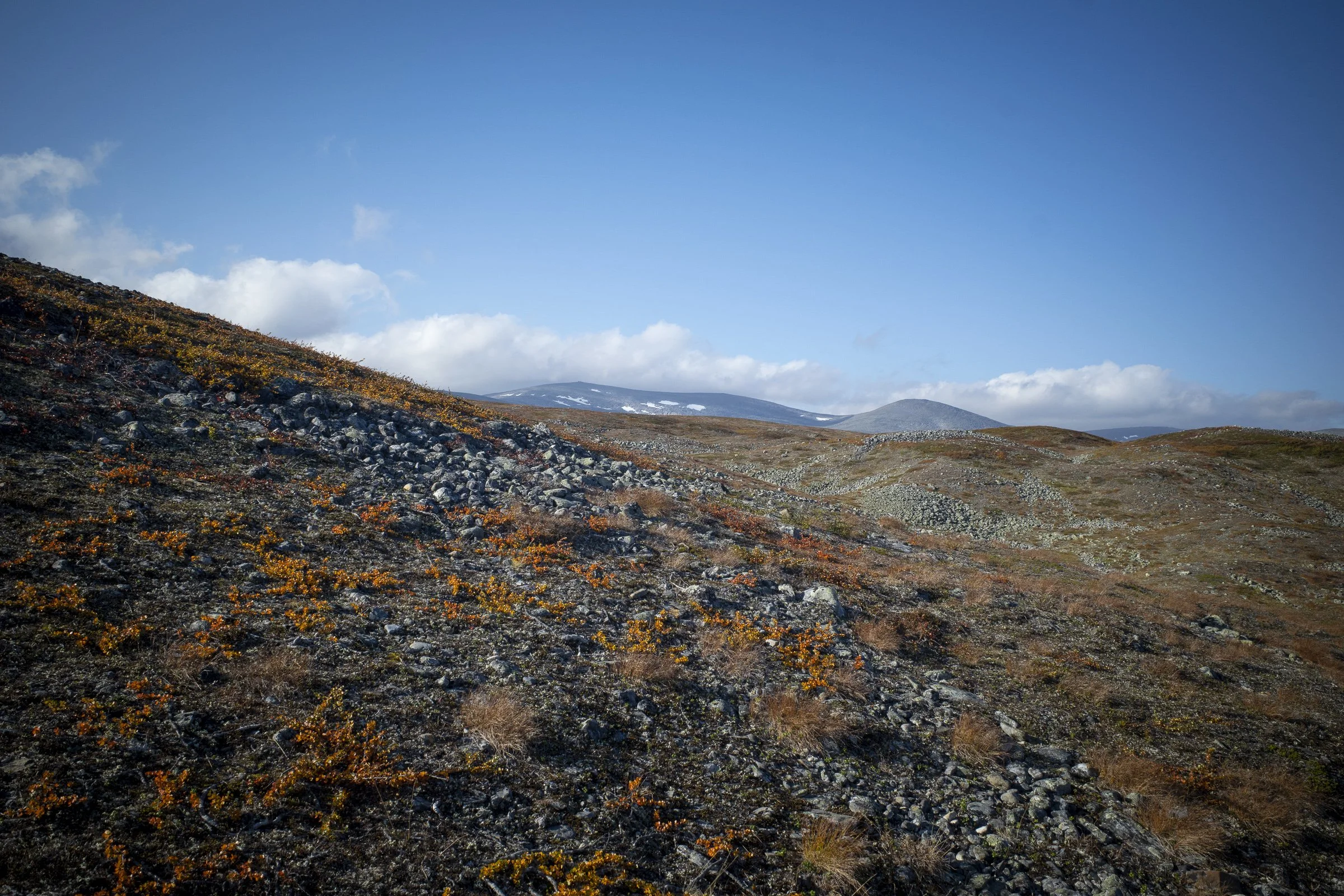
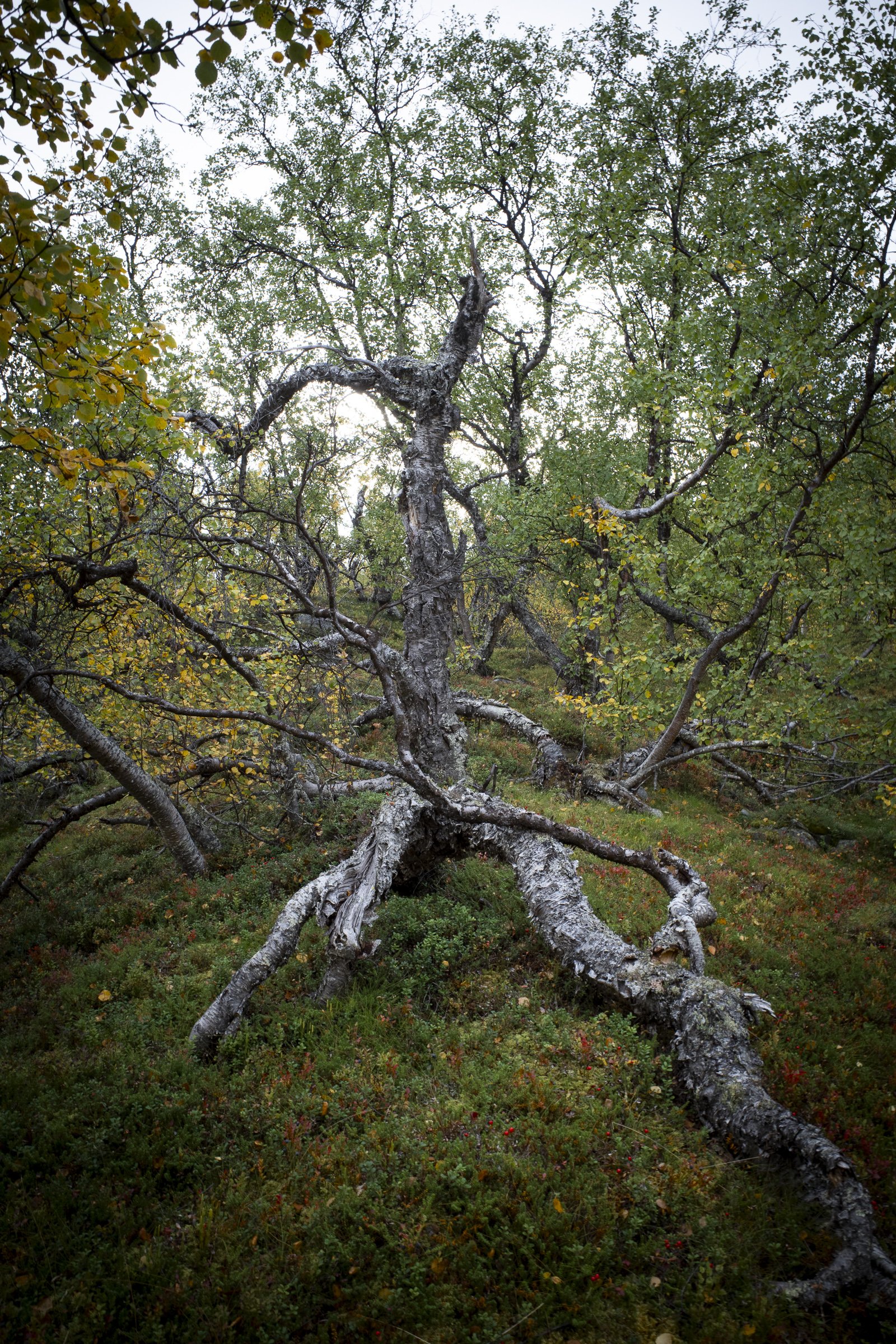
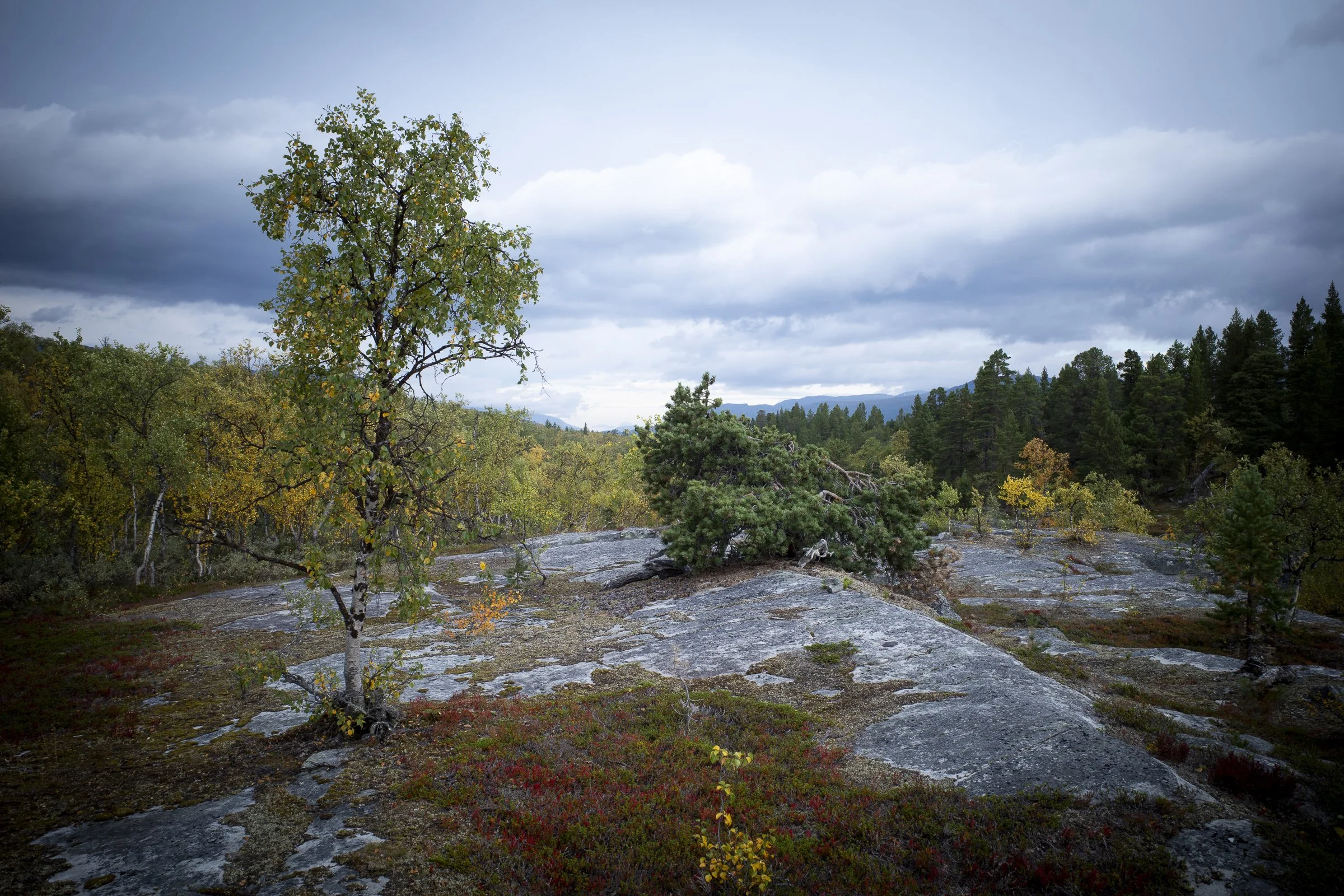
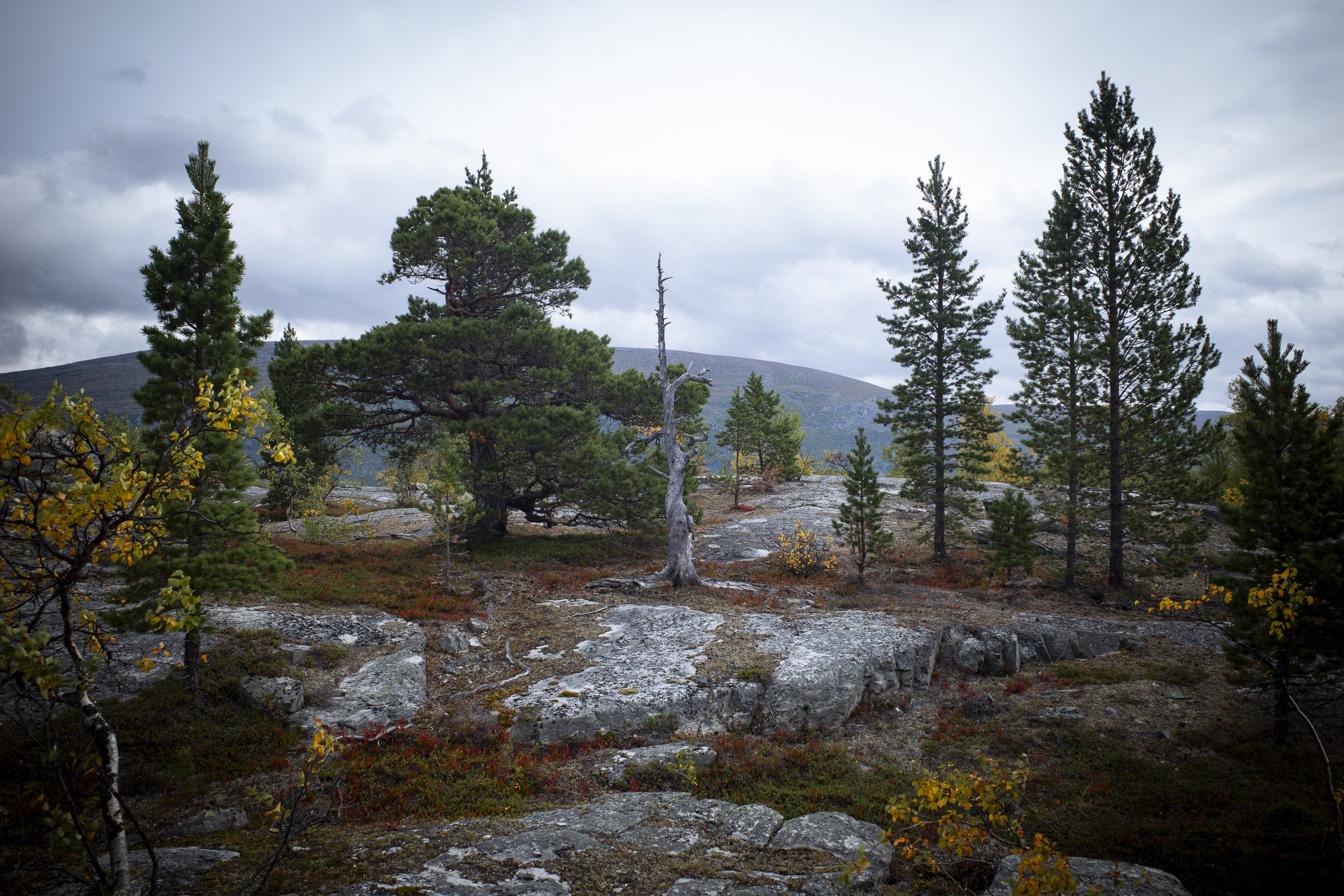
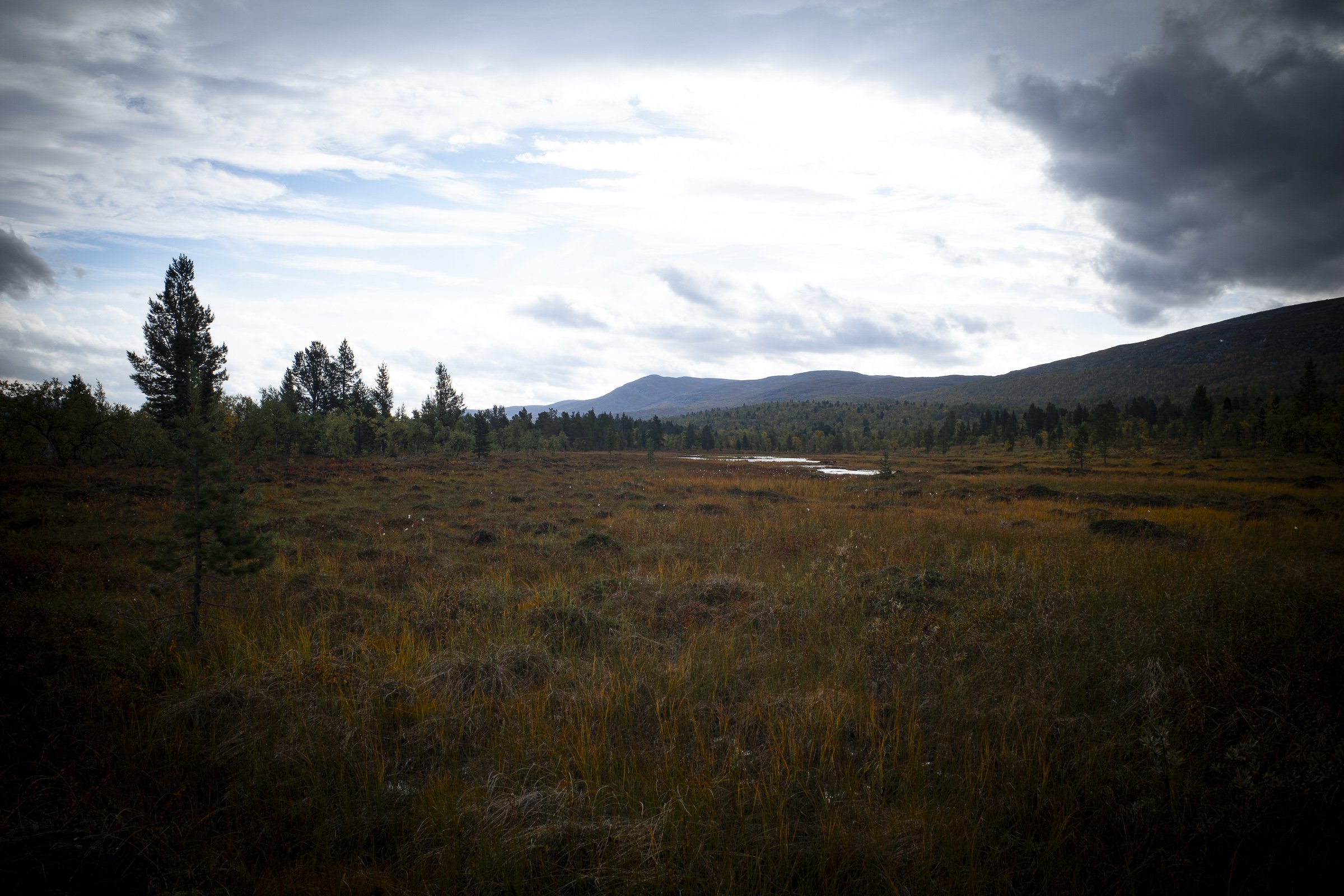
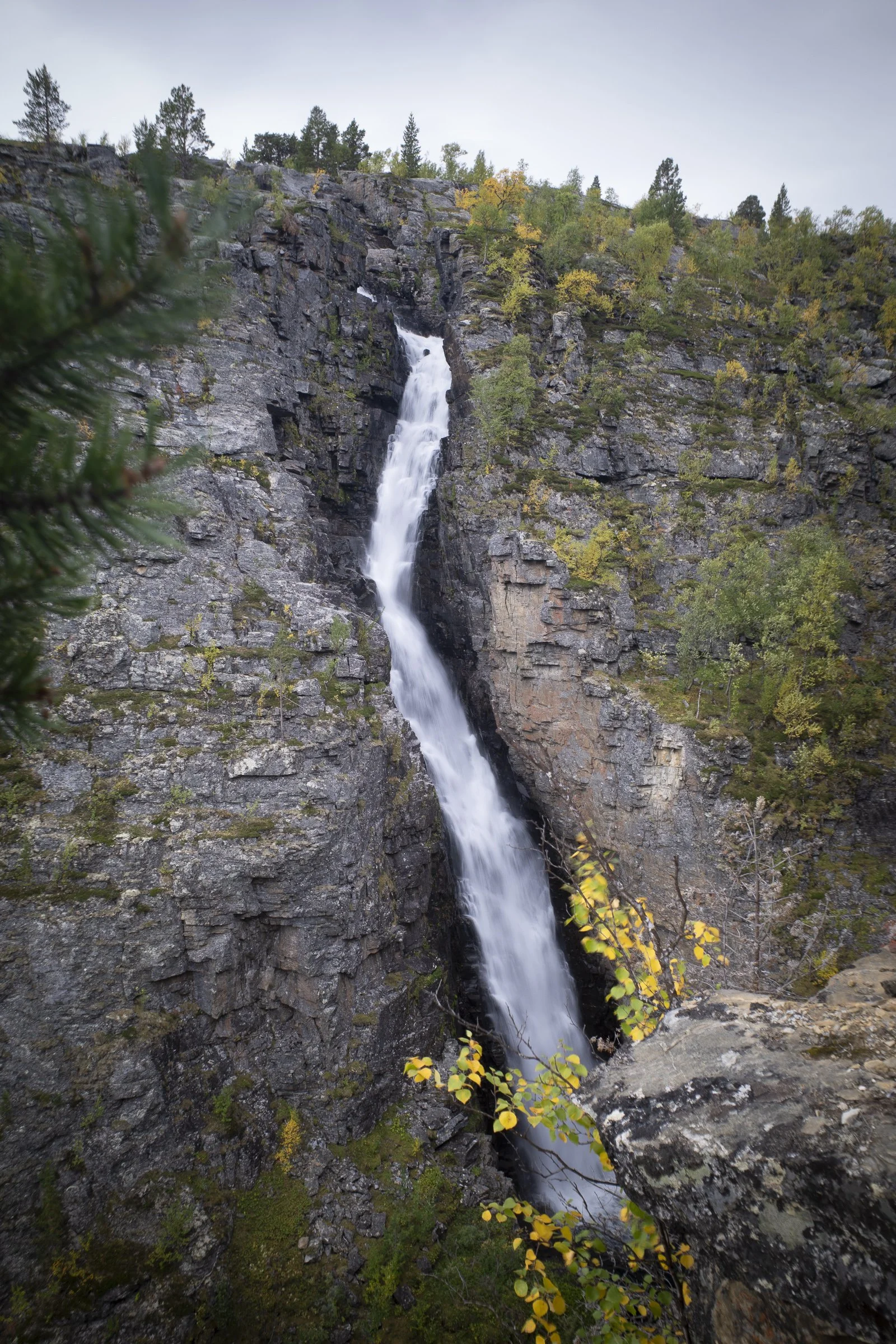
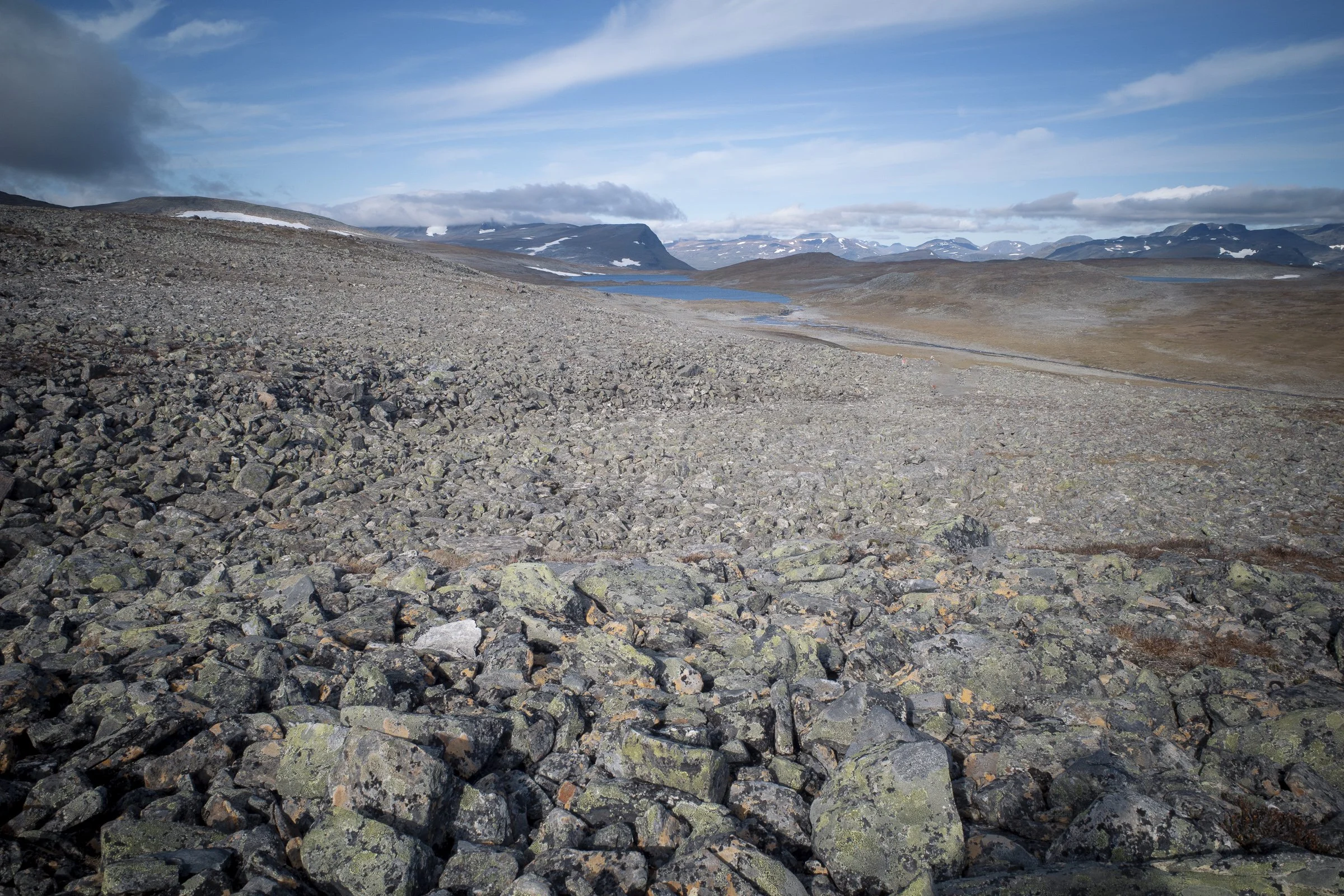
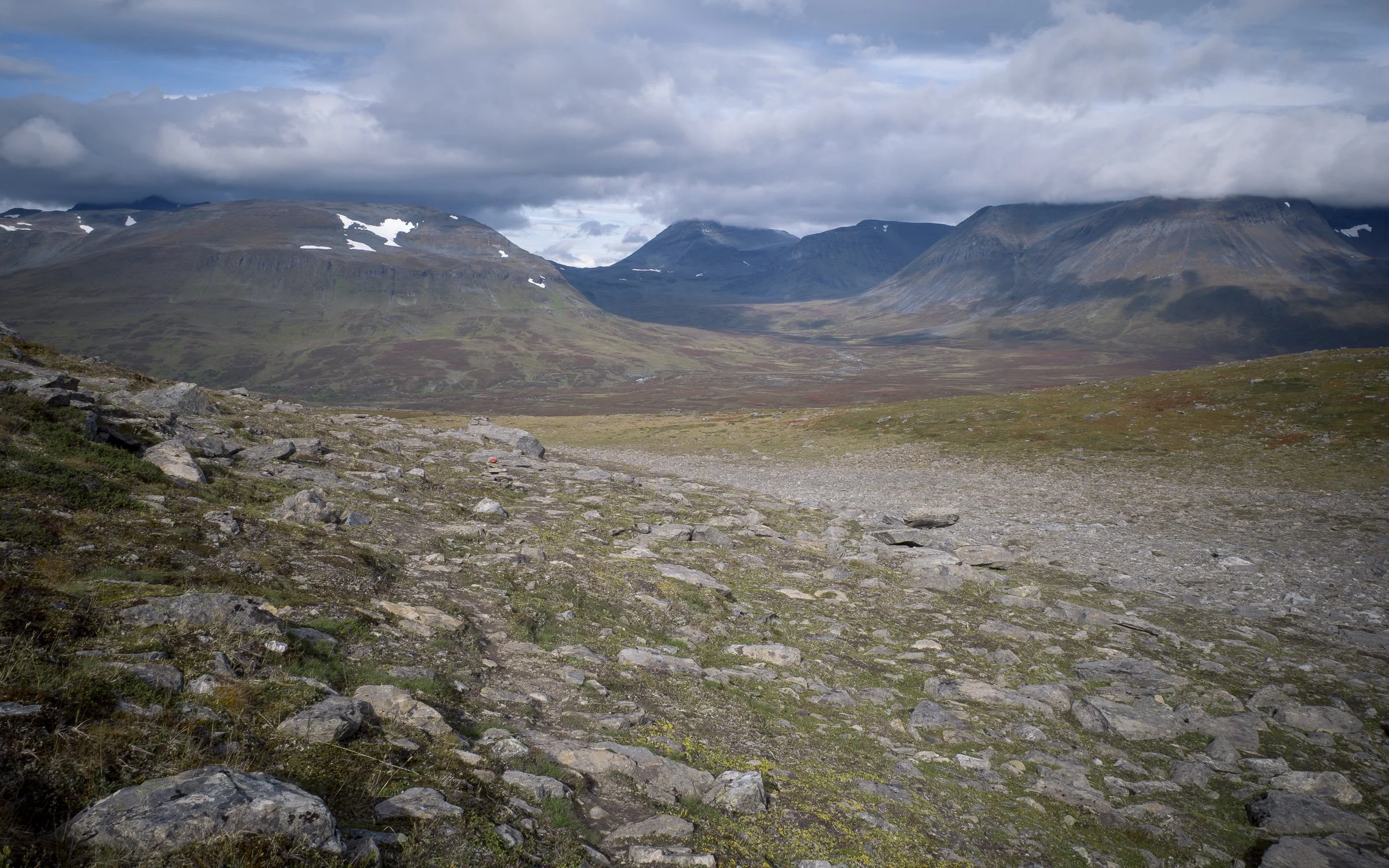
But of course, the real star of the tour is the landscape. Walking so many hours alone in this kind of environment really opens your mind to nuance and detail in this astonishingly big and wide open landscape. The tree line up here sits at about 400 to 500 meters above sea-level. For me, this is part of the magic of this landscape. The Scandinavian Fjell provides endless open spaces only interrupted by river valley full of ancient but small birch trees or down in the sheltered valleys of Norwegian Øvre Dividal national park even primeval pinewood. Yet color is everywhere. Not only the leaves of the birch trees glow in thousands of different yellows, oranges and reds. Bushes and shrub like blueberry or crowberry are at least as colorful.

Everything about this place always brings me back. The subarctic landscapes of the far north of the Scandinavian peninsula always make me happy.

—-

Photos, photos, photos (click to enlarge)

To make the images more managable, I divided it roughly by stages of the trek.
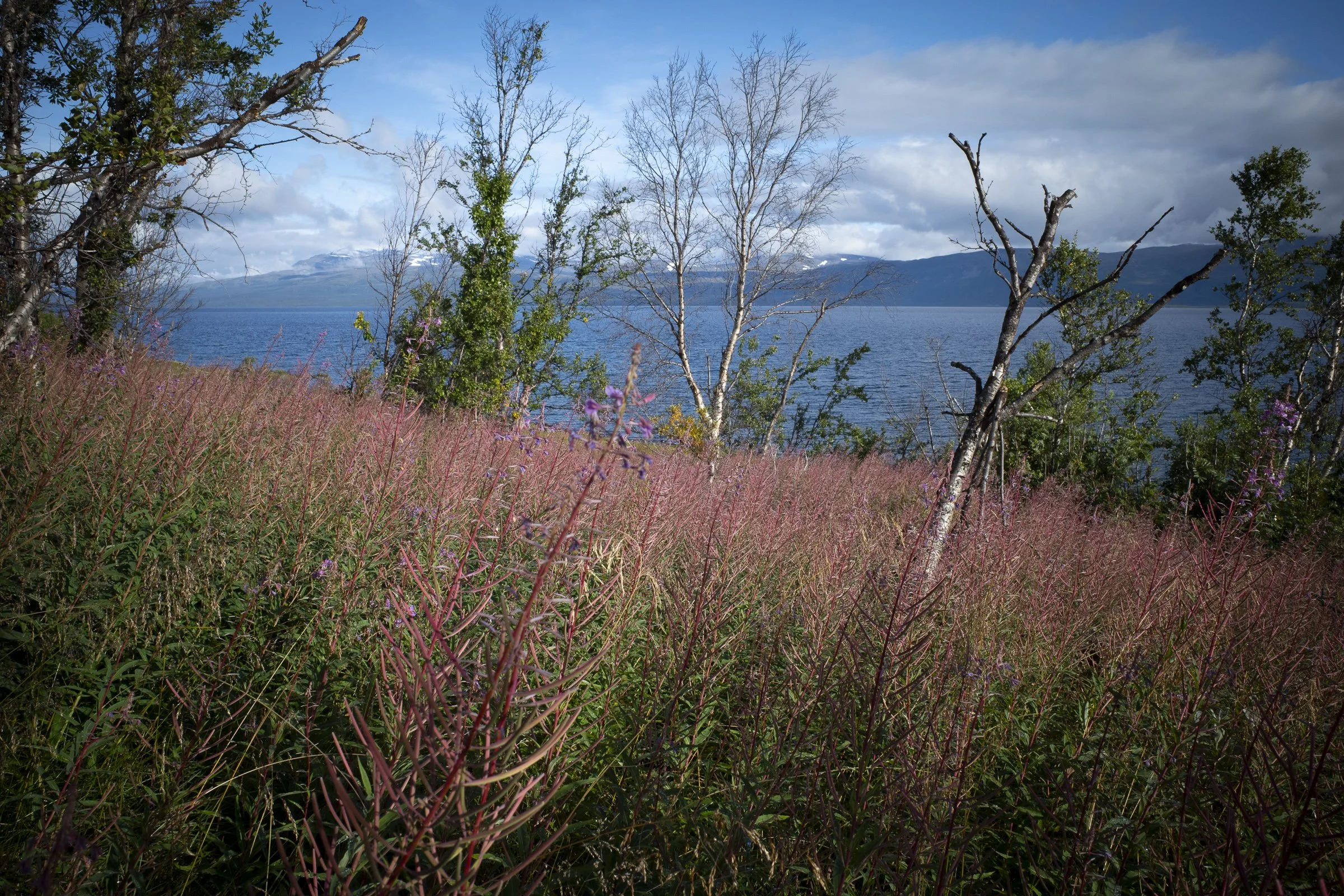
From Abisko to Innset

Øvre Dividal national park to Kilpisjärvi

Käsivarsi wilderness area to Reisa national park

Birdrace 2024 /  by Arne Bischoff

High speed on an E-trike bicycle.

Every first Saturday in May is a special day in the German birding community. It’s birdrace day. The goal: To ID as many bird species as possible within 24 hours and one district. For 20 years, the birdrace is there to cherish bio- and bird-diversity, raise awareness for the ongoing biodiversity crisis and money for ornitho.de: way over half a million Euro since 2004. Ornitho is one of the largest citizen science plattforms in the world with over 70 million bird observations in Germany alone. The platform has a lot of sister platforms all over Europe. Its knowledge base is invaluable for science, conservation and policy making.

A big shoutout to DDA e. V. for hosting ornitho and organising the birdrace. And another big shoutout to all fellow birders, who make this day to a festive day for all nature lovers by sharing rather than competing. You are a great community.

In 2024 I participated with an electrically assisted tri-wheeled recumbent due to a shoulder injury. You find my full list of observations down below (German and Latin).

📷 Luka Gorjup | Lux Fotowerk

The full list

Life and death /  by Arne Bischoff

A Bluethroat (Luscinia svecica) defies the monotony of modern rapeseed fields.

Right now in late spring, the rapeseed (canola) flowering is fully on. With its vibrant yellow colors you can be forgiven to think of it of as an epitomy of life. In fact. It's death. Modern rapeseed fields are highly industrialised, highly pesticided, life-defying wastelands. Nothing else is growing in it and next to no animals flourish from it. Some Bluethroats or European Stonechats maybe. But when the vibrant yellow is gone, a brown monoculture of stems is revealed.

This is what you see in the second image. On the right side. The death side. On the left side, you see a stripe of wildflowers long past its bloom, but still full of life and food. A window in a cultural landscape still close to nature that once was. Before industrial agriculture arrived.

Left is life. Right is death. While the sun is setting.

The dirt spot /  by Arne Bischoff

I mainly blog about birds, nature and nature photography. But I happen to be an enthusiastic mountainbike rider for longer than I am into birds and I do work in bicycle media, too. So cycling and especially mountainbiking is quite a big thing in my life.

Recently, my friends from Trailtech Mountainbiking accomplished a community pump track project. A pump track is a circuit of rollers, banked turns and features, designed to be ridden completely by "pumping" – generating momentum by up and down body movements, instead of pedaling.

Kudos and a massive thank you to everyone involved in the project. The place has quickly become an attraction in the small community and more: a wonderfully inclusive, inviting and immersive spot for young and old, bicycle affected or not - for everyone! And boy, do I love this pumping!

A winter walk with the GDT /  by Arne Bischoff

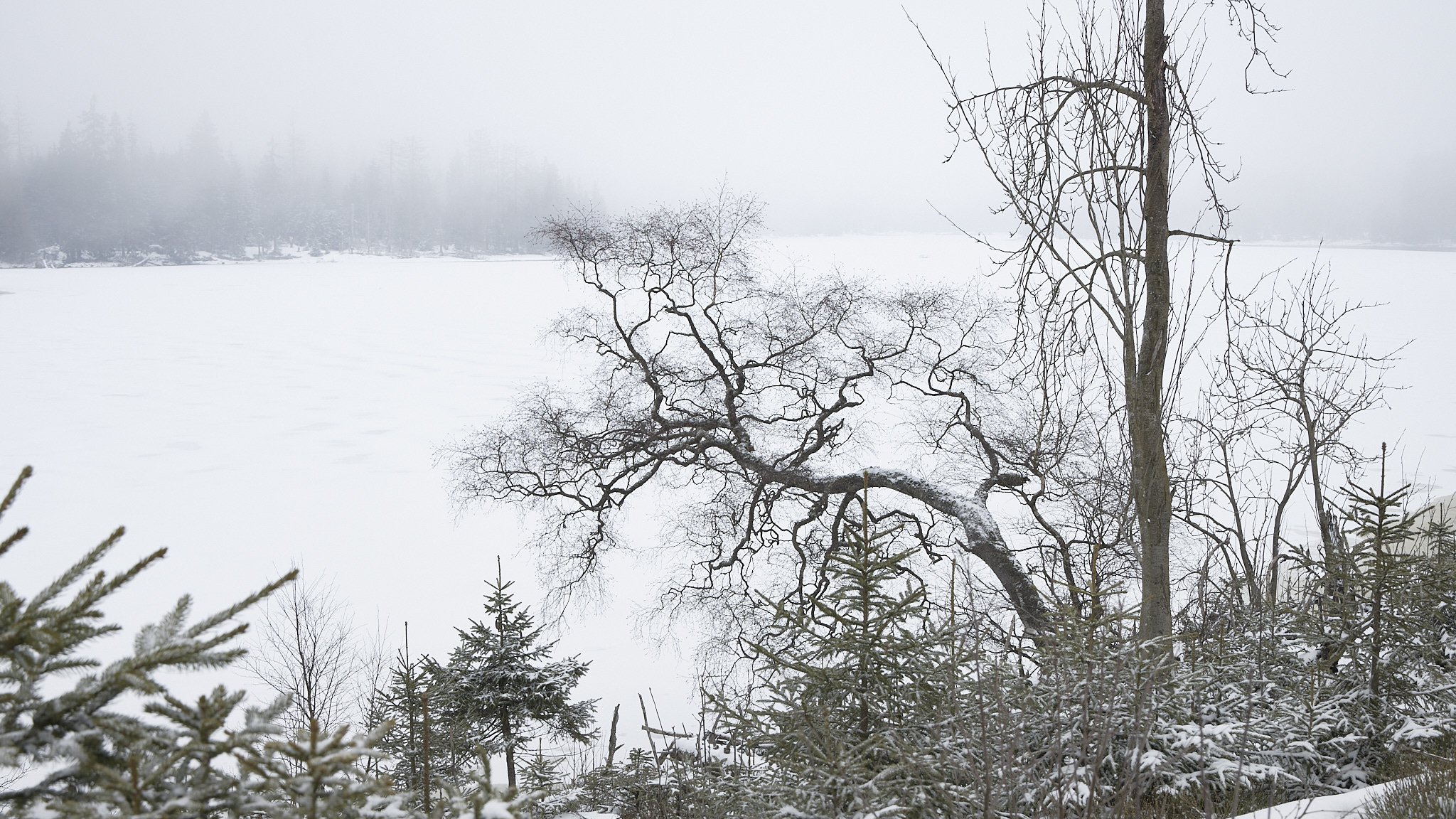
The winterly Oderteich lake seen from the eastern shore.

Back in February 2022, I spent some time in the local Harz mountain range. I was out with a group of the German Society for Nature Photgraphy (GDT). The GDT is one of the most renowned nature photography organisations in the world, best know for its annual competitions European Wildlife Photographer of the Year and GDT Nature Photographer of the Year. The society is organised within regional sub groups, who go out on excursions, do exhibitions, book projects, critique images together or just share some time with like-minded spirits. And this is exactly what we did. I accompanied my friends through “my mountains”, sharing a little local knowledge and learning from much more skilled and accomplished nature photographers.

Harz mountains: Nature’s building site

The Harz mountains are a classic Mittelgebirge. Its highest summit the Brocken sits only 1,141 m above sea level but features a Scandinavian or Alpine climate. The mountain range was subject to centuries of mining which lead to the plantation and harvest of fast growing spruce monoculture. In recent years, the Harz lost nearly 75 percent of the spruce biomass to a combination of climate change, heat, drought and the bark beetle benefitting from all of it. The erstwhile dense spruce forests seem dead to a lot of people, but it is not. The local national park (Nationalpark Harz) does not intervene with natural processes and lets nature do its very own rewilding programme. Especially the standing Coarse woody debris and the open space attract a lot of pioneer species and lead to a renewed ecological succession. What many perceive as dead is actually more biological diverse and species-rich than the plantations, we learned to know as “nature” (if you are interested in an in-depth explanation, check the embedded video). Losing the spruce monoculture is actually a win for bio-diversity.

Winter photography at Oderteich

Oderteich - a barrier lake - sits at the heart of the national park. It was a quite obvious location choice. You can experience all changes of the ecological succession here. Living spruce, dying spruce, dead but standing spruce, windthrown spruce, pioneer plants such as white birch or mountain-ash; and of course the winterly lake with ice, frost, snow, open water, and mute colors in all its glory.
I know the place really well, but this visit was a true first for me. We were a group of twelve (ish) and everyone was on his or her own and together at the same time. Wandering alone or sharing ideas or thoughts and working, slowly and deliberately their crafts. I felt a little shy in the beginning and was completely unused to this style of photography, usually preferring to be a lonely wanderer with animals as my hasty subject. So I did not take a lot of images. But I learned a lot. Thank you, for the experience, my friends!


Editorial photography: business and passion /  by Arne Bischoff

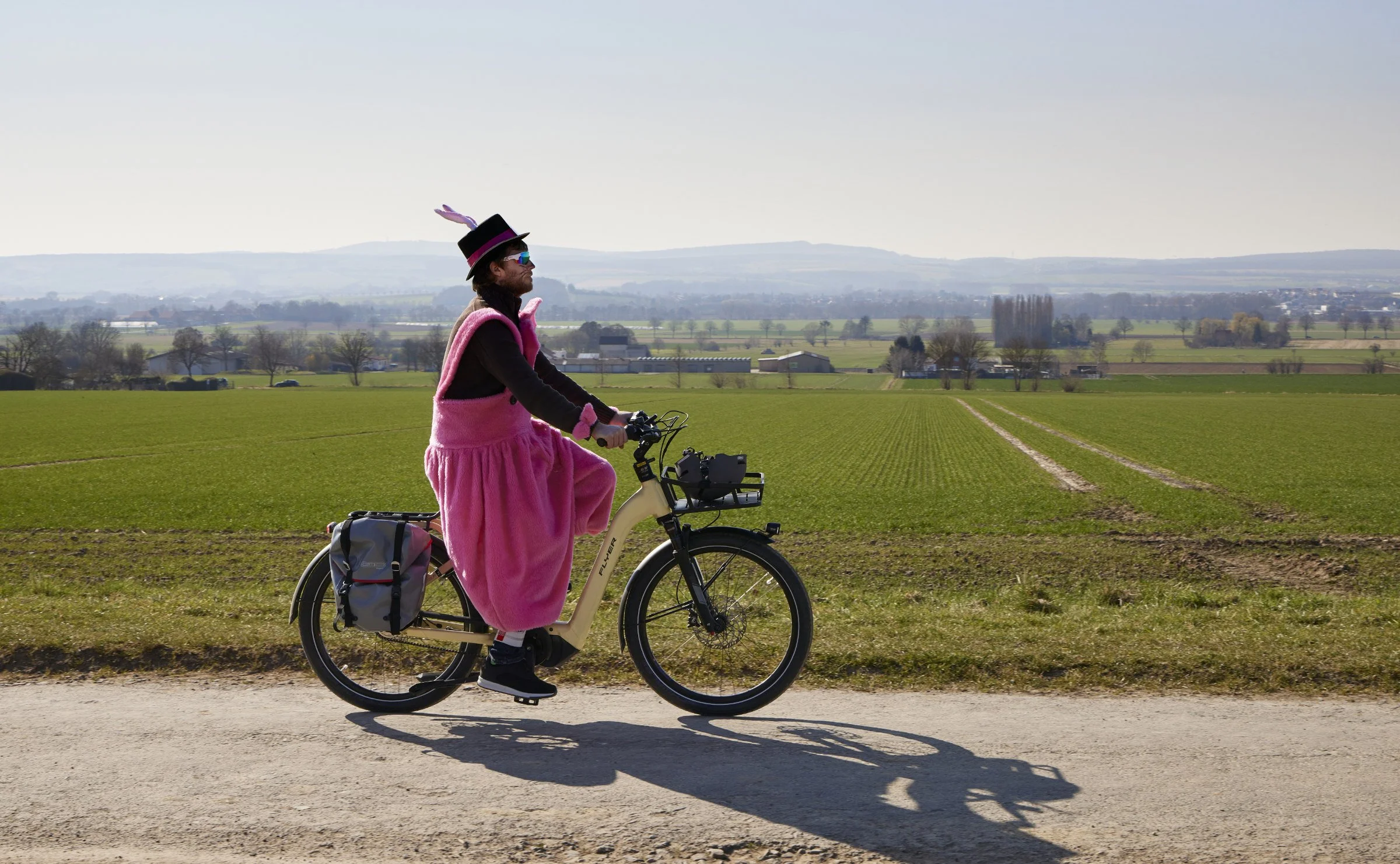
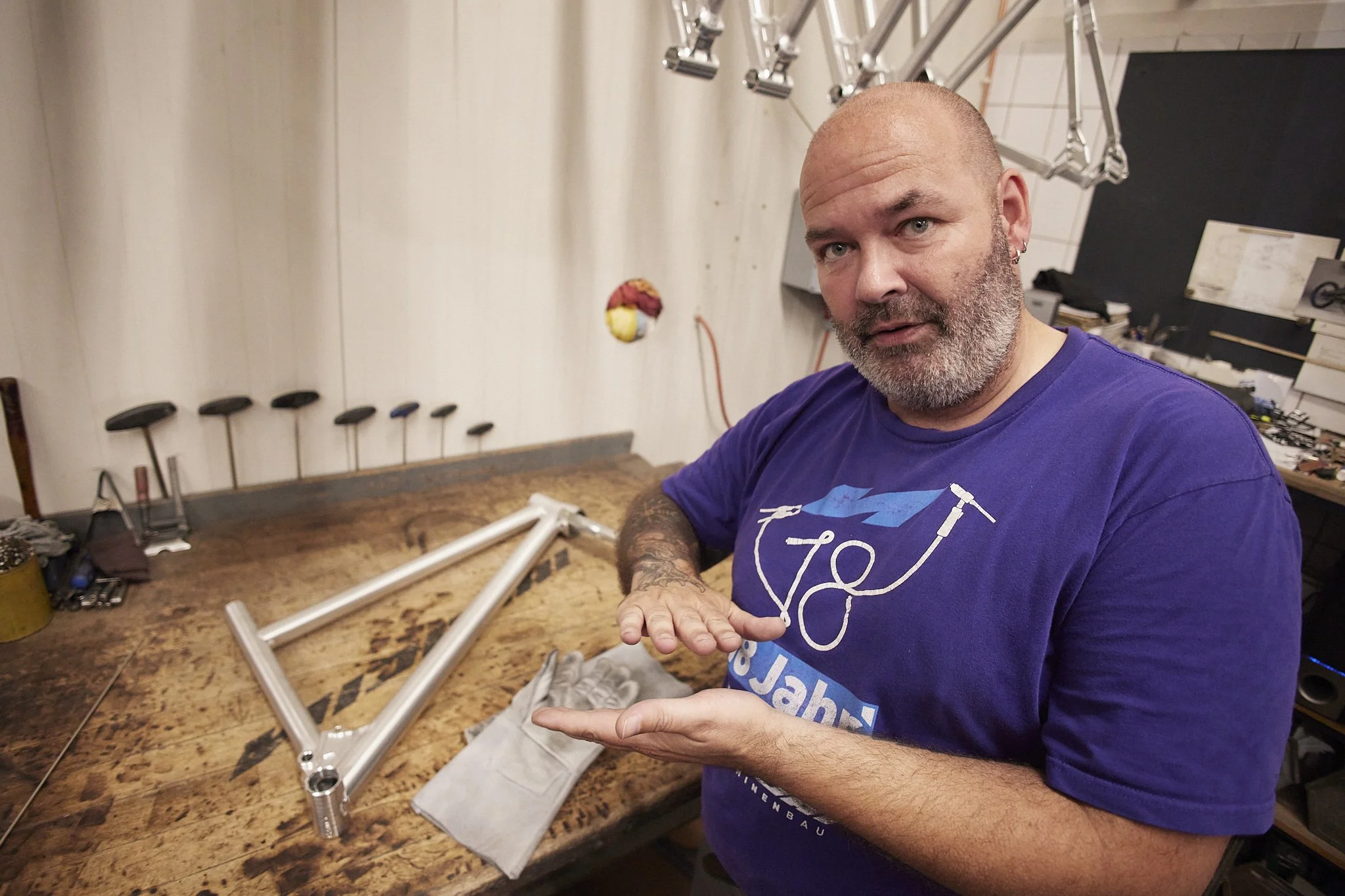
I love nature. I love observing it and I try to convey it in my own photographical ways. But I do quite a bit of editorial photography, too. Mostly as part of my job as a bicycle journalist on behalf of pressedienst-fahrrad and fahrstil magazine.

If you’re interested in my editorial photography, look no further.

Looking backwards: Late summer /  by Arne Bischoff

Summer 2021 has been really turbulent for me and not an easy time. My passion for photography suffered from this. Even looking back to this period of time does not come lightly. On the other hand, there are quite a lot of moments and images I hold dear. I worked on a few assignments that I really enjoyed and I went to places and saw animals that I never encountered before. So let me share it with you without the usual explanations and let the images speak for itself.

DDA Birdrace ‘22 (Walden Magazine)

Read my full Birdrace story in the 2022 spring issue of German Walden magazine (by Geo).

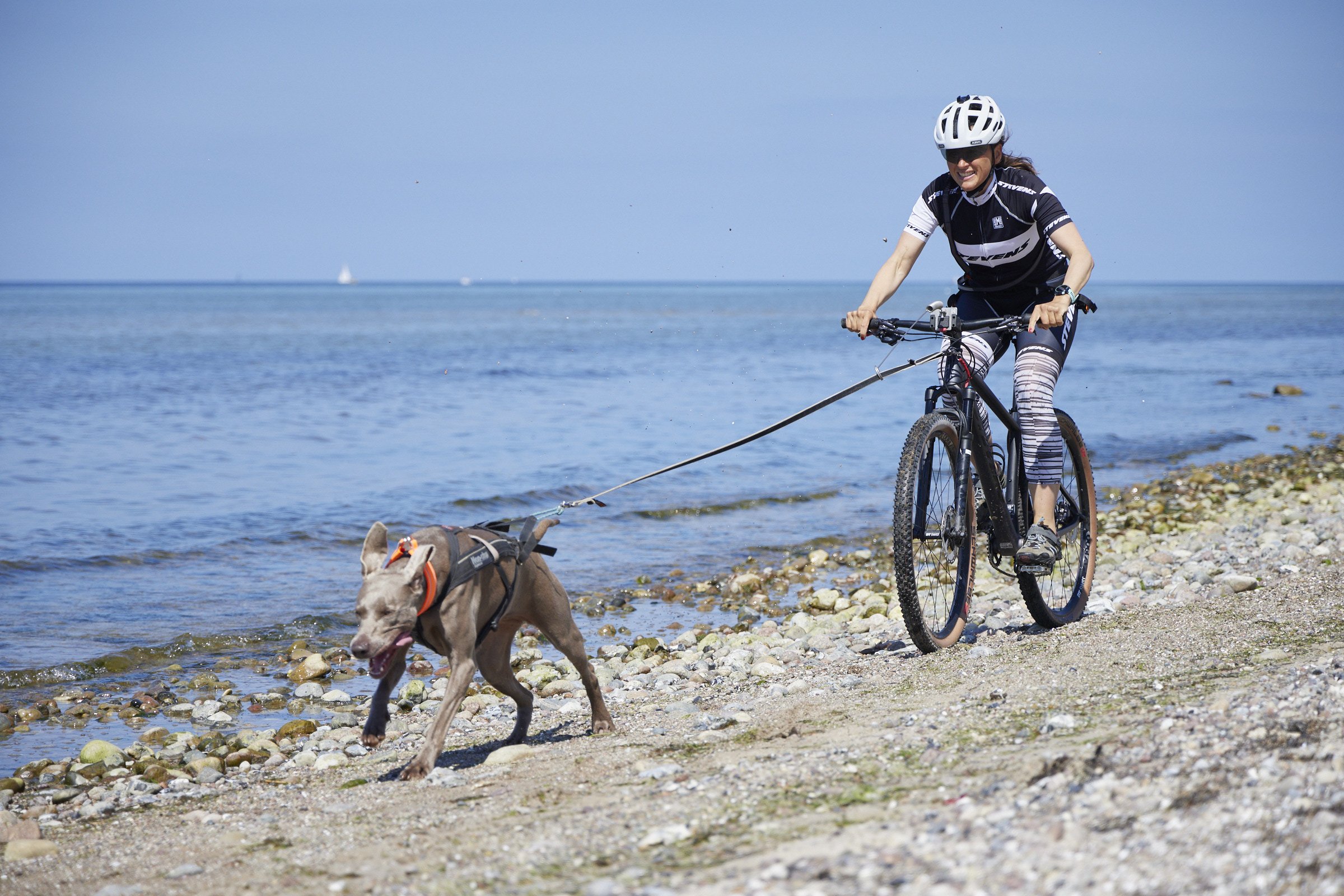
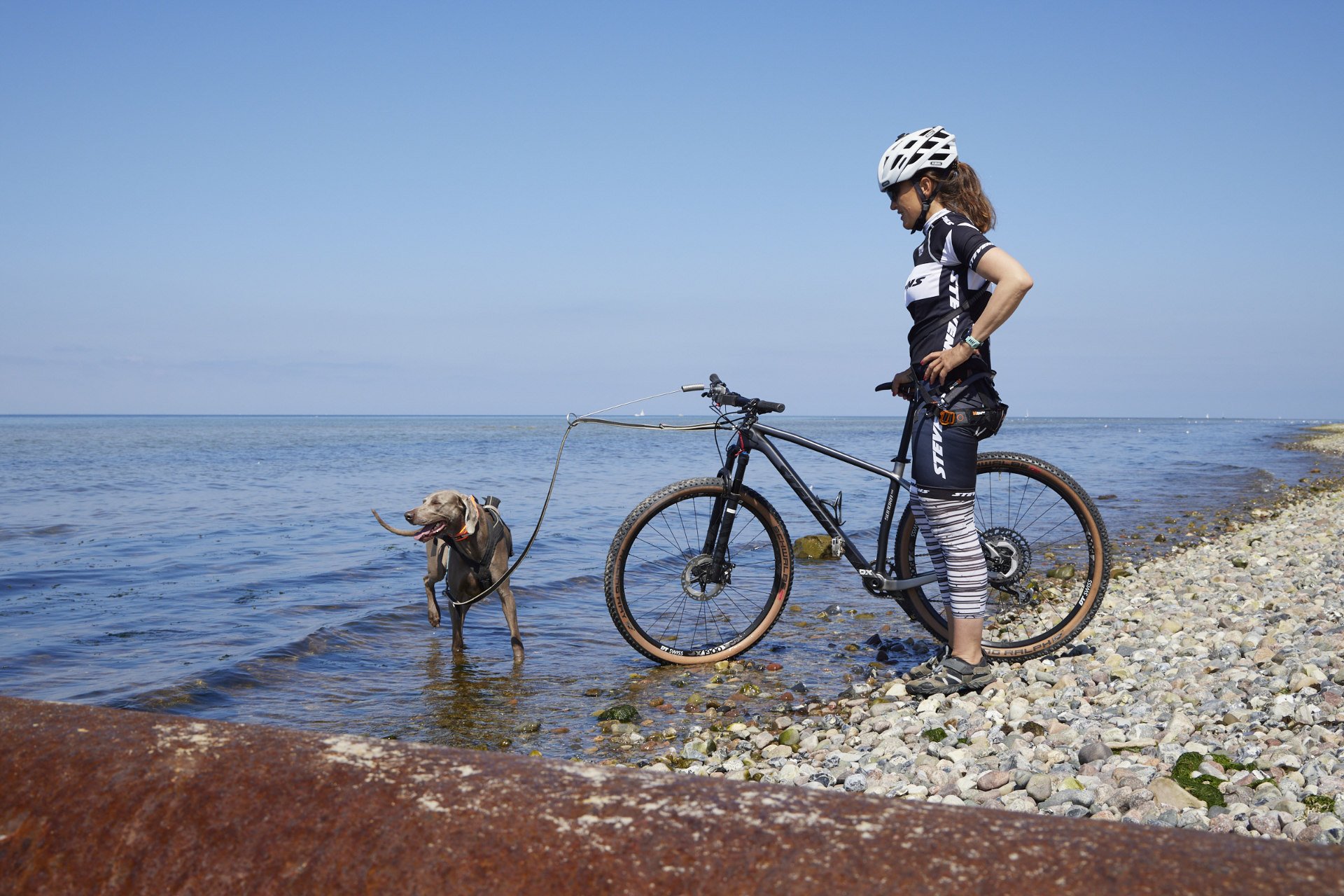
Bikejøring with Inga Wyroślak (fahrstil - Das Radkulturmagazin)

Read my full Bikejøring story in fahrstil #32 °kraft.