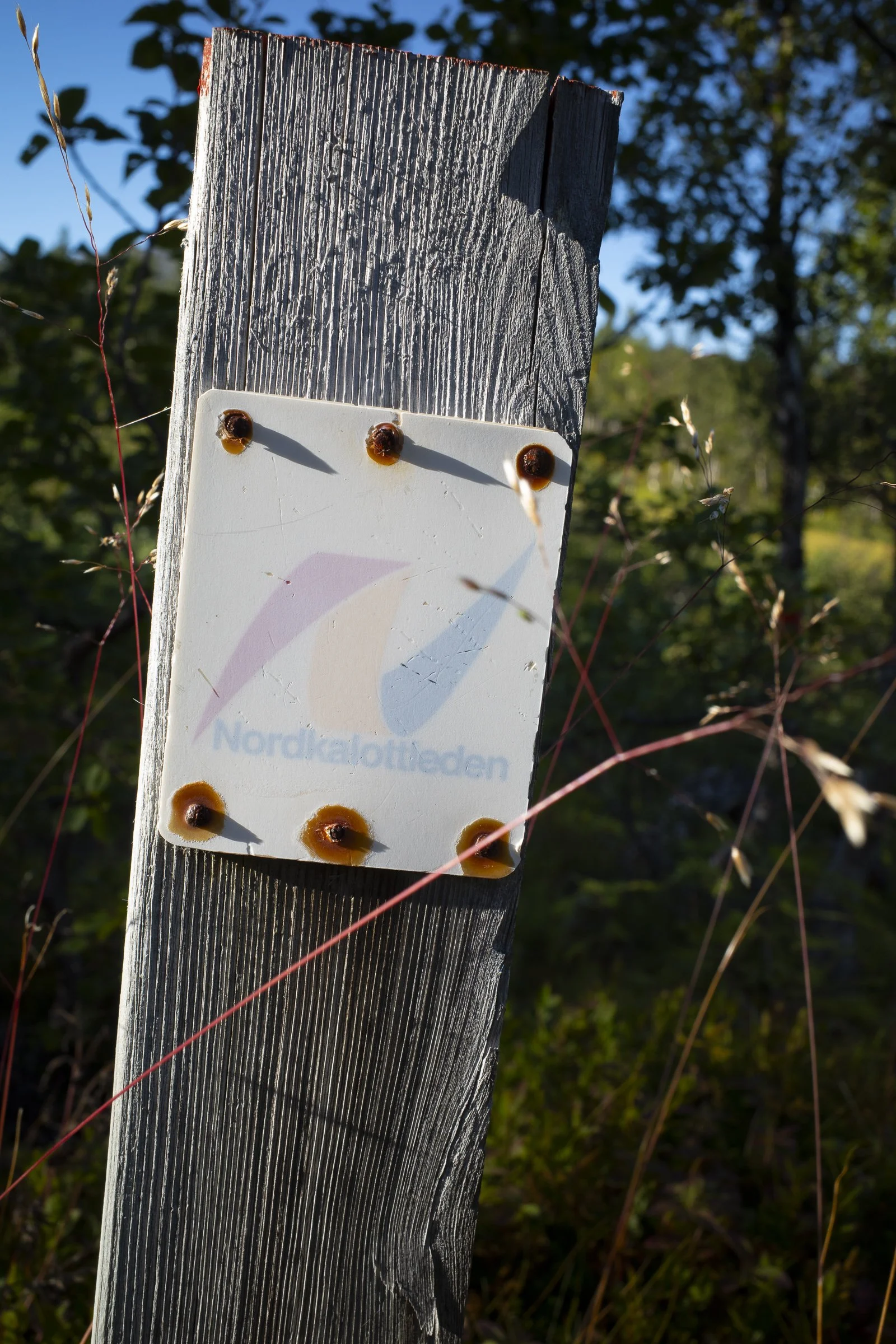
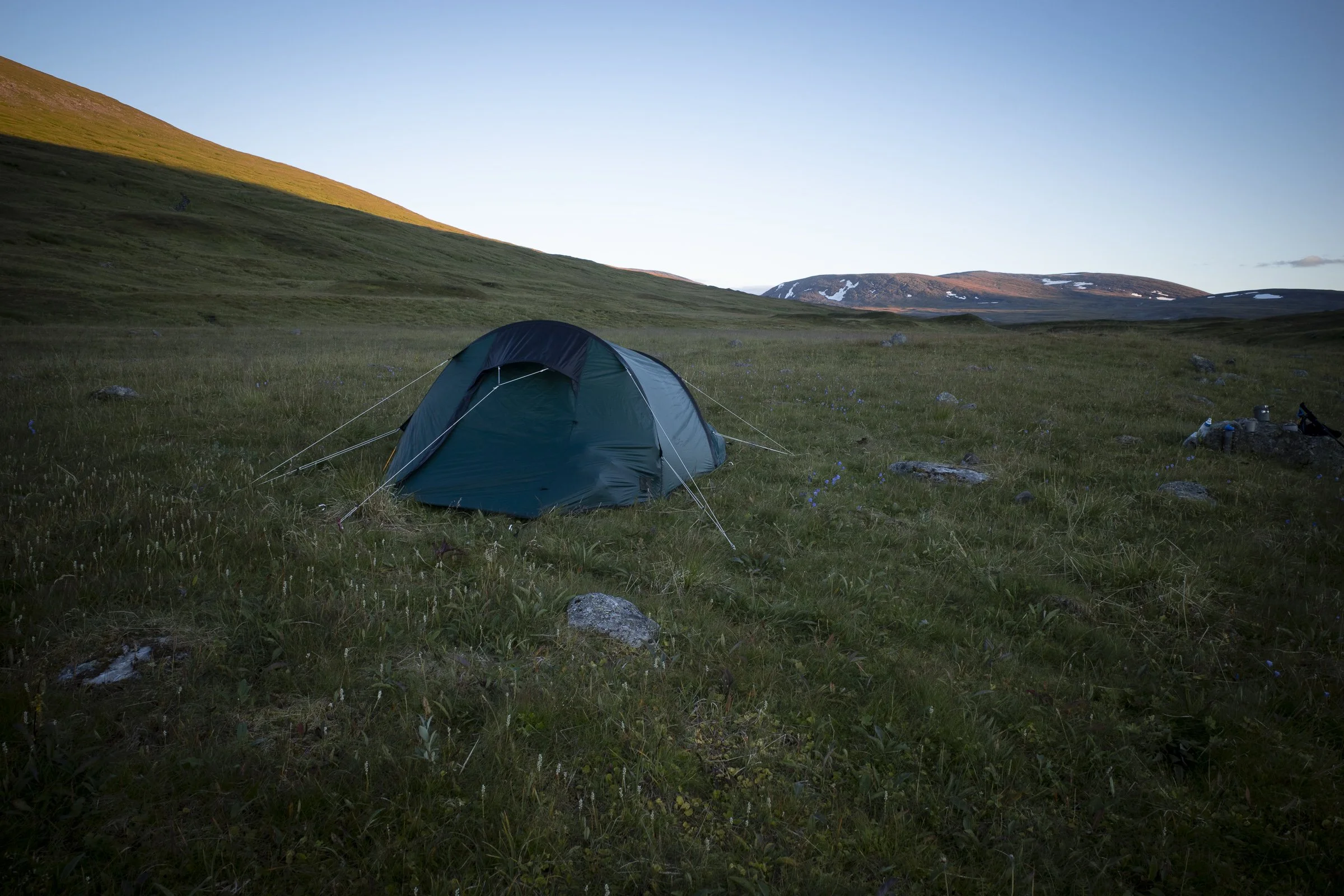
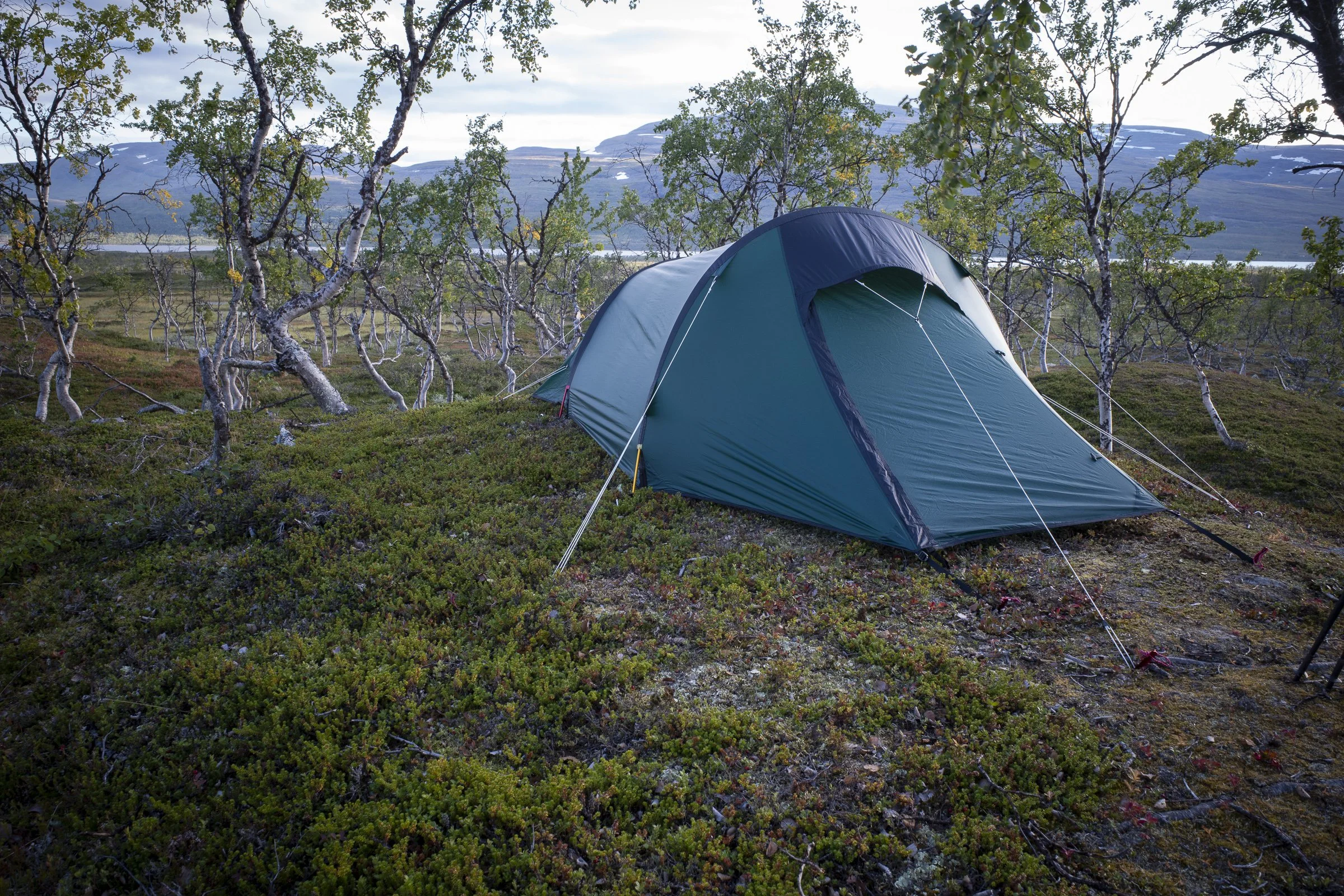
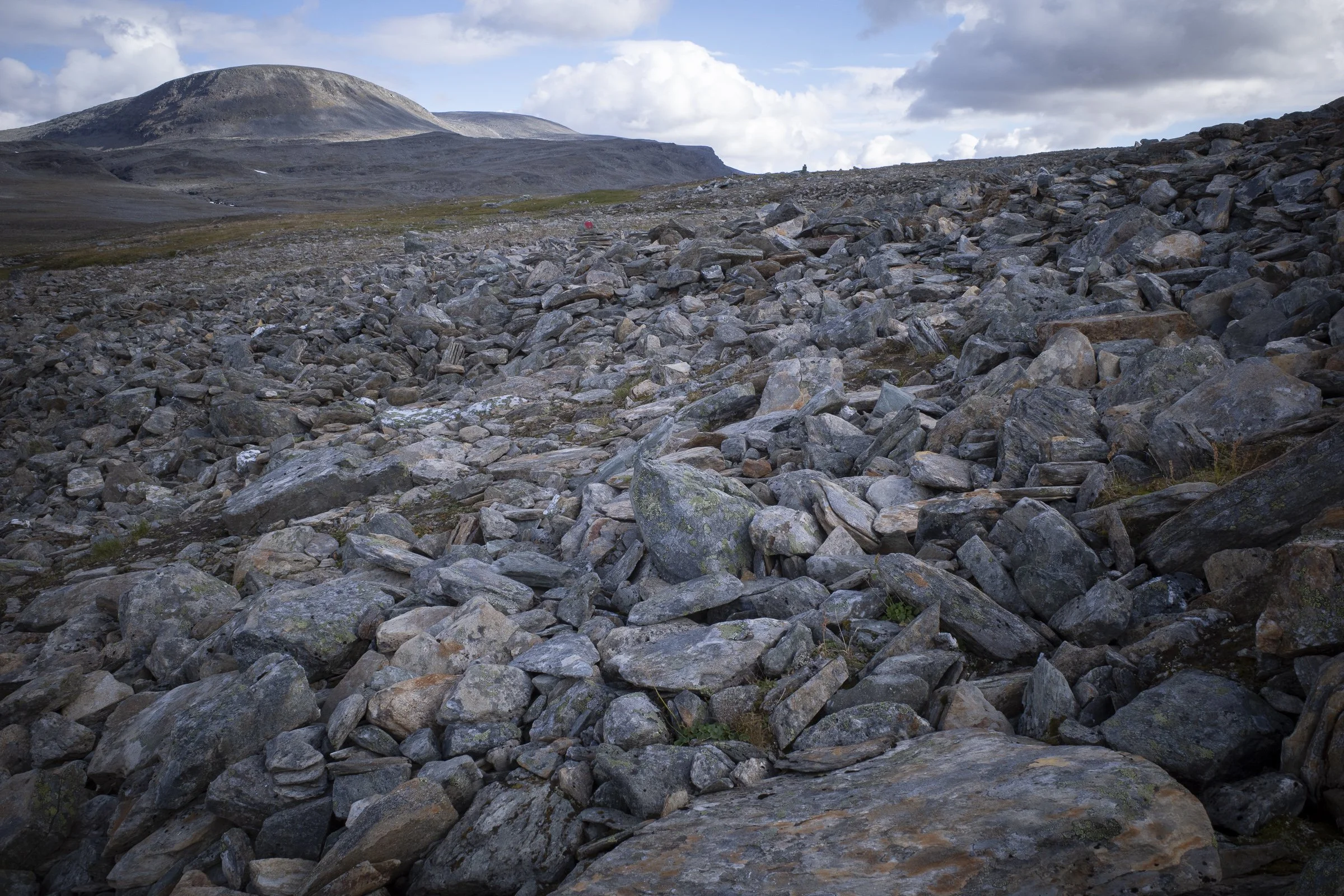
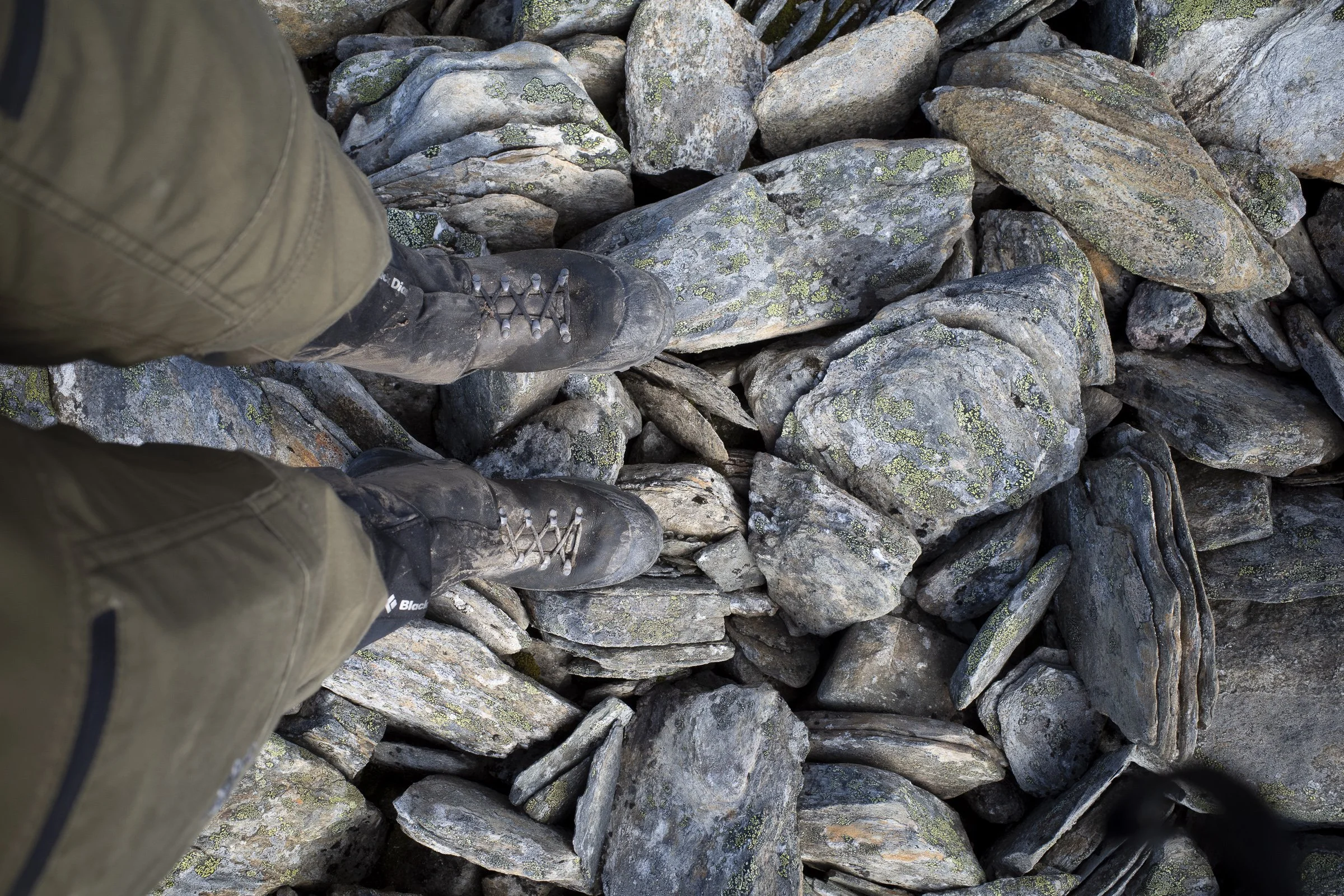
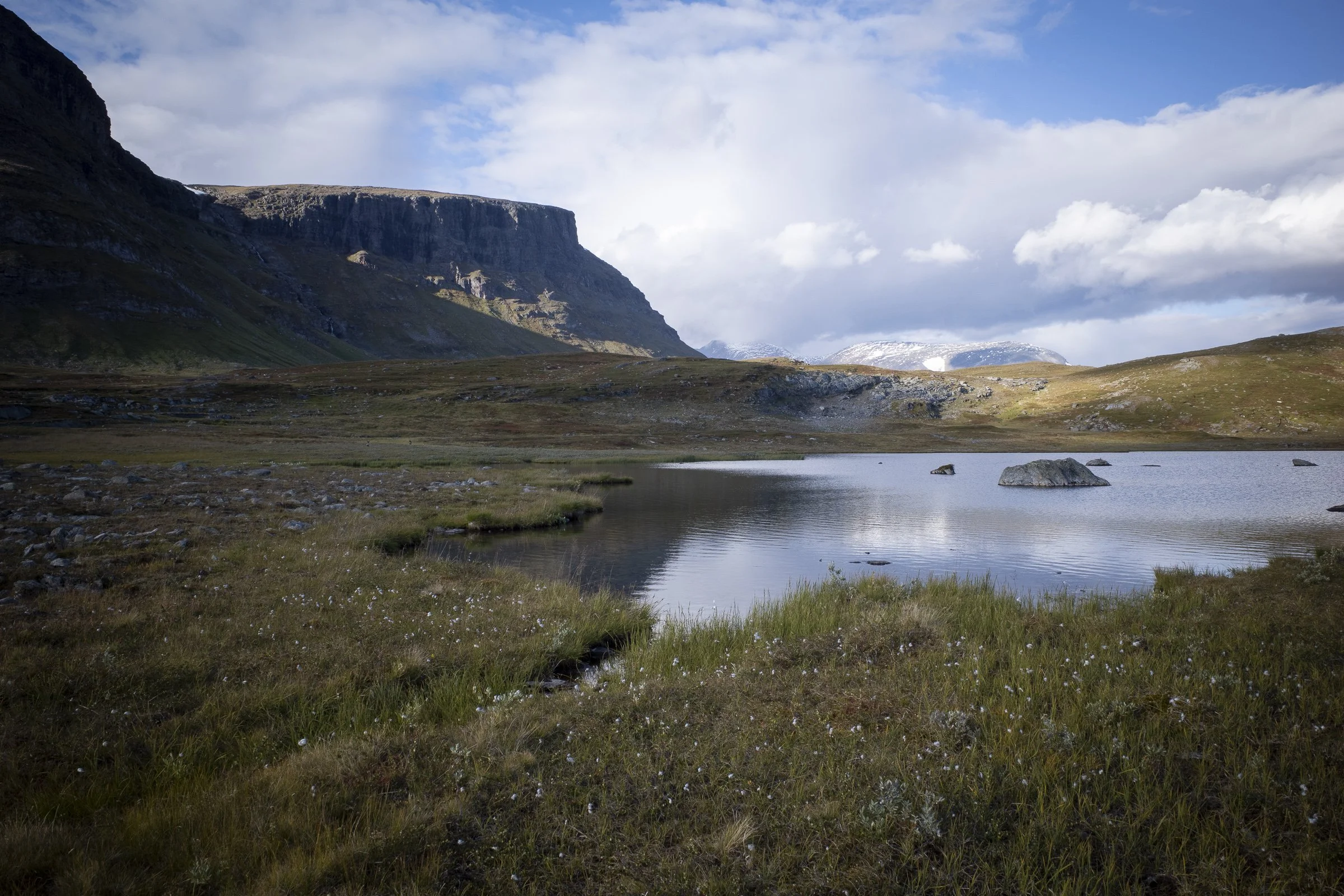
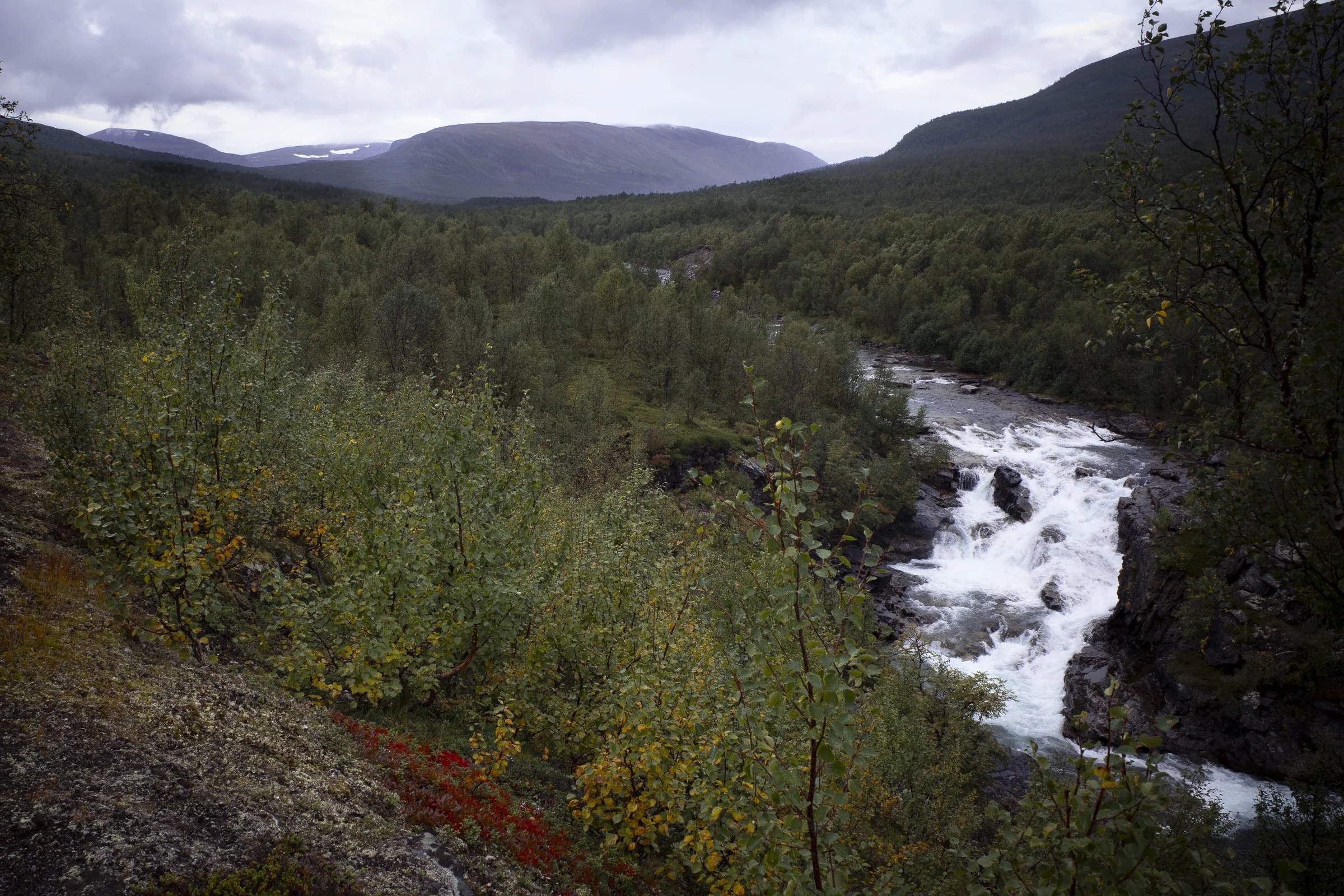
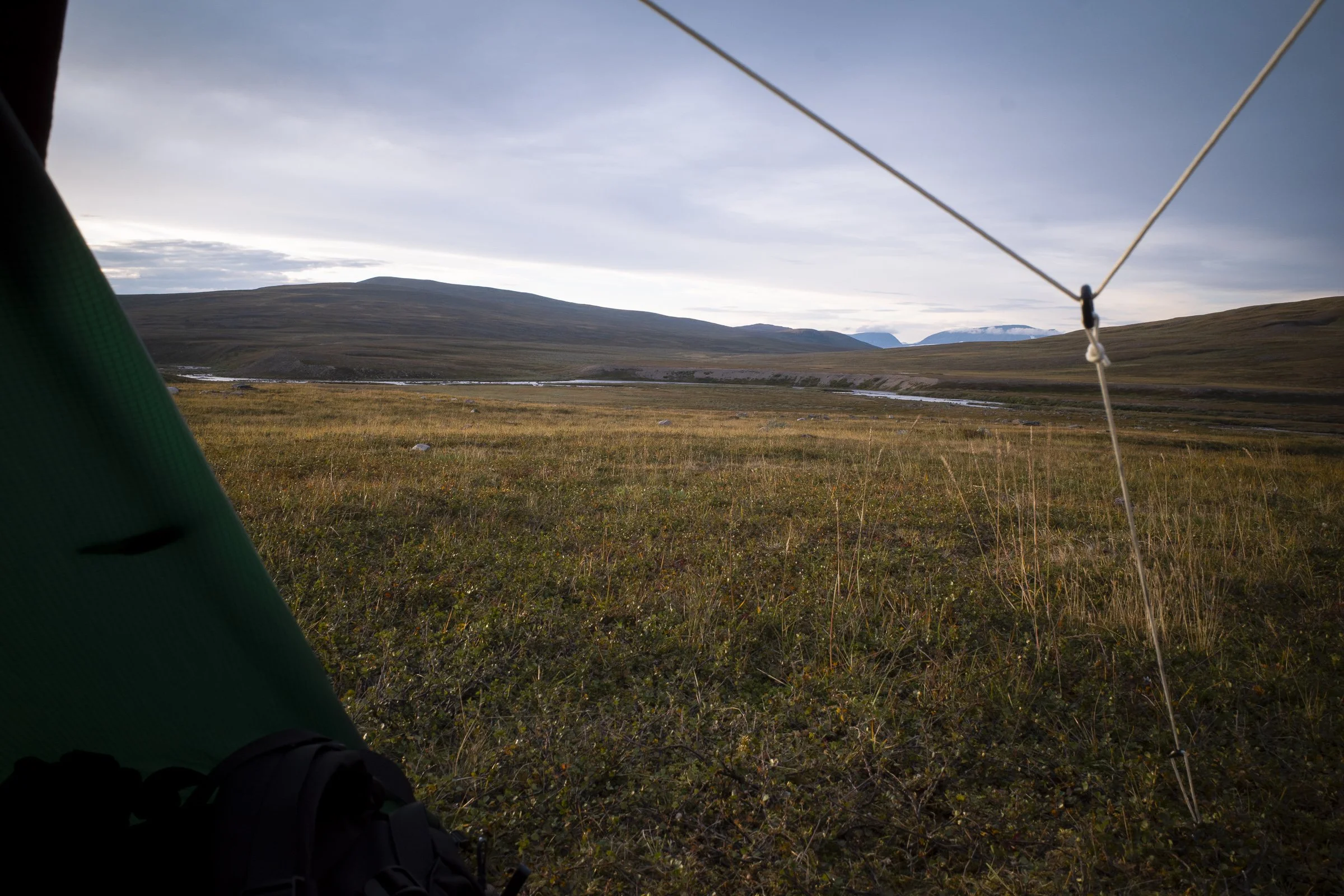
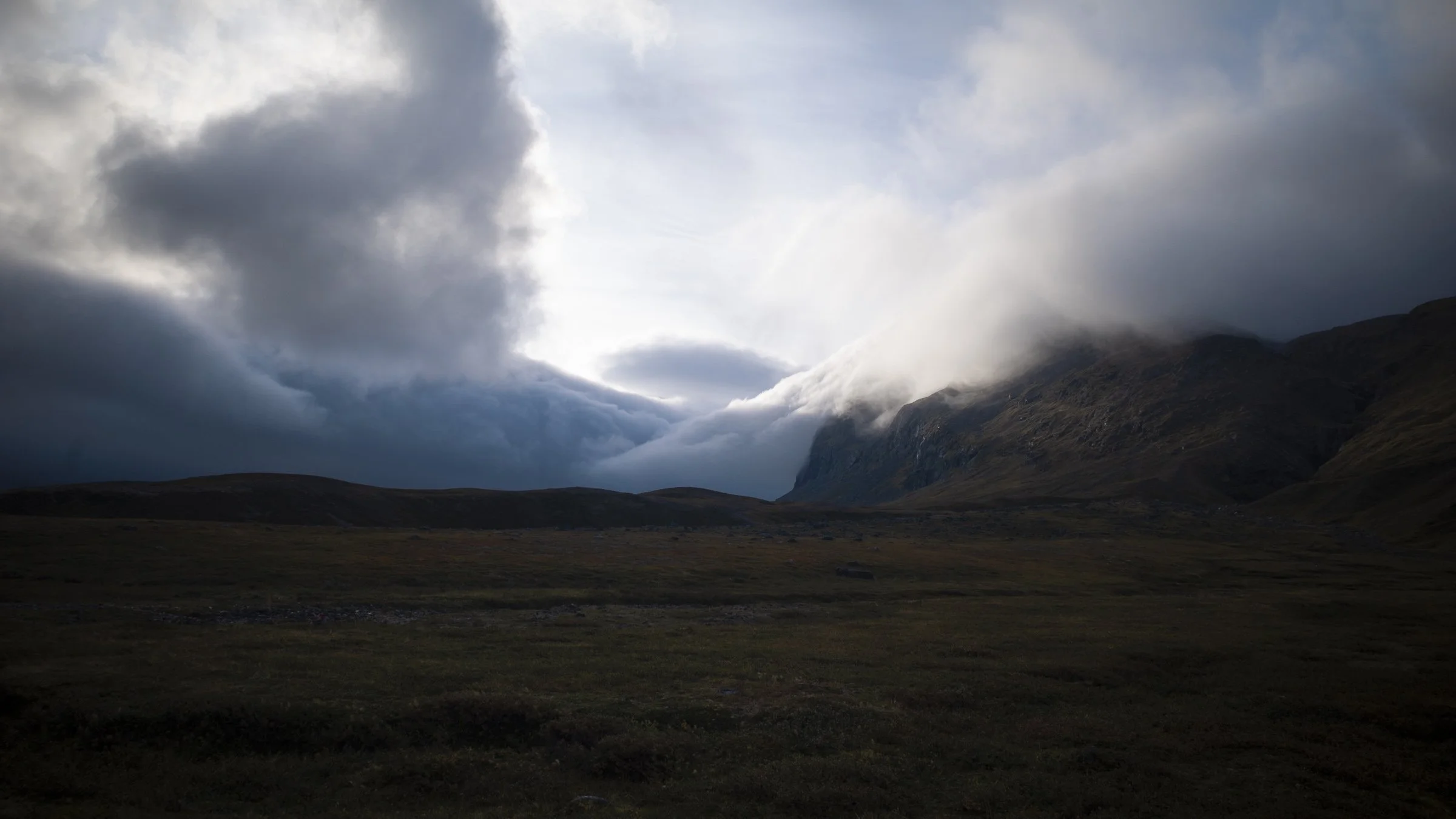
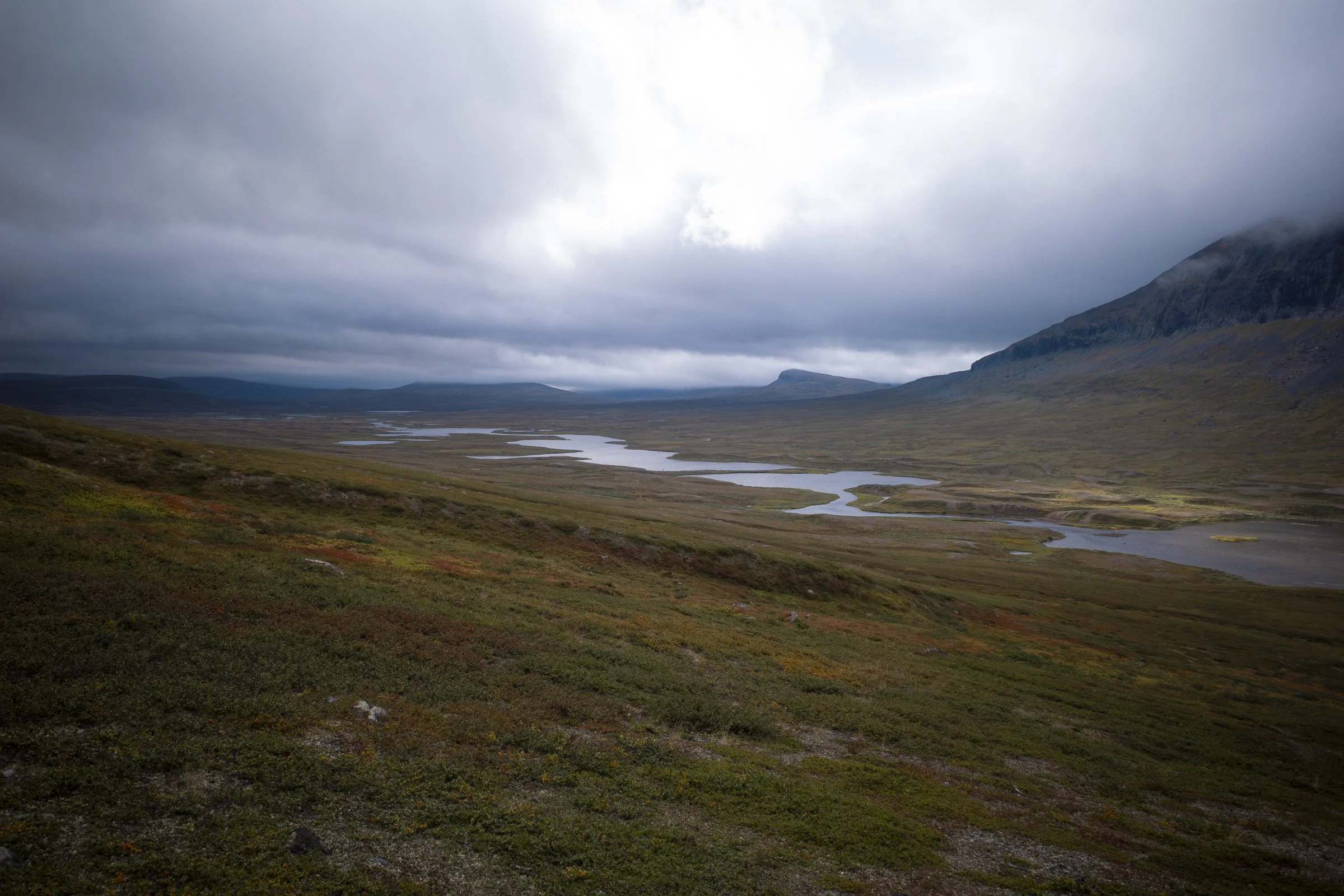
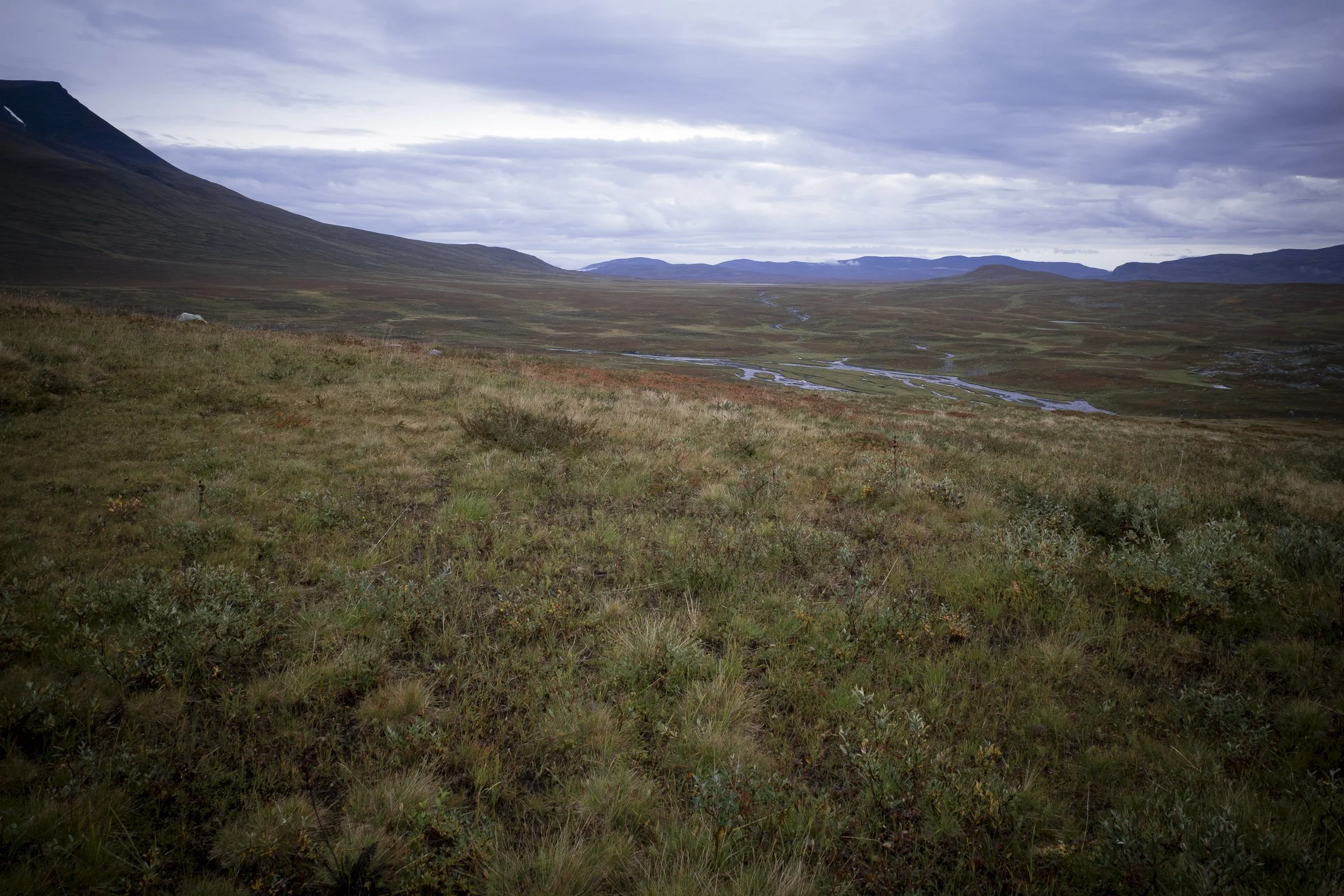
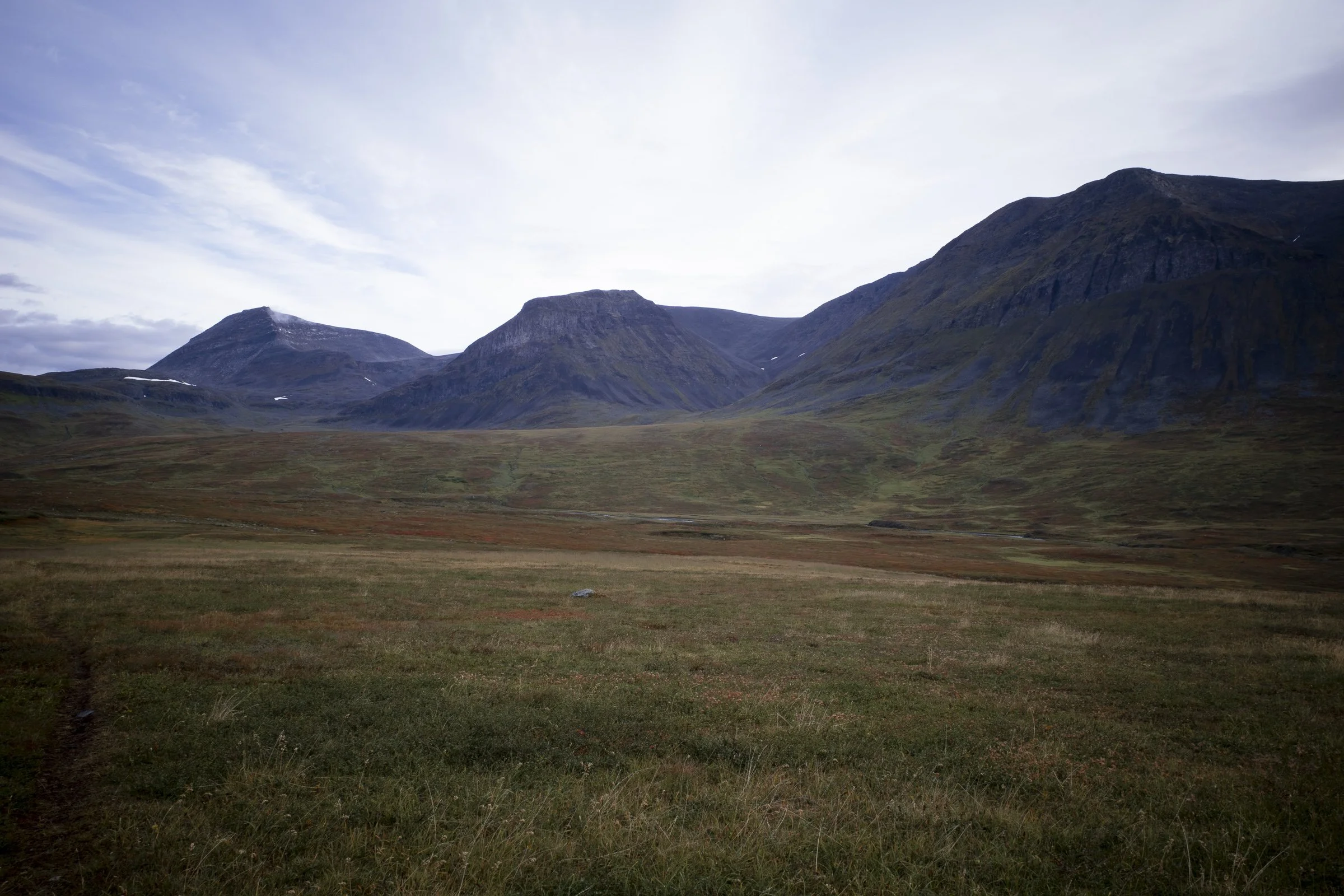
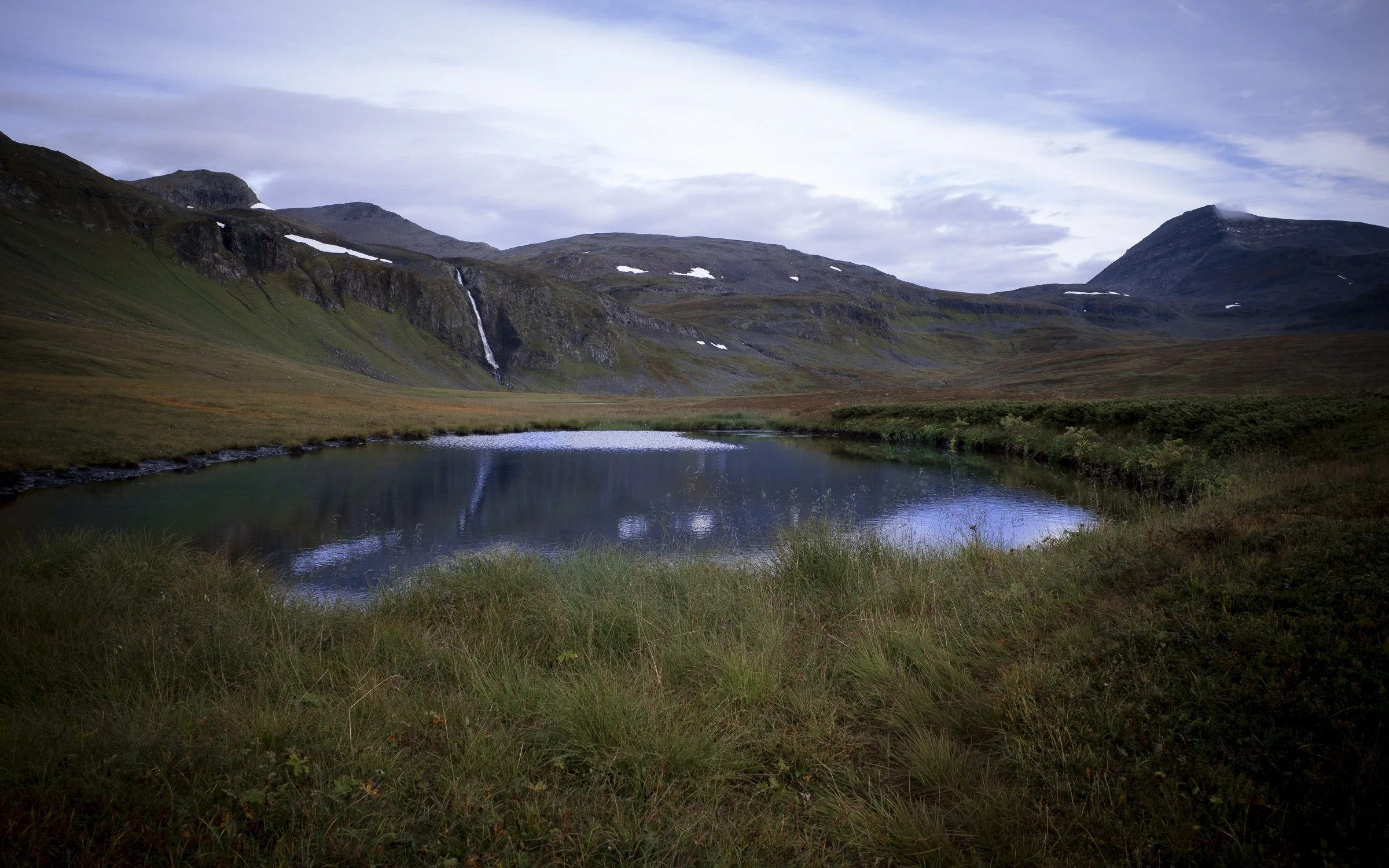
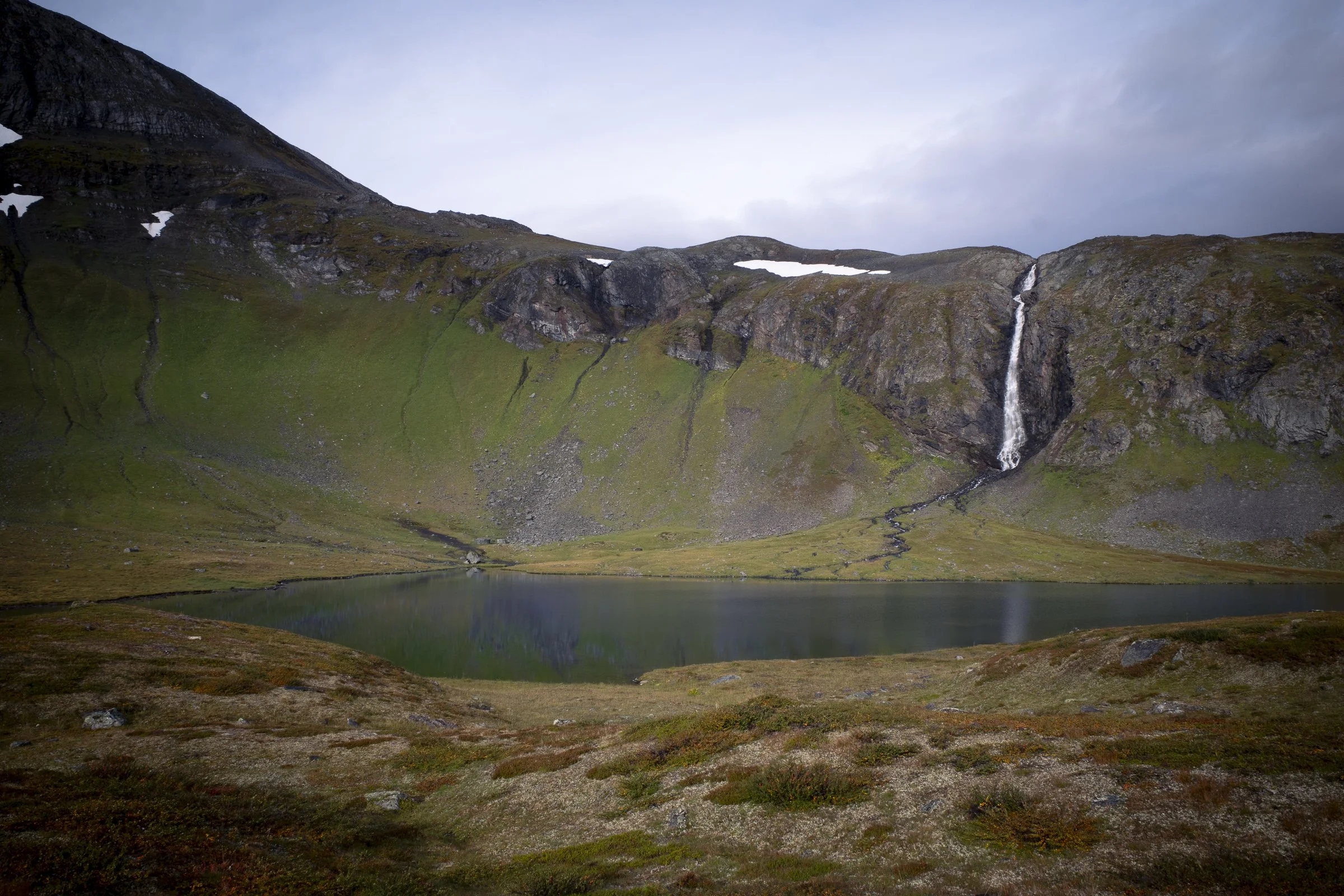
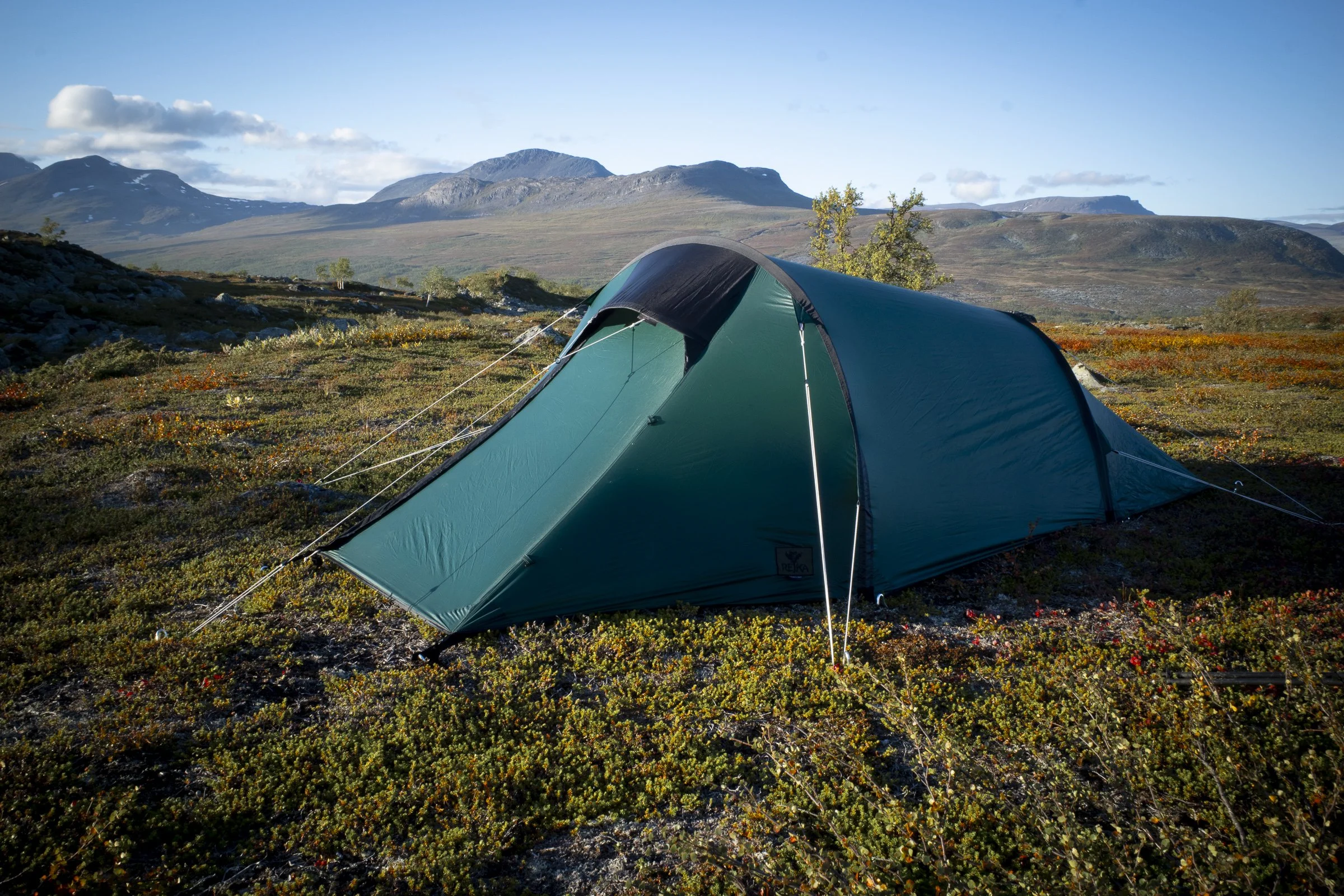
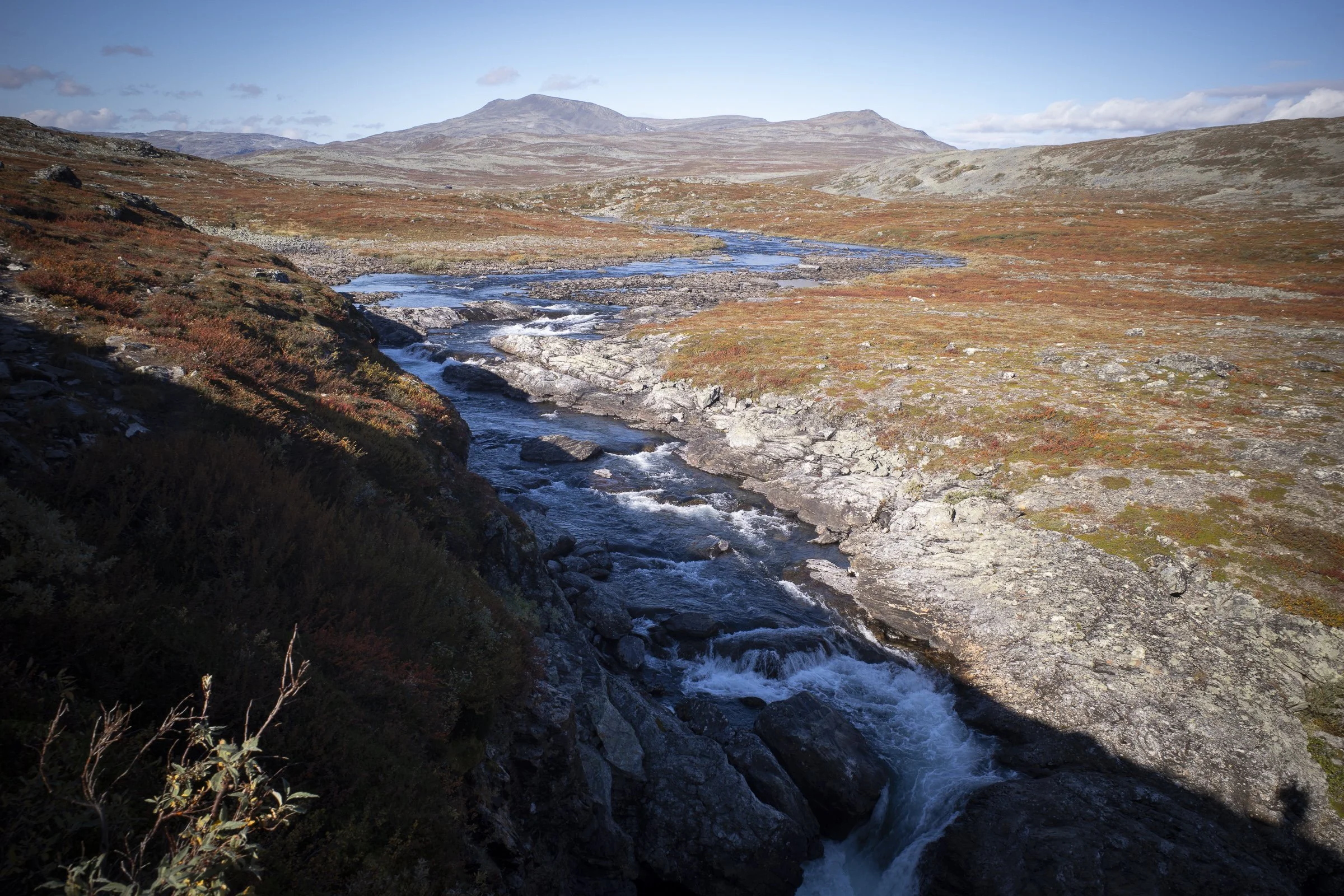
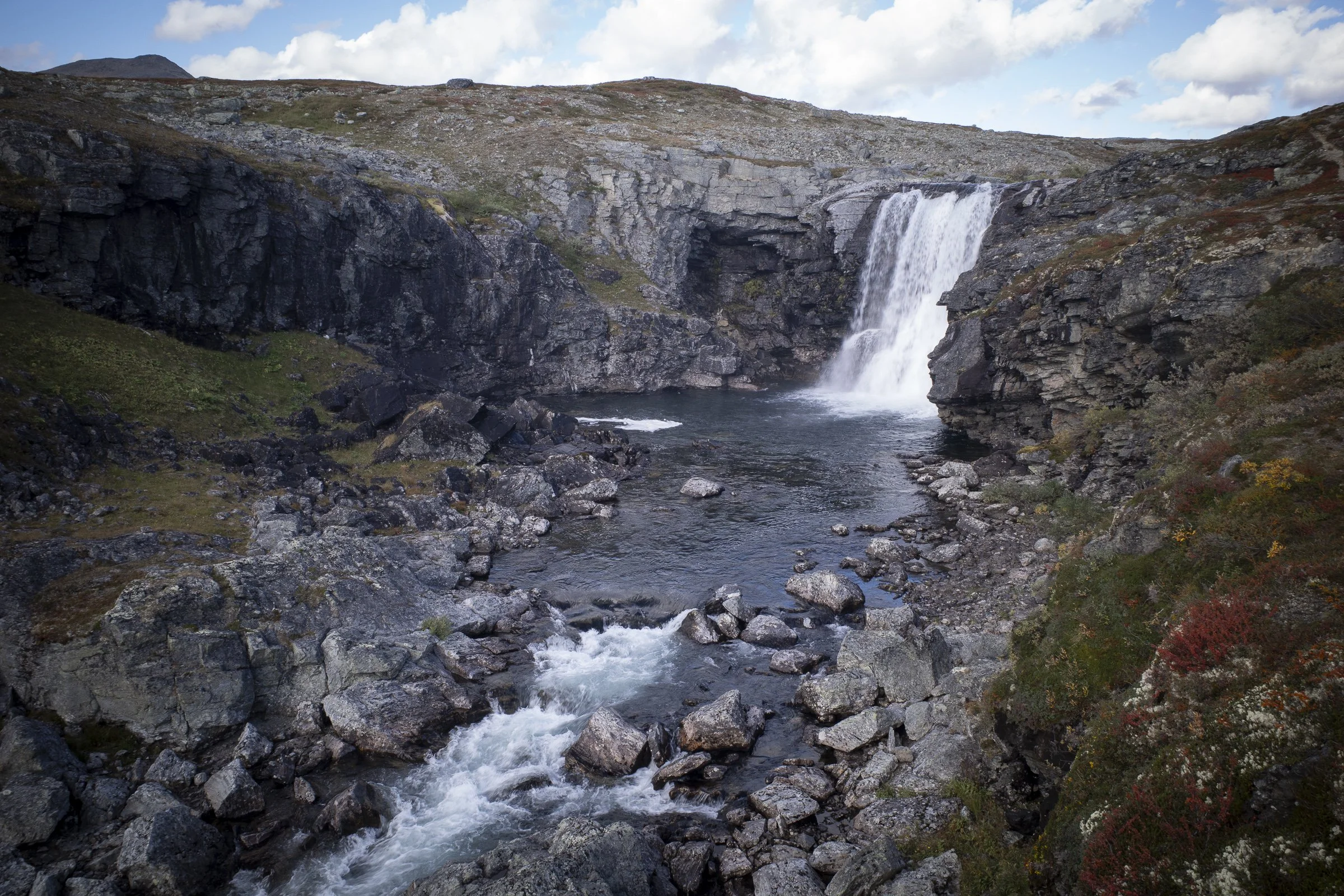
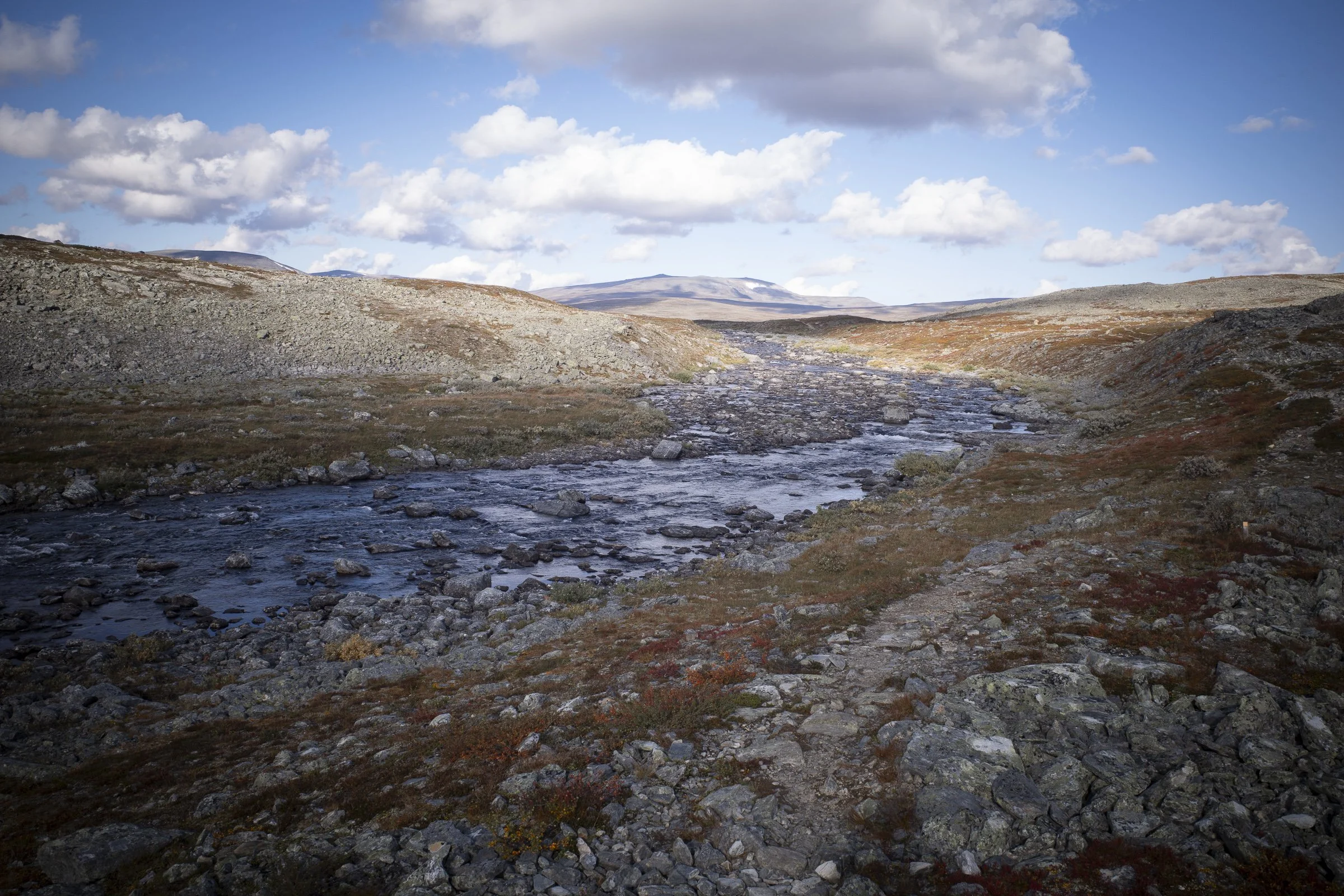
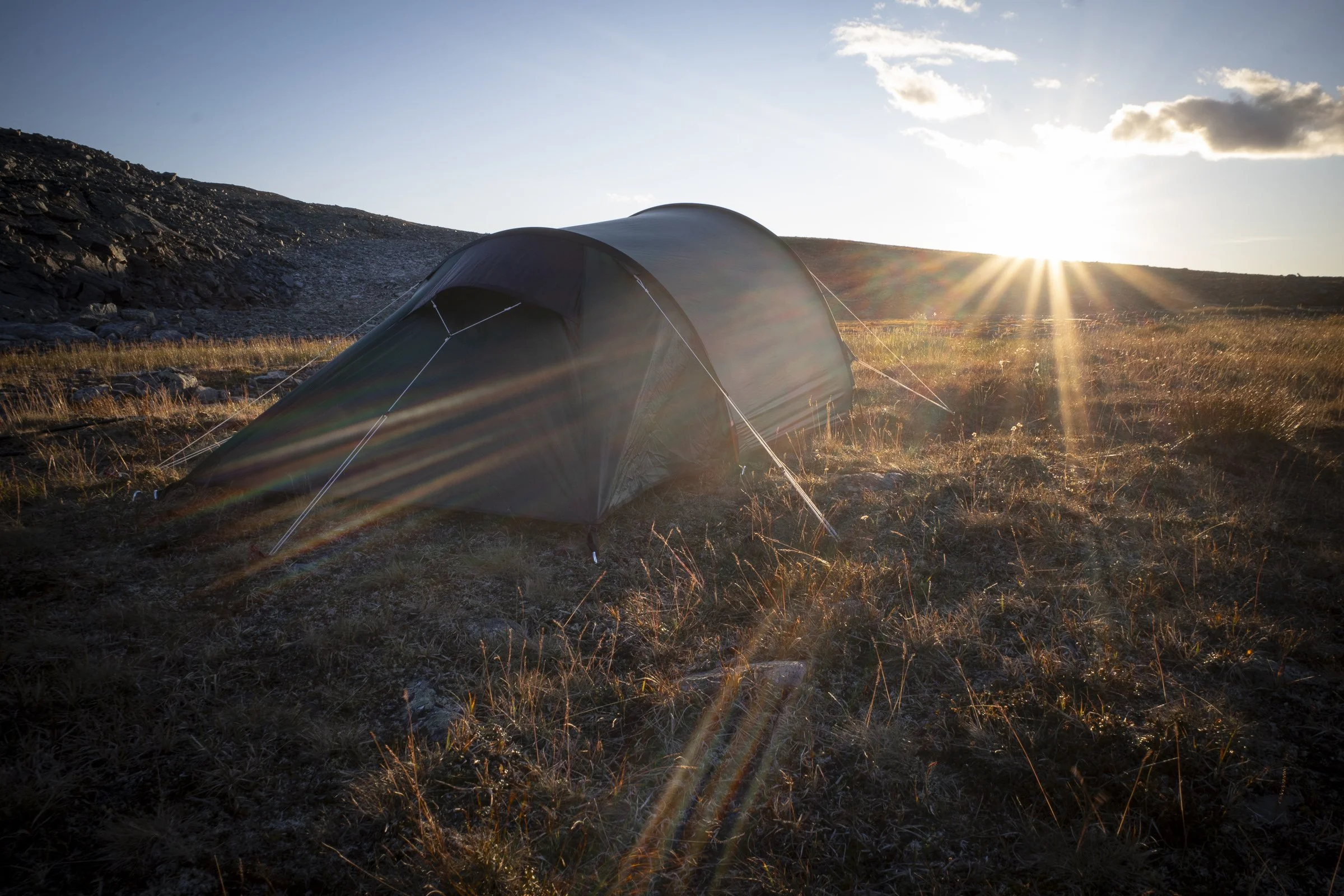
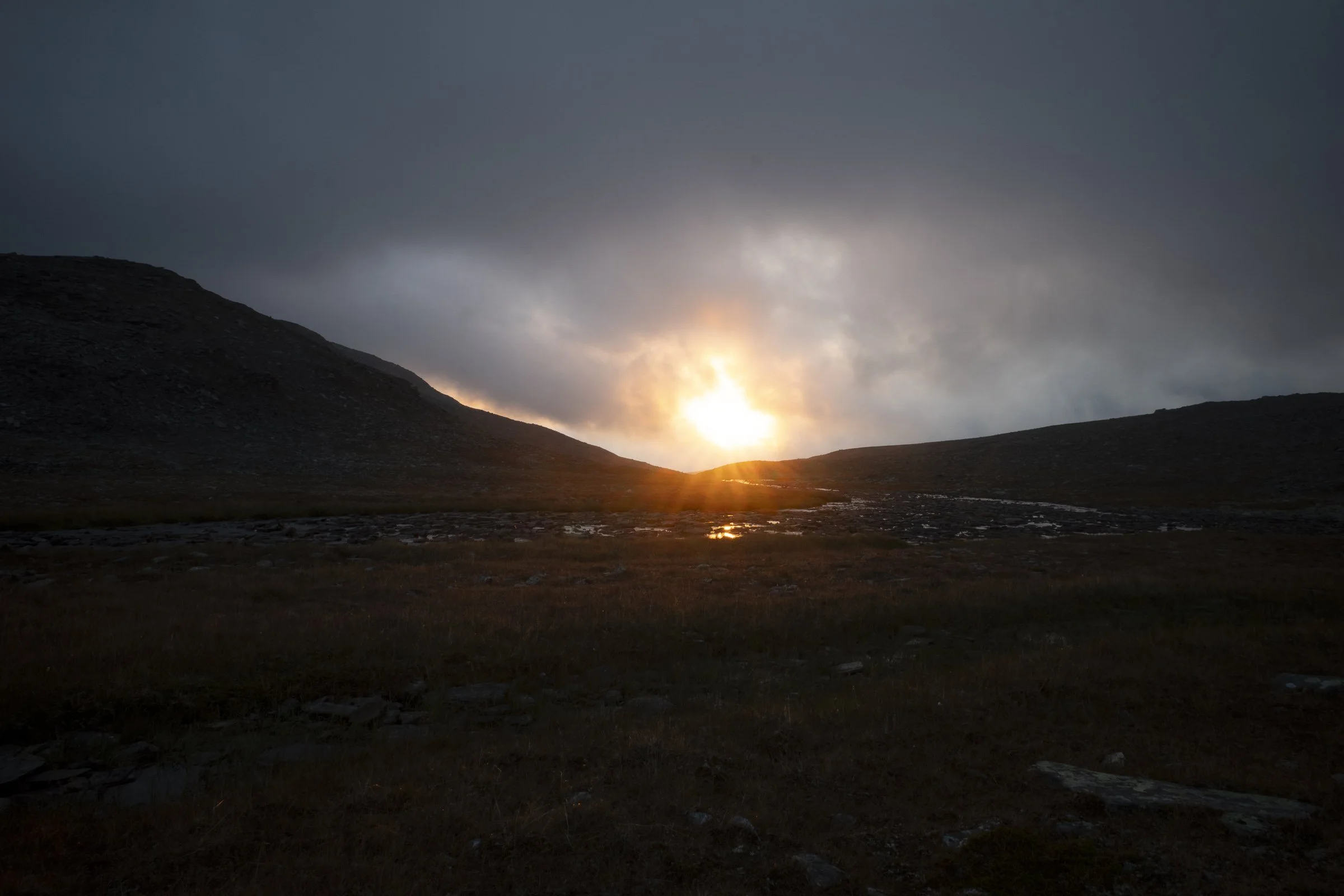
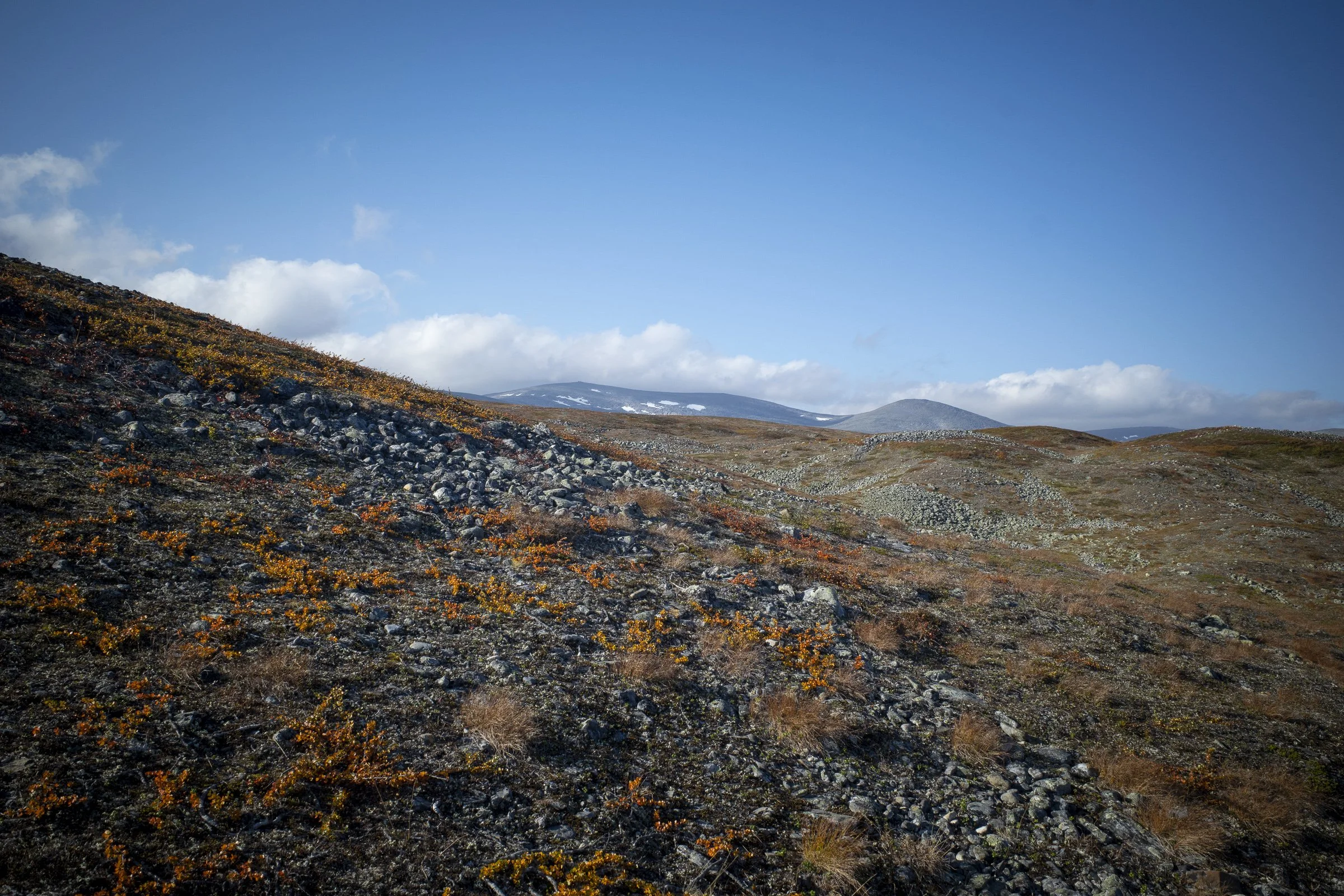
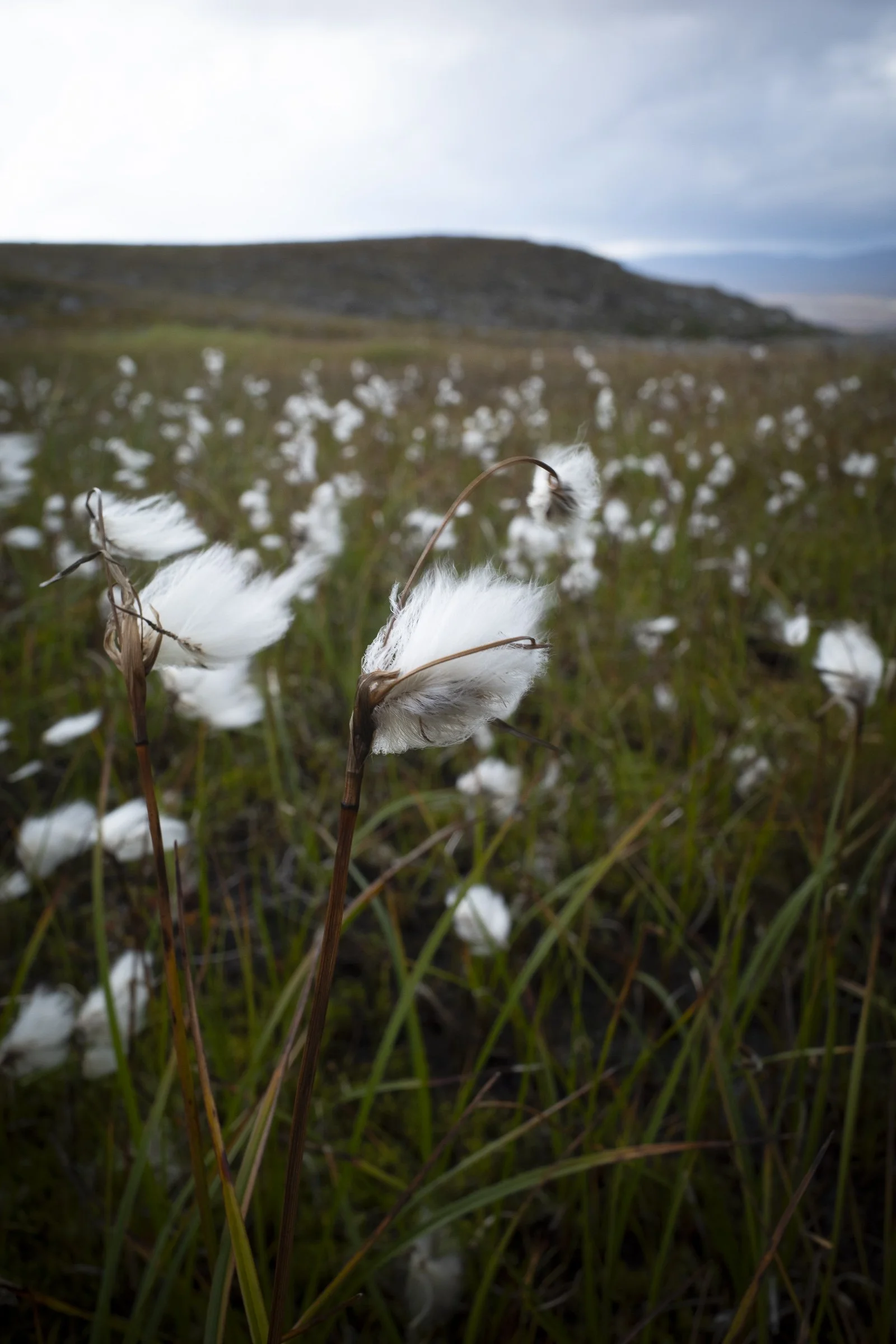
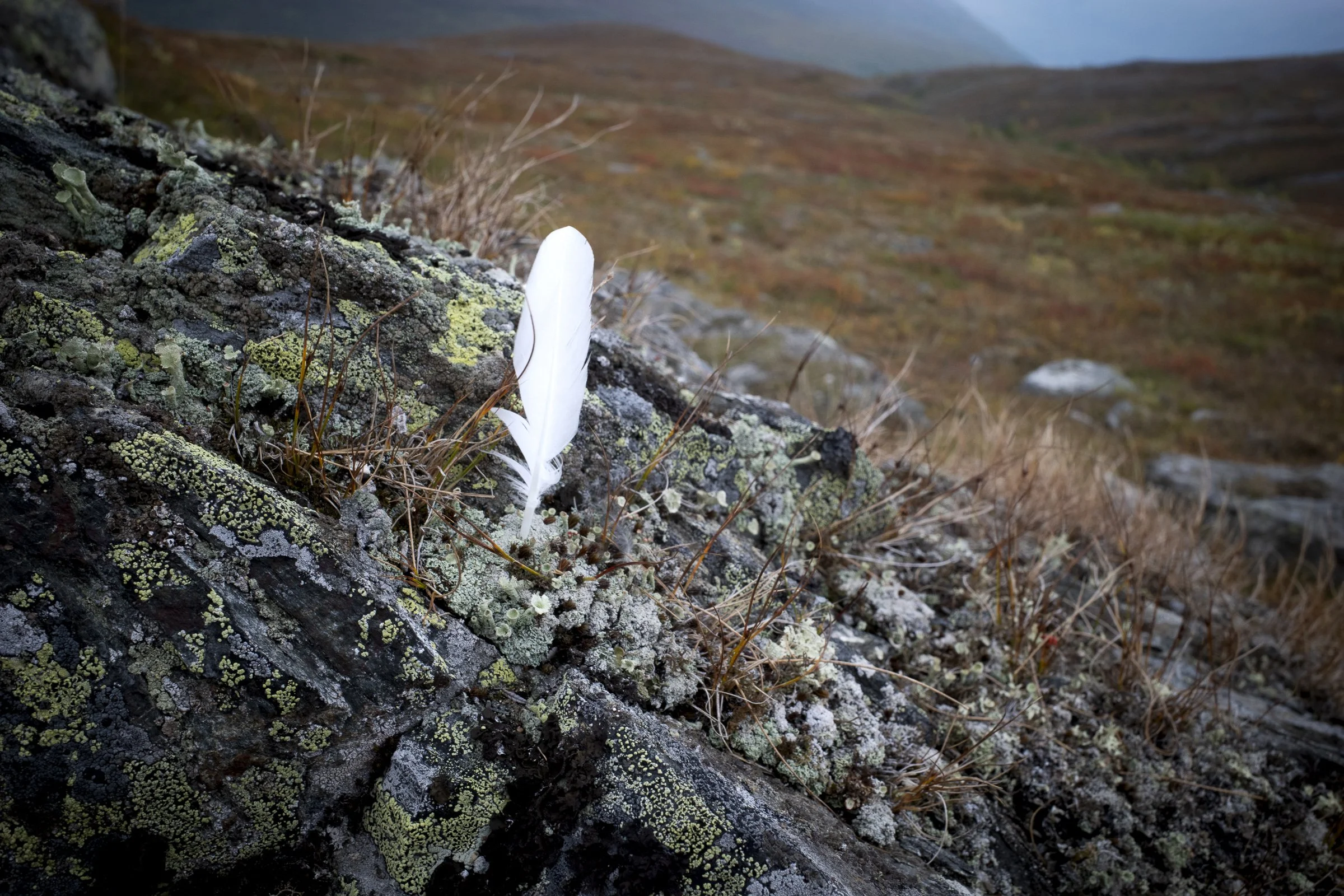
For me, fall is the best time to visit the Scandinavian wilderness that I so love. It is often sunny, dry, with gorgeous autumnal colors but no mosquitos. So that’s when I usually come. Fall 2025 saw me do a self-supported solo hike through the northern part of famous Nordkalottleden – or Nordkalottrutta in Norwegian. The whole trek is several hundred kilometers north of the Arctic Circle and wild, rugged and for long stretches really alone. Nearly 400 km over 20 days across Norway, Sweden and Finland. Fjell, moor, countless rivers to cross. And for the second part of the trip: wind, wind, wind.
Countless border crossings
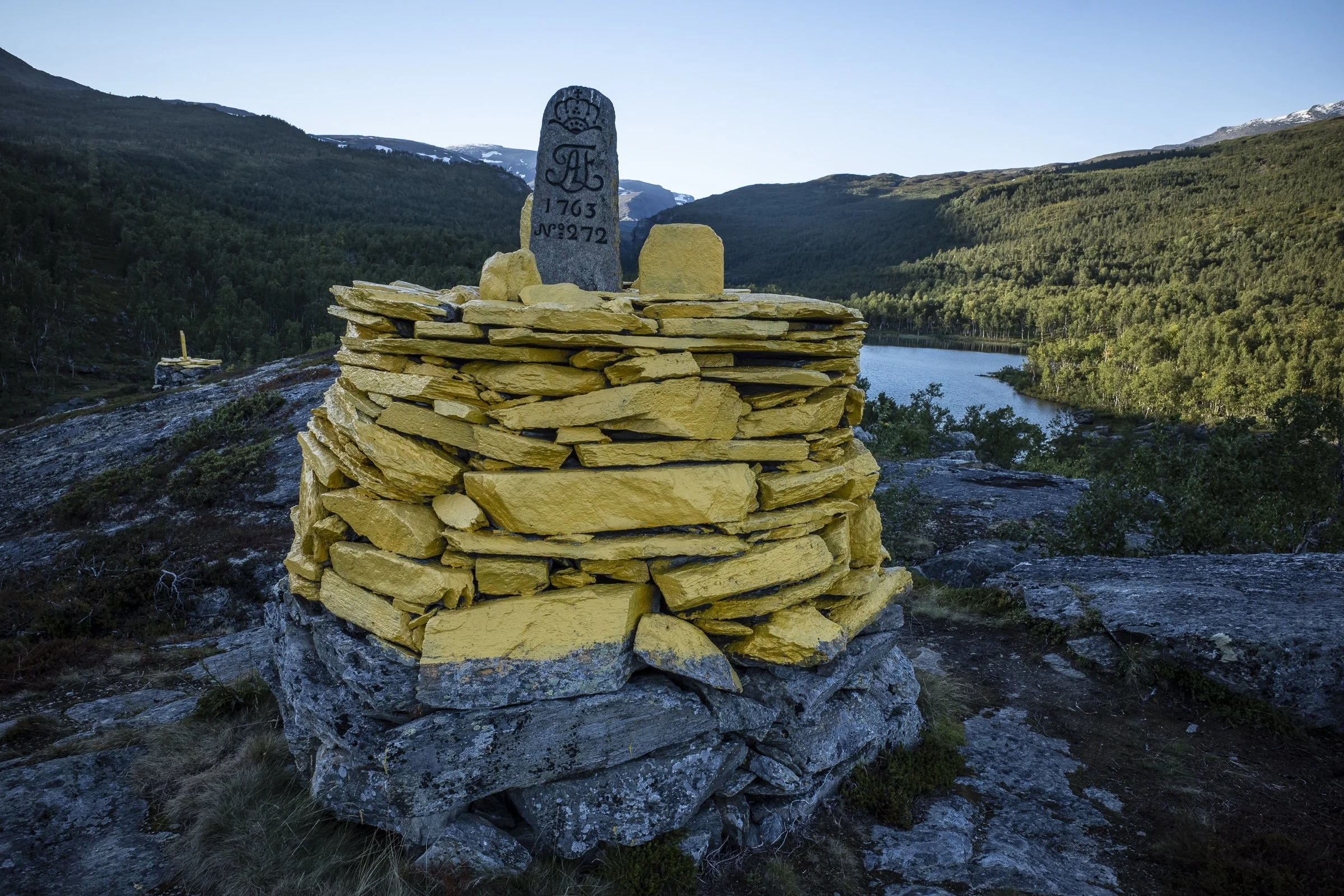
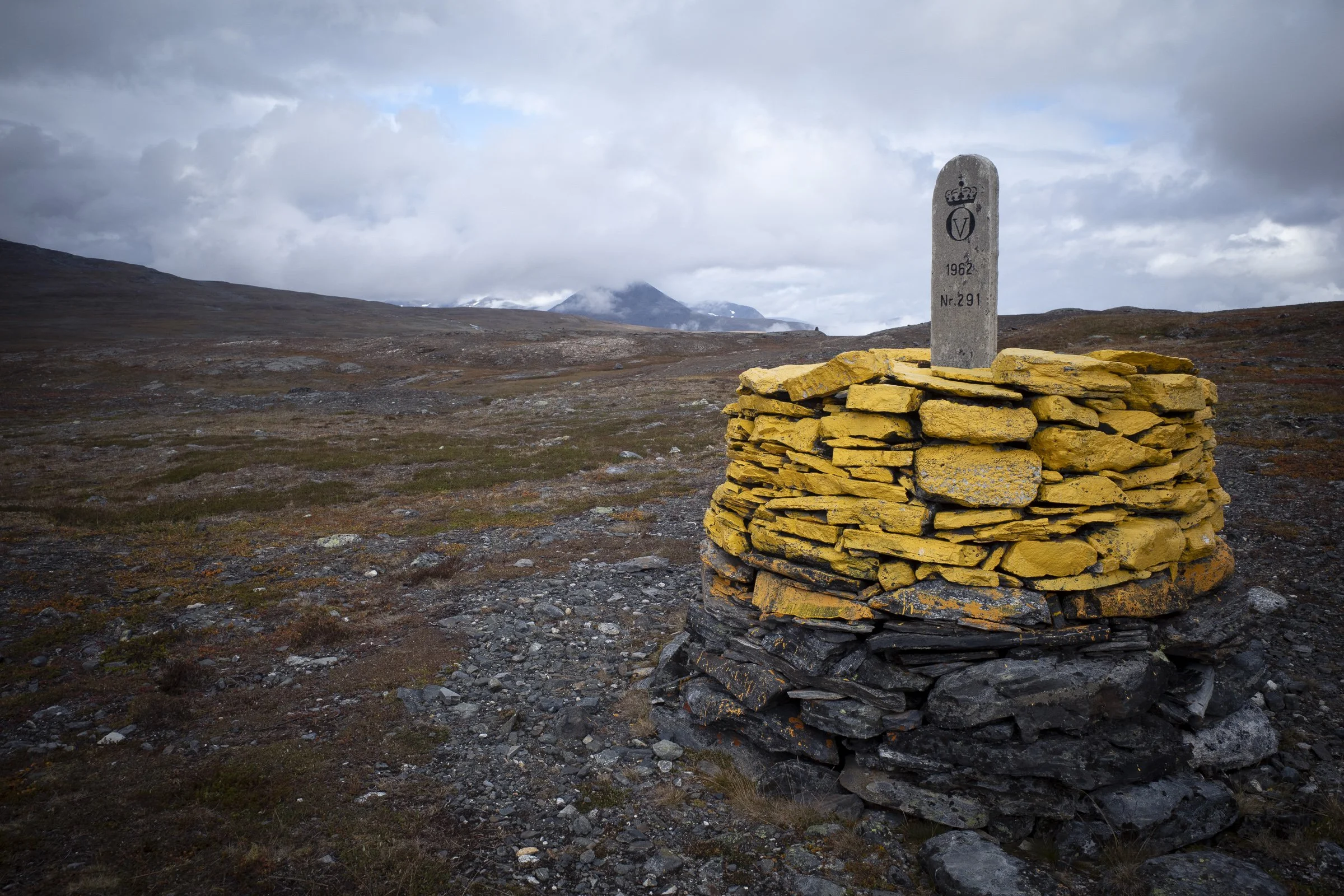
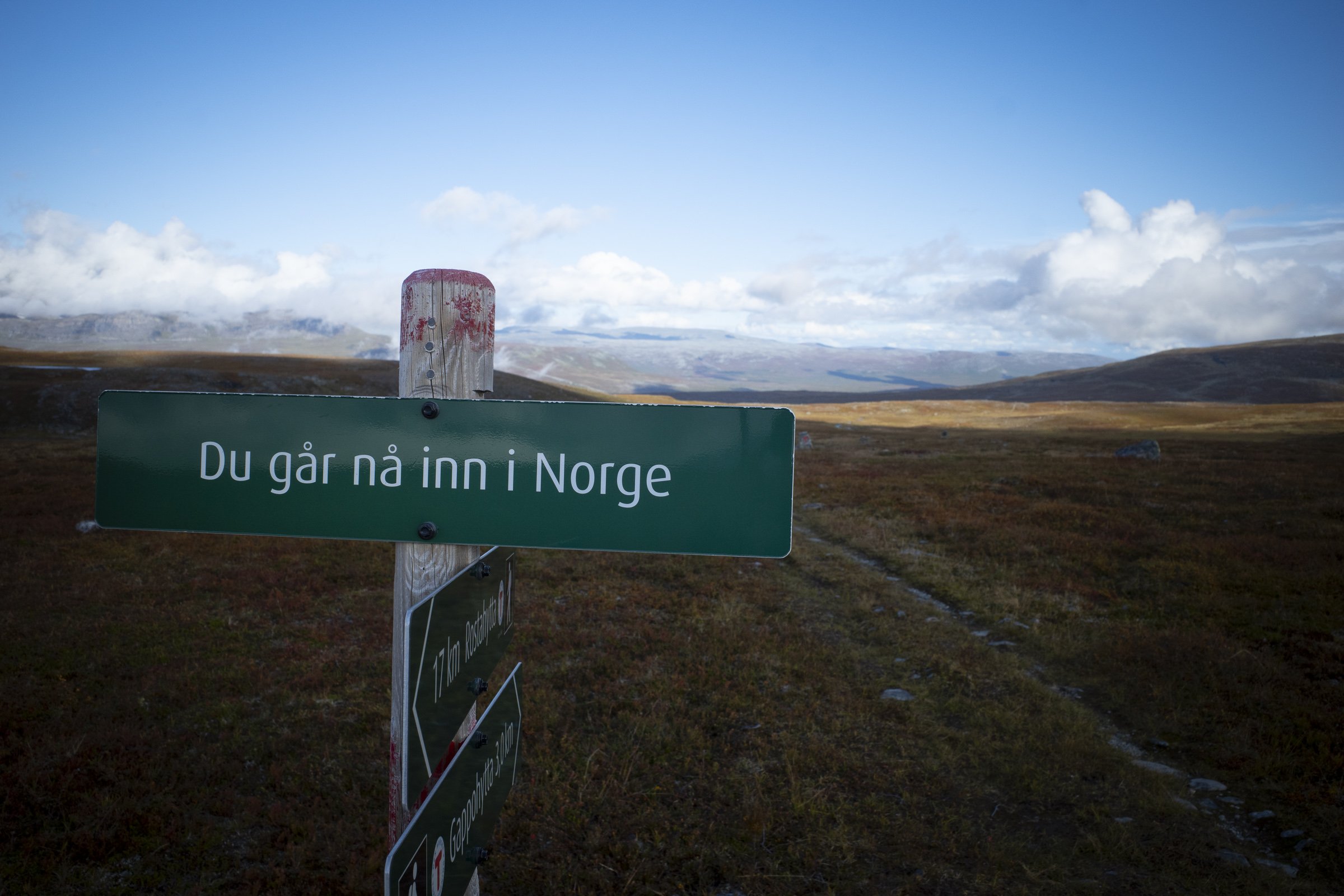
Crossing borders in the Nordics is easy as pie. I cannot remember how often I switched between the three countries. Some painted heaps of stone or a signpost marks the switch. No more. At famous Treriksröset near Kilpisjärvi all three countries meet.
Svarta Bjørn
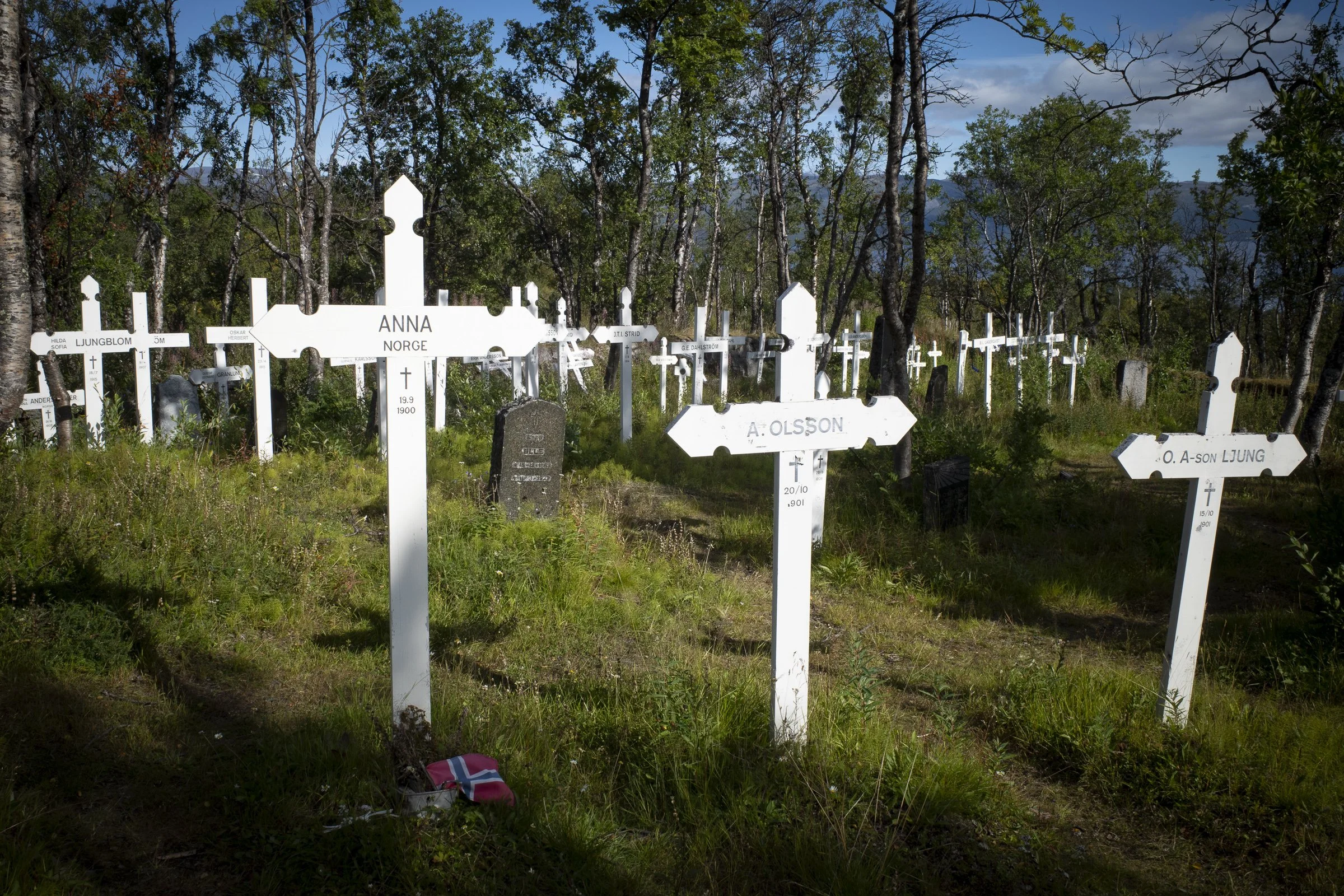
The first few kilometers after Abisko lead over the famous and quite well trodden Rallarvägen (Norwegian: Rallarvegen) that remembers the hardships of building the railway tracks of the Malmbanan (Norwegian: Ofotbanen) up here in the subarctic wild. Kari Bremnes dedicated her wonderful record “Svarta Bjørn” (The black she-bear) to the memory of Anna, the cook of a brigade of workers and one of the female pioneers of the industrialization of the Scandinavian north. I took the opportunity to visit Anna’s grave.
Birds in their habitat
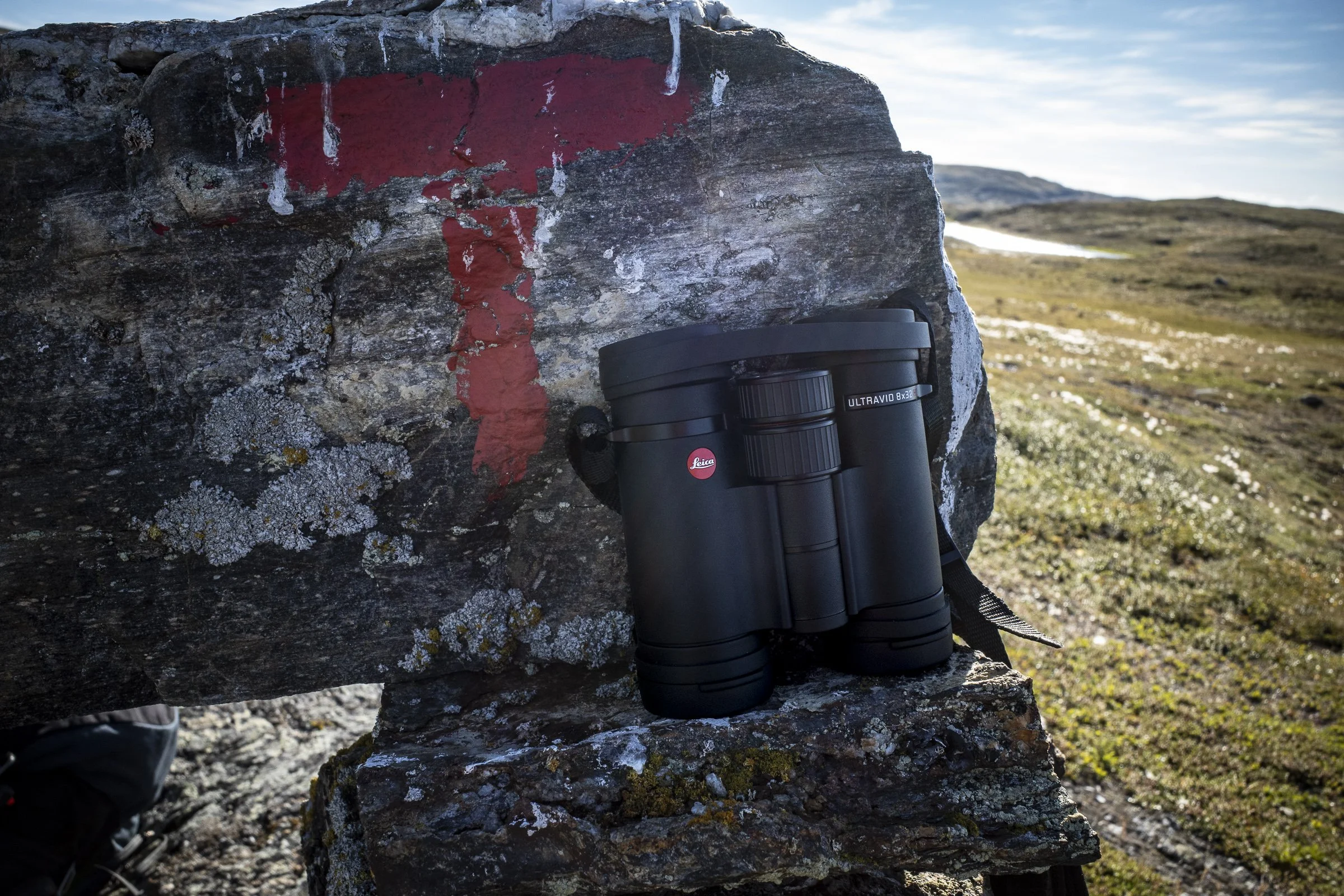
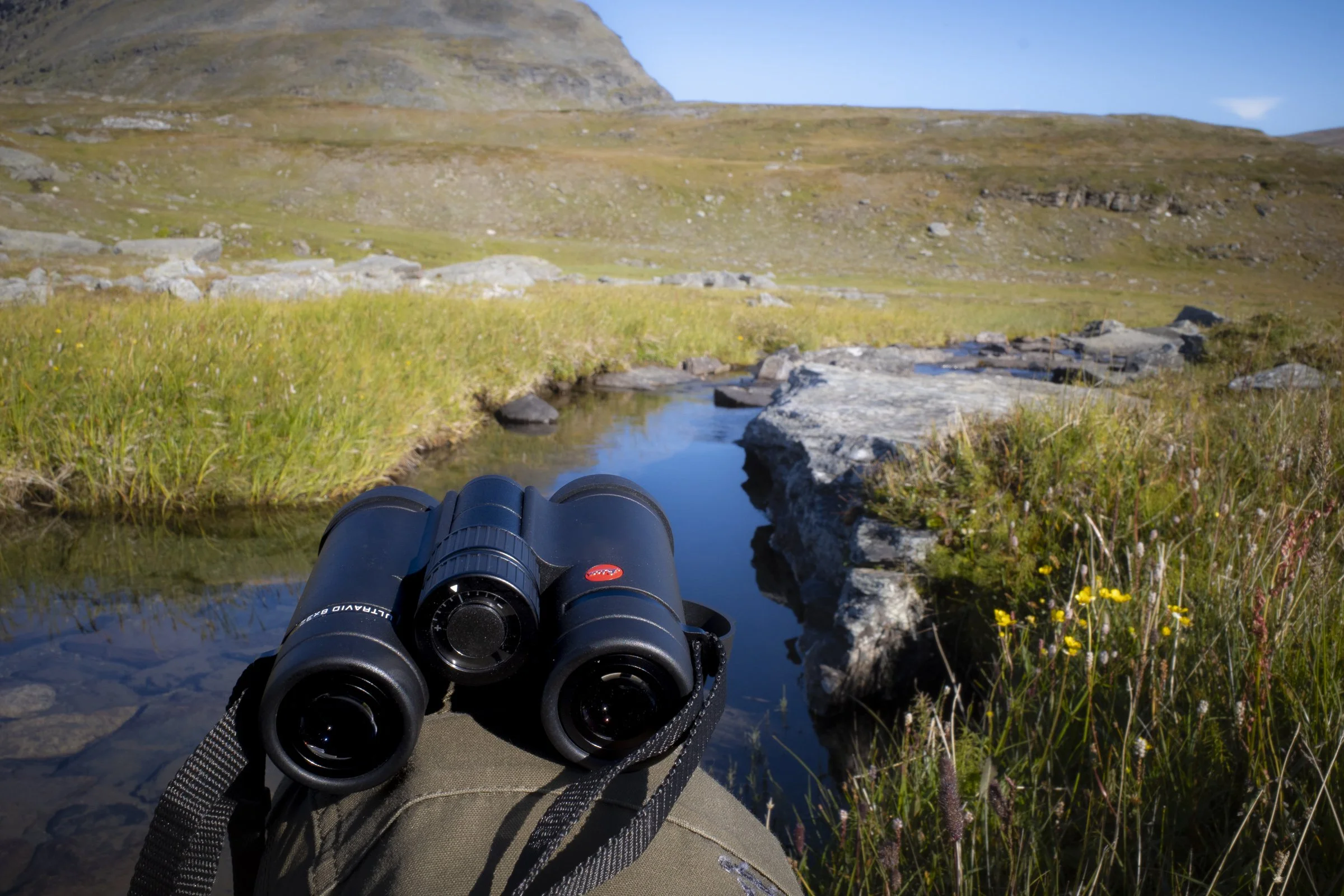
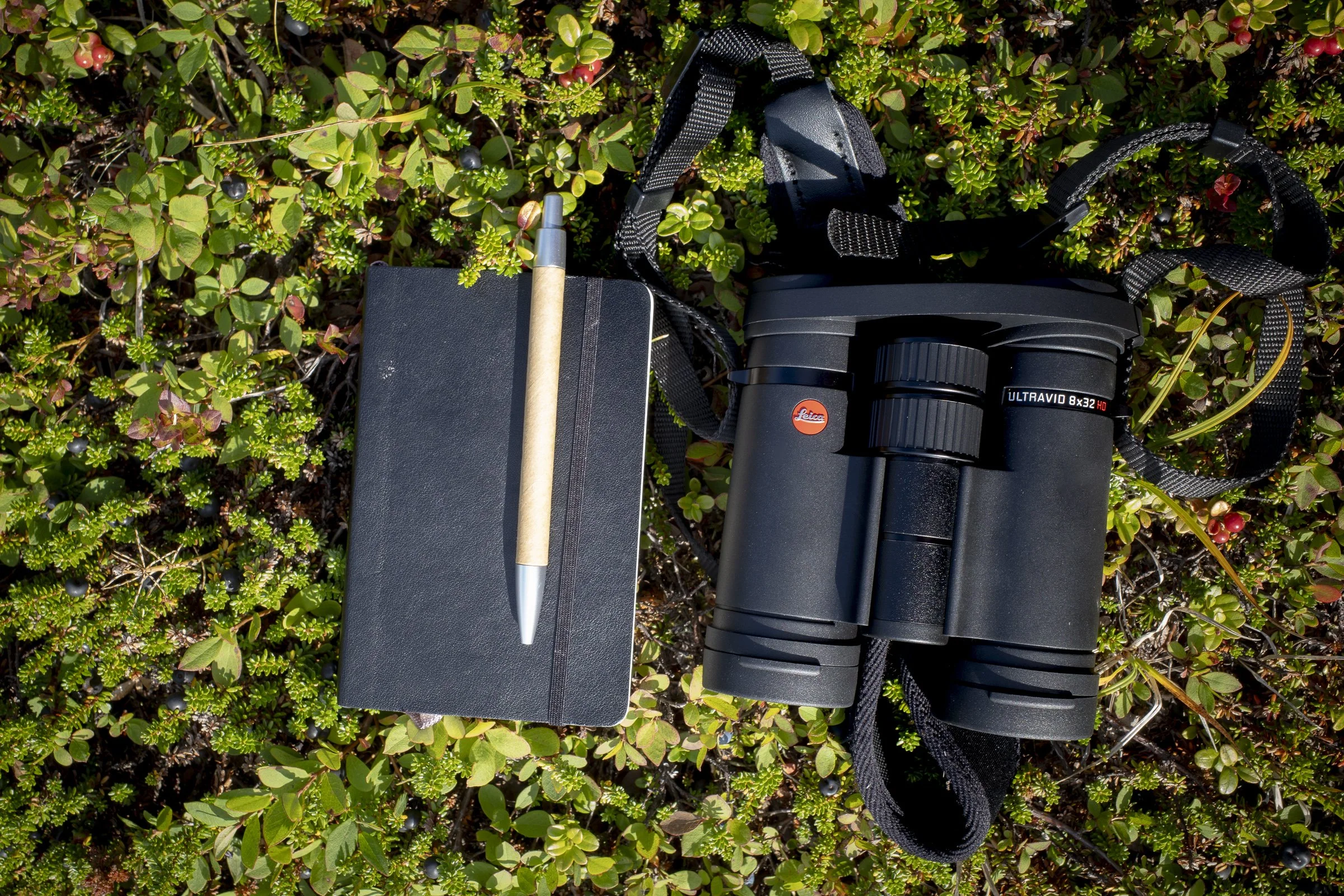
My friends at Orniwelt – in my books the best store for sport optics in Germany – hooked me up with a compact and lightweight, but optically excellent binocular as a loaner. A Leica Ultravid HD Plus in 8x32. Saving weight was crucial on that trip, where I had to carry food for two weeks before I could resupply, as well as all the other gear I need to survive alone outdoors. The binoculars proved to be an excellent travelling companion. Lightweight, but sturdy with superb optical and build quality alike. It allowed me to marvel at a European golden plover (Pluvialis apricaria) in full breeding plumage that still was incredibly well camouflaged up in the Fjell. I saw my first Long-tailed jaeger (Stercorarius longicaudus) – a real flagship species up north. Ptarmigan – both rock (Lagopus muta) and willow (Lagopus lagopus) – were a far more common sight. And of course, the humble lemming (Lemmus lemmus) – pillar of the ecosystem.
Endless, awe-inspiring landscapes
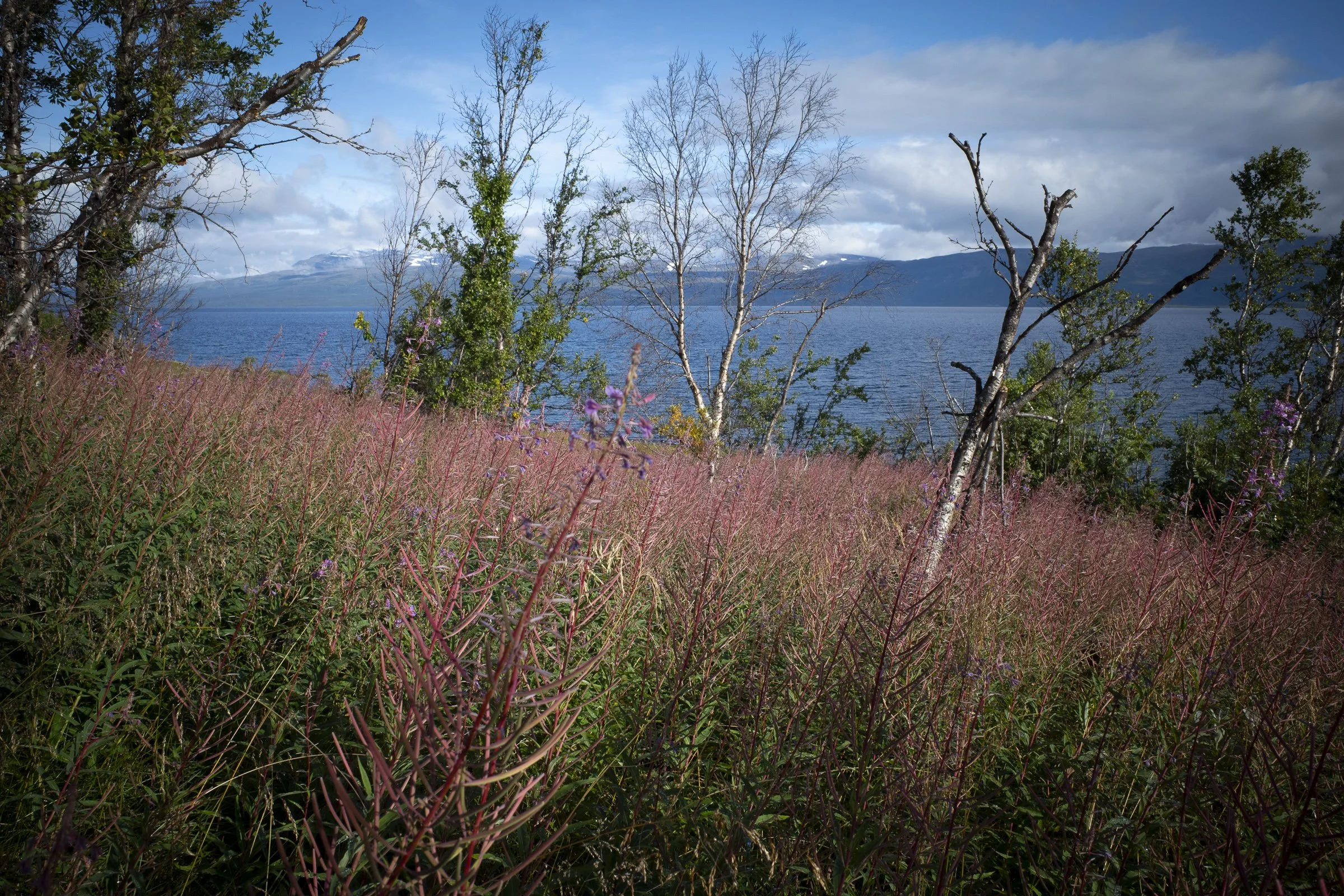
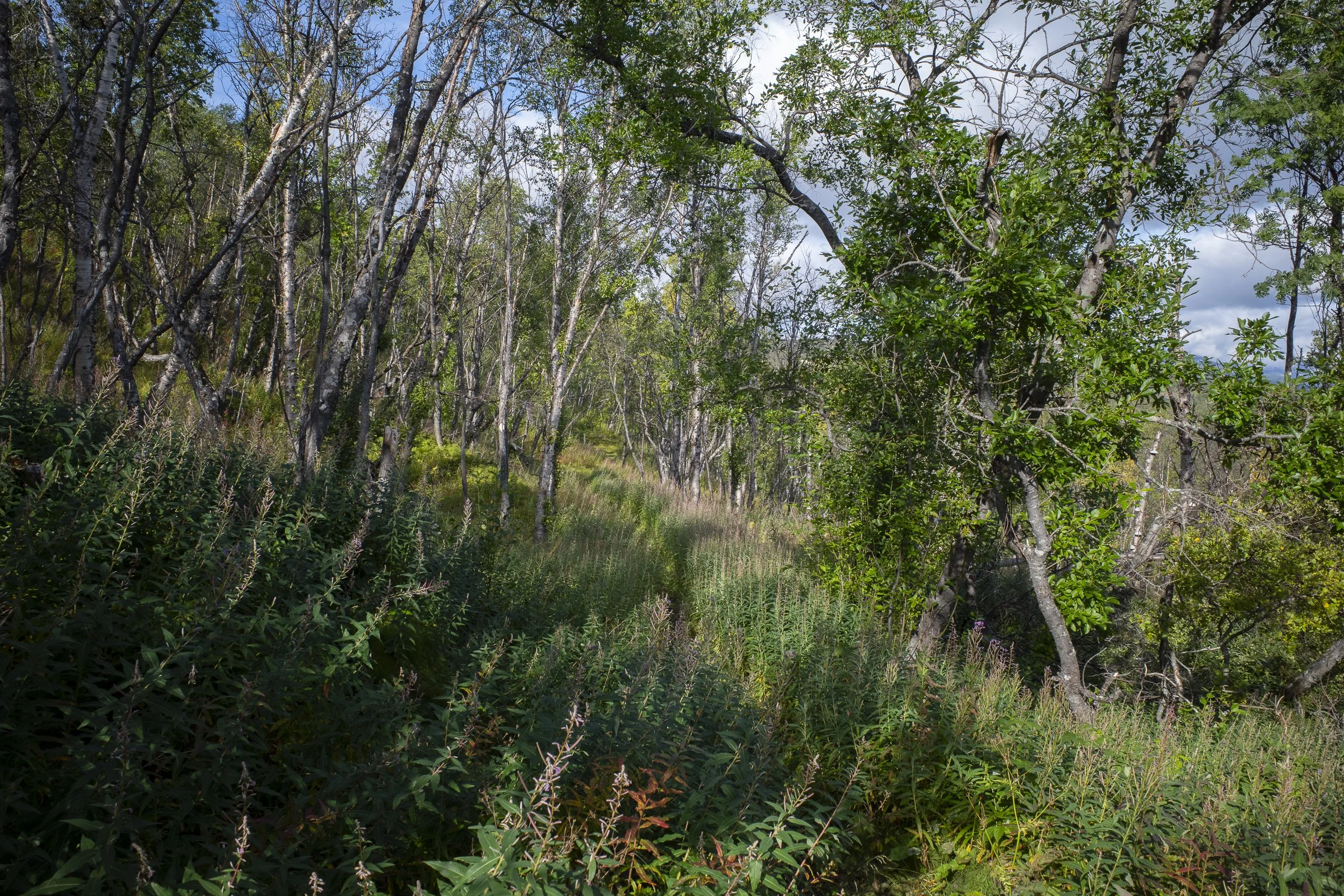
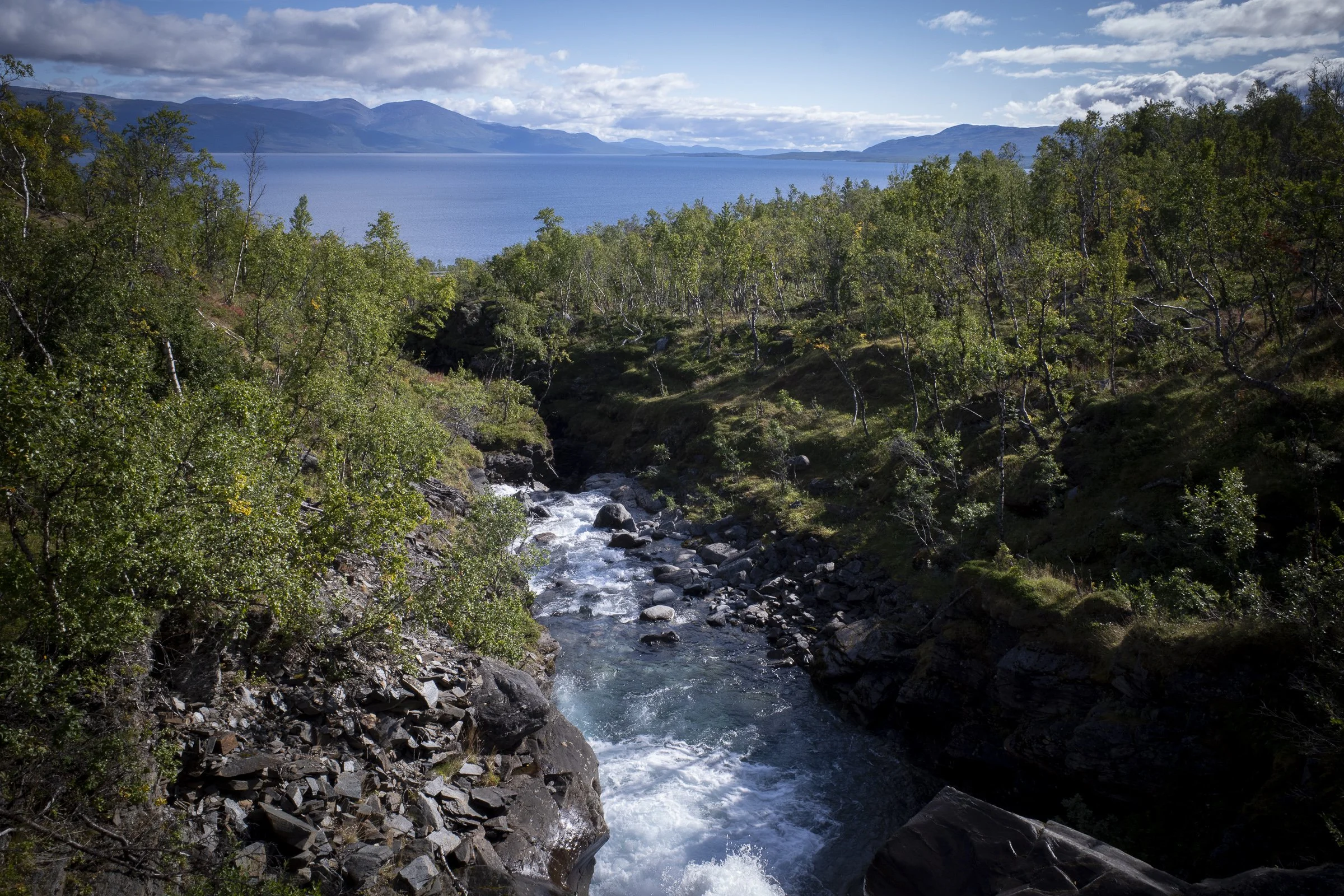
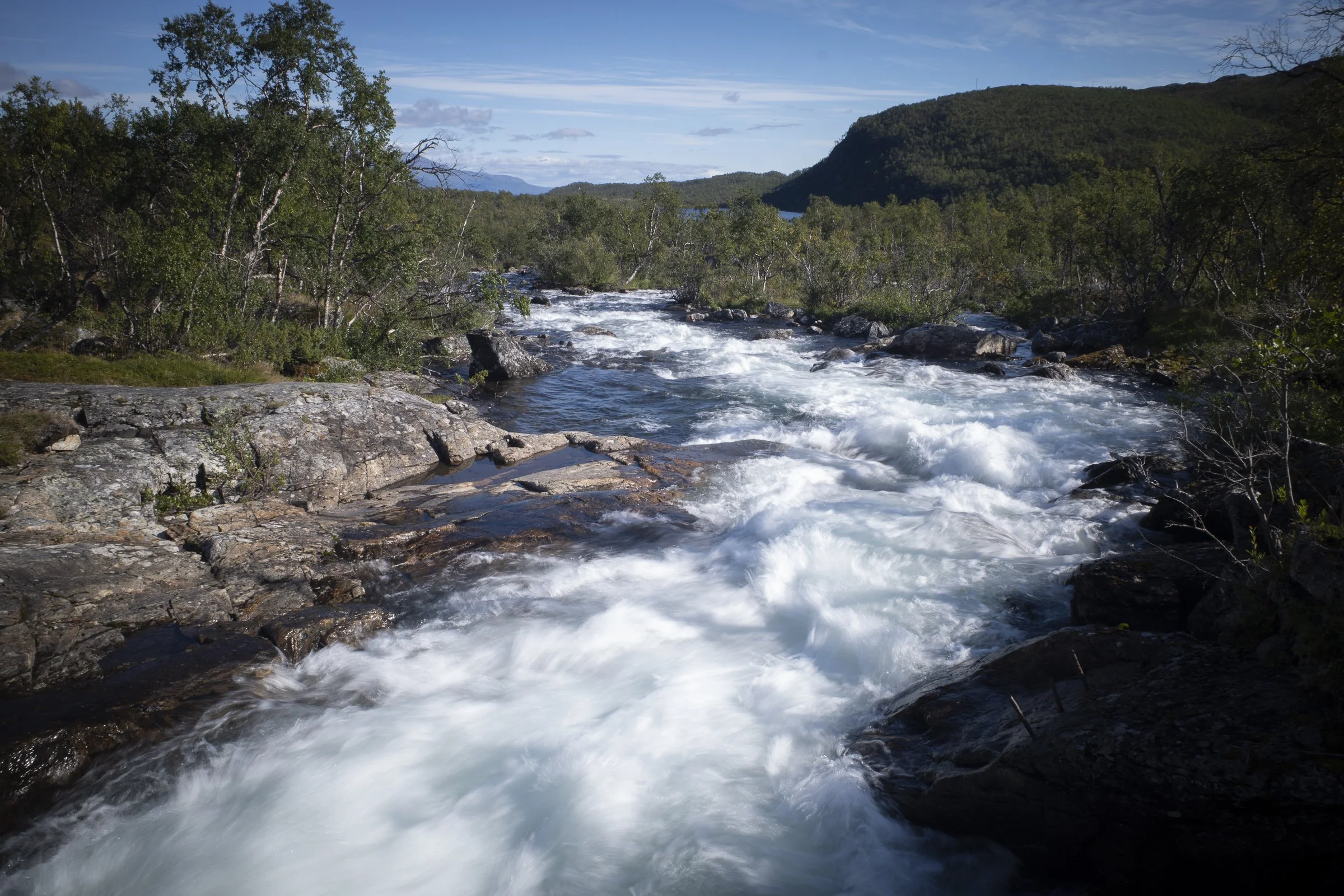
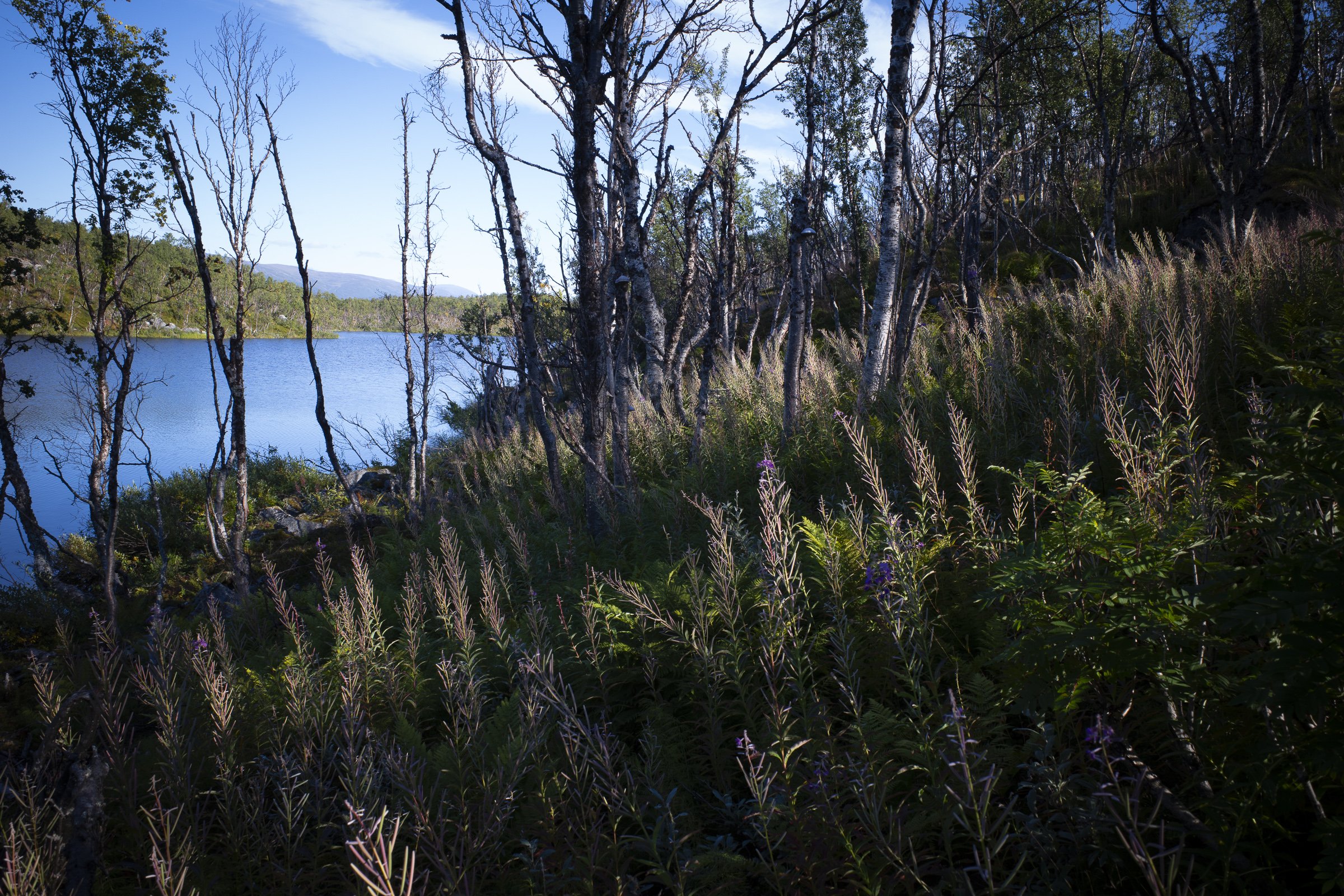
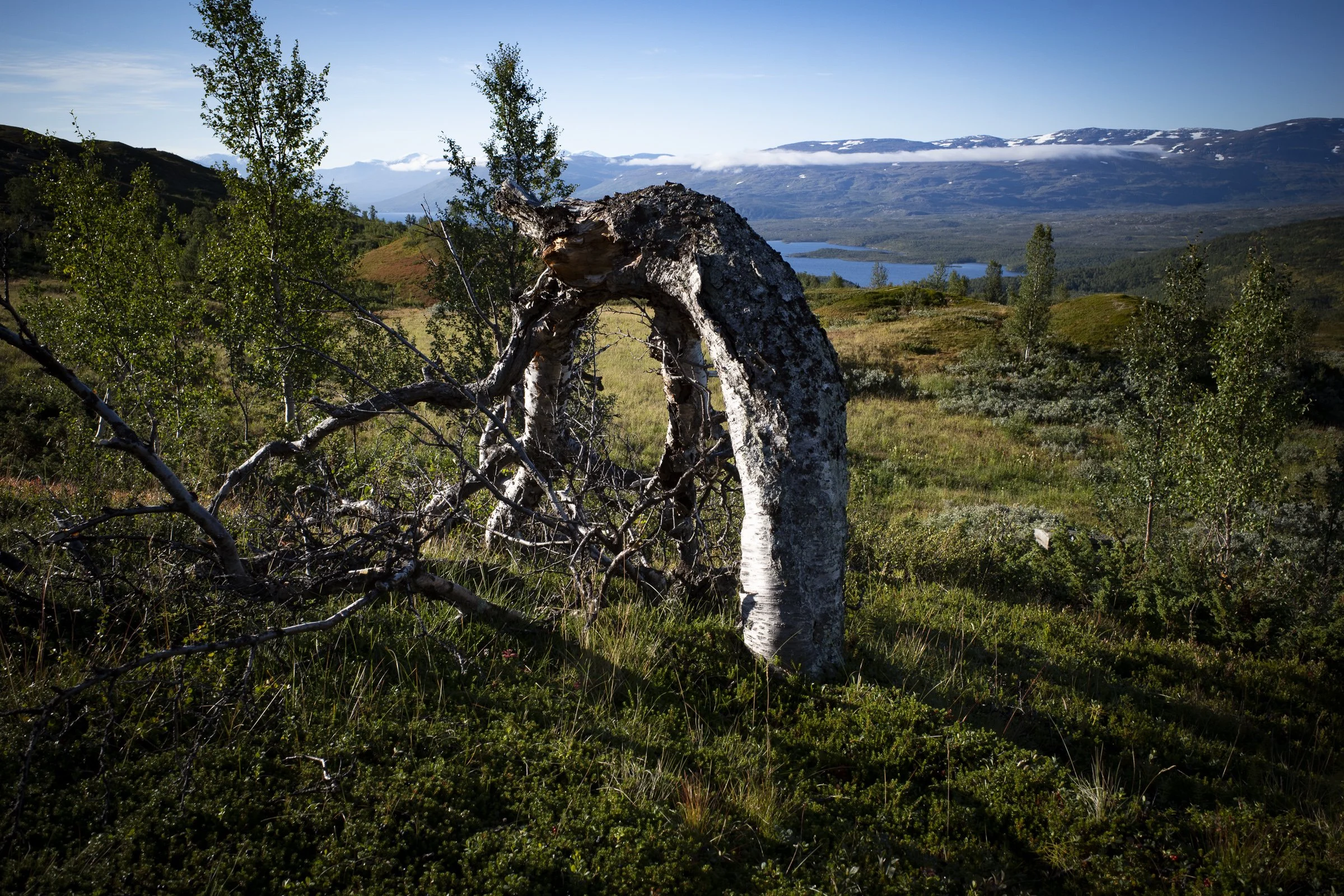
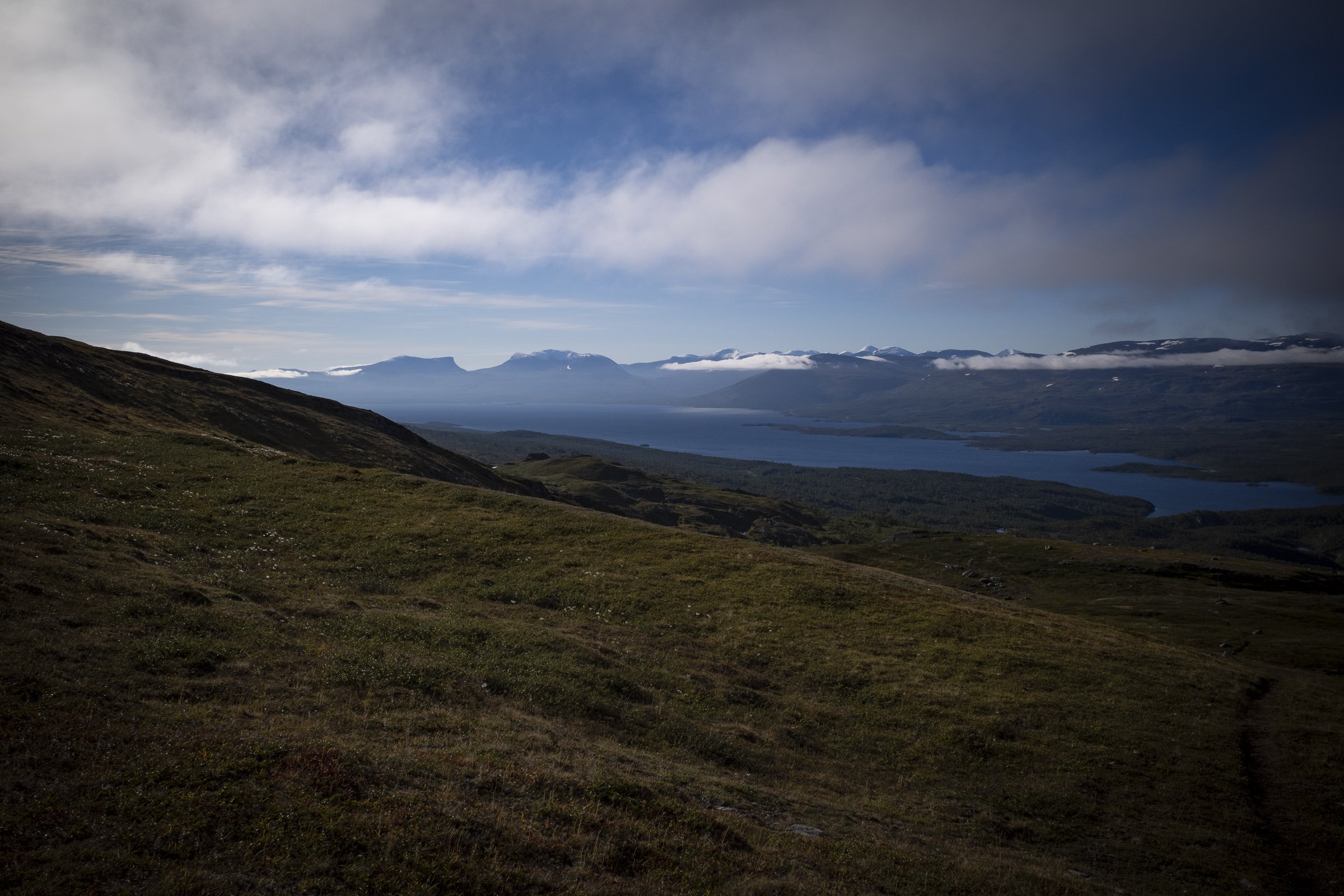
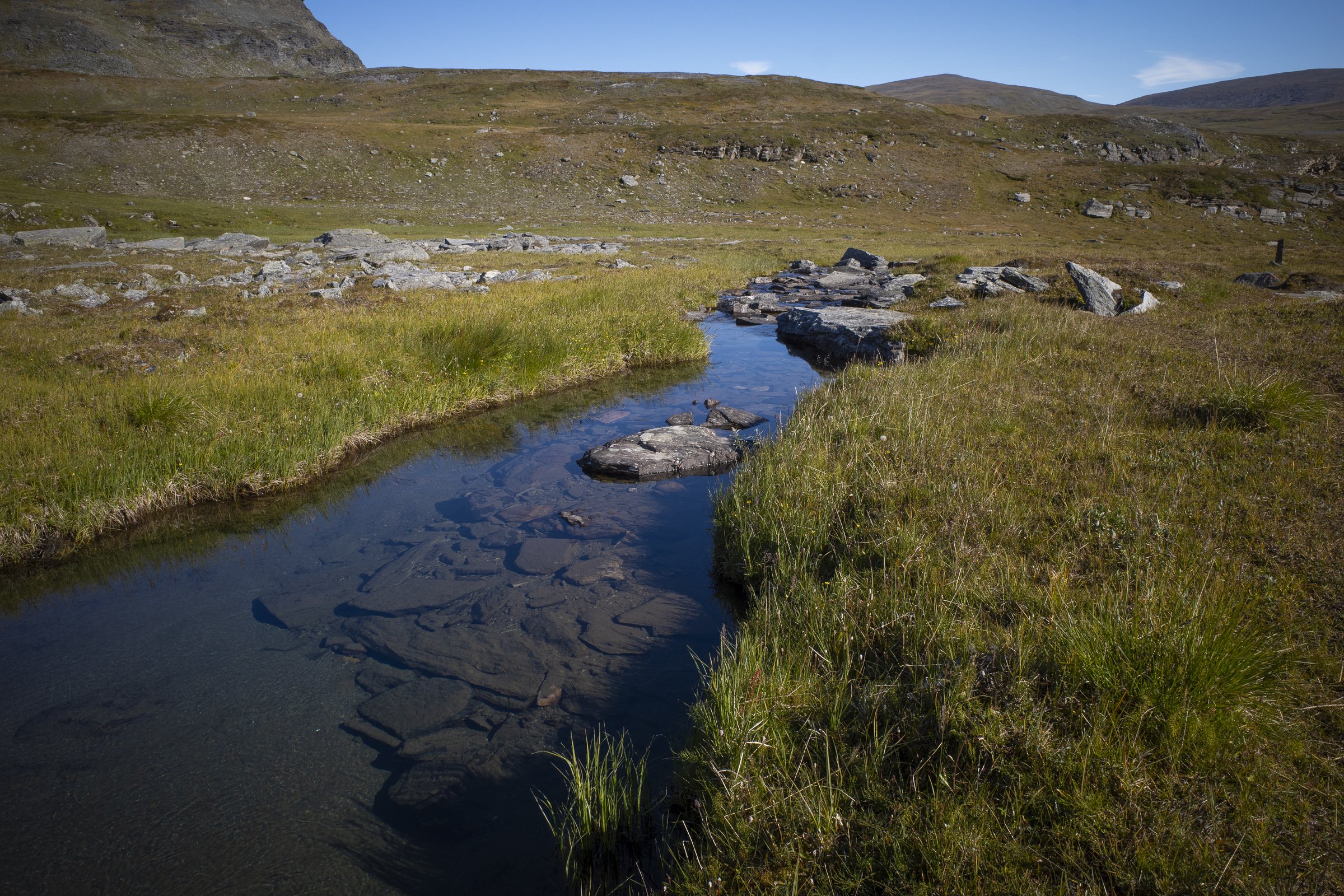
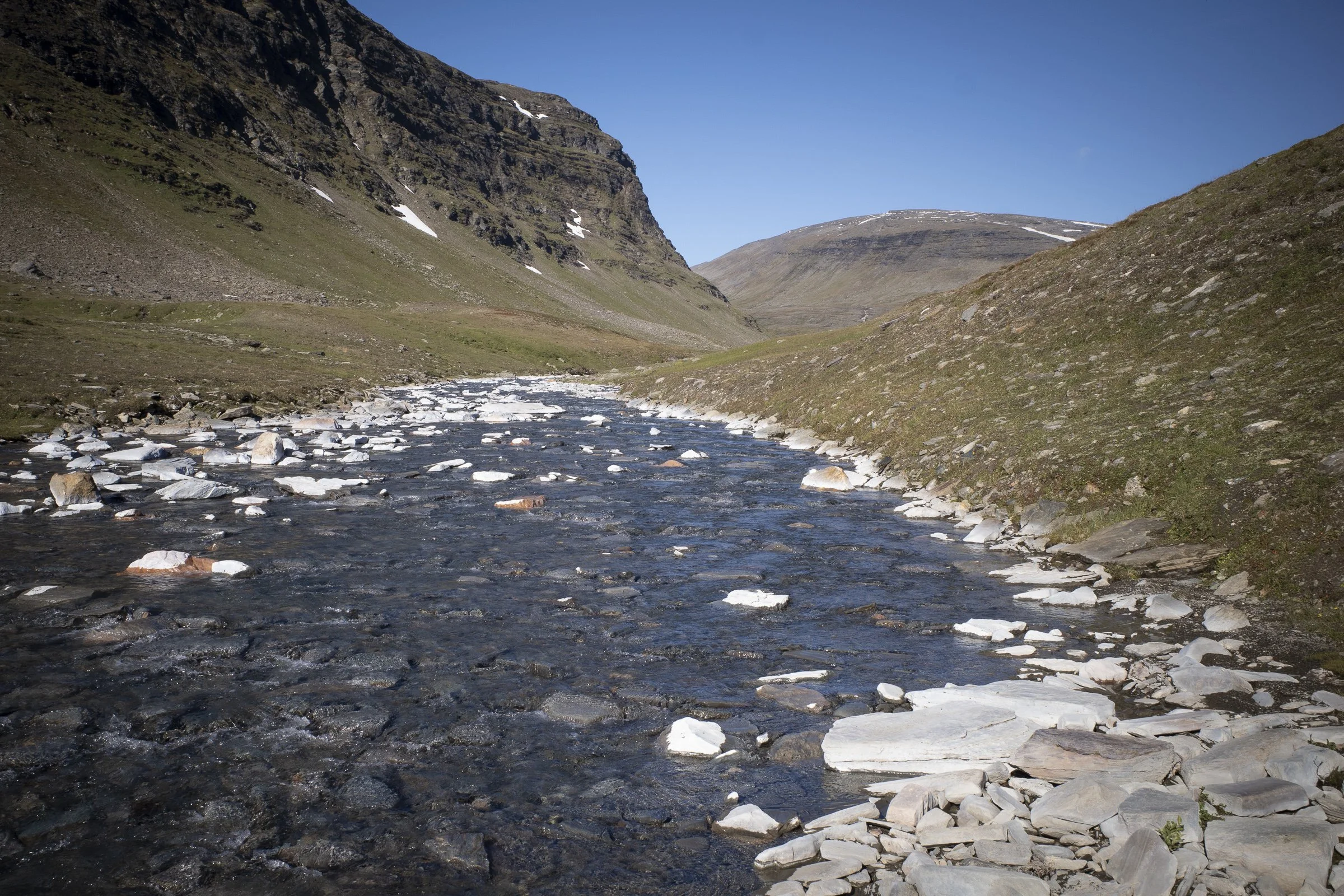
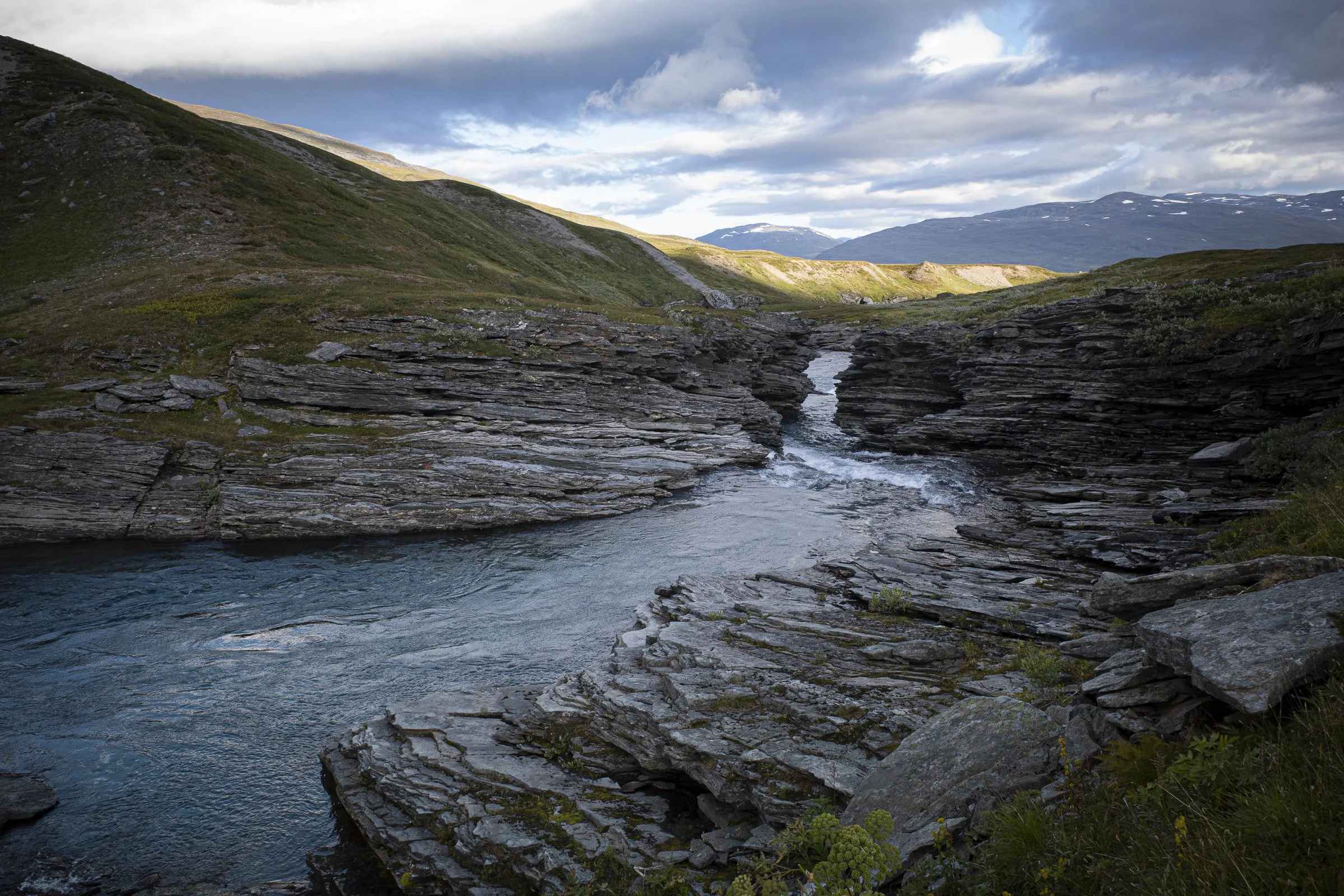
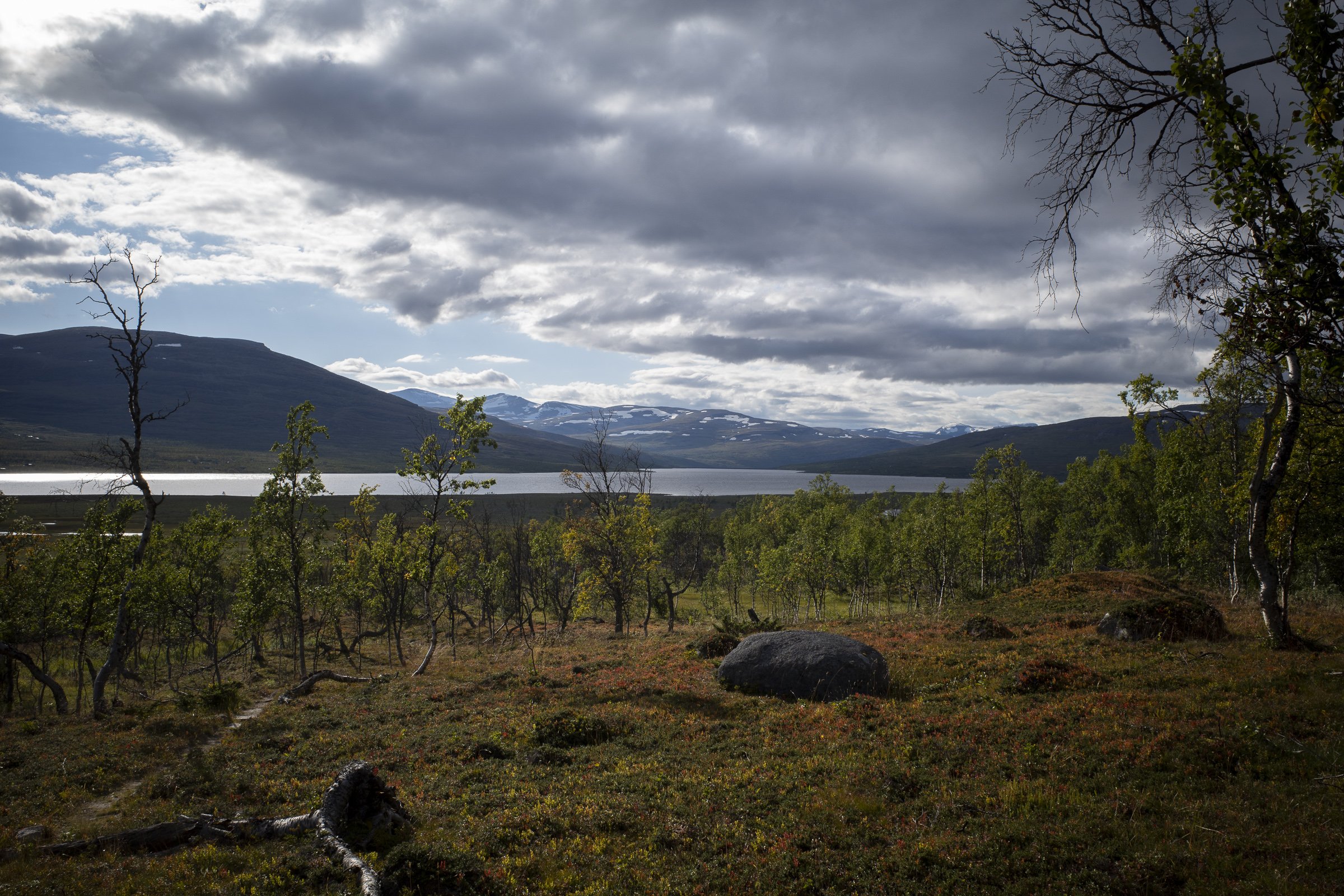
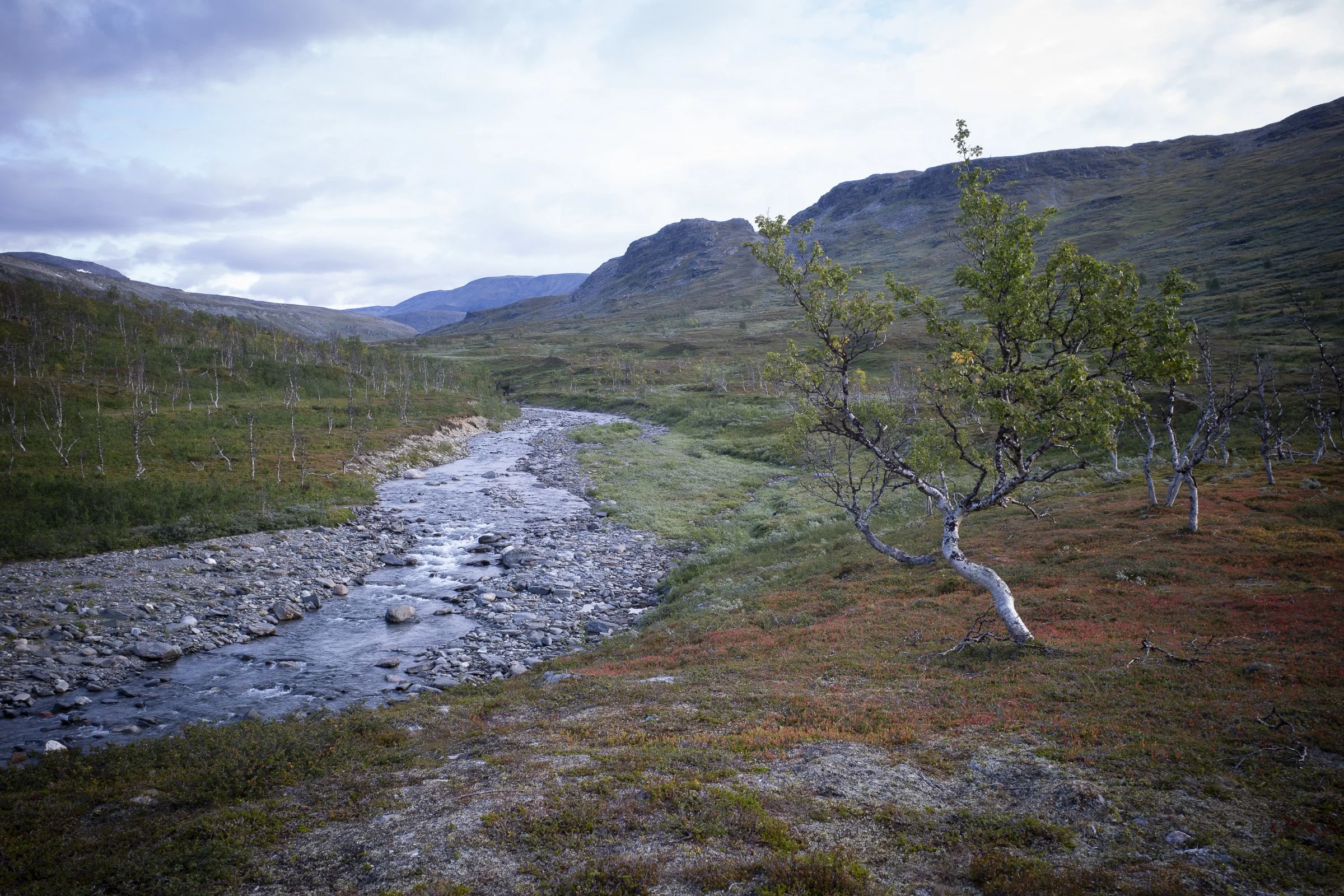
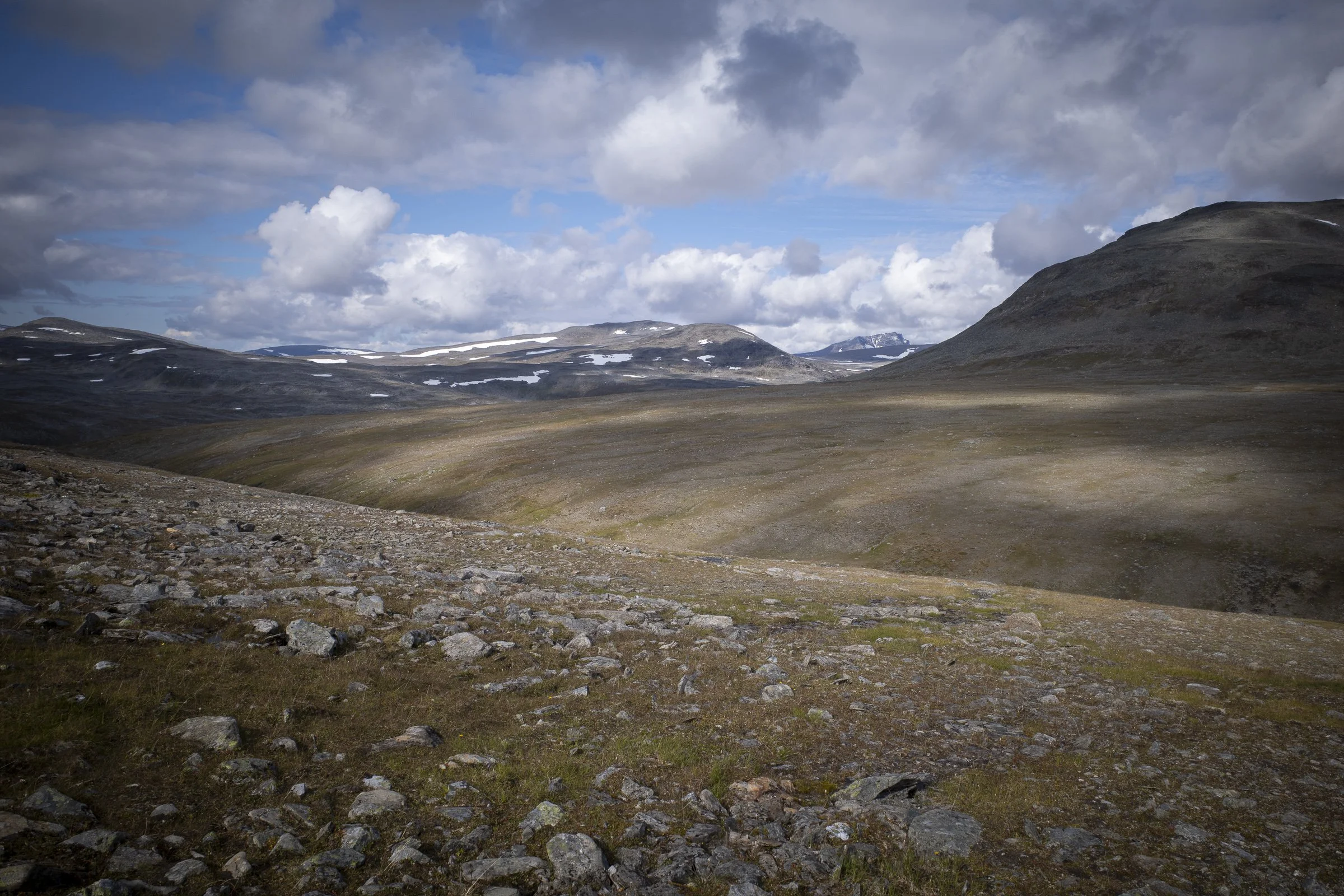
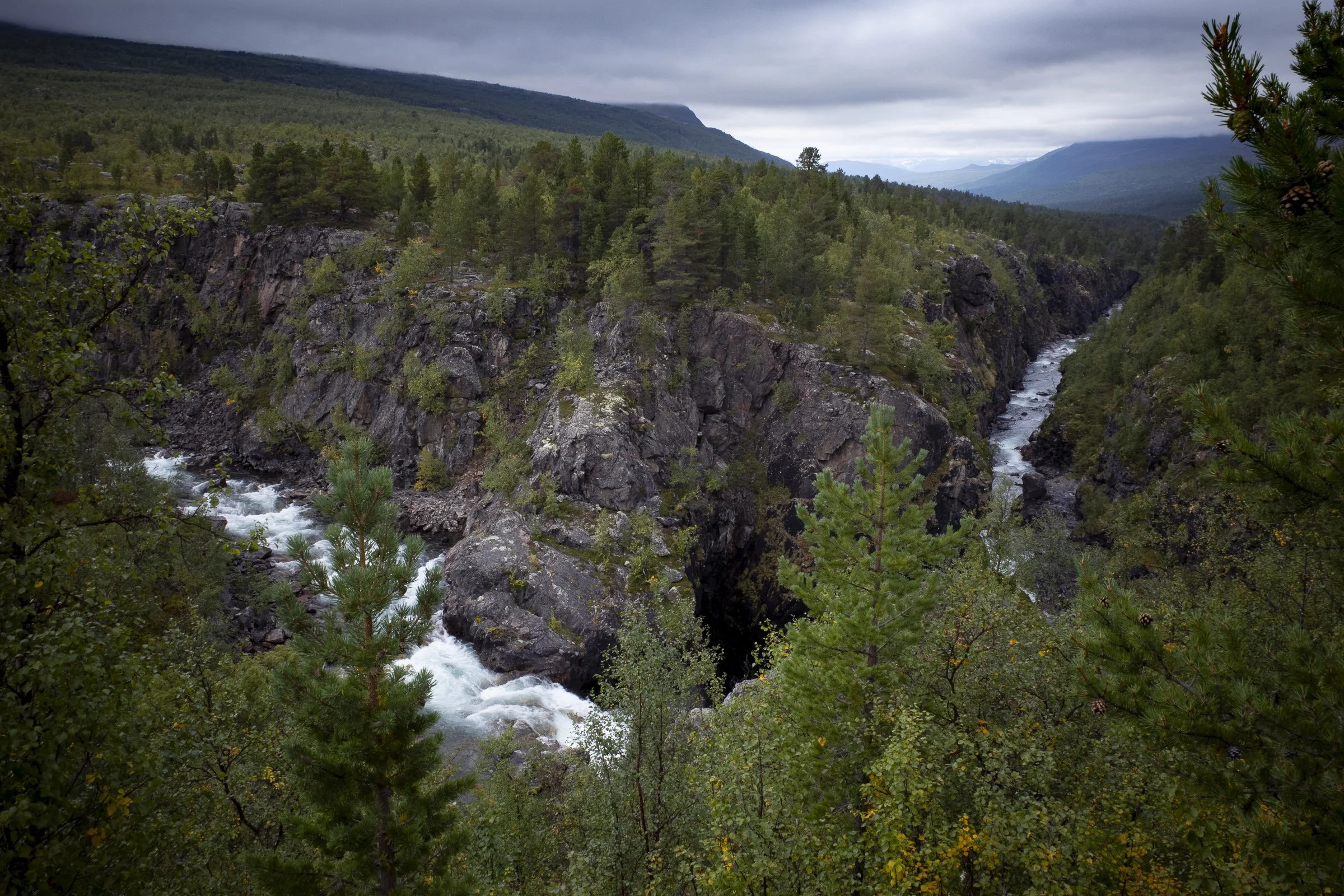
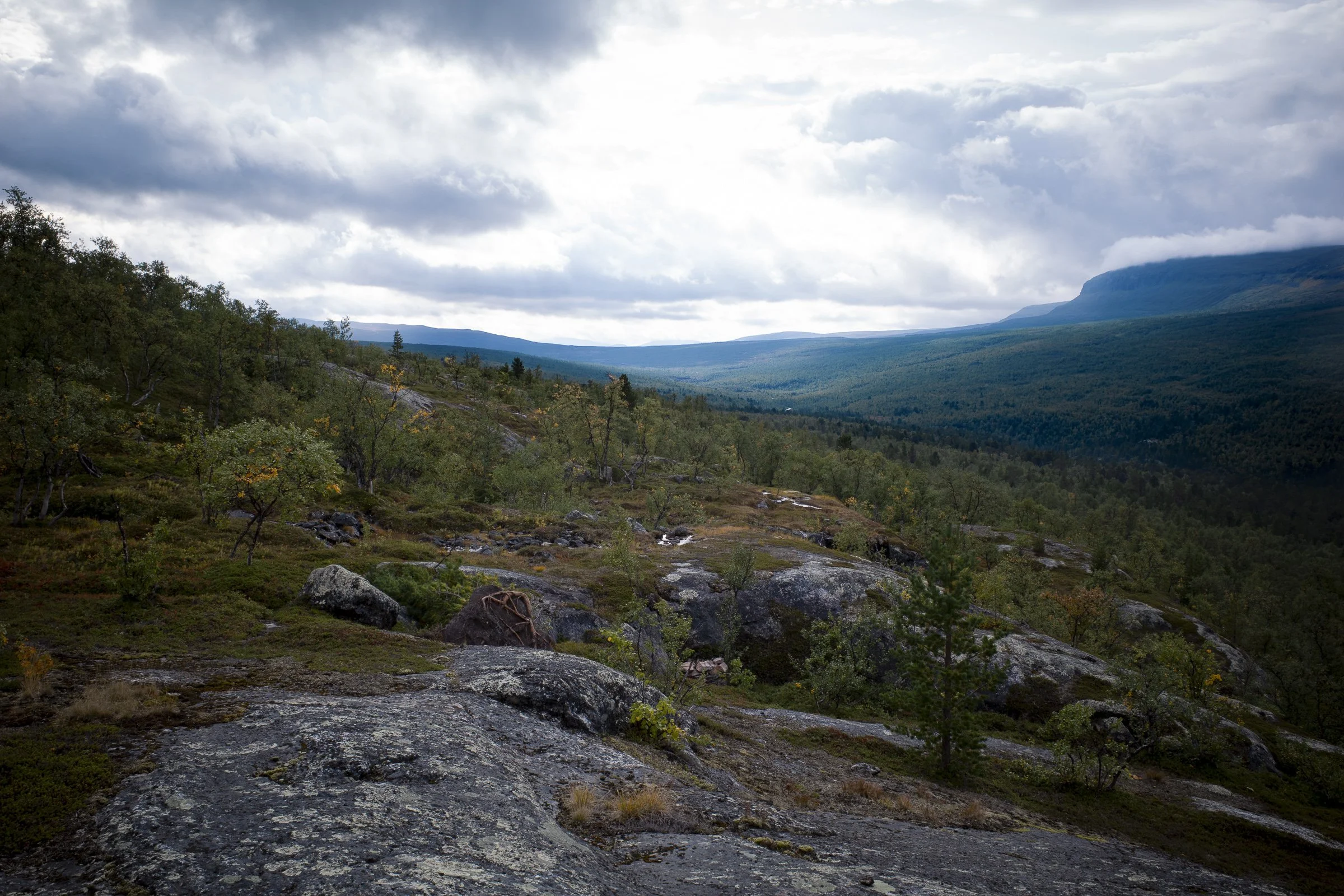
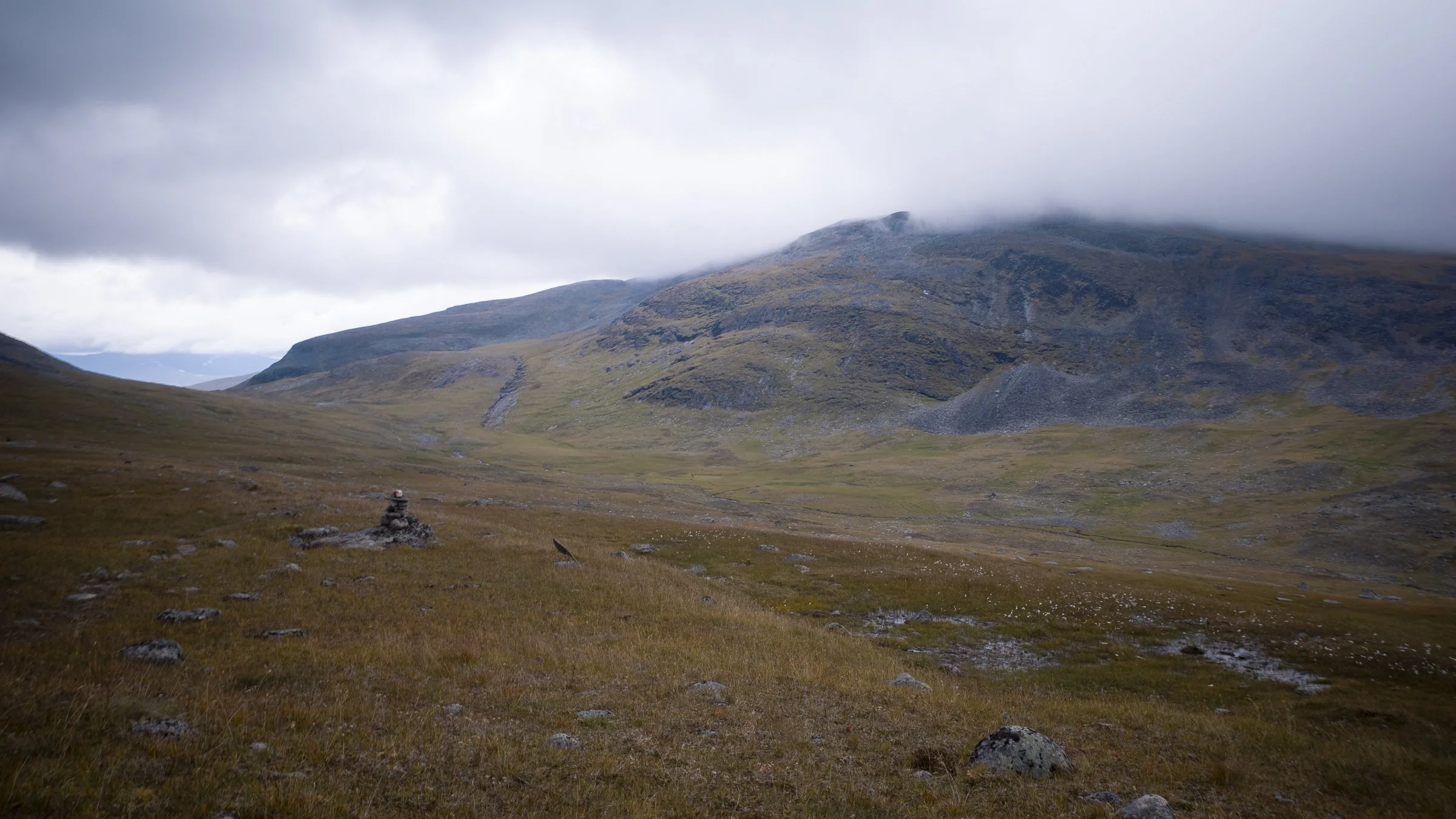
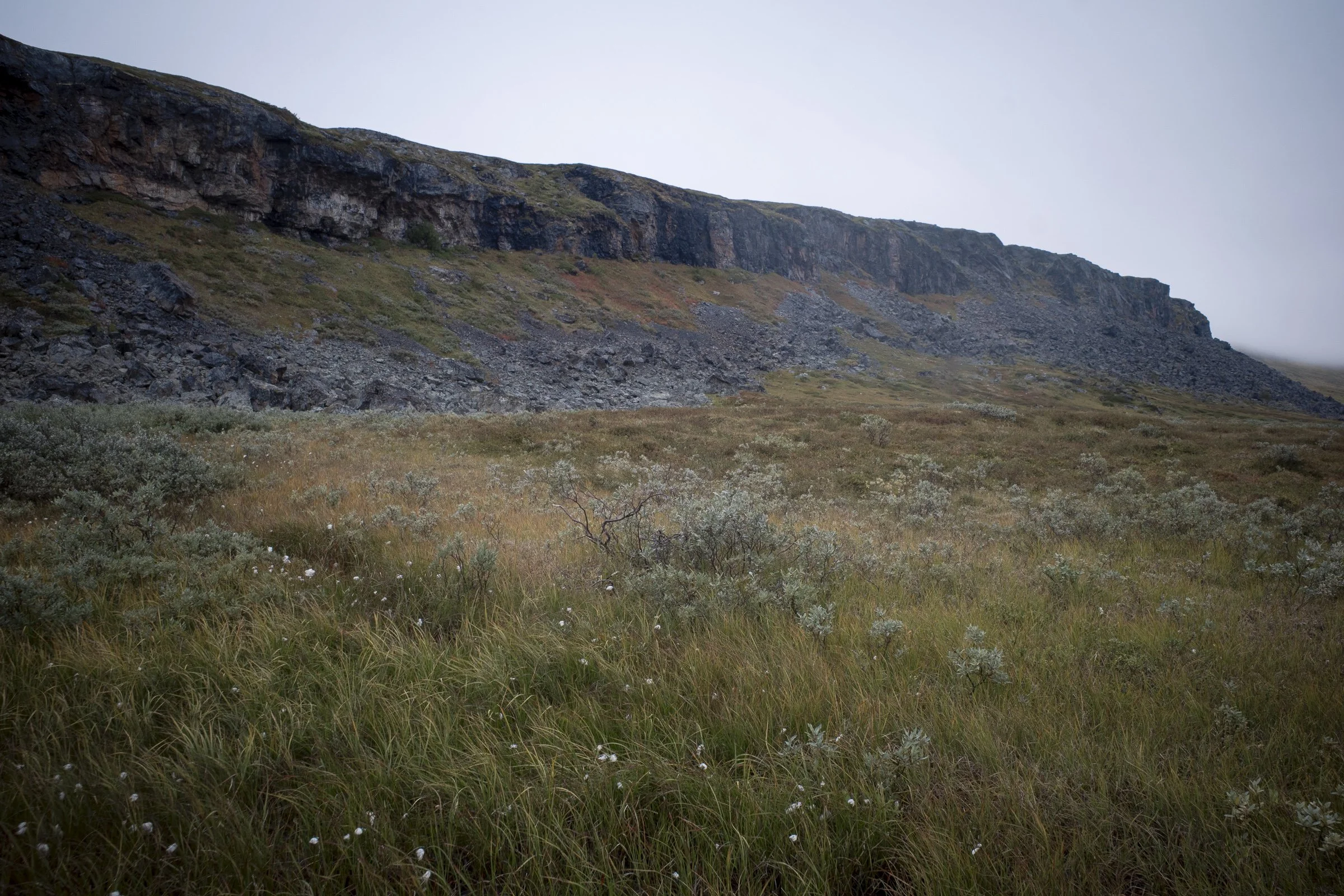
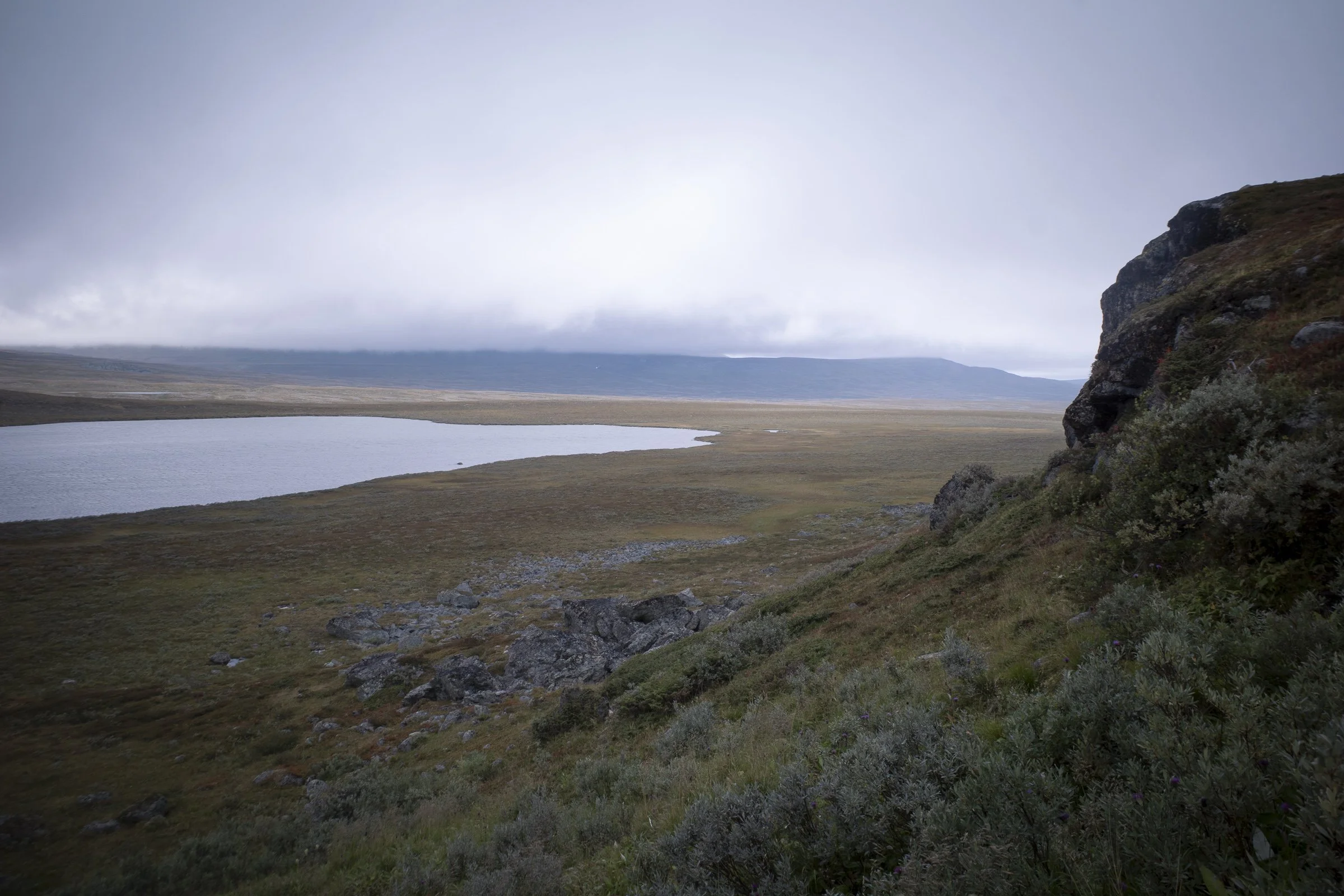
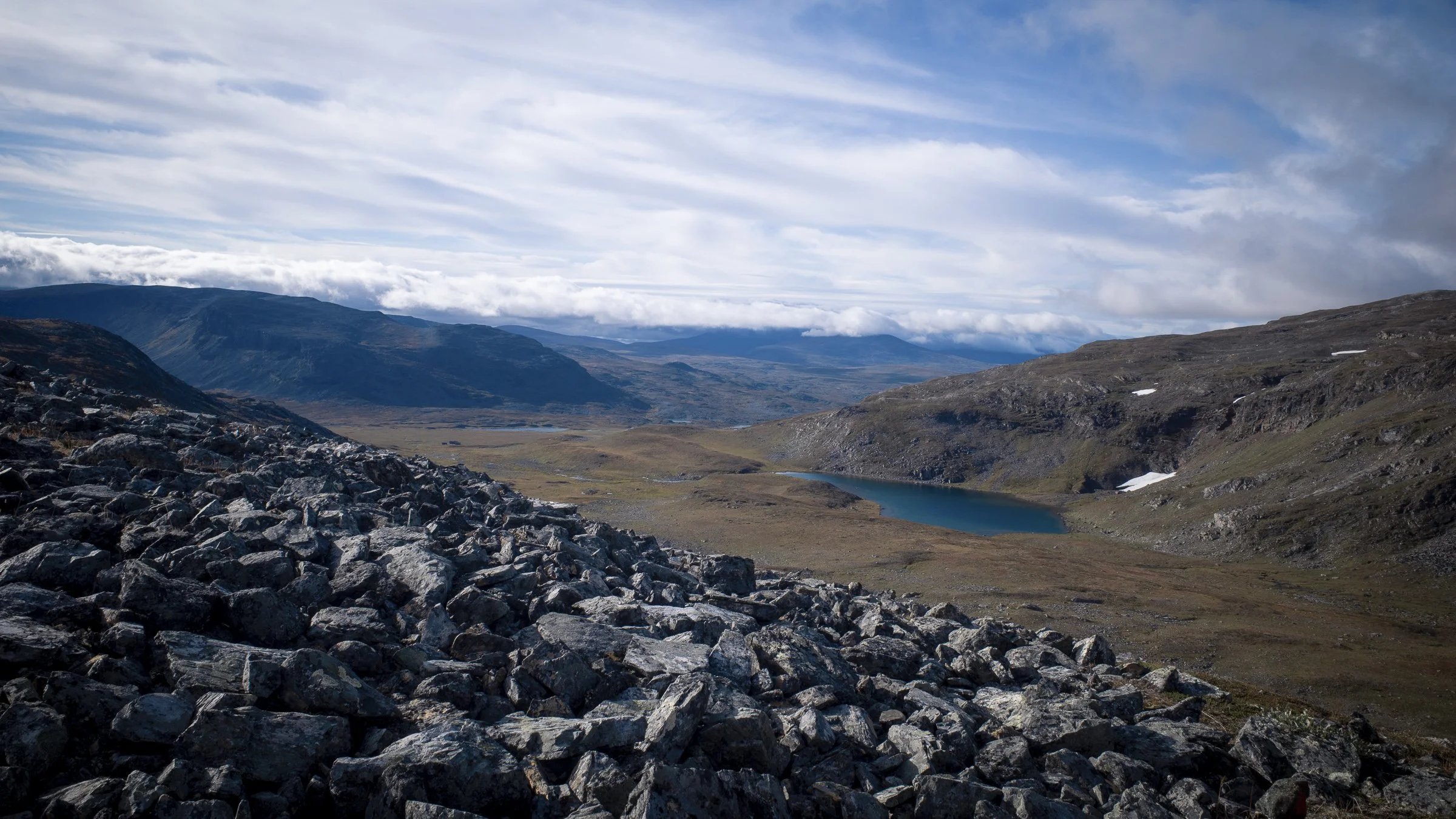
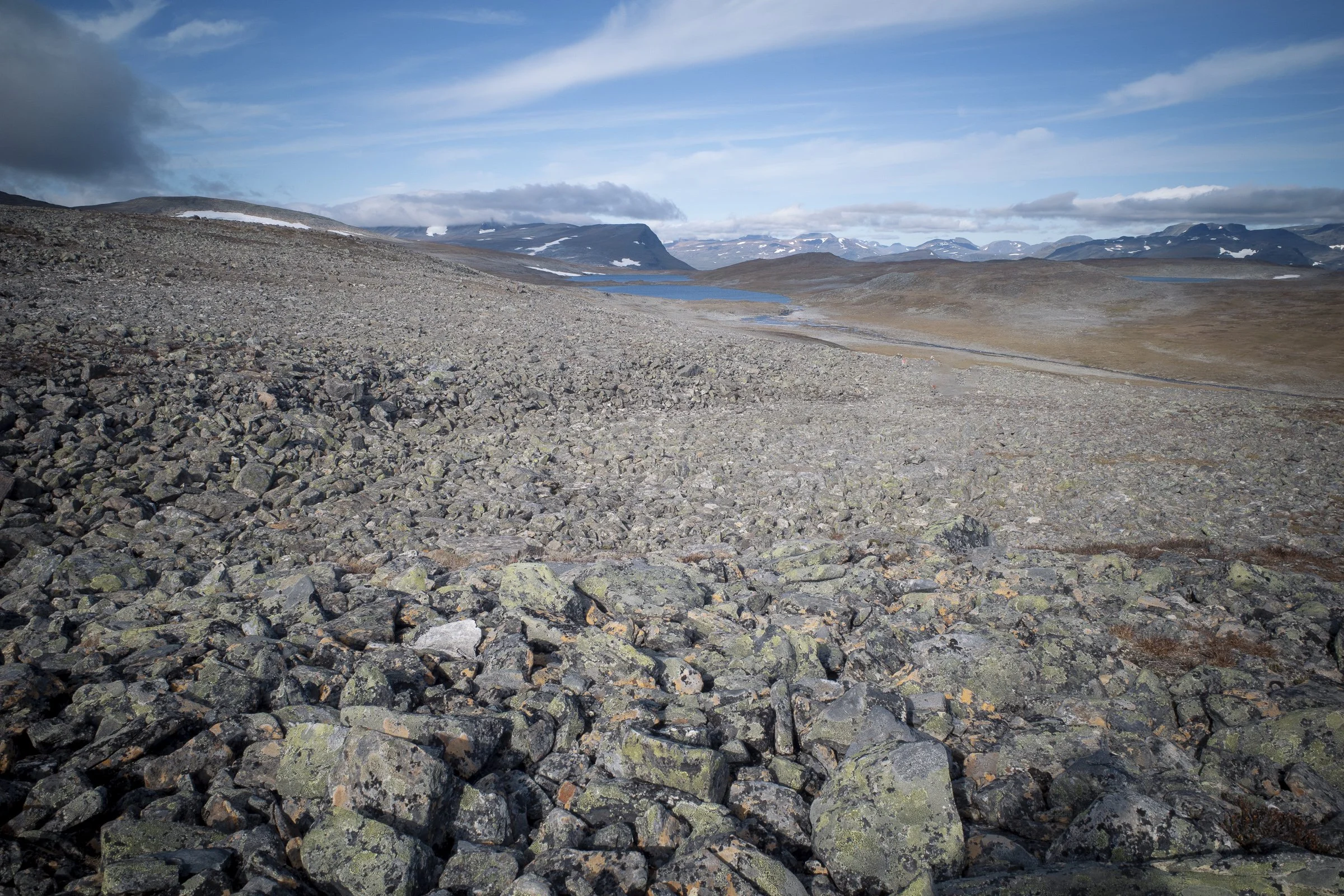
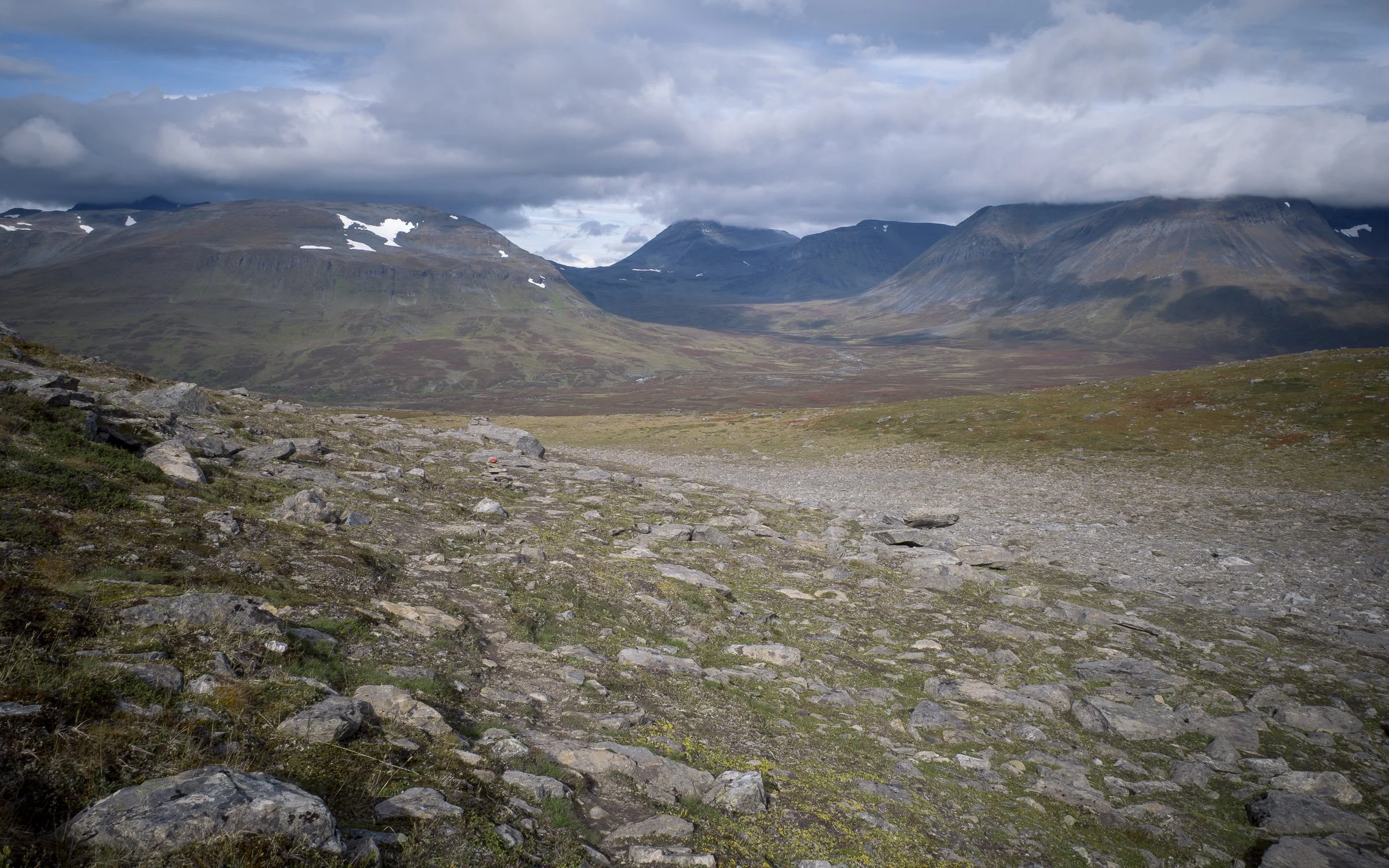
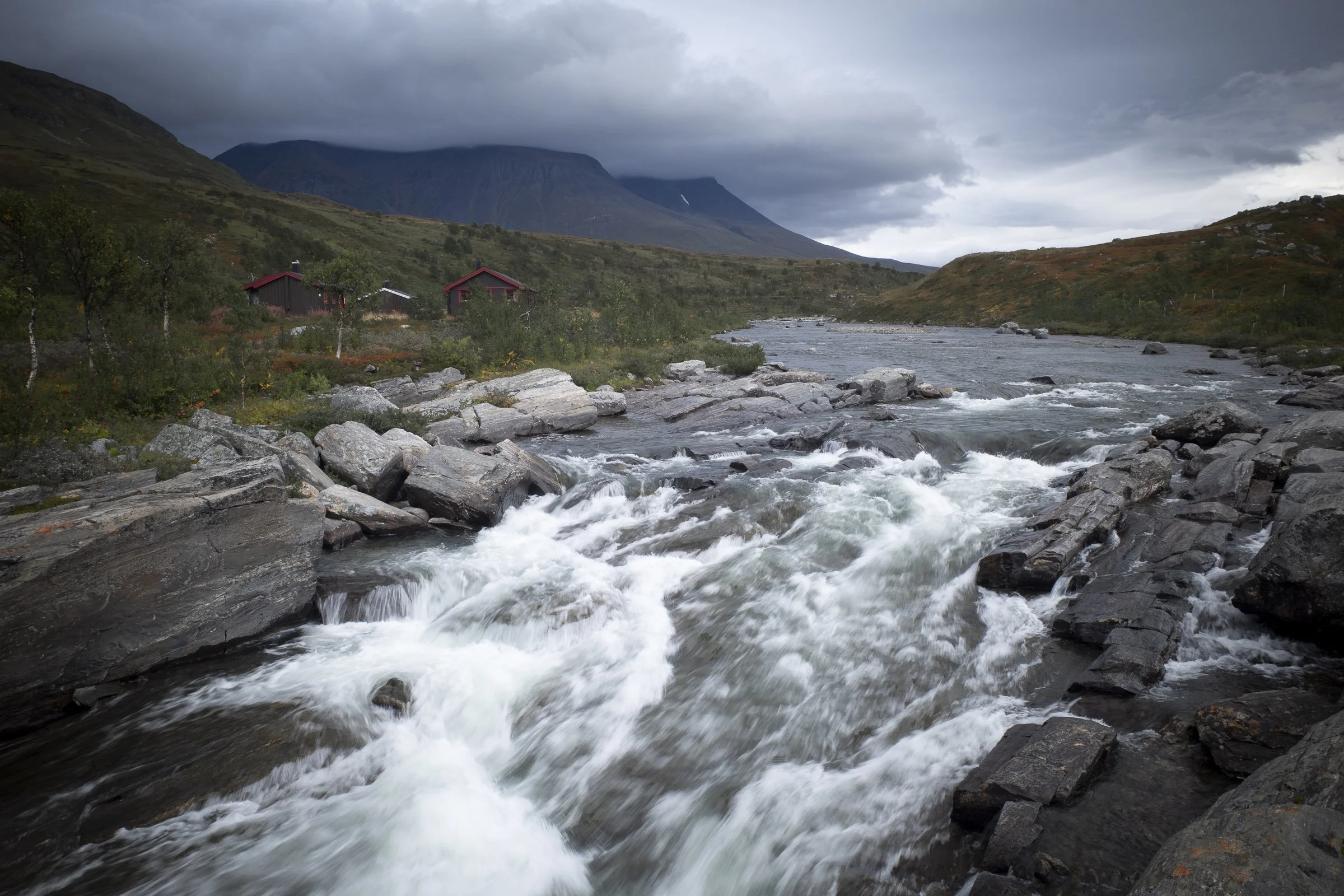
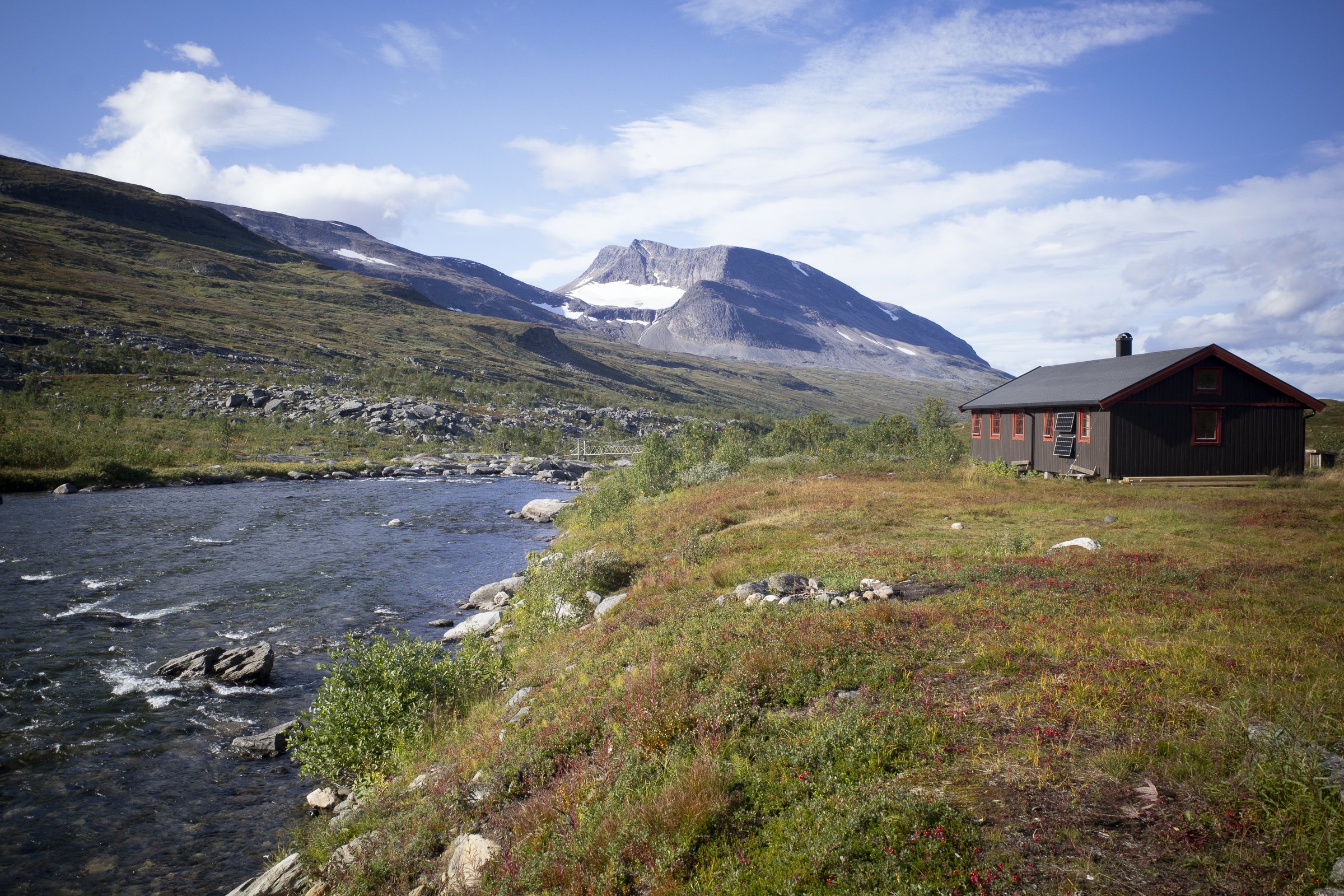
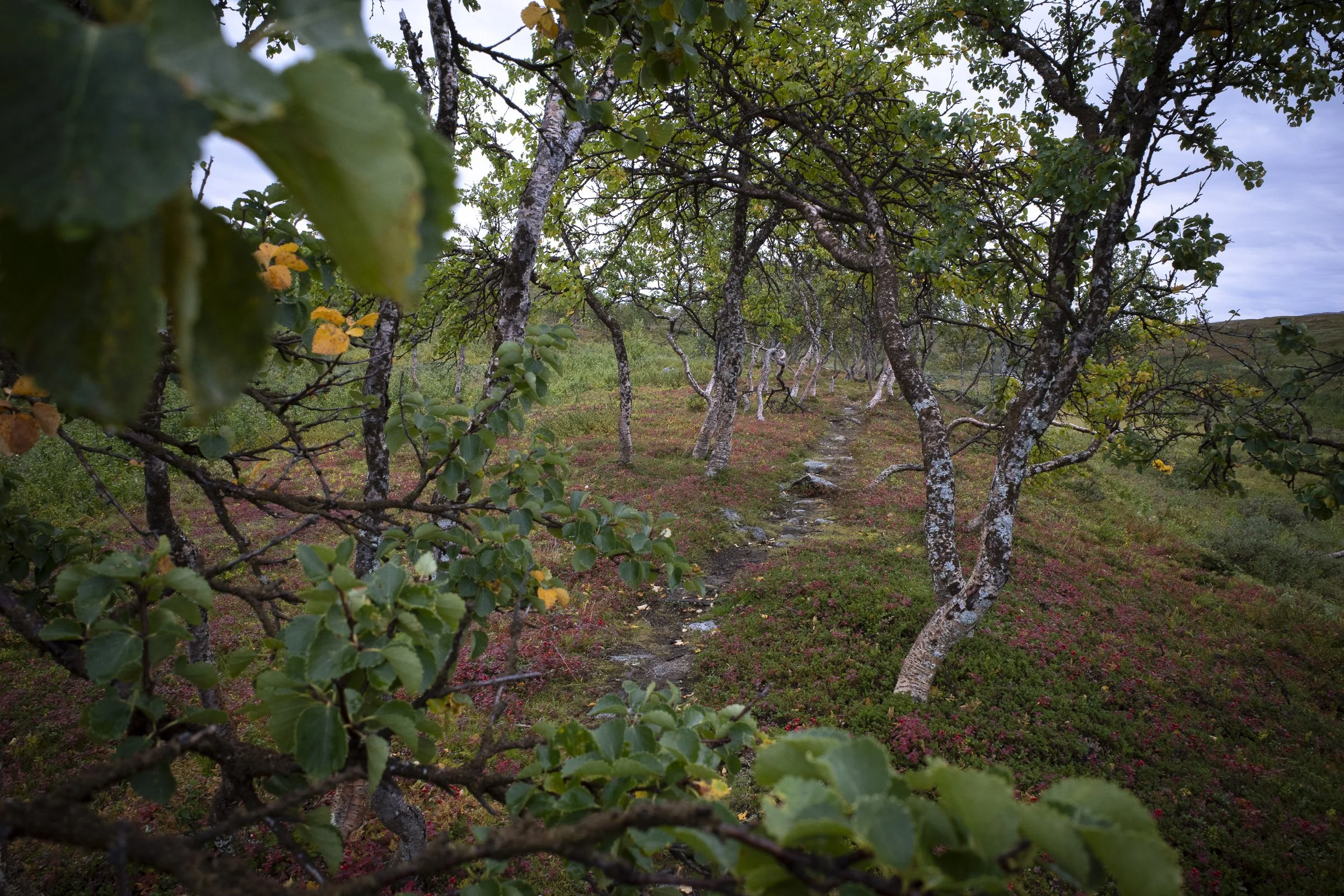
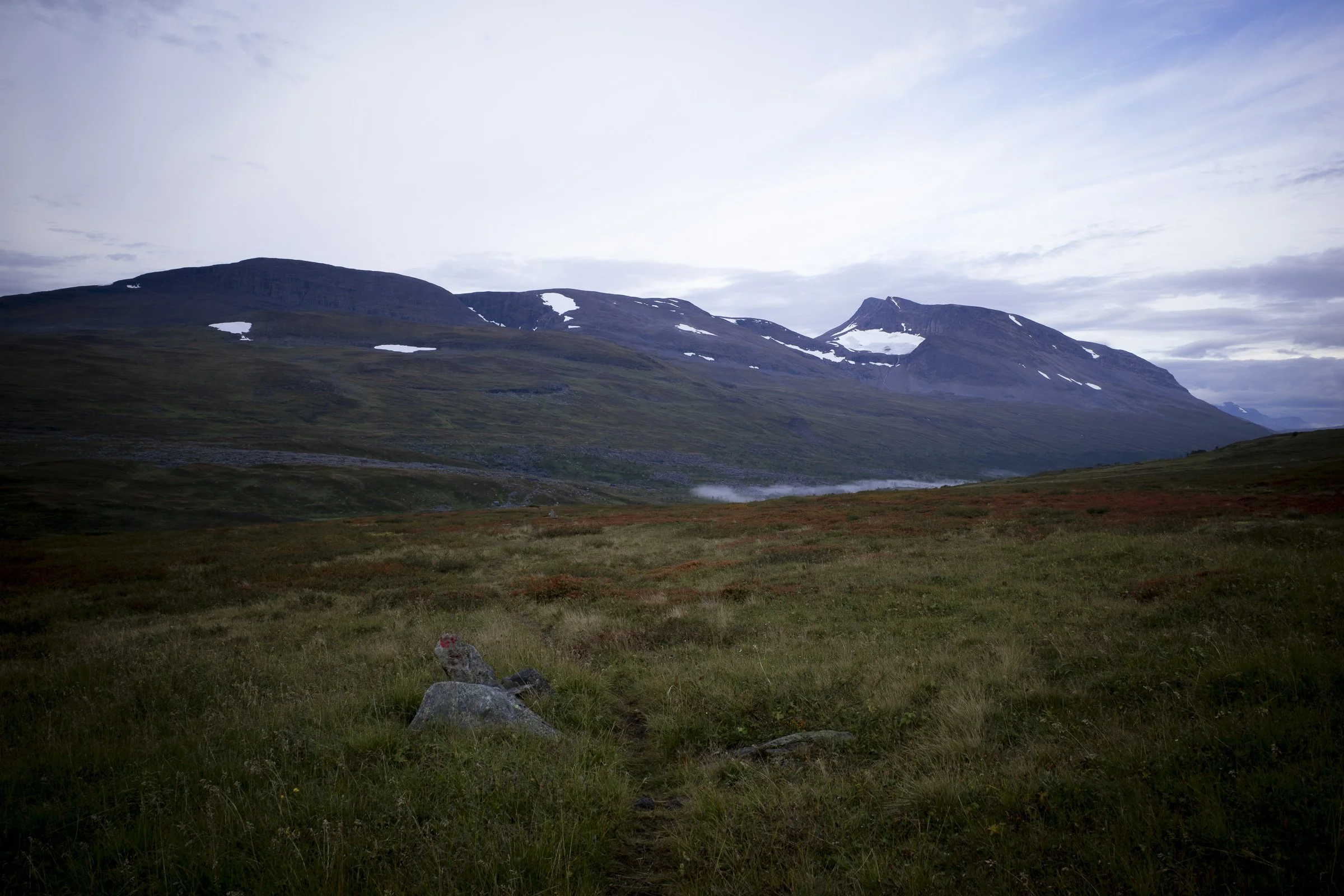
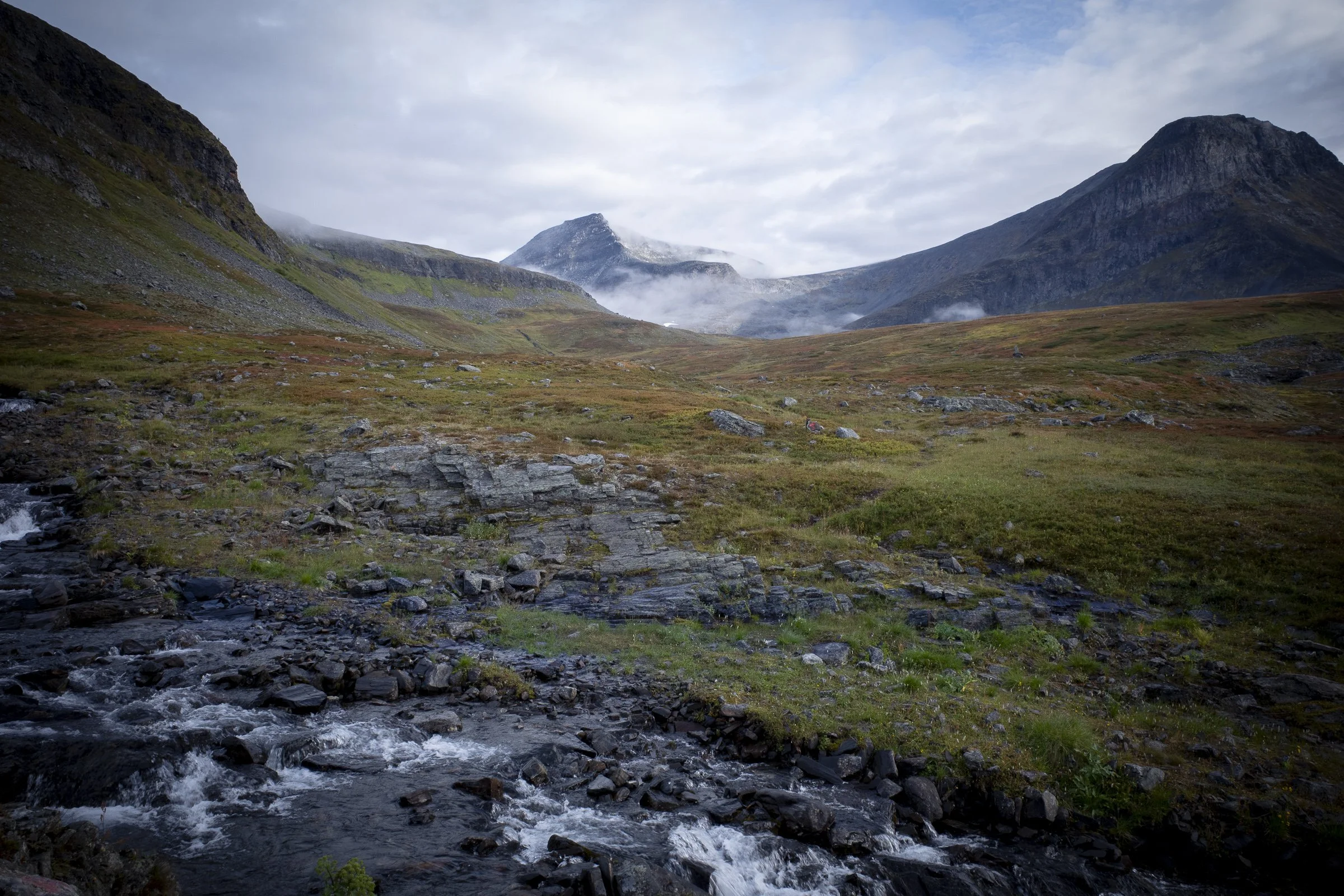
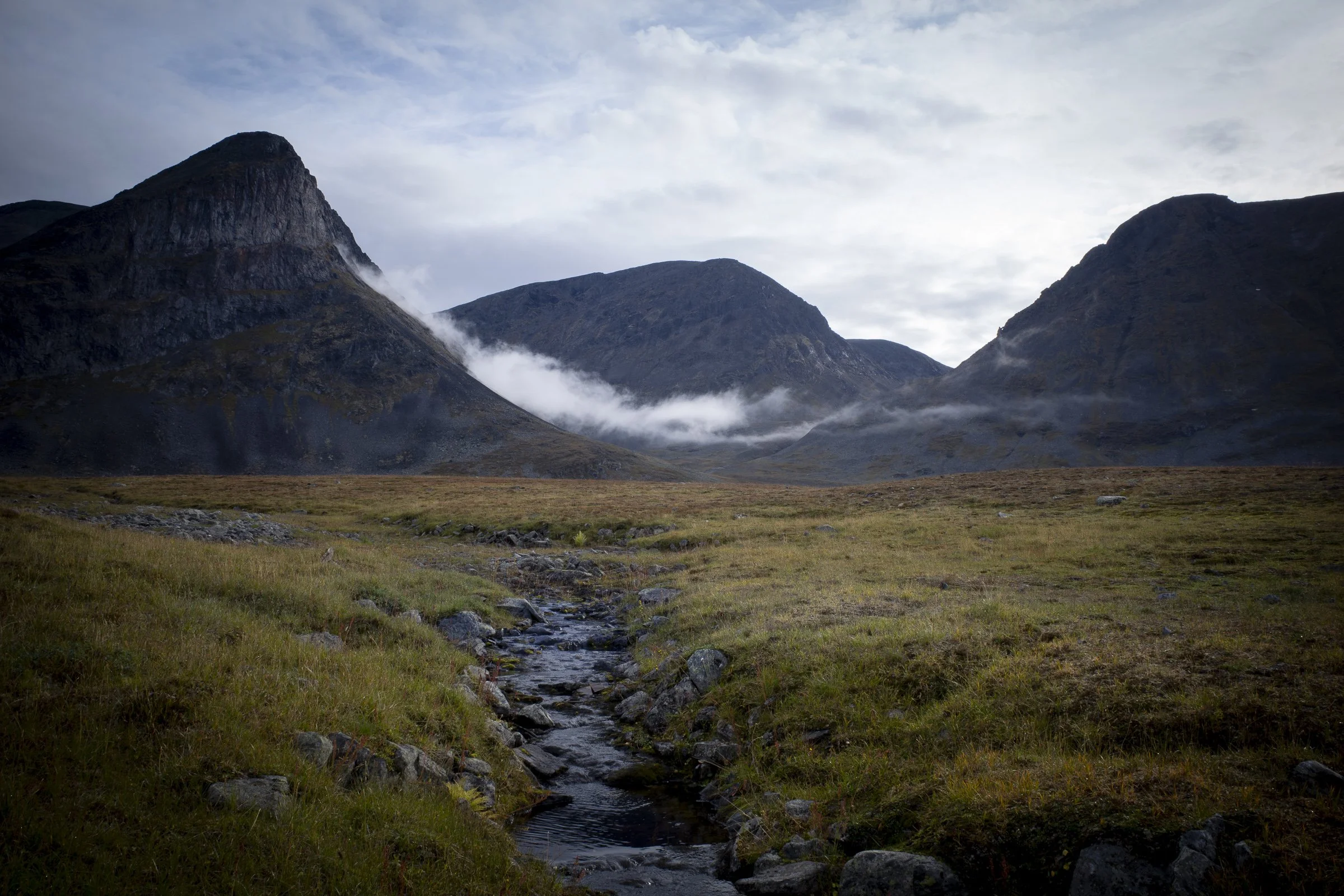
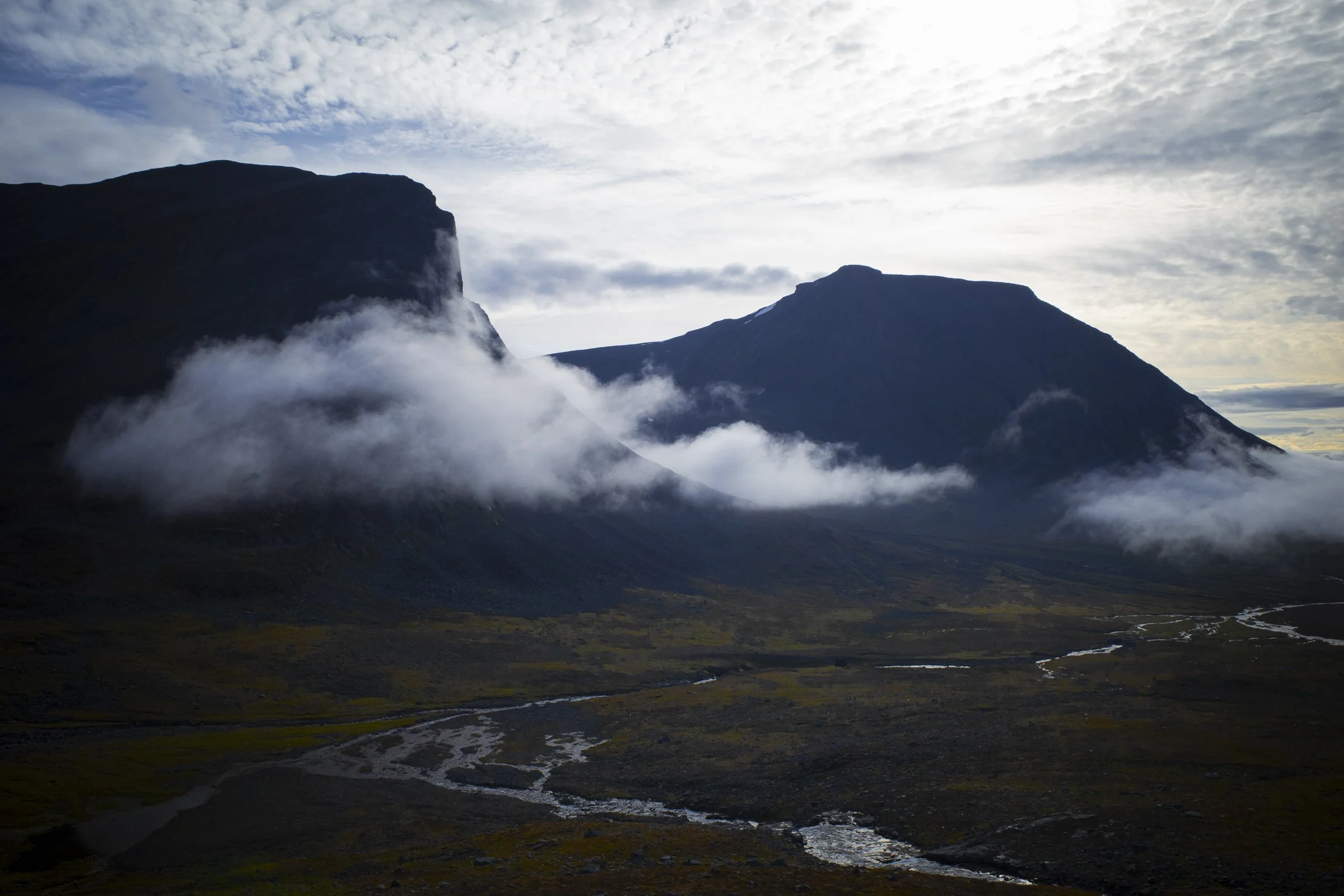
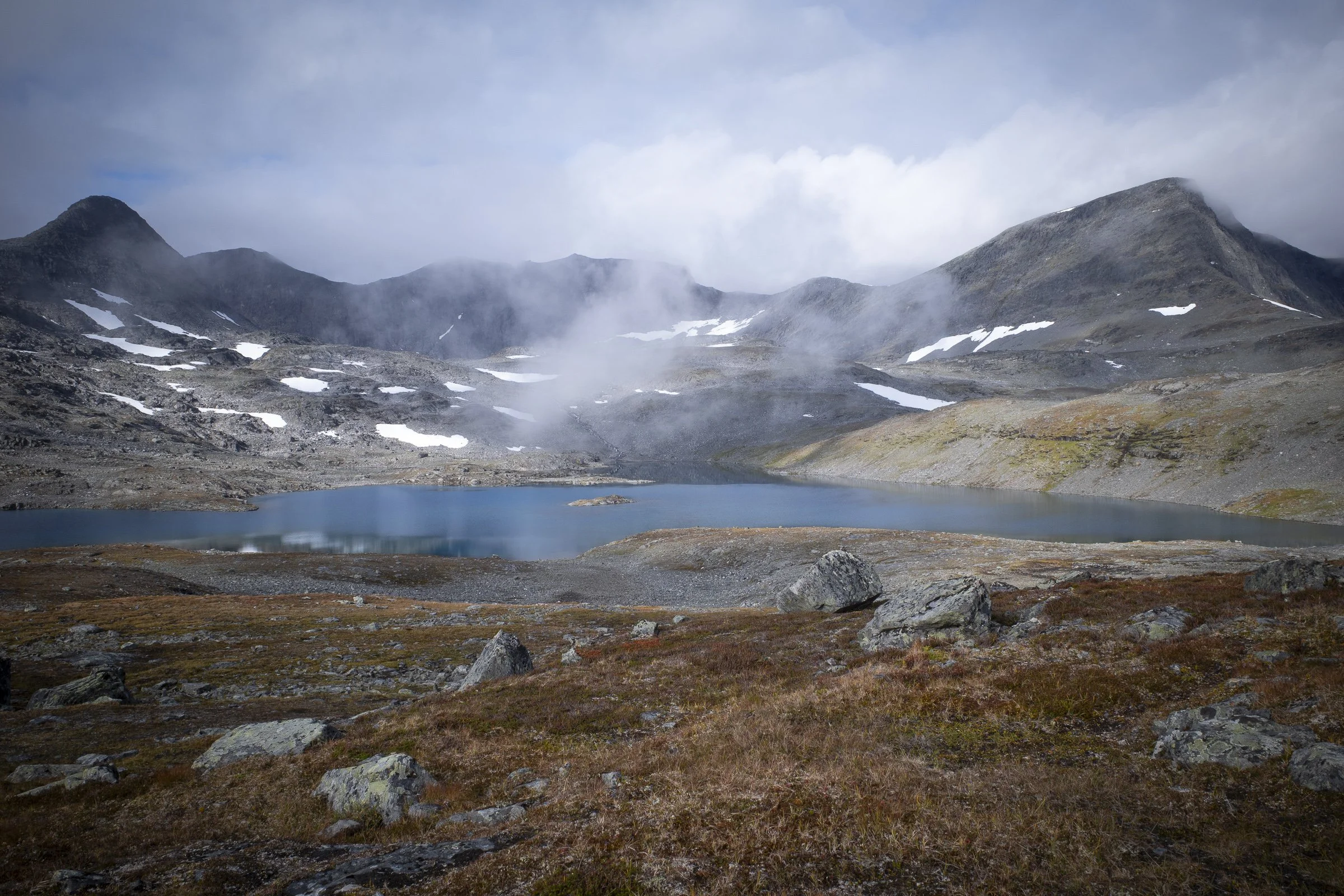
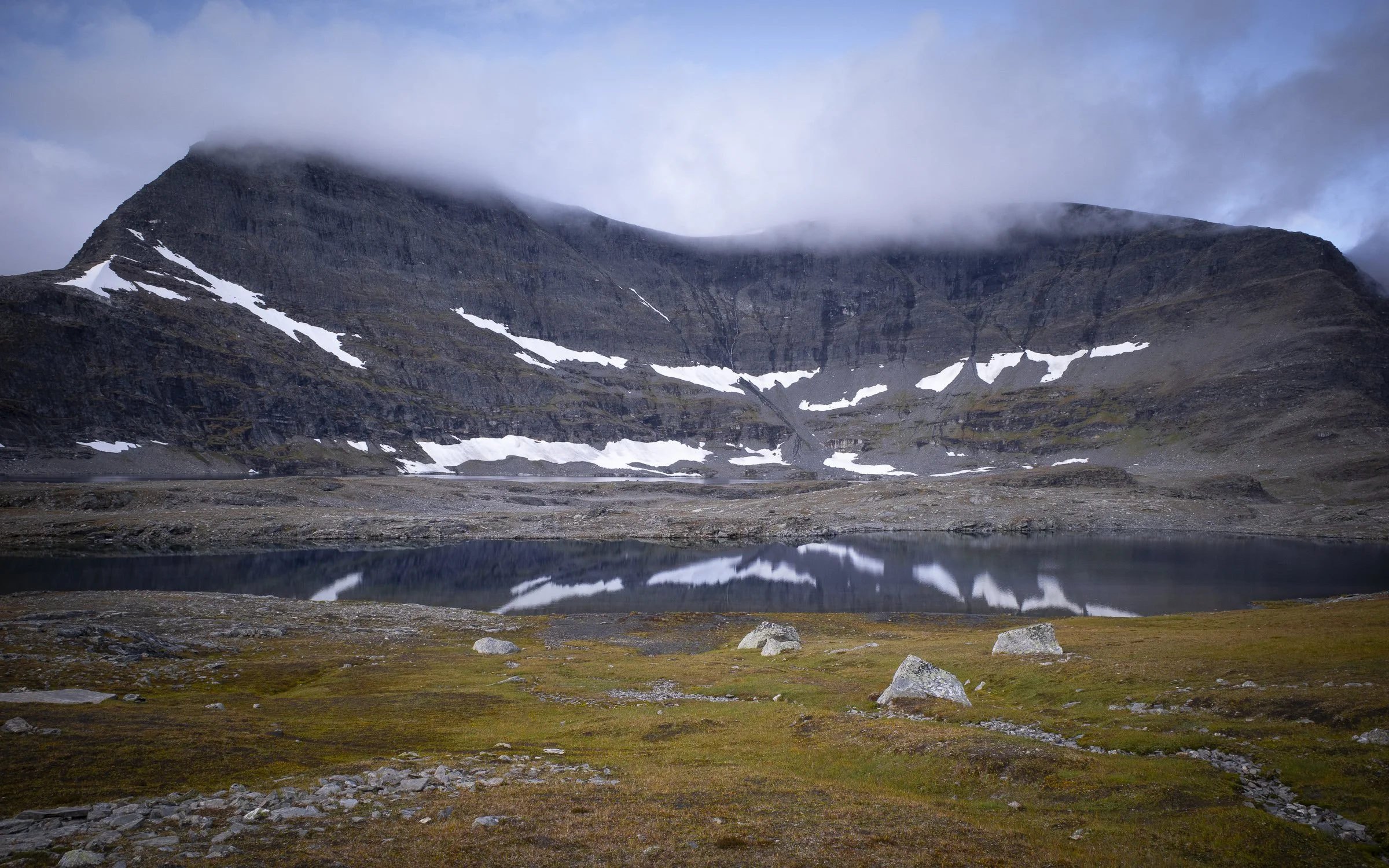
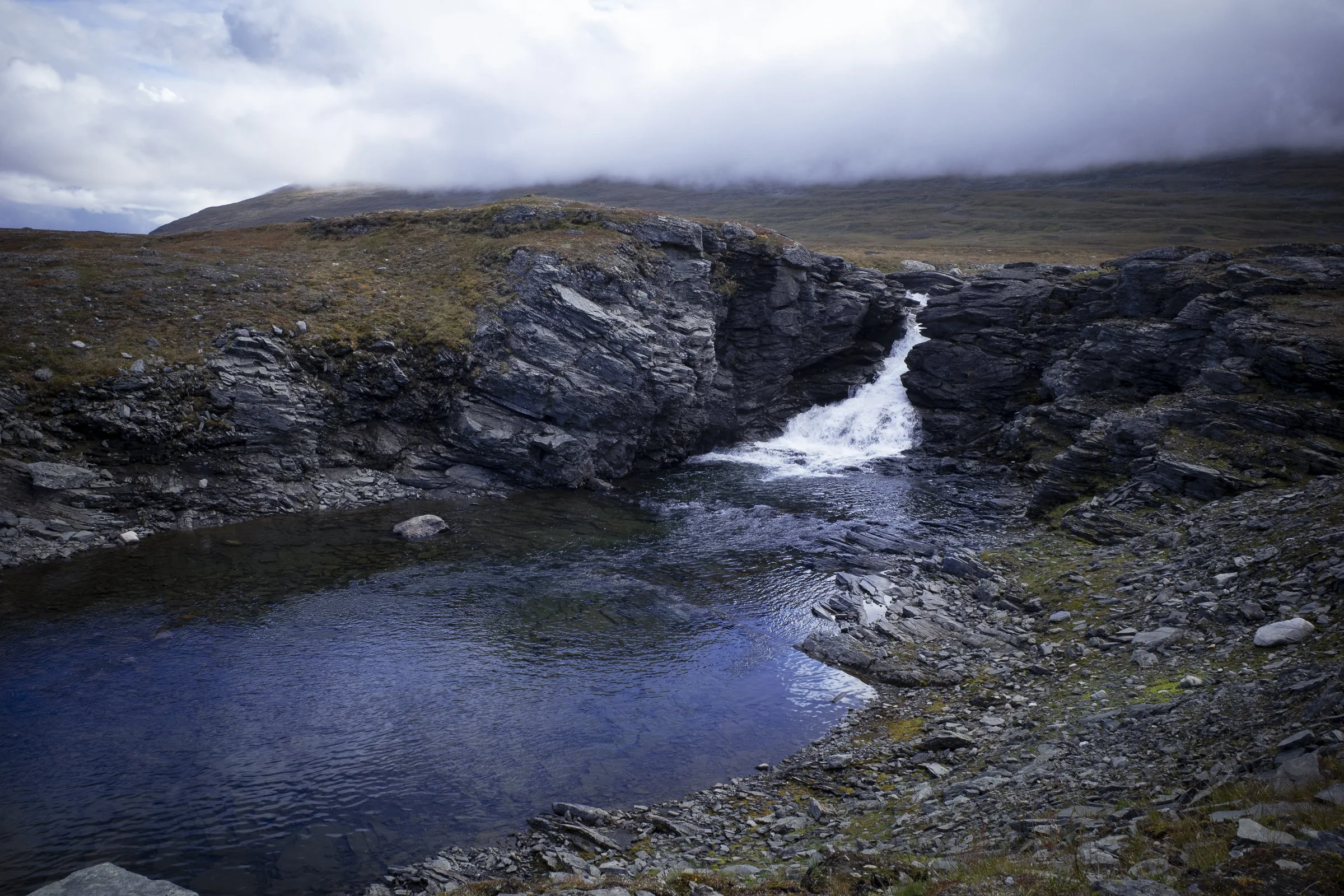
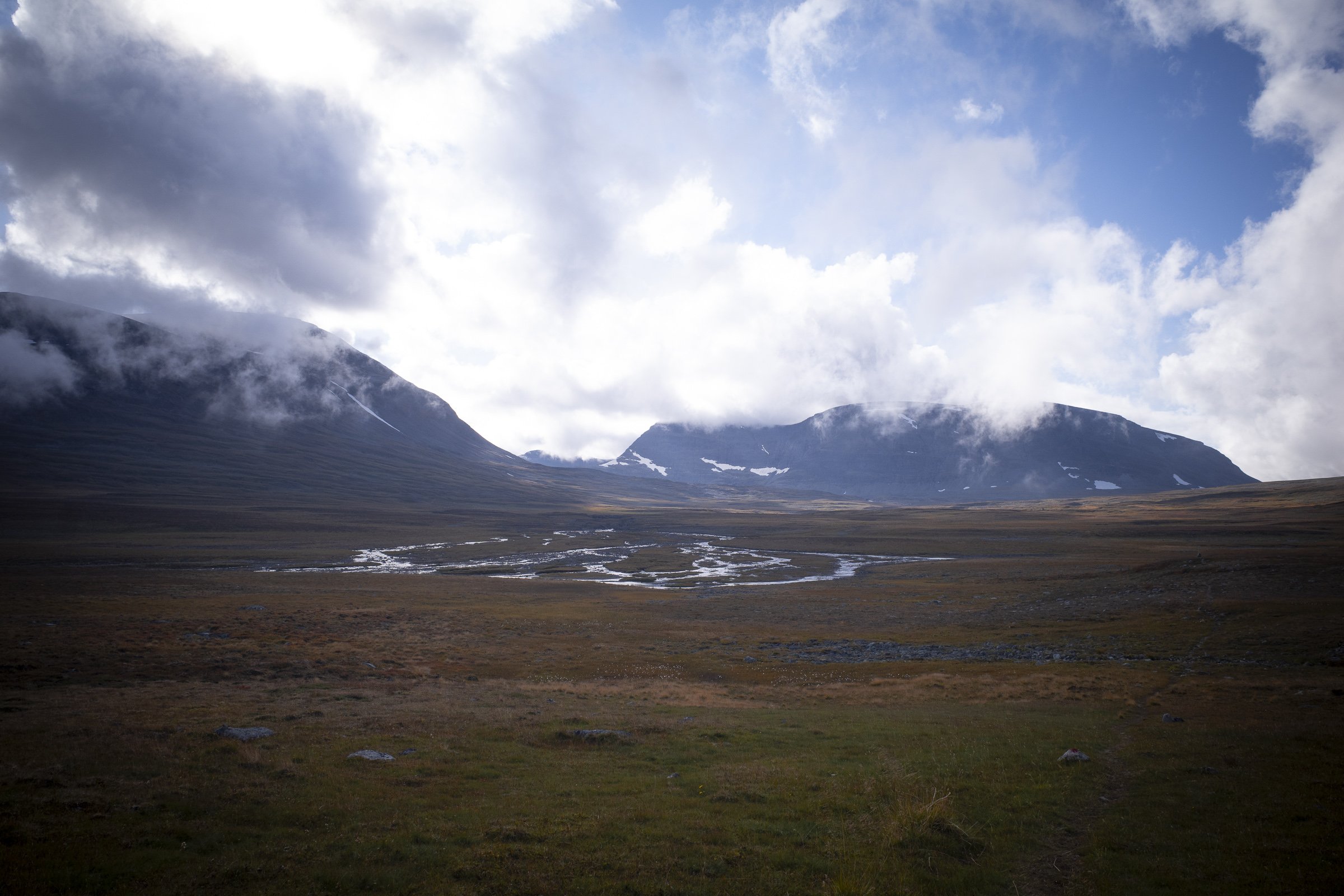
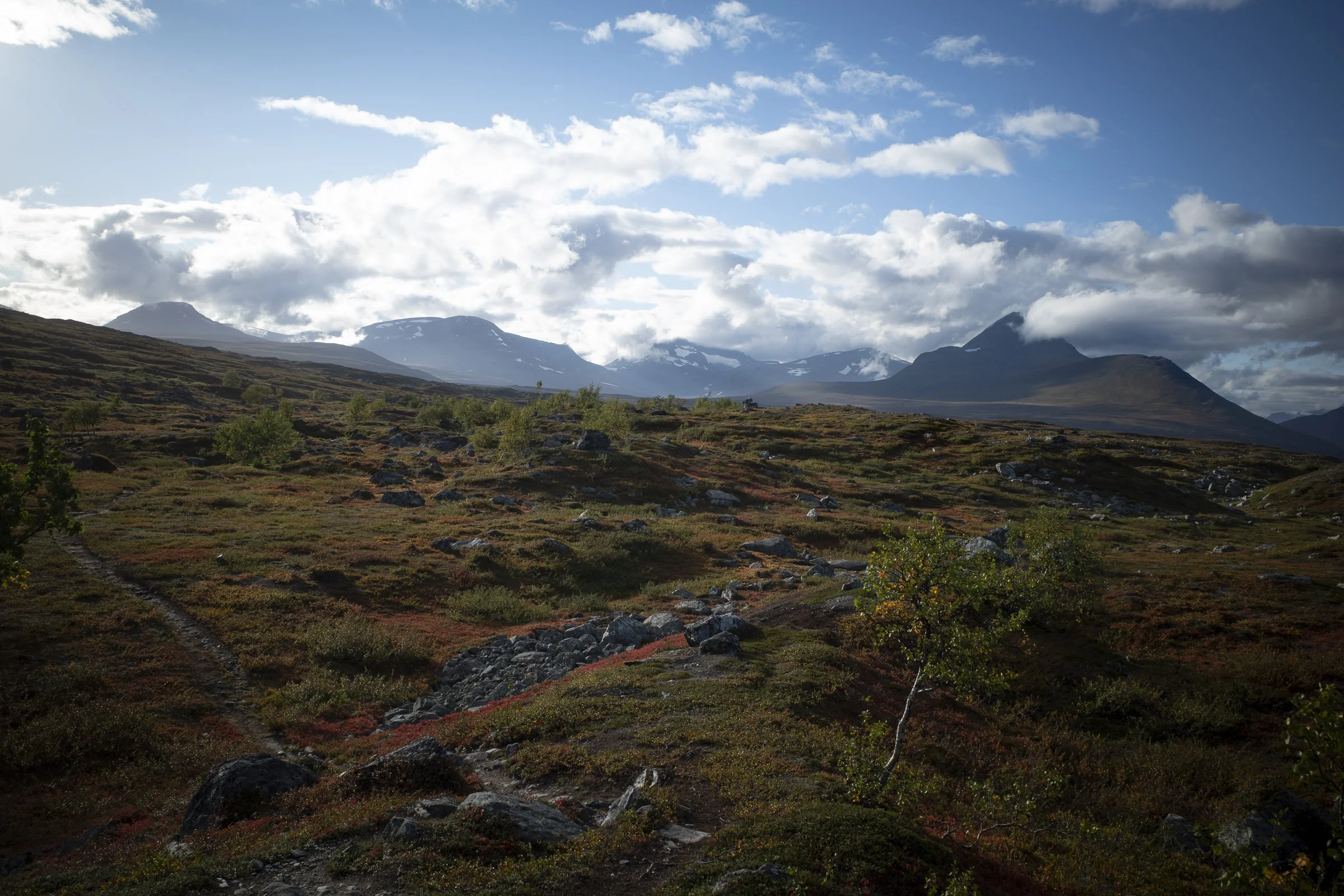
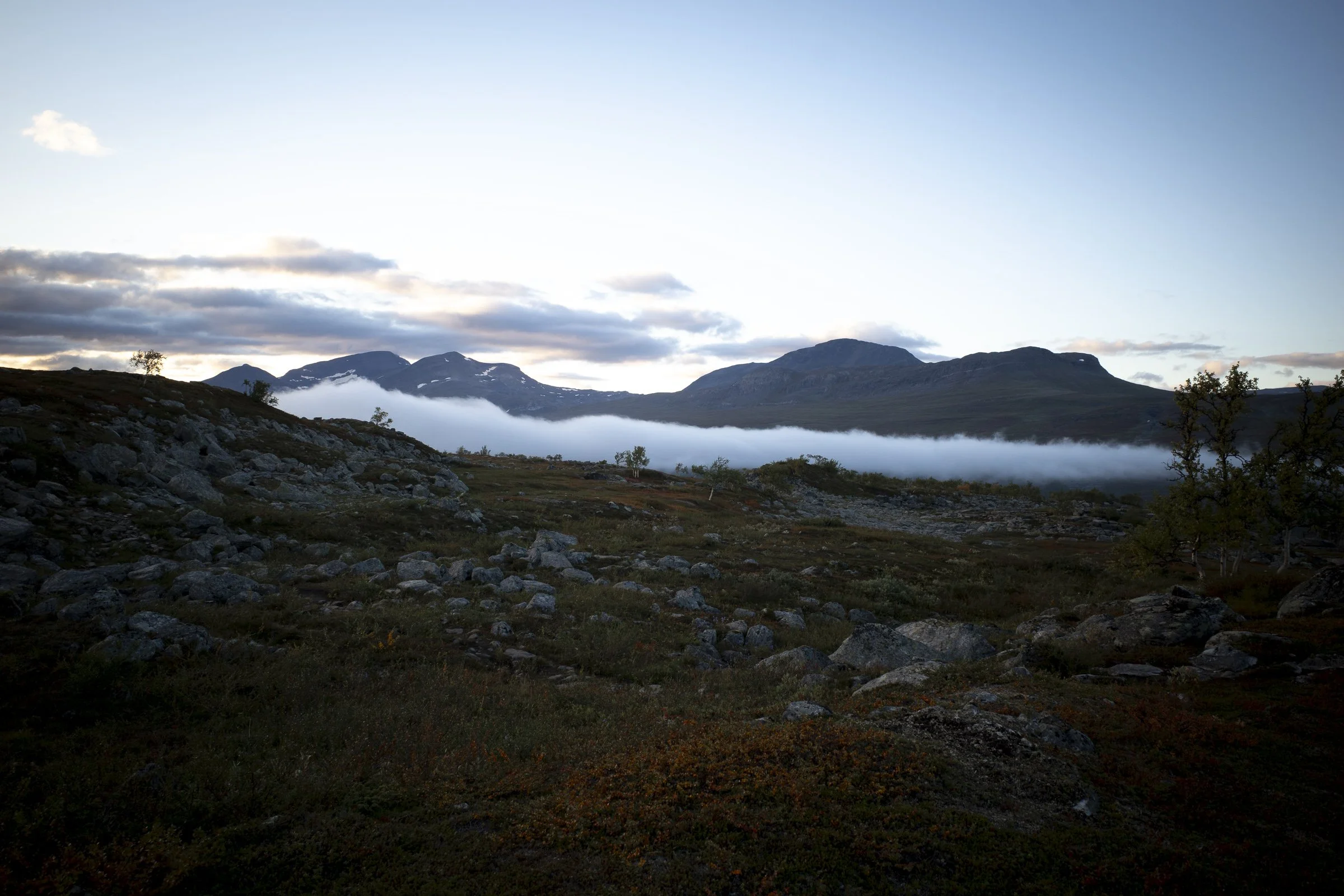
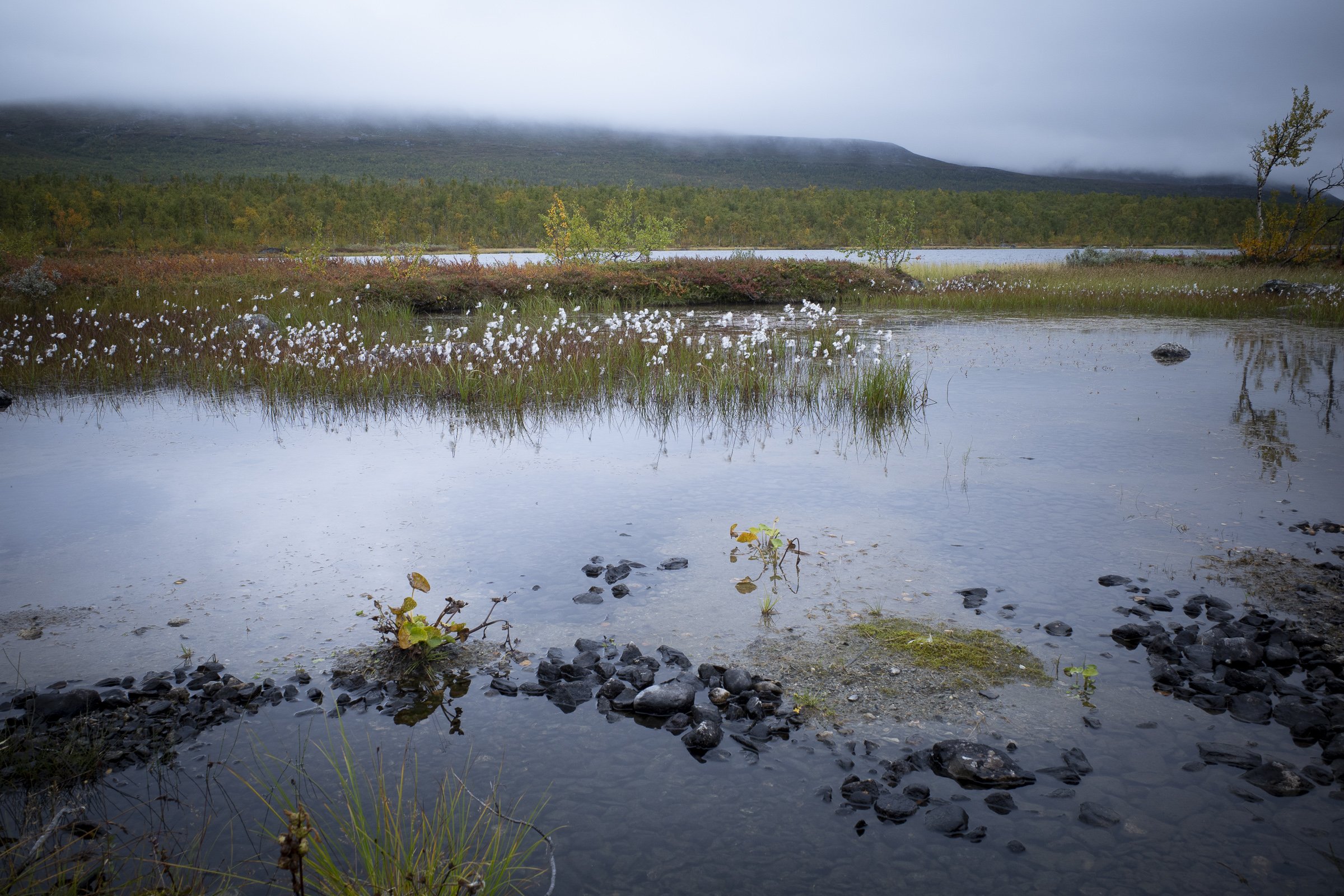
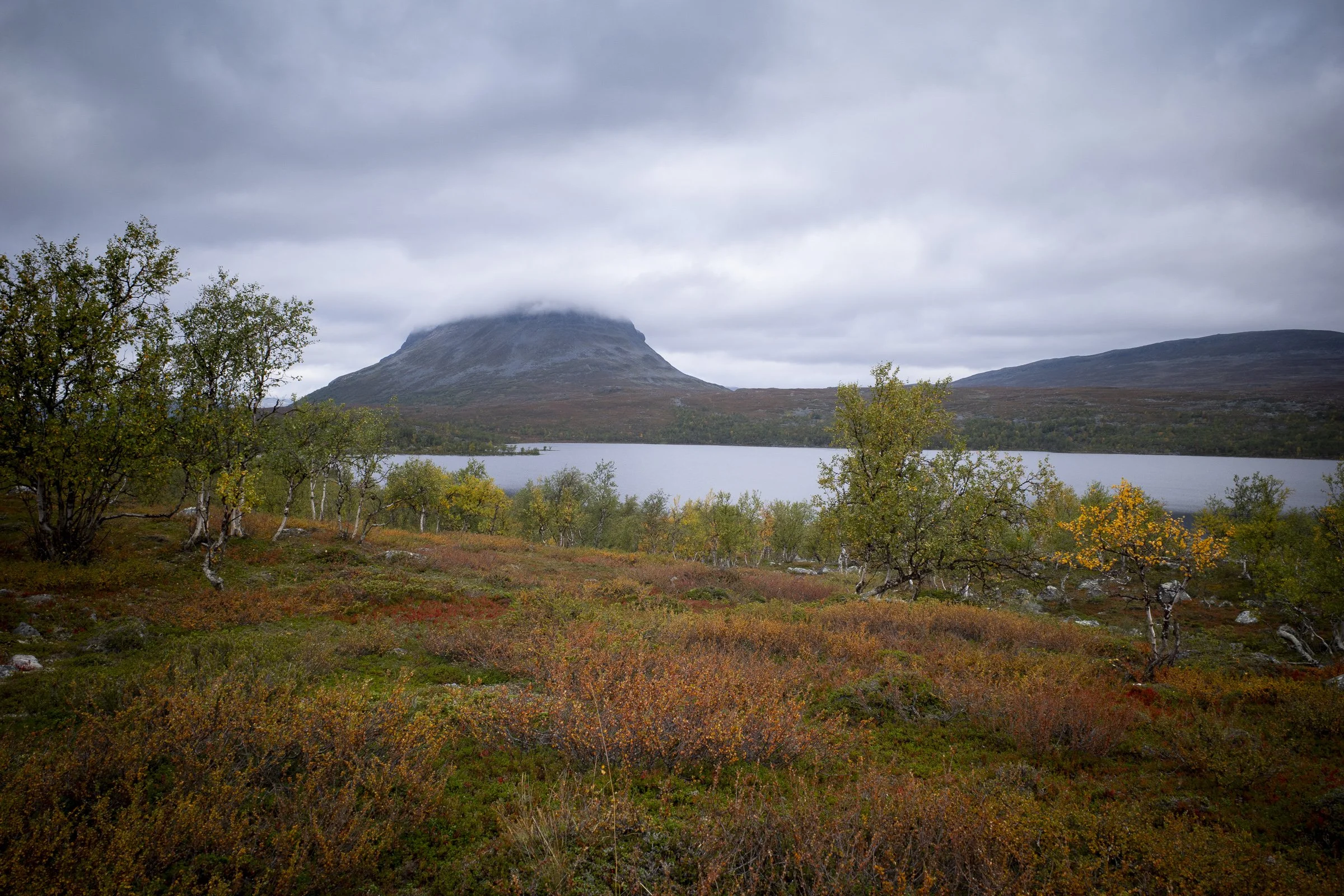
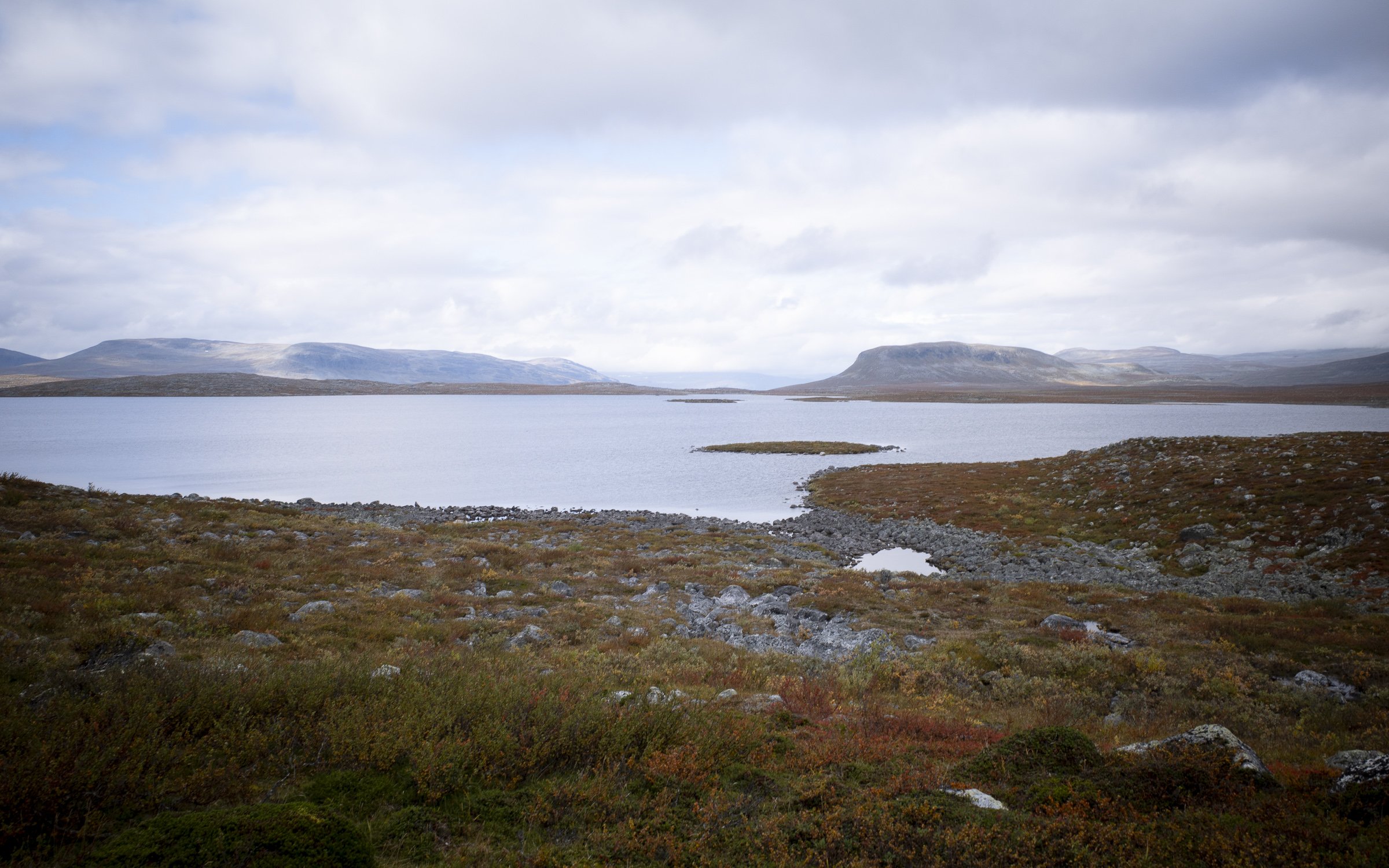
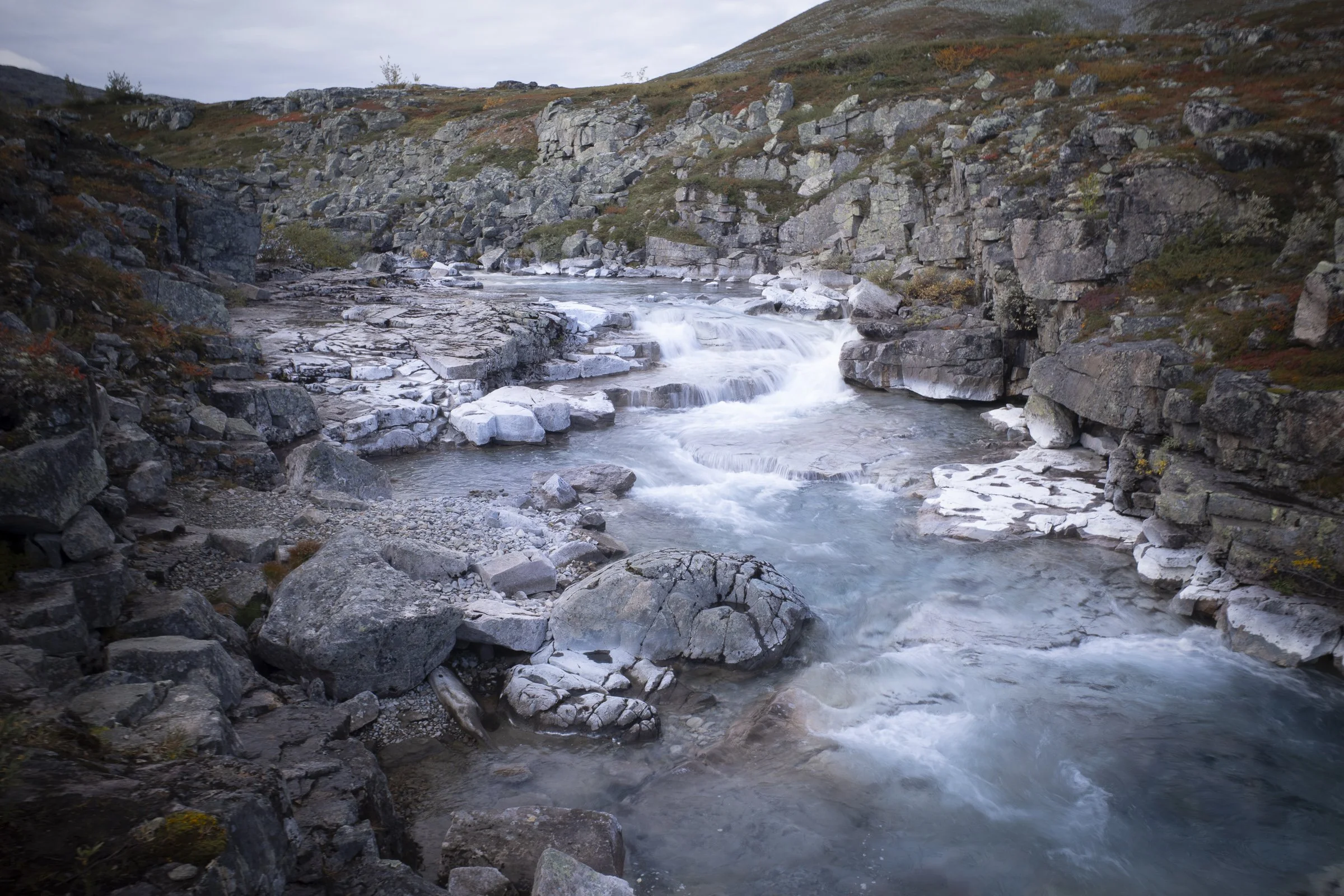
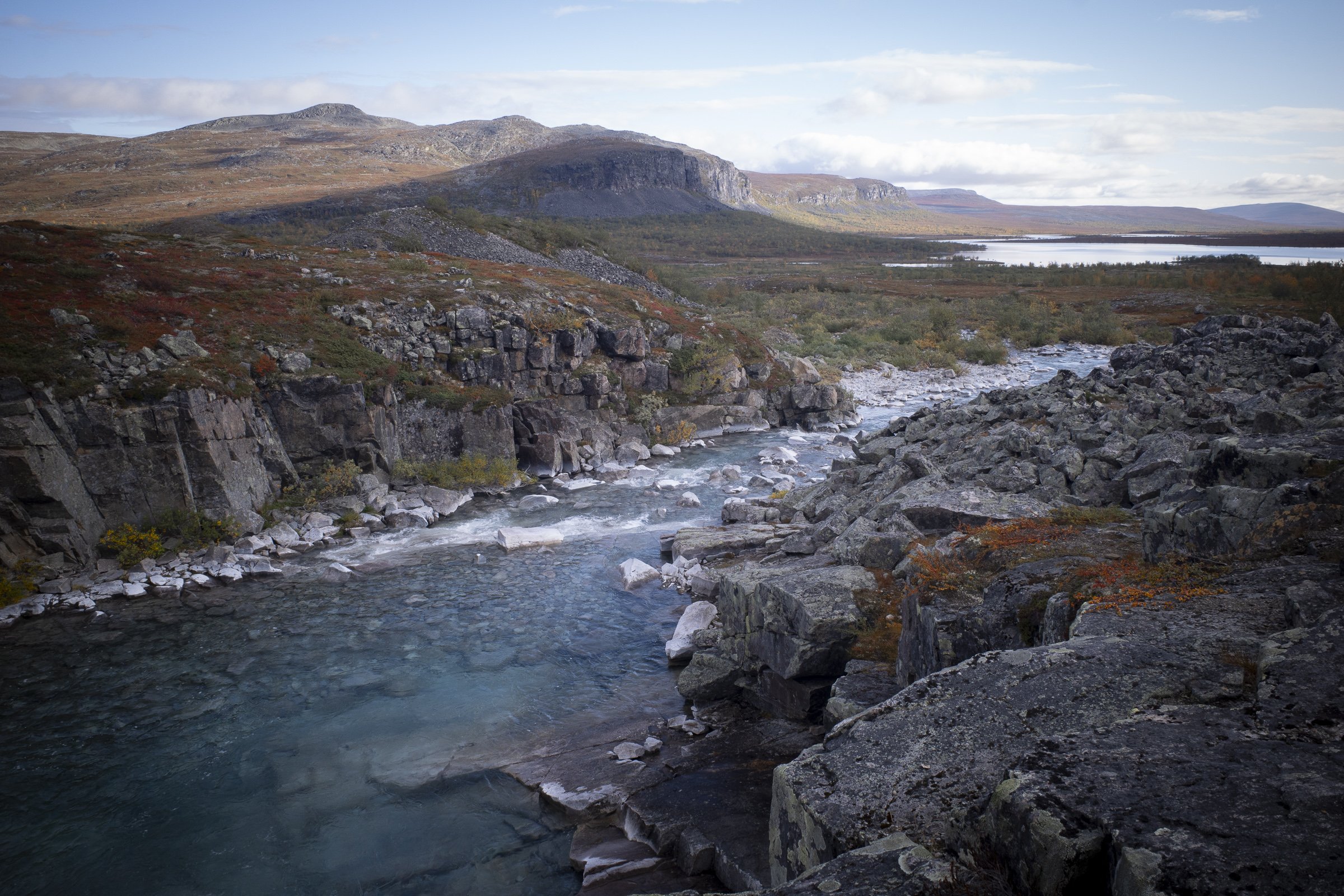
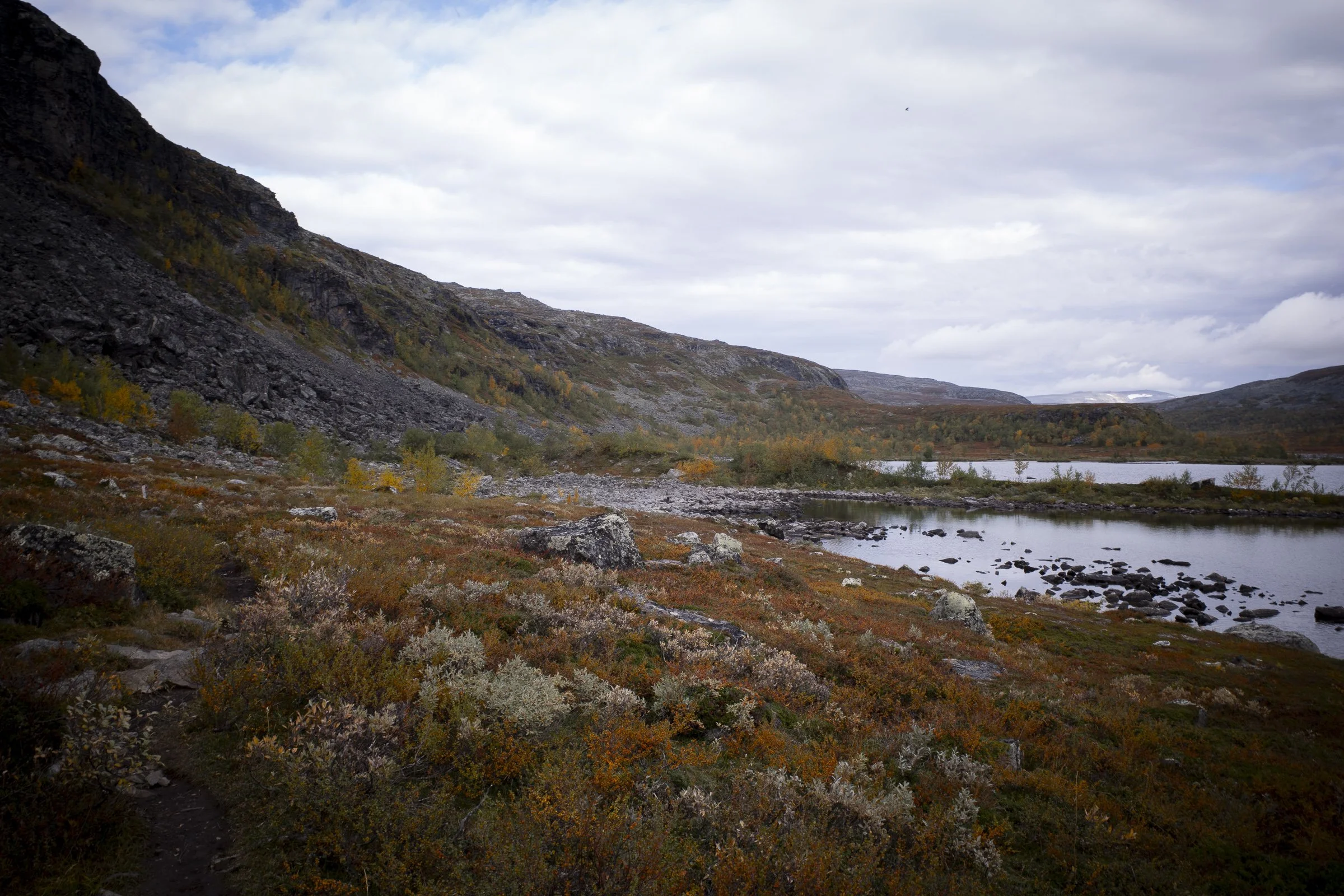
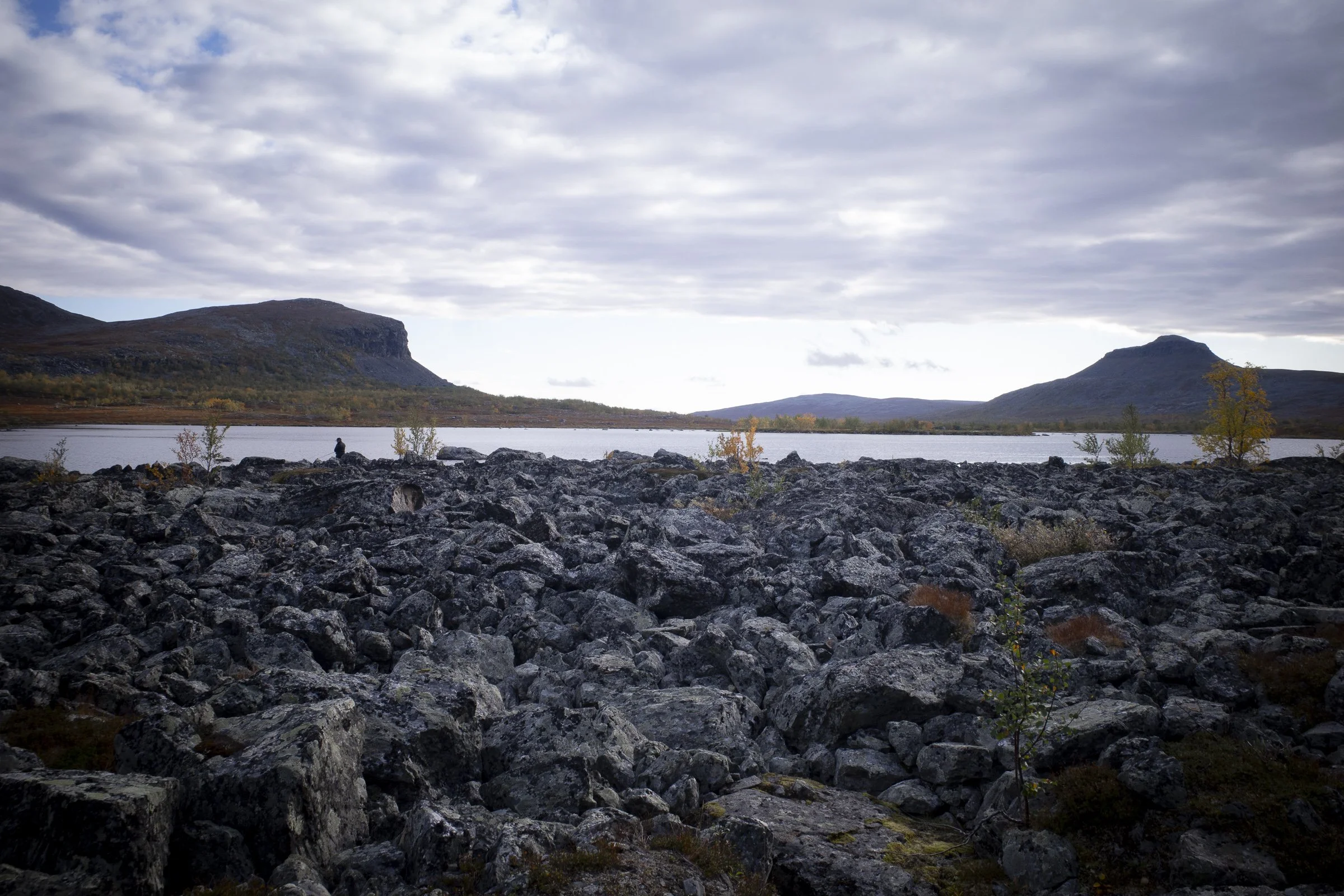
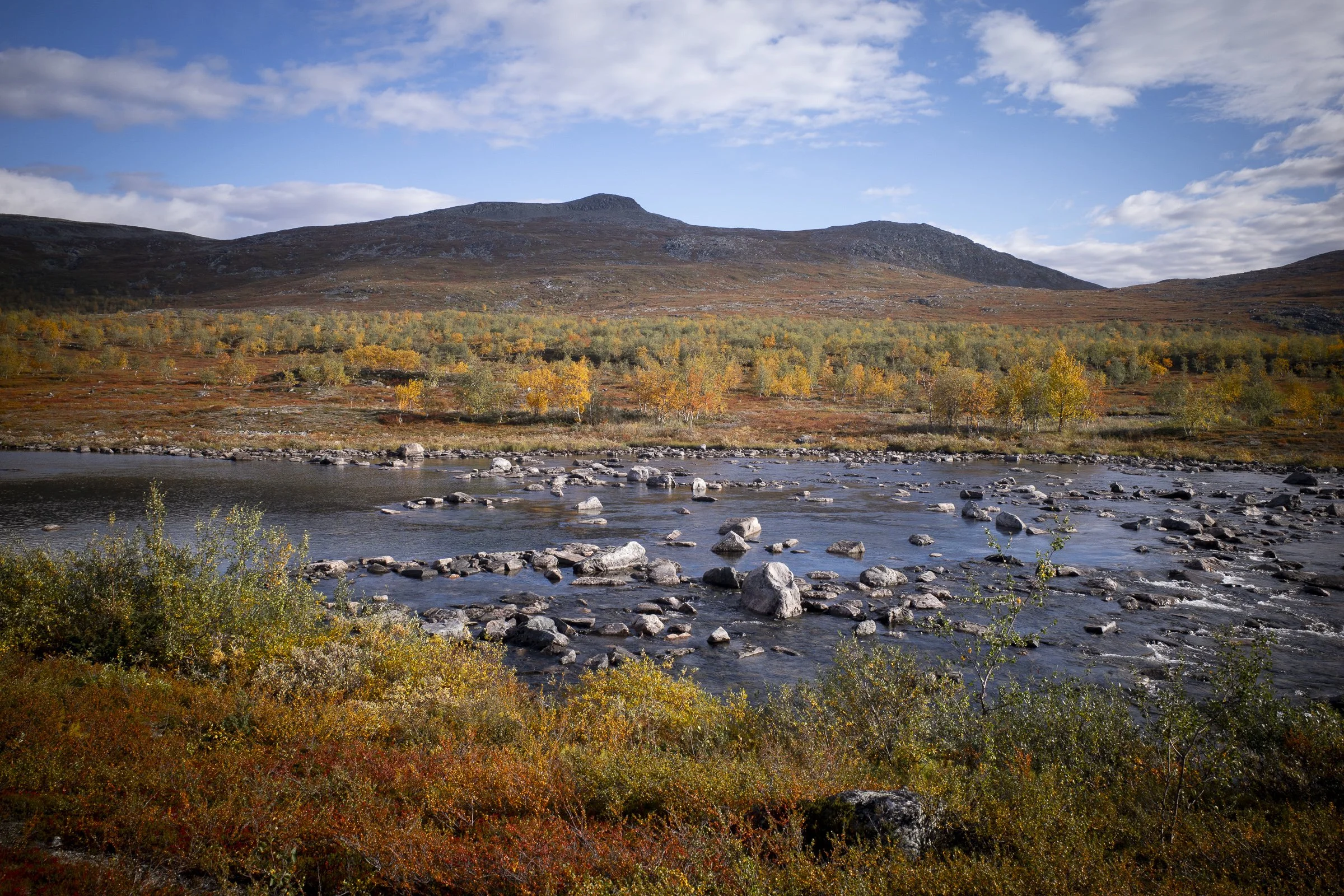
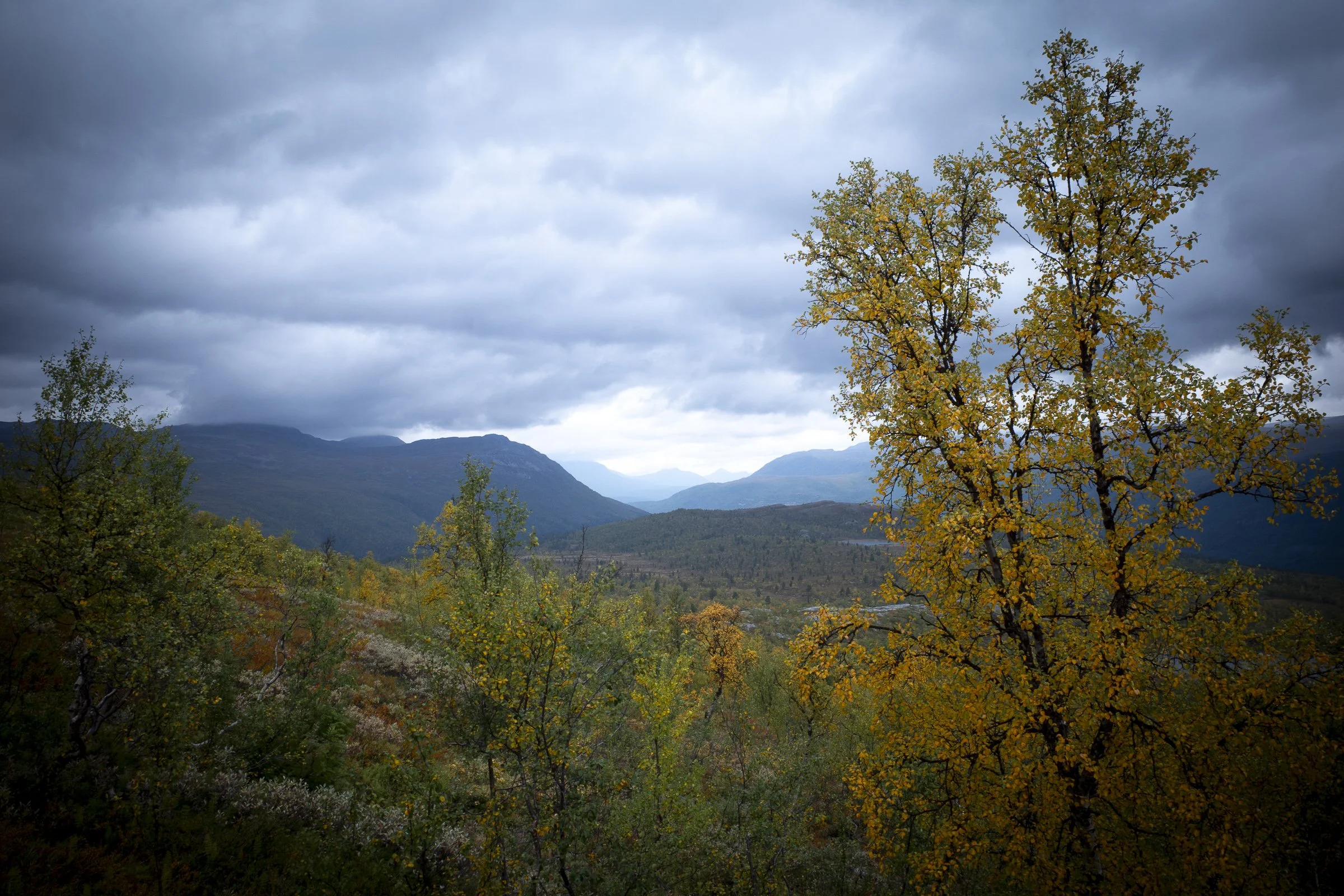
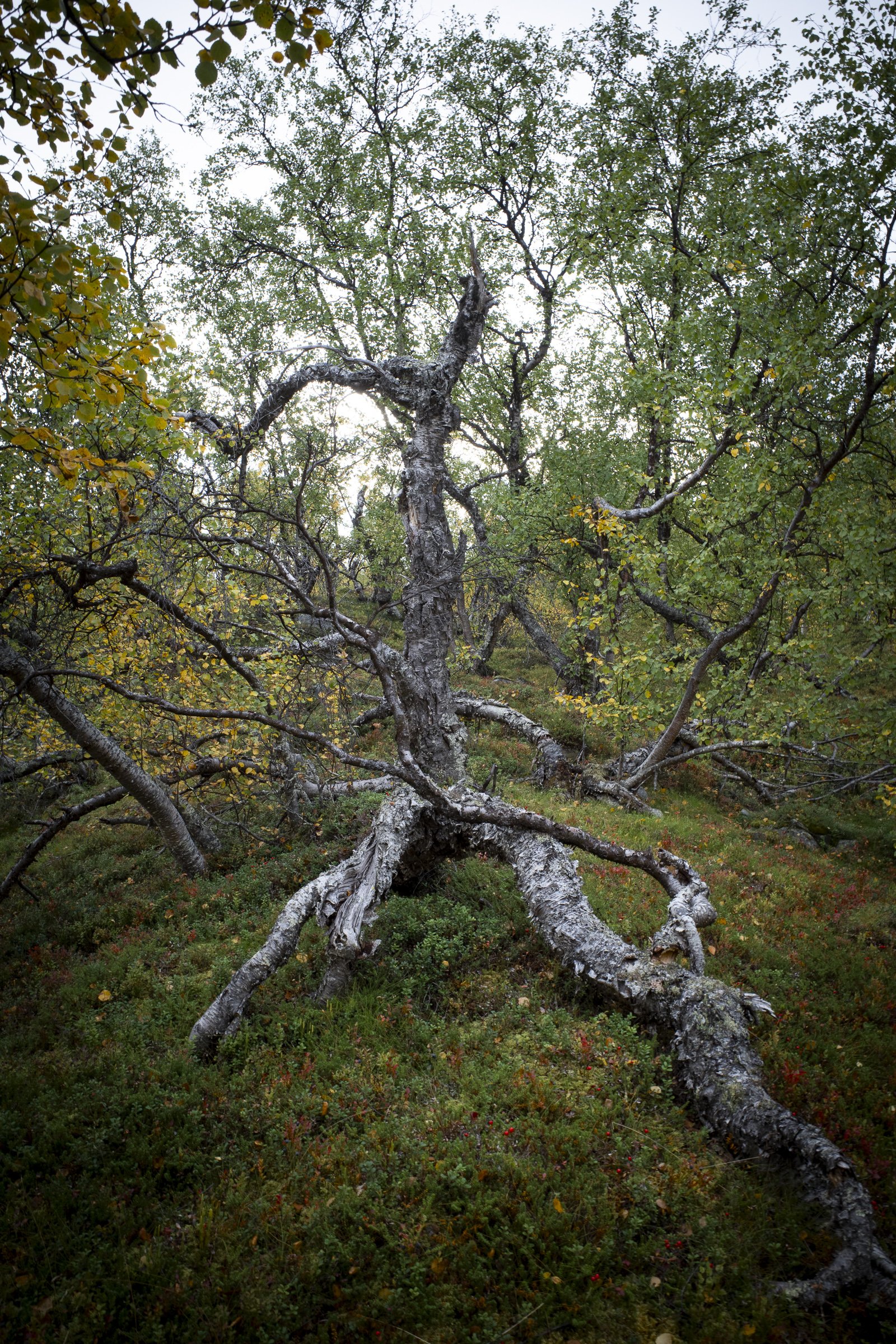
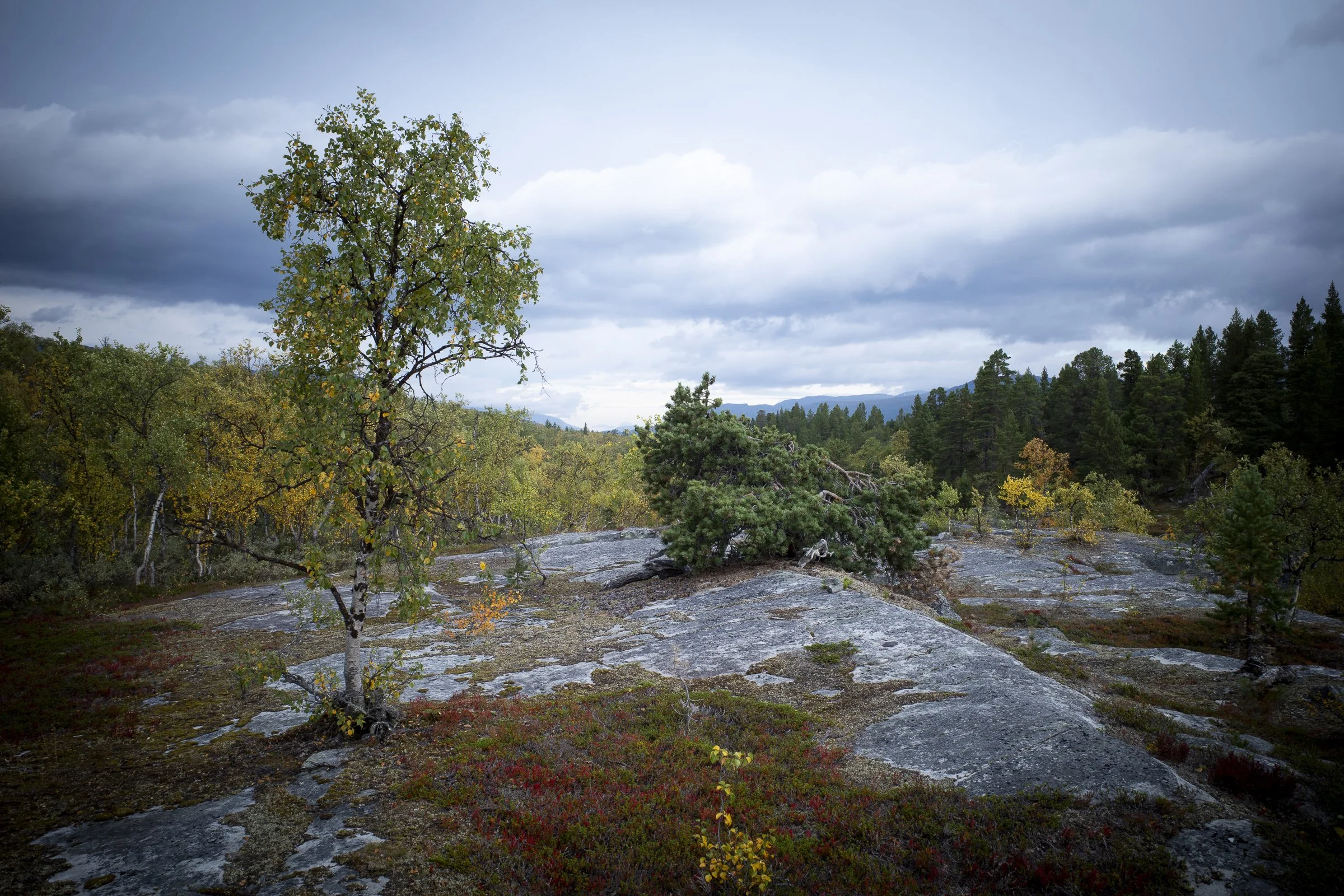
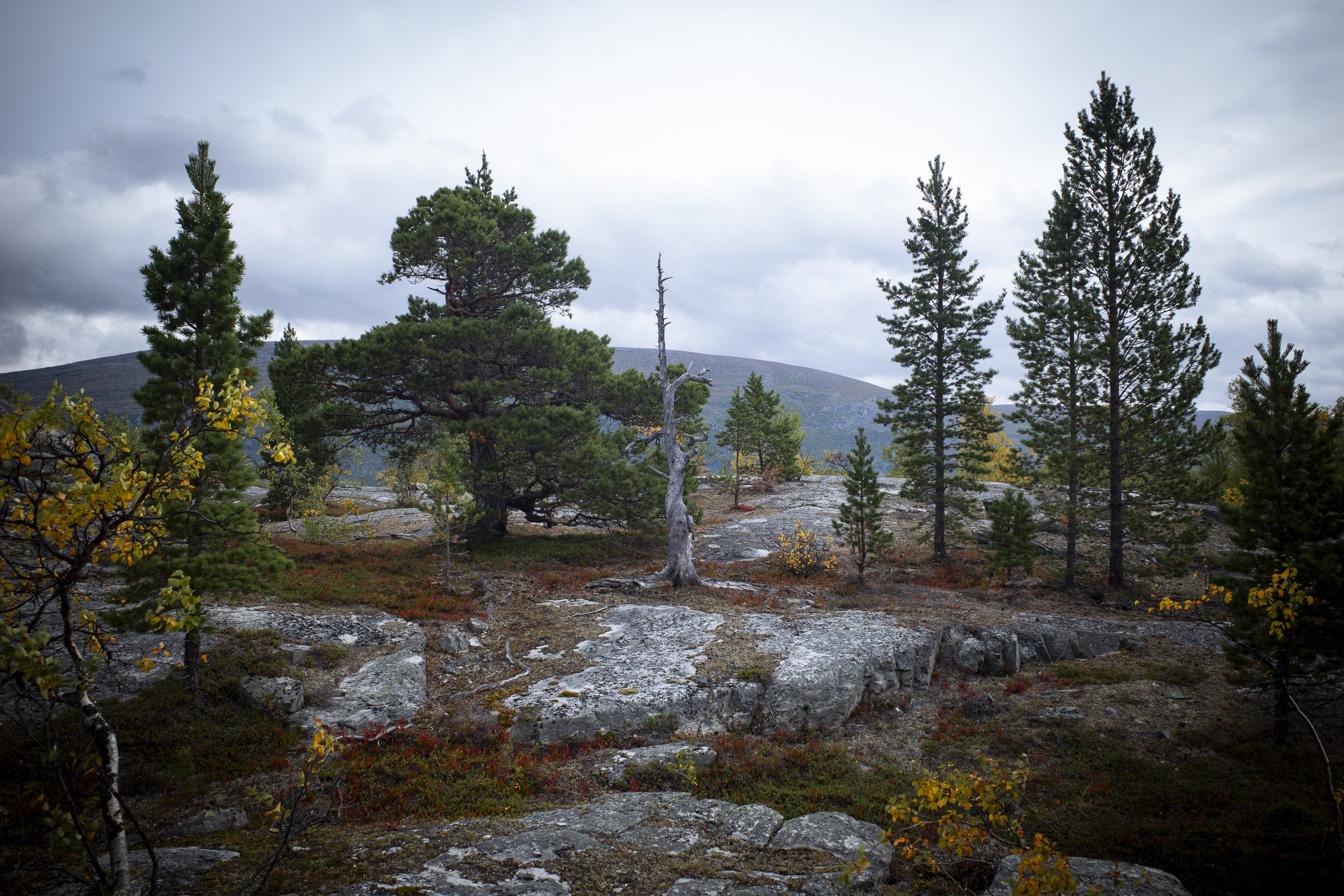
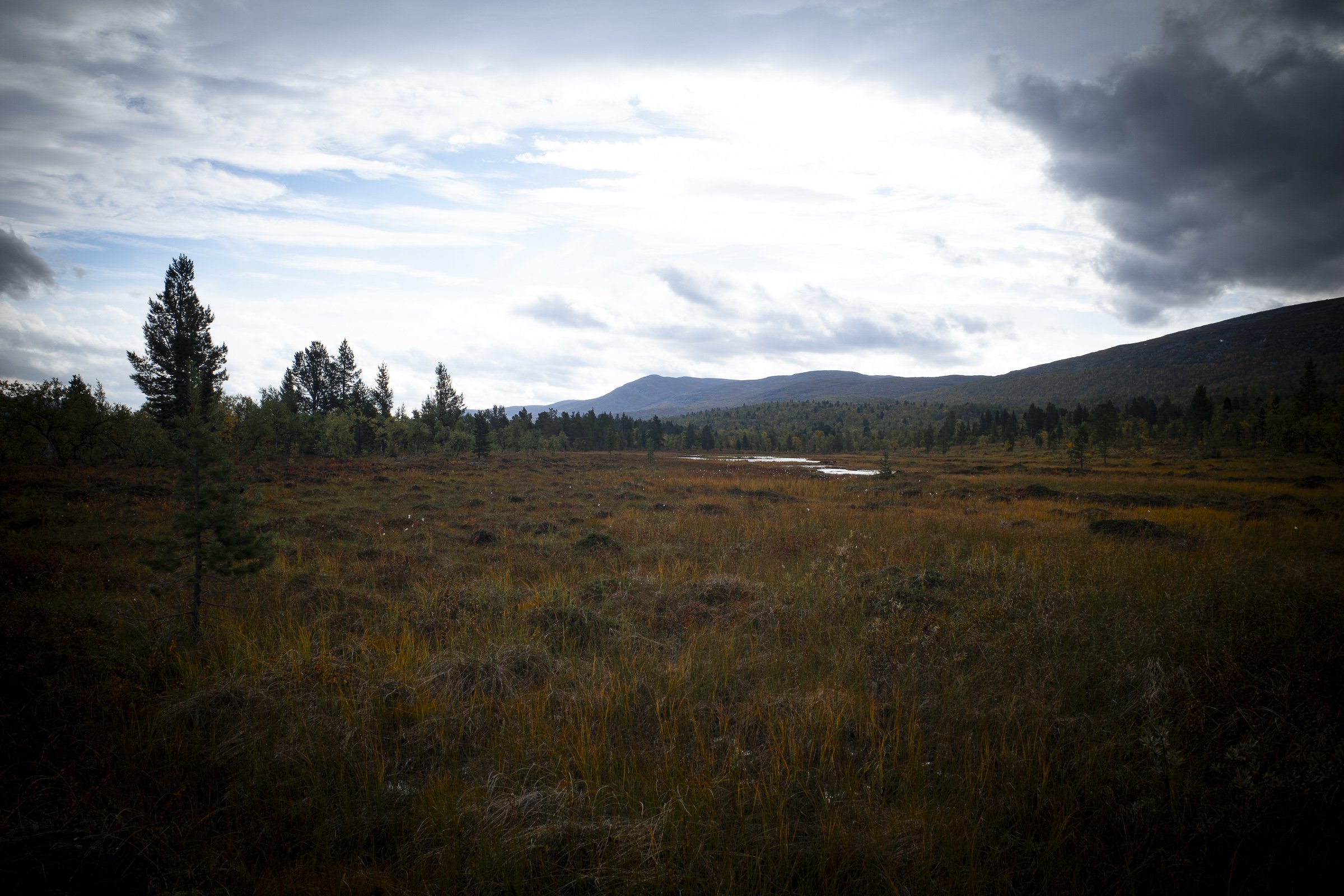
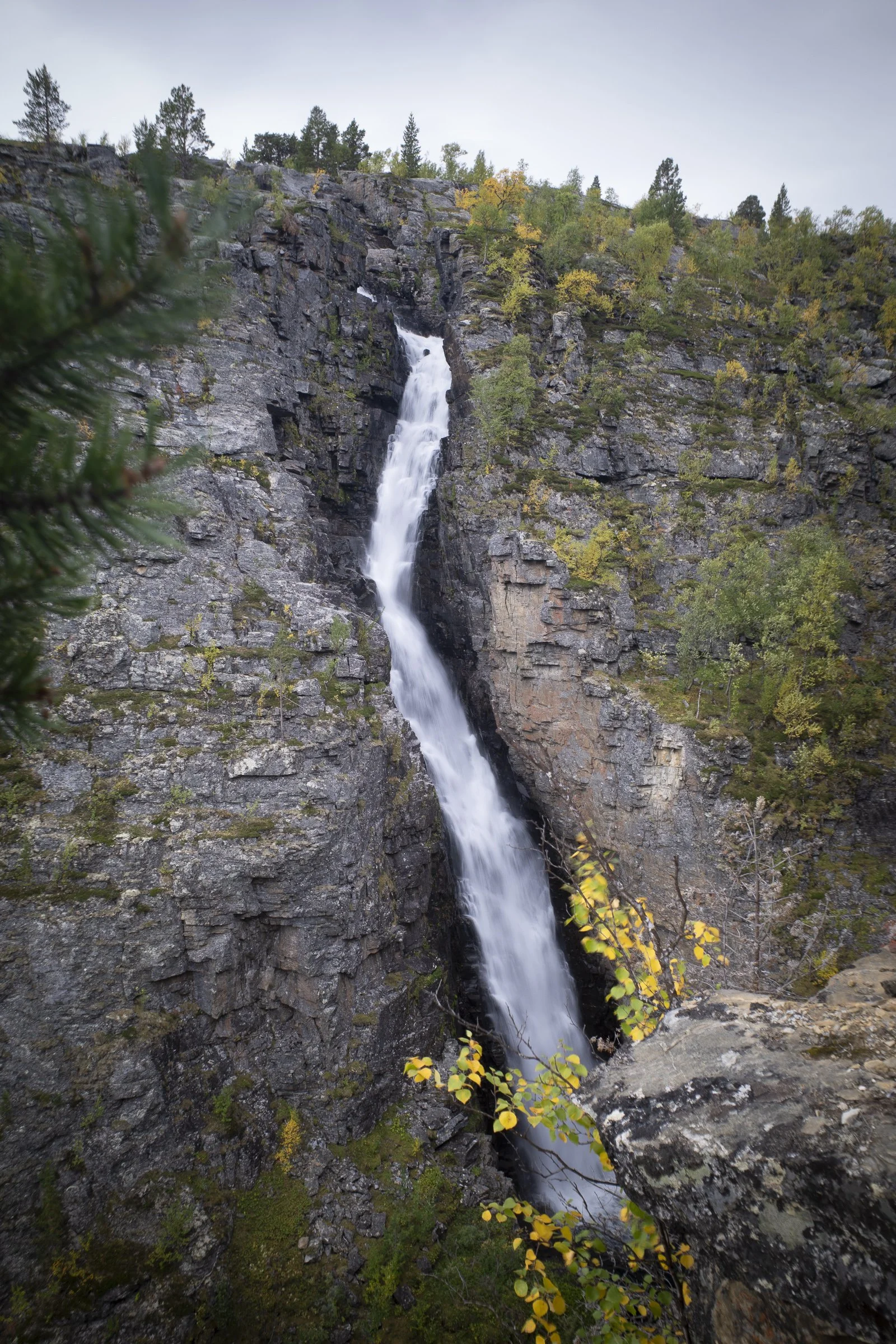
But of course, the real star of the tour is the landscape. Walking so many hours alone in this kind of environment really opens your mind to nuance and detail in this astonishingly big and wide open landscape. The tree line up here sits at about 400 to 500 meters above sea-level. For me, this is part of the magic of this landscape. The Scandinavian Fjell provides endless open spaces only interrupted by river valley full of ancient but small birch trees or down in the sheltered valleys of Norwegian Øvre Dividal national park even primeval pinewood. Yet color is everywhere. Not only the leaves of the birch trees glow in thousands of different yellows, oranges and reds. Bushes and shrub like blueberry or crowberry are at least as colorful.
Everything about this place always brings me back. The subarctic landscapes of the far north of the Scandinavian peninsula always make me happy.
—-
Photos, photos, photos (click to enlarge)
To make the images more managable, I divided it roughly by stages of the trek.